Beginner Scent Work & Nosework Games for Dogs: A Complete Guide
Discover fun beginner scent work & nosework games to boost your dog's confidence, burn mental energy, & strengthen your bond with step-by-step guides.
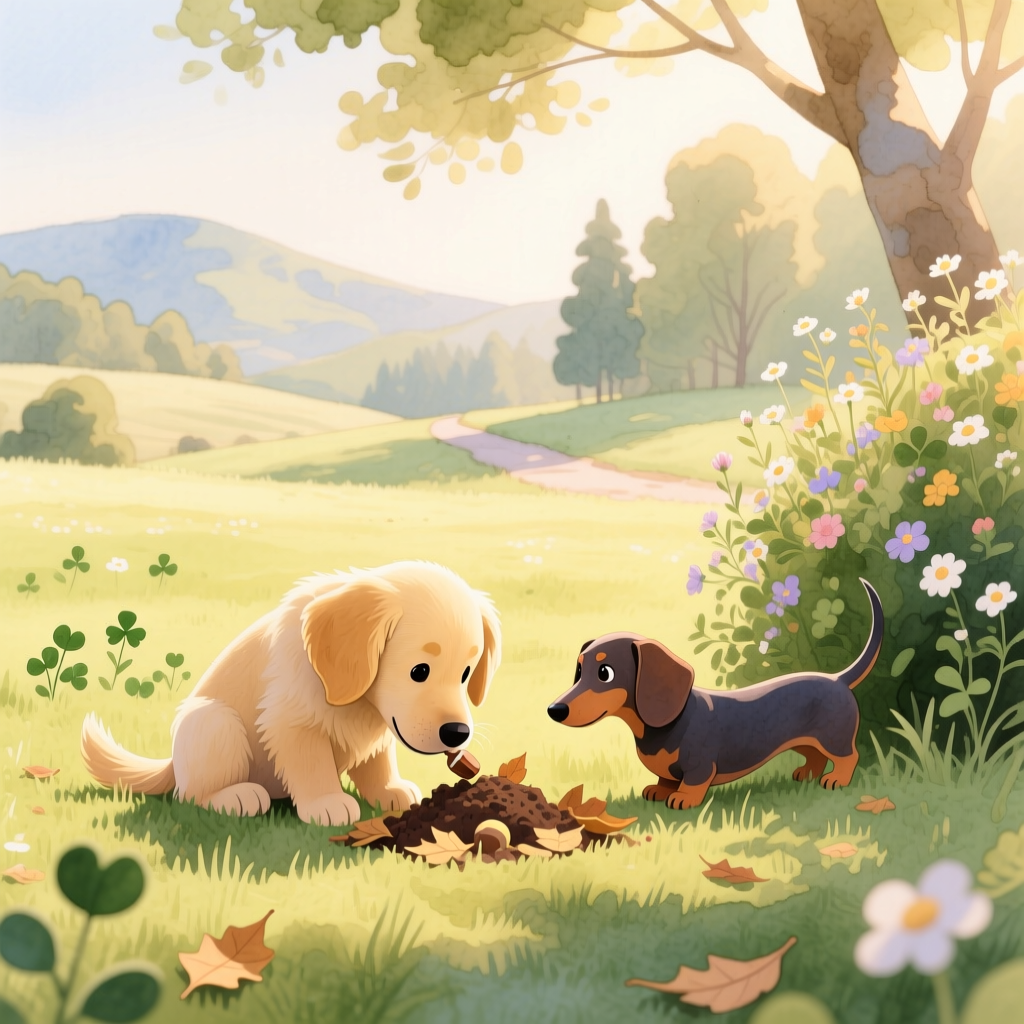
Every dog owner knows the familiar sight of their furry friend stopping mid-walk to intensely sniff a seemingly unremarkable patch of grass. While humans experience the world primarily through sight, dogs experience it through their noses. Scent work and nosework games tap into this natural instinct, providing an incredibly rewarding outlet for your dog's energy. Whether you have a Bloodhound born to track or a Pug who just loves finding snacks, nosework is a universally beneficial activity.
Engaging in beginner scent work is not just about playing games; it is a powerful training tool. It builds confidence in shy dogs, provides an outlet for high-energy breeds, and strengthens the bond between you and your canine companion. In this comprehensive guide, we will explore the science behind your dog's sniffer, outline five fantastic beginner nosework games, and share expert tips to ensure your training sessions are a massive success.
The Science of the Sniff: Why Scent Work is Essential
Before diving into the games, it is helpful to understand why scent work is so profoundly beneficial for dogs. A dog's olfactory system is a marvel of evolutionary engineering. While humans have about six million olfactory receptors, dogs have up to 300 million, depending on the breed. Furthermore, the part of a dog's brain devoted to analyzing smells is proportionally 40 times greater than ours.
When a dog sniffs, they are not just detecting odors; they are gathering complex information about their environment. This intense mental processing is why scent work is so tiring. Fifteen minutes of focused nosework can burn as much mental and physical energy as an hour-long walk. This makes mental stimulation games like nosework an essential part of a balanced training routine, especially for high-drive breeds like the Border Collie or Jack Russell Terrier.
Additionally, scent work is an excellent confidence builder. Because the dog is in control of the search and relies on their own natural abilities, finding the target odor provides a massive dopamine boost. This is particularly useful for nervous or reactive dogs, as it shifts their focus from environmental stressors to a rewarding, predictable task.
Setting the Foundation for Scent Work
Before you start hiding treats around the house, you need to establish a few basic foundations. The goal is to teach your dog that the act of searching yields a reward. We will use positive reinforcement basics to build this drive.
Choosing Your Target Odor
For beginners, the best target odor is high-value food. Freeze-dried liver, boiled chicken, or strong-smelling commercial treats work best. Once your dog masters food searches, you can eventually transition to essential oils like birch, anise, or clove, which are used in competitive nosework. However, for the games outlined below, stick to delicious, aromatic treats.
Introducing the "Find It" Cue
You need a verbal cue that tells your dog it is time to use their nose. The most common cue is "Find it." To introduce this:
- Hold a treat in your hand and let your dog sniff it.
- Toss the treat a few feet away on the floor where your dog can easily see it.
- As the treat leaves your hand, say your cue: "Find it!"
- Let your dog eat the treat and praise them enthusiastically.
- Repeat this process until your dog immediately begins searching the floor the moment they hear the cue.
Once your dog understands that "Find it" means a treat is nearby and they need to use their nose to locate it, you are ready to move on to structured games.
5 Beginner Scent Work Games to Play at Home
Now that the foundation is set, it is time to introduce some structured nosework games. These games range from very easy to moderately challenging, allowing you to progress at your dog's pace.
Game 1: The Muffin Tin Shuffle
This is a perfect introductory game that requires minimal setup and uses items you already have in your kitchen.
What you need: A standard muffin tin, tennis balls (or small dog toys), and high-value treats.
- Place the muffin tin on the floor in front of your dog.
- Let your dog watch as you place a treat into one of the cups.
- Cover all the cups with tennis balls, ensuring the treat is hidden beneath one of them.
- Give your "Find it" cue and encourage your dog to sniff the tin.
- When your dog nudges or paws at the correct cup, remove the ball and let them eat the treat.
Progression: Once your dog masters this, start placing treats in multiple cups, or use a towel to cover the entire tin instead of individual balls to increase the scent discrimination challenge.
Game 2: The Cardboard Box Search
The box search is the foundational exercise for competitive AKC and NACSW scent work. It teaches the dog to search systematically and indicates to the handler where the odor is.
What you need: 5 to 10 identical cardboard boxes (shoe boxes or small shipping boxes work perfectly) and smelly treats.
- Line the boxes up in a row or a semi-circle in a quiet room.
- With your dog watching, drop a treat into one of the boxes.
- Give your "Find it" cue and let your dog investigate.
- When your dog puts their nose into the correct box, mark the behavior with a "Yes!" and immediately reward them by dropping a second treat directly into that box.
Progression: Gradually increase the number of boxes, spread them out around the room, and eventually start hiding the treat while your dog is in another room so they must rely entirely on their nose rather than their eyes.
Game 3: The Classic Shell Game
A canine twist on the classic street hustle, this game is excellent for teaching focus and scent discrimination on a small scale.
What you need: Three identical opaque cups and small, flat treats.
- Sit on the floor with your dog and show them a treat.
- Place the treat on the floor and cover it with one cup while your dog watches.
- Slowly shuffle the cups around. Keep it slow at first so the dog can track the movement visually.
- Give the "Find it" cue.
- When your dog sniffs or paws the correct cup, lift it and reward them.
Progression: Stop letting the dog watch the setup. Place the treat under a cup while the dog is out of the room, then shuffle them before bringing the dog in. This forces them to use their nose instead of their eyes.
Game 4: Indoor Hide-and-Seek
This game combines scent work with obedience and recall, making it a fantastic bonding exercise that also tires out your dog.
What you need: Your dog, a family member or friend to hold the dog, and high-value rewards.
- Have your helper hold your dog in one room or place them in a crate if they are comfortable.
- Go to another room and hide. Start with easy spots (behind a door, under a table) where your scent is somewhat concentrated.
- Call your dog's name once or twice, or have your helper release them with a "Go find!" cue.
- When your dog finds you, throw a massive celebration with treats, praise, and a quick game of tug.
Progression: Hide in more difficult locations, such as inside a closet, behind heavy curtains, or on a different floor of the house. You can also hide your dog's favorite toy instead of yourself.
Game 5: Outdoor Scent Trails
Taking nosework outside introduces environmental distractions and wind currents, mimicking real-world tracking scenarios.
What you need: A long leash, a grassy area, and a highly aromatic treat or a toy rubbed with hot dog juice.
- Secure your dog to a sturdy post or have a helper hold them.
- Walk in a straight line through the grass, dragging the treat or scented toy along the ground to create a scent trail.
- At the end of the trail (start with just 10 to 15 feet), drop the reward or toy in the grass.
- Walk back to your dog, bring them to the start of the trail, and give your "Find it" cue.
- Follow your dog on the long leash, allowing them to track the scent path to the prize.
Progression: Add curves, zig-zags, and obstacles to the trail. Let the trail "age" for 10 to 15 minutes before letting the dog search, which makes the scent fainter and requires more concentration.
Pro Tips for Maximizing Your Scent Work Sessions
To get the most out of your nosework training, keep these expert tips in mind:
- Understand Airflow: Scent moves with the air. If you are hiding a treat near a vent, an open window, or a fan, the scent will travel. Place your hides so the dog has to work into the wind or air current to find the source.
- Keep Sessions Short: Scent work is mentally exhausting. A beginner session should only last 5 to 10 minutes. It is always better to end the game while your dog is still eager to play rather than waiting until they are mentally fatigued and frustrated.
- Let the Dog Win: The goal is to build confidence. If your dog is struggling to find a hide, do not let them fail for too long. Step closer, point to the general area, or make the scent stronger by adding more treats. Always end on a successful find.
- Use a Harness: When doing outdoor trails or intense indoor searches, use a comfortable back-clip harness. This allows your dog to move freely and stretch their neck without the pressure of a collar restricting their airway or movement.
- Celebrate the Find: When your dog locates the target odor, throw a party! Use an enthusiastic voice, offer high-value treats, and engage in play. This builds a strong positive association with the act of searching.
Common Mistakes to Avoid in Nosework
Even well-meaning handlers can accidentally hinder their dog's progress. Avoid these common pitfalls to ensure a smooth training experience:
1. Unintentional Cueing (The Clever Hans Effect)
Dogs are masters at reading human body language. If you stare intently at the box hiding the treat, hold your breath, or lean forward when your dog gets close, they will look at you for confirmation rather than trusting their nose. When your dog is searching, look away, relax your posture, and let them do the work.
2. Rushing the Difficulty
It is tempting to make the game harder once your dog figures out the basics. However, increasing the number of boxes, raising the hide height, or introducing distractions too quickly can lead to frustration. Increase the difficulty in tiny increments. If your dog fails twice in a row, you have made it too hard; go back to an easier level.
3. Using Toxic or Overpowering Scents
When transitioning from food to essential oils, never use oils that are toxic to dogs, such as tea tree, eucalyptus, or citrus. Stick to safe, traditional nosework scents like birch, anise, and clove. Furthermore, a dog's nose is incredibly sensitive; a single drop of essential oil on a cotton swab is more than enough. Do not soak the hide in oil, as it can overwhelm their olfactory system.
4. Environmental Contaminants
Avoid setting up scent work games in areas where you have recently used strong chemical cleaners, air fresheners, or perfumes. These scents can mask the target odor and confuse your dog. Additionally, ensure your hands do not smell like the target treat when you are setting up empty boxes, or your dog will alert to your fingerprints rather than the hidden prize.
5. Repeating the Cue
Saying "Find it, find it, find it, go on, find it" teaches your dog to ignore the initial command. Say the cue once in a clear, upbeat tone, and then remain silent while your dog works.
Frequently Asked Questions (FAQ)
Can senior dogs or dogs with limited mobility do scent work?
Absolutely! Scent work is one of the best activities for senior dogs or those recovering from surgery. Because it relies on brainpower rather than physical exertion, it allows dogs with arthritis or mobility issues to burn energy and stay mentally sharp. You can easily adapt the games by placing hides at nose level or on the floor so the dog does not need to jump or climb.
What is the best scent to use for beginner nosework?
For absolute beginners, highly aromatic food is the best choice. Freeze-dried liver, stinky cheese, or boiled chicken are excellent because the dog already finds them rewarding. Once your dog understands the game mechanics, you can introduce essential oils like sweet birch, anise, or clove, which are the standard odors used in competitive canine scent work organizations.
How long should a scent work training session last?
For beginner dogs, sessions should be kept very short—typically between 5 and 15 minutes. Nosework requires intense concentration and causes rapid mental fatigue. It is much better to do two 5-minute sessions a day than one long 30-minute session that leaves your dog frustrated and exhausted.
Can reactive dogs participate in nosework games?
Yes, nosework is highly recommended for reactive dogs. Because it is typically played in a controlled, familiar environment (like your home or yard), it allows the dog to focus on a rewarding task without the triggers present in public spaces. The confidence gained through nosework often translates to better emotional regulation in other areas of life. For more tips on managing reactivity, check out our guide on leash reactivity.
Do I need professional equipment to start scent work?
Not at all! While competitive nosework utilizes specialized odor vessels, scent cones, and specific essential oils, you can start your dog's journey using everyday household items. Cardboard boxes, muffin tins, plastic cups, and old towels are all you need to create engaging, effective beginner nosework games right in your living room.
Conclusion
Beginner scent work and nosework games are a fantastic way to enrich your dog's life, burn off excess energy, and deepen the bond you share. By tapping into your dog's natural olfactory instincts, you are providing them with a fulfilling job that satisfies their primal urges in a safe, controlled environment. Whether you are playing the shell game in the kitchen or laying a scent trail in the backyard, remember to keep the sessions short, positive, and fun. Grab some smelly treats, set up your cardboard boxes, and watch your dog's confidence soar as they discover the joy of the sniff!
Marcus Aldridge
All our authors care for dogs every day — read more of their work on the authors page.