Best Bark Collar for Large Dogs: Safe, Effective Picks & Training Guide
Find the best bark collar for large dogs with our expert-reviewed picks, safety guidelines, sizing data, and force-free training alternatives for lasting results.

Excessive barking in large breeds — from German Shepherds to Great Danes — often stems from territorial instinct, boredom, or anxiety rather than disobedience. A bark collar is not a magic fix. It works best as a temporary interrupter paired with positive reinforcement training that addresses the root cause. In my years working with dog owners dealing with nuisance barking, the biggest mistake I see is relying on the collar alone without a behavior modification plan.
This guide covers the safest, most effective bark collar options for large dogs in 2026, with real pricing, sizing data, and the force-free alternatives that certified trainers actually recommend long-term.
How Bark Collars Work (and the Types You Should Avoid)
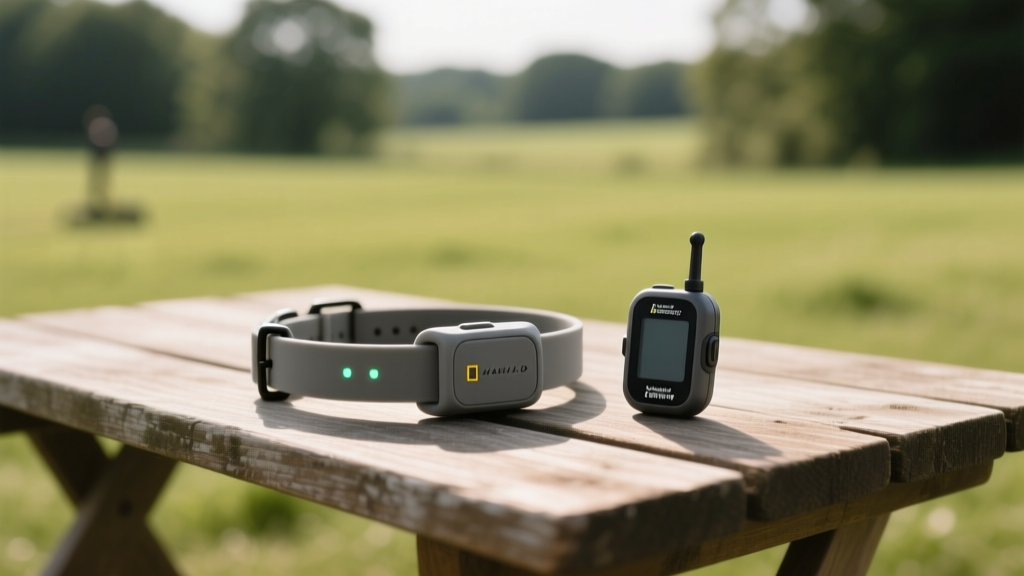
Bark collars detect vocalization through a built-in microphone, vibration sensor, or both. When triggered, they deliver a corrective stimulus intended to interrupt the barking cycle. The mechanism varies significantly by type:
Citronella Spray Collars
A small canister releases a burst of citronella-scented spray near the dog's nose. Dogs find the scent unpleasant, which interrupts the behavior. Studies published in the Journal of Veterinary Behavior found citronella collars reduced barking by an average of 68% in the first two weeks, with fewer stress indicators compared to static correction models.
Vibration Collars
These deliver a pulsing vibration — not a shock — through contact points on the neck. The intensity is adjustable, typically across 7–10 levels. They work well for dogs sensitive to tactile stimuli but may be less effective on thick-coated breeds like Malamutes or Newfoundlands unless contact points are long enough to reach the skin.
Ultrasonic Collars
These emit a high-frequency sound (typically 25–30 kHz) inaudible to most humans but startling to dogs. Effectiveness varies widely — some dogs habituate within days, while others remain responsive. Dogs with age-related hearing loss (common in seniors over 10) may not respond at all.
Static Shock Collars — Why We Don't Recommend Them
Static correction collars deliver an electric stimulus ranging from mild tingling to painful shock. Major veterinary and behavioral organizations, including the American Veterinary Society of Animal Behavior (AVSAB), advise against their use. Documented risks include:
- Increased fear and anxiety, potentially escalating to aggression
- Fallback aggression — the dog associates the pain with a nearby person or animal rather than their own barking
- Skin burns from prolonged contact or malfunction
- Suppression of warning barks, which can mask underlying distress or medical issues
Top 7 Bark Collars for Large Dogs: Detailed Reviews
The following picks are selected based on safety profile, durability for large-breed wear, false-trigger resistance, and real-world performance. All prices reflect typical retail pricing as of early 2026.
1. PetSafe Spray Commander Anti-Bark Collar
Type: Citronella spray | Weight range: 8–150+ lb (3.6–68+ kg) | Neck size: Up to 27 in (69 cm) | Price: $65–$85
The Spray Commander uses a dual-detection system (sound + vibration) that significantly reduces false triggers from other dogs barking nearby. The citronella canister delivers approximately 30–35 sprays before needing a refill. Refill cans cost around $8–$12 and last 2–4 weeks depending on barking frequency.
- AVSAB-aligned correction method
- Reliable false-trigger filtering
- Waterproof (IPX7 rated)
- Battery lasts 40+ hours per charge
- Refill canisters are proprietary (PetSafe brand only)
- Less effective in windy outdoor environments
- Some dogs habituate to the scent after 3–4 weeks
2. DogRook Rechargeable Vibration Bark Collar
Type: Vibration + beep (no shock) | Weight range: 12–110 lb (5.4–50 kg) | Neck size: Up to 22 in (56 cm) | Price: $30–$45
The DogRook collar cycles through 7 vibration intensities with an escalating beep pattern before vibrating. It's a budget-friendly option that avoids shock entirely. The adjustable strap fits most medium-to-large breeds, though giant breeds with necks over 22 inches may need an extender strap (sold separately for ~$8).
- No shock, spray, or chemicals
- Rechargeable battery (14-day standby)
- Under $45 price point
- Lightweight (3.2 oz / 91 g) — comfortable for all-day wear
- Less effective on thick-coated or double-coated breeds
- Max neck size 22 in may not fit giant breeds
- No waterproofing — indoor/dry weather only
3. SportDOG NoBark SBC-R Rechargeable
Type: Vibration + tone (shock-free mode available) | Weight range: 8–150+ lb | Neck size: Up to 28 in (71 cm) | Price: $90–$120
The SportDOG SBC-R features a "Silent Partner" bark detection technology that learns your dog's specific bark pattern, filtering out environmental noise and other dogs with high accuracy. It offers 10 levels of vibration plus tone-only mode. The collar is submersible to 25 feet (IP68), making it ideal for retrievers and water-loving breeds.
- Best-in-class false-trigger filtering
- Fits giant breeds up to 28 in neck
- Submersible (IP68) — swim-safe
- Rechargeable lithium battery, 200-hour standby
- Higher price point ($100+)
- Unit also has static modes — buyer must actively select vibration-only
- Bulky receiver (4.1 oz / 116 g) may bother smaller large-breed dogs
4. PetSafe Ultrasonic Anti-Bark Collar (Model PBC19-16697)
Type: Ultrasonic tone | Weight range: 8–150+ lb | Neck size: Up to 28 in (71 cm) | Price: $40–$55
This collar emits a high-pitched ultrasonic tone when barking is detected. The tone is inaudible to most humans (operating at approximately 25 kHz) and escalates in pitch with continued barking. It's the least invasive option available, though effectiveness is the most variable — roughly 40–50% of dogs respond consistently based on field observations shared by certified trainers.
- Completely pain-free — no physical contact correction
- Fits all large and giant breeds
- Lightweight and unobtrusive
- Replaceable CR2 battery lasts 3–6 months
- Lowest response rate among non-shock options
- Many dogs habituate within 1–2 weeks
- Not effective for dogs with hearing impairment
5. MASBRILL Vibration Bark Collar (2026 Model)
Type: Vibration + beep | Weight range: 15–150 lb (6.8–68 kg) | Neck size: Up to 27 in (69 cm) | Price: $35–$50
The MASBRILL 2026 model features an upgraded sensor chip with a 0.5-second response delay — fast enough to associate the correction with the bark, but slow enough to avoid false triggers from coughing or whining. It includes 5 vibration levels and 3 beep tones, with an auto-shutoff after 7 corrections in 60 seconds to prevent overstimulation.
- Auto-shutoff safety feature
- IPX5 water-resistant (rain-safe)
- Includes long and short silicone contact point covers
- Good value at under $50
- Not submersible — no swimming
- Brand is less established; warranty support may be limited
- Contact points may irritate short-haired breeds on highest setting
6. Garmin BarkLimiter Deluxe
Type: Vibration + tone (autorise mode) | Weight range: All sizes | Neck size: Up to 27 in (69 cm) | Price: $80–$110
Garmin's BarkLimiter uses an accelerometer-based bark detection system rather than a microphone, which eliminates nearly all false triggers from ambient noise. The "autorise" mode starts at the lowest correction level and only escalates if barking continues — preventing over-correction. It's built to Garmin's rugged outdoor standard and pairs with their training ecosystem.
- Accelerometer detection — near-zero false triggers
- Auto-escalation prevents over-correction
- Rugged build quality (hunting/outdoor rated)
- Rechargeable with 3-month battery life
- Also includes static modes — must configure carefully
- Premium price ($100+)
- Limited availability in some retail channels
7. Downtown Pet Supply Citronella Spray Collar
Type: Citronella spray | Weight range: 6–150+ lb | Neck size: Up to 24 in (61 cm) | Price: $25–$40
A budget citronella option with a simpler design than the PetSafe Spray Commander. The microphone-only detection is less precise (more false triggers in multi-dog households), but for single-dog homes it performs adequately. The canister is compatible with standard citronella refill cans, which keeps ongoing costs low.
- Most affordable citronella option
- Uses standard (non-proprietary) refill cans
- Simple one-button operation
- Microphone-only detection = more false triggers
- Not waterproof
- Max neck size 24 in — may not fit giant breeds
Side-by-Side Comparison Table
| Product | Type | Max Neck (in) | Waterproof | False-Trigger Filter | Price Range |
|---|---|---|---|---|---|
| PetSafe Spray Commander | Citronella | 27 | IPX7 ✓ | Dual (sound+vibration) | $65–$85 |
| DogRook Vibration | Vibration | 22 | No ✗ | Sound only | $30–$45 |
| SportDOG NoBark SBC-R | Vibration+Tone | 28 | IP68 ✓ | Silent Partner™ AI | $90–$120 |
| PetSafe Ultrasonic PBC19 | Ultrasonic | 28 | No ✗ | Sound only | $40–$55 |
| MASBRILL Vibration 2026 | Vibration | 27 | IPX5 (rain) | Chip-based delay | $35–$50 |
| Garmin BarkLimiter Deluxe | Vibration+Tone | 27 | IPX7 ✓ | Accelerometer | $80–$110 |
| Downtown Pet Citronella | Citronella | 24 | No ✗ | Sound only | $25–$40 |
How to Use a Bark Collar Safely: Step-by-Step
- Measure your dog's neck. Use a soft measuring tape at the midpoint of the neck (where a collar normally sits). Add 2 inches for comfort. If your measurement exceeds the collar's maximum, choose a different model — a too-tight collar causes skin necrosis within hours.
- Charge or install batteries before first use. A low-battery collar may malfunction, delivering corrections inconsistently or failing to shut off.
- Fit the collar snugly but not tight. You should be able to slide two fingers between the strap and your dog's skin. The receiver box should sit centered under the jaw or on the front of the neck, depending on the model's instructions.
- Start on the LOWEST correction setting. Never begin at maximum intensity. Observe your dog's reaction — a slight head turn or ear flick indicates the stimulus is registering. If there's no reaction after 3–4 barks, increase by one level.
- Limit wear time to 8–12 hours per day. Continuous contact with the receiver and strap causes pressure sores. Set a timer if needed. Remove the collar at night and during crate time.
- Pair with positive reinforcement. When your dog stops barking in response to the collar, immediately reward with a treat and verbal praise ("Good quiet!"). This teaches the dog what you want, not just what you don't want. The AKC recommends combining any interrupter device with reward-based training for lasting results.
- Phase out the collar within 2–4 weeks. Once your dog consistently stops barking after 1–2 corrections, begin using the collar only in high-trigger situations (doorbell, mail carrier). The goal is to remove the collar entirely within a month while maintaining the learned behavior through reinforcement.
- Clean contact points weekly. Wipe silicone or metal contact points with a damp cloth and check the skin underneath for redness or irritation at every removal.
Force-Free Alternatives That Work Long-Term
Certified professional dog trainers (CPDTs) and veterinary behaviorists overwhelmingly prefer addressing excessive barking through behavior modification rather than devices. Here are the most effective alternatives:
Desensitization and Counter-Conditioning
If your dog barks at triggers (doorbell, passing dogs, strangers), systematic desensitization works by exposing them to the trigger at a distance or intensity that doesn't provoke barking, then pairing that exposure with high-value treats. Over days to weeks, you gradually decrease the distance or increase the intensity. This method has documented success rates of 70–85% for trigger-specific barking when applied consistently over 4–8 weeks.
"Quiet" Command Training
Teach your dog to bark on cue ("Speak!"), then teach "Quiet" by saying the word, waiting for a pause in barking, and immediately rewarding. This gives you verbal control without any device. Most dogs learn this within 10–15 short training sessions (5 minutes each).
Environmental Enrichment
A significant portion of nuisance barking in large breeds stems from under-stimulation. Before investing in a collar, evaluate whether your dog is getting:
- 60–90 minutes of physical exercise daily (breed-dependent)
- Mental stimulation: puzzle feeders, scent work, training sessions
- Social interaction: dogs left alone 8+ hours bark significantly more
- Visual barriers: if your dog barks at passersby, close blinds or install privacy fencing
White Noise and Calming Supplements
For anxiety-driven barking (separation anxiety, noise phobia), a white noise machine or calming pheromone diffuser (Adaptil, ~$30–$50 for a starter kit) can reduce overall arousal. L-theanine supplements (e.g., Solliquin, Composure) at veterinary-recommended doses may also help. Always consult your veterinarian before starting any supplement.
Professional Training Sessions
A certified professional dog trainer (CPDT-KA or CPDT-SA credentialed) typically charges $75–$150 per session. For persistent barking issues, 4–6 sessions over 2–3 months often resolve the problem without any collar. Look for trainers certified through the Certification Council for Professional Dog Trainers (CCPDT).
When to Skip the Collar and See Your Veterinarian
- Started barking excessively suddenly (within the past 1–2 weeks) — this could indicate pain, cognitive decline, or a medical issue
- Barks primarily when left alone, with destructive behavior or house-soiling (separation anxiety often requires medication + behavior modification)
- Is a senior dog (over 8 years) with new-onset vocalization — cognitive dysfunction syndrome is a common cause
- Shows any signs of pain when the collar activates (yelping, cowering, attempting to remove it frantically)
- Has a history of aggression — adding an aversive stimulus can escalate aggressive behavior
In these cases, a bark collar may mask symptoms of an underlying condition that requires veterinary diagnosis and treatment. Your veterinarian may recommend a referral to a board-certified veterinary behaviorist (DACVB) for complex cases.
Frequently Asked Questions
What is the best bark collar for large dogs?
For most large dogs, the PetSafe Spray Commander offers the best balance of safety, effectiveness, and value at $65–$85. For giant breeds with necks over 24 inches or dogs that swim, the SportDOG NoBark SBC-R ($90–$120) provides superior fit and waterproofing. However, the "best" collar depends on your dog's specific triggers, coat type, and temperament — and should always be paired with positive reinforcement training.
How do I choose the right bark collar for my large dog?
Measure your dog's neck circumference first — this eliminates half the options immediately. Then consider: Does your dog swim or play in rain? (Need waterproof.) Is your coat thick or double-layered? (Vibration may not penetrate; citronella or ultrasonic may work better.) Do you have multiple dogs? (You need dual-detection to avoid false triggers.) Finally, choose the least aversive correction type that your dog responds to.
How much does a bark collar for large dogs cost?
Expect to spend $25–$120 depending on the type and brand. Citronella collars range from $25–$85 (plus $8–$12 for refill cans). Vibration collars cost $30–$120. Ultrasonic collars run $40–$55. Ongoing costs include replacement batteries ($5–$15 annually) and refill canisters for spray models. Factor in $75–$150 per session if you also work with a professional trainer.
How do I use a bark collar safely on a large dog?
Start on the lowest setting, limit wear to 8–12 hours daily, check the skin under contact points every time you remove it, and always pair corrections with rewards for quiet behavior. Never use a bark collar on puppies under 6 months, anxious dogs, or dogs with neck injuries. Remove it immediately if you see redness, sores, or behavioral changes (increased fear, hiding, aggression).
Are there natural alternatives to bark collars?
Yes — and they're often more effective long-term. Desensitization training, the "Quiet" command, increased exercise and mental stimulation, white noise machines, calming pheromone diffusers (Adaptil), and L-theanine supplements all address barking without devices. A certified professional dog trainer can build a customized behavior modification plan, typically resolving nuisance barking within 4–8 weeks.
When should I skip OTC products and see a vet?
Consult your veterinarian before using any bark collar if your dog's excessive barking started suddenly, is accompanied by other behavioral changes, occurs primarily when left alone (possible separation anxiety), or if your dog is a senior with new vocalization patterns. Sudden behavioral changes often signal medical conditions — pain, thyroid dysfunction, cognitive decline, or sensory loss — that no collar will fix.
Do bark collars work on all large dog breeds?
No. Effectiveness varies by breed temperament, coat type, and the underlying reason for barking. Independent breeds like Livestock Guardian Dogs (Great Pyrenees, Anatolian Shepherds) may be less responsive to interrupter stimuli because their barking is deeply instinctive. Double-coated breeds may not feel vibration through their fur. And anxiety-driven barking often worsens with any corrective device because the underlying stress remains unaddressed.
Can I use a bark collar on a puppy?
No. Bark collars should not be used on dogs under 6 months of age. Puppies are still developing physically and behaviorally, and corrective devices can create lasting fear associations. Puppy barking is best managed through socialization, positive reinforcement training, and meeting their exercise and enrichment needs.
Disclaimer: This article provides educational information and product guidance. It is not a substitute for professional veterinary or behavioral advice. Always consult your veterinarian before using any training device, especially if your dog has health conditions or behavioral concerns. Product prices and availability reflect information current as of early 2026 and may vary by retailer.
Anouk Beaumont
All our authors care for dogs every day — read more of their work on the authors page.