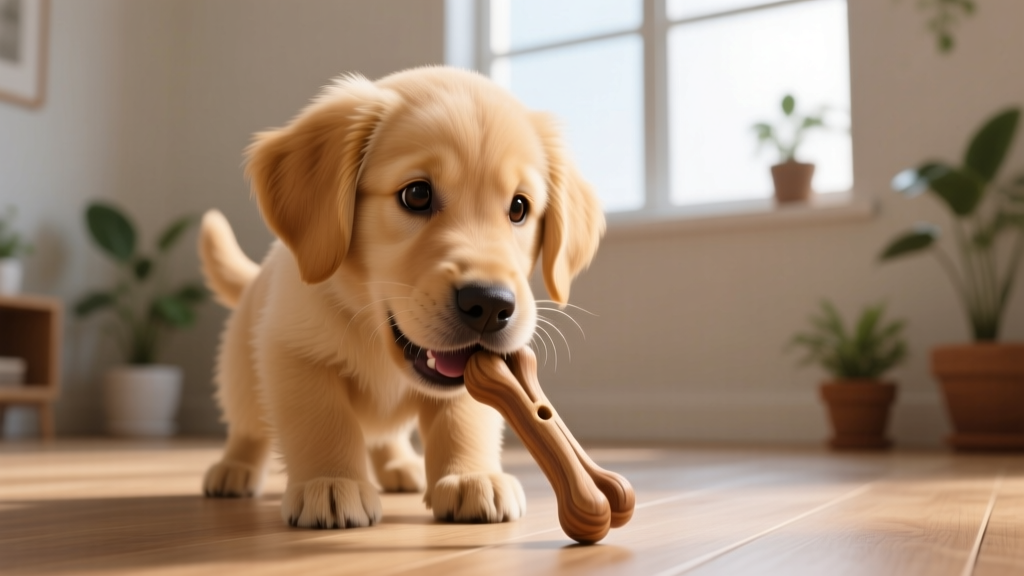
Why Does My Puppy Have Hiccups? Causes, Remedies & Full
Why does my puppy have hiccups? Learn the science behind puppy hiccups, when to worry, plus a complete age-by-age feeding, training, and health timeline.

Why Does My Puppy Have Hiccups — And Should You Worry?
You're sitting on the couch with your new puppy when suddenly their tiny body starts jerking rhythmically. Their chest hitches, their shoulders bounce, and you hear a soft hic-hic-hic. For first-time puppy owners, this can be alarming. But here's the reassuring truth: puppy hiccups are almost always harmless, incredibly common, and usually resolve on their own within minutes.
Understanding why does my puppy have hiccups requires looking at both the physiology and the everyday triggers that set them off. Let's break down the science, then move into the broader puppy care timeline you need to raise a healthy, well-adjusted dog.
The Physiology Behind Puppy Hiccups
Hiccups occur when the phrenic nerve — which controls the diaphragm — fires involuntarily. Each spasm causes a sudden intake of breath that is cut short by the glottis (the opening between the vocal cords) snapping shut, producing the characteristic "hic" sound. According to the Merck Veterinary Manual, diaphragmatic spasms in young animals are typically benign and self-limiting.
Puppies experience hiccups more frequently than adult dogs for several reasons:
- Immature neuromuscular development: The phrenic nerve and diaphragm are still maturing. Misfires are common until approximately 4-6 months of age.
- Rapid eating and drinking: Puppies tend to gulp food and water, swallowing air (aerophagia) that distends the stomach and irritates the diaphragm.
- High excitement levels: Play sessions, greeting owners, and novel stimuli trigger rapid breathing patterns that can initiate hiccups.
- Small body size: A puppy's stomach sits close to the diaphragm, so even mild gastric distension can cause irritation.
Common Triggers That Cause Puppy Hiccups
| Trigger | Why It Causes Hiccups | Prevention Strategy |
|---|---|---|
| Eating too fast | Swallowed air distends stomach against diaphragm | Use a slow-feeder bowl (e.g., Outward Hound Fun Feeder) or scatter kibble on a snuffle mat |
| Excited play | Rapid panting and irregular breathing patterns | Build calm-down breaks into play sessions every 5-10 minutes |
| Cold temperatures | Cold air can stimulate the phrenic nerve | Keep ambient temperature 68-72°F (20-22°C) for young puppies |
| Drinking large volumes of water quickly | Gastric distension presses on diaphragm | Offer smaller, more frequent water breaks; use a lick mat with frozen water |
| Stress or anxiety | Altered breathing patterns and nervous swallowing | Use counter-conditioning for stressors; provide a safe crate space |
Safe Remedies to Stop Puppy Hiccups
Most hiccup episodes last 2-10 minutes and resolve without intervention. If your puppy seems uncomfortable, try these evidence-informed approaches:
- Gentle chest massage: Place your puppy on their side and apply light, circular pressure to the chest wall. This can help relax the diaphragm.
- Encourage slow licking: Offer a small amount of peanut butter (xylitol-free — always check the label) on a lick mat. The rhythmic licking motion helps regulate breathing.
- Change their position: Gently encourage your puppy to stand up and take a few steps. A brief walk can reset the diaphragm's rhythm.
- Offer a small sip of lukewarm water: Slow, controlled swallowing can interrupt the spasm cycle.
Bringing Your Puppy Home: Age-Specific Milestones (Weeks 4–12 Months)
Whether you're researching hiccups because you just brought home a new puppy or you're preparing for an upcoming adoption, understanding what's normal at each developmental stage helps you distinguish harmless quirks from genuine concerns.
When Should I Bring My Puppy Home?
The American Kennel Club and the AVMA both recommend that puppies remain with their mother and littermates until a minimum of 8 weeks of age. Many responsible breeders of smaller breeds (Chihuahuas, Yorkshire Terriers, Pomeranians) keep puppies until 10-12 weeks because toy breeds mature more slowly and benefit from additional socialization within the litter.
Weeks 4–8 (Breeder/Foster Care): Weaning transitions from mother's milk to softened kibble. Primary socialization period begins. Puppies learn bite inhibition from littermates. Eyes and ears fully functional. Hiccups are extremely common during this stage due to dietary transitions and rapid growth.
Weeks 8–12 (Home Transition): Critical fear imprint period (8-11 weeks). Puppy bonds with new family. Begin crate training, name recognition, and basic handling. Schedule first veterinary visit within 48 hours of homecoming. Expect 2-4 hiccup episodes per day — completely normal.
Weeks 12–16 (Foundation Training): Attention span increases to 5-10 minutes. Begin structured positive reinforcement training sessions. Puppy can hold bladder approximately 1 hour per month of age plus 1 (so a 3-month-old = ~4 hours max, but take them out far more frequently). Hiccup frequency typically decreases.
Weeks 16–24 (Adolescence Begins): Second fear period may emerge around 16-20 weeks. Teething starts. Energy levels increase significantly. Begin leash walking in low-distraction environments. Hiccups should become rare by this stage.
Months 6–12 (Full Adolescence): Sexual maturity (if not spayed/neutered). Testing boundaries. Regression in training is normal — stay consistent. Most puppies are reliably house-trained by 6-8 months. Hiccups in this stage are occasional and brief.
Feeding Schedule: Exact Portions by Age and Weight
Proper feeding directly connects to the hiccup question — puppies that eat too quickly or too much at once are more likely to experience diaphragmatic spasms. Here's a precise feeding framework based on age and expected adult weight.
How Often Should I Feed My Puppy at Each Age?
| Age | Meals Per Day | Small Breed (10-25 lb adult) | Medium Breed (25-50 lb adult) | Large Breed (50-100 lb adult) |
|---|---|---|---|---|
| 8–12 weeks | 4 meals/day | ¼ – ½ cup per meal | ½ – ¾ cup per meal | ¾ – 1¼ cups per meal |
| 12–16 weeks | 3 meals/day | ⅓ – ⅔ cup per meal | ¾ – 1 cup per meal | 1 – 1½ cups per meal |
| 4–6 months | 3 meals/day | ½ – ¾ cup per meal | 1 – 1½ cups per meal | 1½ – 2½ cups per meal |
| 6–12 months | 2 meals/day | ¾ – 1 cup per meal | 1½ – 2 cups per meal | 2 – 3½ cups per meal |
Note: Cup measurements assume a standard kibble providing approximately 350-400 kcal/cup. Always check your specific food's feeding guide and adjust based on your puppy's body condition score (BCS). You should be able to feel ribs without pressing hard but not see them prominently. Large breed puppies should be fed a food labeled for large breed growth to control calcium and calorie intake, reducing hip dysplasia risk.
Anti-hiccup feeding tip: Divide each meal into two portions. Feed the first half, wait 2 minutes, then offer the second half. This reduces air swallowing and gastric distension. For chronic fast eaters, invest in a slow-feeder bowl ($8-$15) or place a clean tennis ball in the food bowl to force slower eating.
Vaccination Schedule: Core and Non-Core Vaccines by Week
What Vaccines Does My Puppy Need and When?
Your puppy receives maternal antibodies through colostrum (first milk) that protect them in early weeks but also interfere with vaccine effectiveness. This is why vaccines are given in a series — each dose catches the immune system as maternal antibodies wane. The AVMA recommends the following core vaccination schedule:
| Age | Vaccine | What It Protects Against | Estimated Cost |
|---|---|---|---|
| 6–8 weeks | DHPP (1st dose) | Distemper, Hepatitis (Adenovirus-2), Parainfluenza, Parvovirus | $20–$40 |
| 10–12 weeks | DHPP (2nd dose) + Bordetella | Above + Kennel Cough (Bordetella bronchiseptica) | $35–$60 |
| 14–16 weeks | DHPP (3rd dose) + Rabies | Above + Rabies virus (required by law in most US states) | $40–$75 |
| 12–16 months | DHPP booster + Rabies booster | Long-term immunity establishment | $50–$90 |
Non-core vaccines your vet may recommend based on lifestyle: Leptospirosis (dogs exposed to wildlife/standing water), Lyme disease (tick-endemic areas), and Canine Influenza H3N2/H3N8 (dogs in boarding/daycare settings). Expect $25-$45 per non-core vaccine.
Deworming: Puppies should be dewormed at 2, 4, 6, and 8 weeks (typically handled by the breeder), then monthly heartworm prevention beginning at 8 weeks. Products like Heartgard Plus ($45-$65 for 6 months) or Interceptor Plus ($55-$80 for 6 months) protect against heartworm and intestinal parasites simultaneously.
The Critical Socialization Window: Weeks 3–14
Decades of canine behavioral research — including landmark studies by veterinary behaviorists — confirm that the primary socialization period closes between 12-14 weeks. Puppies not exposed to diverse stimuli during this window are significantly more likely to develop fear-based behavioral problems later. According to the AKC, behavioral issues — not infectious disease — are the leading cause of death in dogs under 3 years of age.
When Can My Puppy Go Outside and Meet Other Dogs?
The old advice was to keep puppies isolated until fully vaccinated. The current veterinary consensus, endorsed by the AVMA, is that the benefits of early socialization outweigh the disease risks when managed carefully. Your puppy can begin controlled socialization 7 days after their first DHPP vaccine (typically around 9-10 weeks), provided you:
- Avoid dog parks and areas with unknown vaccination histories
- Socialize only with known, vaccinated, healthy dogs
- Carry your puppy or use a stroller in public areas until fully vaccinated at 16 weeks
- Avoid areas where parvovirus risk is high (pet store floors, high-traffic dog areas)
Surfaces: Grass, gravel, tile, hardwood, carpet, metal grates, wet pavement, sand
People: Children (supervised), elderly individuals, people wearing hats/sunglasses/masks, people using wheelchairs or crutches, people of various heights and builds
Sounds: Vacuum cleaner, thunderstorms (play recordings at low volume), traffic, doorbells, fireworks (low volume), clapping, music
Objects: Umbrellas opening, plastic bags rustling, bicycles, skateboards, brooms, balloons (supervised)
Experiences: Car rides (start with 2-minute trips), being handled (paws, ears, mouth, tail), nail trimming practice, crate entry/exit, being left alone for 5-15 minute intervals
Other animals: Vaccinated adult dogs (1-on-1 playdates), cats (controlled introductions), livestock if accessible (from a safe distance)
Aim for 5-10 new positive experiences per day. Pair every novel stimulus with high-value treats (small pieces of boiled chicken, cheese, or commercial training treats). If your puppy shows fear, increase distance from the stimulus and let them approach at their own pace — never force exposure.
Potty Training Timeline: Realistic Expectations by Age
When Will My Puppy Be Fully Potty Trained?
Let's set honest expectations: most puppies achieve reliable house training between 4-6 months of age, with some smaller breeds taking up to 8-10 months due to smaller bladder capacity and higher metabolic rates. Any program promising a puppy is "trained in 3 days" is misleading.
| Age | Max Bladder Hold Time | Outing Frequency | What to Expect |
|---|---|---|---|
| 8–10 weeks | 30–60 minutes | Every 30-45 min while awake; every 2 hours overnight | 2-4 accidents per day is normal. Focus on preventing accidents, not correcting them. |
| 10–14 weeks | 1–2 hours | Every 45-60 min while awake; 1-2 overnight trips | Puppy begins signaling (circling, sniffing, going to door). Reward heavily for outdoor elimination. |
| 3–4 months | 2–4 hours | Every 1-2 hours; overnight stretch of 5-6 hours possible | Accidents become less frequent (0-1 per day). Continue consistent schedule. |
| 4–6 months | 4–6 hours | Every 2-4 hours; full overnight sleep (7-8 hours) | Most puppies are reliable with a consistent schedule. Occasional regression is normal. |
| 6–12 months | 6–8 hours | 3-5 times daily | Reliably house-trained. Intact males may begin marking — spay/neuter reduces this behavior. |
Potty training troubleshooting:
- Regression at 4-5 months? Often coincides with teething stress or a developmental fear period. Return to a more frequent outing schedule temporarily.
- Submissive urination? Common in puppies under 1 year. Don't punish — greet your puppy calmly at their level, avoid looming over them, and take them outside immediately after greetings.
- Nighttime accidents? Remove water 2 hours before bedtime. Set a phone alarm for one overnight outing at 2-3 AM during the first 2 weeks home.
Crate Training Progression: Time Limits by Age
A crate is one of the most effective tools for potty training and providing your puppy a safe den — but it must be introduced gradually and never used as punishment. The general guideline for maximum crate time is:
Age in months + 1 = maximum hours in crate
| Puppy Age | Max Daytime Crate Time | Max Nighttime Crate Time | Training Focus |
|---|---|---|---|
| 8–10 weeks | 30–60 minutes | 2–3 hours (with potty break) | Build positive association. Feed meals in crate. Toss treats inside. Practice with door open. |
| 10–14 weeks | 1–2 hours | 4–5 hours (with potty break) | Close door for short intervals while you're home. Provide a frozen Kong stuffed with puppy-safe peanut butter. |
| 3–4 months | 2–3 hours | 5–6 hours | Begin leaving room while puppy is crated. Practice departures of 5-15 minutes. |
| 4–6 months | 3–4 hours | 7–8 hours | Puppy should enter crate voluntarily. Whining should decrease. Continue enrichment toys. |
Crate sizing: Choose a crate that allows your puppy to stand, turn around, and lie down comfortably — but not so large they can eliminate in one corner and sleep in another. For growing puppies, buy a crate with a divider panel (MidWest Homes iCrate with Divider, $35-$55 for medium sizes) and expand the space as they grow.
Teething Timeline: Months 3–6
Puppies have 28 deciduous (baby) teeth that begin erupting at 3-4 weeks and are fully in place by 6-8 weeks. The transition to 42 adult teeth follows this pattern:
- 3–4 months: Incisors (front teeth) fall out first. You may find tiny teeth on the floor or notice your puppy chewing more intensely.
- 4–5 months: Canines (fangs) are replaced. This is peak chewing intensity — puppy will seek relief on furniture, shoes, and hands.
- 5–6 months: Premolars and molars erupt. By 7 months, all 42 adult teeth should be in place.
Safe teething relief strategies:
- Frozen wet washcloth (twist, soak in water, freeze for 2 hours — supervise to prevent swallowing fabric)
- Benebone Puppy Wishbone ($12-$16) — designed for puppies under 30 lb with softer nylon
- KONG Puppy Teething Stick ($7-$10) — ridges massage gums, can be stuffed with soft food
- Frozen carrot sticks (large enough to not be a choking hazard — supervise)
- Nylabone Puppy Chew ($5-$8) — specifically the puppy-formulated softer version
Common Puppy Problems: Biting, Whining, and Chewing
How Do I Stop Puppy Biting and Nipping?
Puppy biting (mouthing) is completely normal — puppies explore the world with their mouths and are learning bite inhibition. It peaks between 8-16 weeks and typically diminishes by 5-6 months. Here's how to manage it using positive reinforcement methods:
- Redirect to appropriate chew items: When puppy mouths your hand, immediately offer a toy. Praise when they bite the toy instead.
- Use the "ouch" technique: When teeth touch skin, let out a high-pitched "Ouch!" and go limp/stop moving for 10-15 seconds. This mimics how littermates communicate. Resume play when puppy is calm.
- Time-outs (not punishment): If biting continues after two redirects, calmly place puppy in their crate or a playpen for 30-60 seconds with a chew toy. This teaches that biting ends fun — not that the crate is bad.
- Manage excitement levels: Most biting escalates during overstimulated play. Watch for signs (zoomies, inability to settle, intense mouthing) and initiate a calm-down period before biting starts.
Whining solutions: Crate whining in the first 2 weeks home is normal — your puppy is adjusting to separation. Place the crate near your bed initially, gradually move it to the desired location over 1-2 weeks. Never let puppy out while actively whining (this reinforces the behavior). Wait for 3-5 seconds of silence, then open the door. For persistent whining, ensure exercise, mental stimulation, and potty needs are met before crating.
Destructive chewing: Puppies chew most intensely during teething (3-6 months) but continue exploratory chewing through adolescence. Management is key: puppy-proof your home by removing accessible items, provide 5-8 appropriate chew options rotated weekly to maintain novelty, and supervise or confine when you cannot watch them closely.
First-Year Cost Breakdown: Budgeting for Your Puppy
New puppy owners are often surprised by the true cost of the first year. Here's a realistic breakdown based on 2026 pricing data from veterinary clinics across the US:
| Category | Low Estimate | Medium Estimate | High Estimate |
|---|---|---|---|
| Puppy purchase/adoption | $200 (rescue) | $1,500 (responsible breeder) | $3,500+ (specialty breed) |
| Initial vet visits + vaccines | $200 | $400 | $650 |
| Spay/neuter | $200 | $500 | $800 |
| Food (12 months) | $300 | $600 | $1,000 |
| Heartworm/flea/tick prevention | $150 | $300 | $500 |
| Supplies (crate, bed, bowls, leash, collar, toys) | $150 | $350 | $600 |
| Training classes (group) | $100 | $250 | $600 (private) |
| Pet insurance (annual premium) | $300 | $600 | $900 |
| TOTAL First Year | $1,600 | $4,500 | $8,550+ |
Budget tip: Pet insurance purchased during puppyhood (before any conditions develop) locks in lower premiums and covers unexpected emergencies. A puppy swallowing a sock could mean a $3,000-$7,000 surgical bill. Companies like Trupanion, Healthy Paws, and Lemonade offer puppy-specific plans starting at $25-$75/month depending on breed and deductible.
Frequently Asked Questions About Puppy Hiccups and Early Care
Can puppy hiccups be a sign of illness?
In the vast majority of cases, no. Puppy hiccups are a normal physiological response. However, if hiccups are accompanied by coughing, gagging, regurgitation, difficulty breathing, or lethargy, they could indicate a condition such as gastroesophageal reflux, a respiratory infection, or (rarely) a congenital issue like a peritoneopericardial diaphragmatic hernia. If you notice any of these additional symptoms, consult your veterinarian promptly.
My puppy gets hiccups after every meal — is that normal?
Yes, this is very common and relates to rapid eating and air swallowing. Try these adjustments: switch to a slow-feeder bowl, moisten kibble with warm water to slow consumption, feed smaller portions more frequently (4 meals instead of 3), and avoid vigorous play for 15-20 minutes after eating. If hiccups persist beyond 15-20 minutes after every meal despite these changes, mention it at your next vet visit.
Should I wake my sleeping puppy if they have hiccups?
No. Puppies frequently get hiccups during sleep, especially during REM sleep phases when their breathing pattern changes. The hiccups will not harm them and will typically resolve within a few minutes. Let them sleep — interrupted sleep can affect their development and immune function.
How long is too long for puppy hiccups to last?
Typical episodes last 2-10 minutes. Episodes lasting 30-60 minutes are unusual but not necessarily concerning if your puppy is otherwise acting normally. Hiccups persisting beyond 2 hours warrant a call to your veterinarian, especially if this is a new pattern or accompanied by any other symptoms.
Do certain breeds get hiccups more often?
Brachycephalic breeds (French Bulldogs, Pugs, Boston Terriers, Bulldogs) may experience hiccups more frequently due to their altered airway anatomy and tendency toward aerophagia. Small and toy breed puppies are also more prone simply because their diaphragm-to-stomach ratio makes gastric distension more likely to trigger spasms. There is no published breed-prevalence data specific to canine hiccups, but veterinary clinical observation supports these patterns.
When should I start formal puppy training classes?
The AKC and AVMA recommend starting puppy socialization classes as early as 7-10 days after the first DHPP vaccine (typically around 9-10 weeks of age). Look for classes that require proof of vaccination for all attendees, use positive reinforcement methods exclusively, and limit class size to 6-8 puppies. Expect to pay $120-$250 for a 6-8 week group class series.
Dr. Hannah Wickes
All our authors care for dogs every day — read more of their work on the authors page.