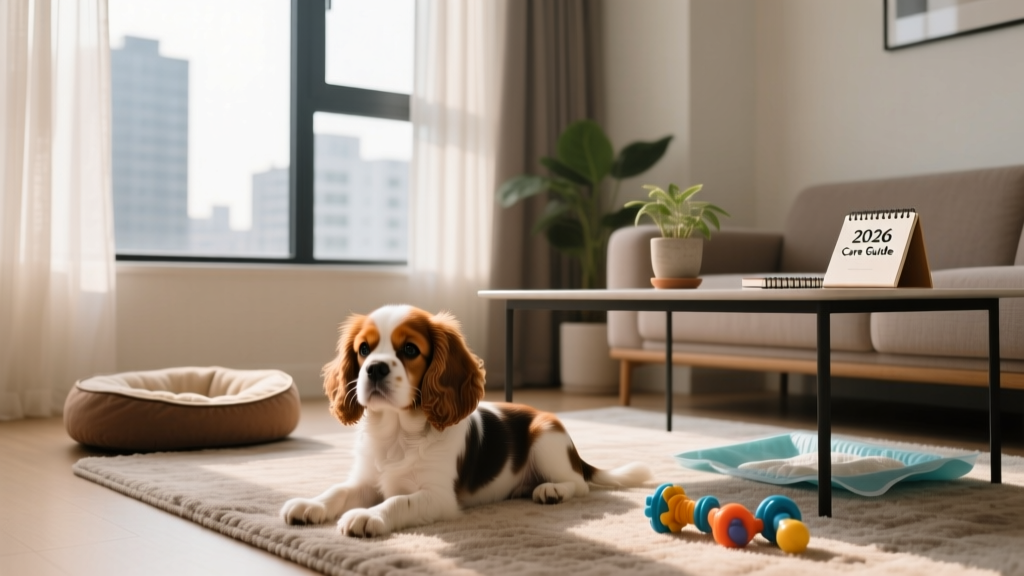
White Labrador Retriever Puppies: Complete Care Guide for the First Year
Everything you need to raise white Labrador retriever puppies: age milestones, feeding schedules, vaccination timelines, potty training, costs, and socialization tips.

Bringing Home White Labrador Retriever Puppies: What to Expect
White Labrador retriever puppies — often called English Labs or show-type Labs — are the stockier, calmer cousins of the American field-line Labs. Bred primarily for conformation and companionship rather than fieldwork, these dogs typically mature into gentle, biddable adults weighing 55–70 lb (25–32 kg) for females and 65–80 lb (29–36 kg) for males, per the AKC breed standard. Their pale cream-to-ivory coats distinguish them visually, but their developmental needs mirror all Labrador retrievers: high socialization requirements, deliberate feeding management to prevent rapid growth, and early training to channel their legendary mouthiness into appropriate behaviors.
If you're preparing to bring home white Labrador retriever puppies, this guide walks you through every developmental stage from week 4 through month 12, with exact feeding amounts, vaccination dates, potty training expectations, and first-year cost projections.
Responsible breeders keep white Labrador retriever puppies until at least 8 weeks of age. Many English Lab breeders prefer 9–10 weeks, as the extra week with littermates improves bite inhibition and emotional regulation. Never accept a puppy younger than 8 weeks — the AVMA supports 8 weeks as the minimum separation age for puppy welfare.
Age-Specific Milestones for White Labrador Retriever Puppies
Labrador retrievers follow a predictable developmental arc, but white (English-type) Labs tend to mature slightly slower in temperament than their American counterparts. Here's what to expect at each stage.
Weeks 4–8: The Litter Phase (With Breeder)
- Physical: Baby teeth fully erupted; eyes and ears fully functional; coordination improving rapidly
- Behavioral: Littermate play teaches bite inhibition; puppies begin learning recall from human voices
- Weight: Expect roughly 1 lb per week of age (a 6-week-old Lab puppy weighs approximately 6–8 lb / 2.7–3.6 kg)
- What you can do: Visit the litter if possible; handle puppies daily from week 6 onward to build human familiarity
Weeks 8–12: The Homecoming Window
- Physical: Weighing 15–20 lb (6.8–9 kg); sleeping 18–20 hours per day; bladder capacity roughly 1 hour per month of age
- Behavioral: Peak fear imprint period (8–11 weeks) — traumatic experiences can create lasting phobias; intense curiosity and exploration
- Training: Begin name recognition, sit, and crate introduction; keep sessions under 5 minutes
- Key risk: Parvovirus vulnerability is highest during this window — no public dog areas until vaccinated
Weeks 12–16: Confidence Building
- Physical: Weighing 25–35 lb (11–16 kg); adult teeth begin loosening baby teeth around week 14–16
- Behavioral: First fear period typically ends; secondary fear period may begin around 14–16 weeks; testing boundaries with family members
- Training: Introduce leash walking, down, stay (2–3 second duration), and recall in low-distraction environments
- Socialization: Critical window closing — maximize novel experiences before week 14
Weeks 16–24: The Adolescent Transition
- Physical: Weighing 35–55 lb (16–25 kg); rapid skeletal growth; adult teeth fully in by 6 months
- Behavioral: Teething intensity peaks (chewing everything); independence increases; may "forget" trained cues temporarily
- Training: Increase duration and distance on known cues; begin structured impulse control games
- Health: Spay/neuter typically scheduled around 6 months (your veterinarian will advise based on individual development)
Months 6–12: Young Adulthood
- Physical: Approaching adult weight (55–80 lb / 25–36 kg depending on sex and line); growth plates closing around 12–18 months
- Behavioral: Energy remains high but focus improves; English-type Labs typically begin calming noticeably around 18–24 months
- Training: Ready for advanced obedience, introduction to dog sports (rally, scent work), and off-leash reliability work
- Nutrition: Transition from puppy to adult formula around 12 months
Feeding Schedule for White Labrador Retriever Puppies
Labrador retrievers are genetically predisposed to obesity — a documented concern linked to a POMC gene mutation common in the breed. Controlled feeding from puppyhood is essential. Use a large-breed puppy formula (AAFCO-approved for growth/large breed) to support steady skeletal development without excess caloric intake that stresses growing joints.
| Age | Weight Range | Meals/Day | Approximate Daily Amount (Large-Breed Puppy Kibble) |
|---|---|---|---|
| 8–12 weeks | 15–20 lb (6.8–9 kg) | 3–4 | 1.5–2 cups (divided across meals) |
| 3–4 months | 25–35 lb (11–16 kg) | 3 | 2–2.75 cups |
| 4–6 months | 35–50 lb (16–23 kg) | 2–3 | 2.75–3.5 cups |
| 6–9 months | 50–65 lb (23–29 kg) | 2 | 3–4 cups |
| 9–12 months | 60–75 lb (27–34 kg) | 2 | 3.5–4.5 cups |
Important feeding rules for Labs:
- Measure with a standard 8 oz measuring cup — don't estimate by eye
- Adjust based on body condition score (BCS): you should feel ribs easily without pressing, and see a visible waist from above
- Reduce portions by 10–15% if your puppy appears stocky with no waist definition
- Remove uneaten food after 15–20 minutes to establish meal routines
- Transition to adult large-breed formula at 12 months (not earlier — growth plates need puppy-formula nutrition)
- Never free-feed a Labrador retriever of any age
Vaccination Schedule and Outdoor Access
Your puppy's vaccination protocol protects against life-threatening diseases during their most vulnerable months. The AVMA core vaccine guidelines for puppies are as follows:
| Age | Vaccines Administered | Notes |
|---|---|---|
| 6–8 weeks | DHPP (Distemper, Hepatitis, Parainfluenza, Parvovirus) — 1st dose | Often given by breeder before pickup |
| 10–12 weeks | DHPP — 2nd dose; Bordetella (optional, recommended if attending puppy classes) | Still not fully protected; avoid dog parks |
| 14–16 weeks | DHPP — 3rd dose; Rabies (required by law in most US states) | Full DHPP protection achieved ~2 weeks after this dose |
| 12–16 months | DHPP booster; Rabies booster | Then every 1–3 years per your vet's protocol |
Your white Labrador retriever puppy can explore your private yard immediately. However, avoid public areas where unknown dogs have been (dog parks, pet store floors, rest stop grass) until 2 weeks after the final DHPP dose at 14–16 weeks — typically around 18 weeks of age. Puppy socialization classes that require proof of initial vaccinations and sanitize floors are generally safe from 10 weeks onward, per the AVMA's position on early socialization. Carry your puppy in a sling or blanket for outdoor exposure to novel sights and sounds during the protected window.
Socialization Window: Weeks 3–14
The primary socialization period for puppies closes around 12–14 weeks. This is the single most impactful developmental window for your white Labrador retriever puppy's lifelong temperament. English-type Labs are naturally sociable, but under-socialized puppies of any line can develop fear-based reactivity.
Socialization exposure checklist (aim for positive, brief encounters — never force interactions):
Rule of thumb: Pair every novel experience with high-value treats (boiled chicken, cheese). If your puppy shows fear, increase distance and reduce intensity — never push a fearful puppy closer to a scary stimulus. The goal is positive association, not exposure at all costs.
Potty Training Timeline and Troubleshooting
When will my puppy be fully potty trained? Most white Labrador retriever puppies achieve reliable house training between 4–6 months of age, with occasional accidents possible through 8–9 months. Labs are generally quick learners due to their food motivation and eagerness to please, but consistency matters more than breed aptitude.
Bladder capacity by age:
- 8–10 weeks: 1–1.5 hours maximum between outings
- 3 months: 2–3 hours
- 4 months: 3–4 hours
- 6 months: 5–6 hours
- Adult: 8+ hours (but still offer regular opportunities)
Potty training protocol:
- Take puppy to the same outdoor spot immediately after waking, eating, drinking, playing, and crate release
- Use a consistent cue word ("go potty") while they eliminate
- Reward with a high-value treat within 2 seconds of completion — not after coming back inside
- Supervise 100% when loose indoors; use a crate or exercise pen when you cannot watch
- Clean accidents with enzymatic cleaner (Nature's Miracle or Rocco & Roxie) — ammonia-based cleaners attract repeat elimination
| Time | Activity | Outcome | Notes |
|---|---|---|---|
| 7:00 AM | Crate release → outside | ✅ Urinated + defecated | Cue word used, treat given |
| 9:30 AM | Post-play → outside | ✅ Urinated | Short session |
| 12:00 PM | Post-meal → outside | ✅ Both | Longer session, good reward |
| 3:15 PM | Accident in kitchen | ❌ Urinated indoors | Missed signal — set timer for next time |
Common troubleshooting:
- Puppy eliminates in crate: Crate may be too large (use a divider); puppy may have a UTI (see your vet); or you're exceeding bladder capacity time limits
- Puppy won't go outside: Surface aversion is common — try different textures; fear of outdoor sounds — carry puppy to quiet spot initially
- Regression at 4–6 months: Normal during teething and developmental leaps; return to stricter supervision and more frequent outings
Crate Training Progression
Labrador retrievers generally accept crate training well when introduced gradually. The crate becomes their den — never use it as punishment.
Maximum crate time by age (while awake and crated during the day):
- 8–10 weeks: 30–60 minutes maximum
- 11–14 weeks: 1–2 hours
- 3–4 months: 2–3 hours
- 5–6 months: 3–4 hours
- 6+ months: 4–5 hours (with exercise before and after)
Nighttime crating: Expect 1–2 overnight potty breaks at 8–10 weeks. Place the crate near your bedroom initially so your puppy can whine to alert you. Gradually move the crate to its permanent location over 2–3 weeks.
Crate size for a growing Lab: Purchase a 42-inch wire crate with a divider panel (Midwest iCrate or Frisco double-door models, $55–$85). Adjust the divider as your puppy grows — they should be able to stand, turn around, and lie down comfortably, but not have excess room to eliminate in one corner and sleep in another.
Teething Timeline and Relief Strategies
White Labrador retriever puppies are notoriously mouthy — the breed was developed to carry game, so oral fixation is hardwired. Teething intensifies this natural tendency.
- 3–4 months: Baby teeth begin loosening; increased chewing and drooling
- 4–5 months: Peak discomfort; puppy will chew anything accessible
- 5–6 months: Adult teeth erupting; baby teeth should fall out naturally (check for retained baby teeth — common in Labs, may need veterinary extraction if not shed by 7 months)
- 6–7 months: Full adult dentition (42 teeth); chewing drive decreases but doesn't disappear
Safe teething relief options:
- Frozen Kong Classic (red or black rubber, $14–$18) stuffed with soaked kibble and plain yogurt — frozen solid
- Wet washcloth twisted and frozen (supervise to prevent swallowing fabric)
- Benebone Puppy Wishbone (nylon, $13–$16) — designed for developing teeth
- Chilled carrot sticks or apple slices (remove seeds) — low-calorie and soothing
- Whimzees Puppy Chews (vegetable-based, size-appropriate) for puppies 3+ months
Avoid: Rawhide (choking and blockage risk), cooked bones (splinter hazard), hard antlers or hooves (can fracture developing teeth), and any chew toy small enough to swallow whole.
Common White Labrador Retriever Puppy Problems and Solutions
Puppy Biting and Nipping
How do I stop puppy biting and nipping? Lab puppies bite — it's breed-typical, not aggression. Their mouths are their primary exploration tool, and littermates teach bite inhibition through yelping feedback. Replicate this process:
- When teeth contact skin, say "ouch" in a high-pitched tone and withdraw attention for 10–15 seconds (stand up, turn away)
- Redirect to an appropriate chew toy immediately when they resume play
- If biting escalates (overstimulation), end the play session with a 2–3 minute crate calm-down
- Never hold the mouth shut, tap the nose, or use physical punishment — these damage trust and can increase fear biting
Most Lab puppies show significant bite inhibition improvement by 5–6 months as adult teeth settle and impulse control develops. Consistent redirection from every family member is essential — mixed signals prolong the behavior.
Whining and Crying (Especially at Night)
New Lab puppies whine for three main reasons: need to eliminate, loneliness/fear, or overstimulation. During the first 2–3 nights, expect 2–4 episodes of crying. Respond to potty needs immediately, but avoid picking up or playing with a whining puppy (this reinforces the behavior). A Snuggle Puppy heartbeat toy ($25–$35) or a ticking clock wrapped in a towel can ease the transition from littermates.
Destructive Chewing
Between 4–8 months, Lab puppies will test every object in your home with their teeth. Management is more effective than correction:
- Puppy-proof rooms before granting access — shoes, remotes, and children's toys behind closed doors
- Provide 5–8 approved chew items of varying textures, rotated weekly to maintain novelty
- Use bitter apple spray (Grannick's Bitter Apple, $8–$12) on furniture legs and baseboards as a deterrent
- Ensure 45–60+ minutes of physical exercise and 15–20 minutes of mental enrichment (snuffle mats, training sessions) daily — tired puppies chew less
First-Year Cost Breakdown for White Labrador Retriever Puppies
Budget realistically for your Lab's first year. Prices below reflect 2026 US averages and vary by region.
| Category | Low Estimate | Typical Range | High Estimate |
|---|---|---|---|
| Puppy purchase (responsible breeder, health-tested parents) | $1,500 | $2,000–$3,000 | $4,000+ |
| Initial veterinary (vaccines, deworming, microchip, spay/neuter) | $600 | $800–$1,200 | $1,800 |
| Food (large-breed puppy formula, 12 months) | $400 | $550–$750 | $1,000 |
| Supplies (crate, bed, leash, bowls, toys, grooming tools) | $200 | $350–$500 | $800 |
| Training (puppy class + basic obedience) | $150 | $250–$400 | $800 |
| Preventive medications (heartworm, flea/tick — 12 months) | $200 | $300–$450 | $600 |
| Pet insurance (optional, accident + illness) | $400 | $500–$700 | $900 |
| Total first-year estimate | $3,450 | $4,750–$7,000 | $9,900+ |
Adoption note: Labrador retriever puppies and young adults are regularly available through breed-specific rescues (e.g., Lab Rescue of [your state], Dames of Labs). Adoption fees typically range $300–$500 and include initial veterinary care. Adopting is a valid, rewarding path to bringing a Lab into your home.
Frequently Asked Questions
How often should I feed my 8-week-old white Labrador retriever puppy?
Feed 3–4 meals per day, totaling approximately 1.5–2 cups of large-breed puppy kibble divided evenly across meals. At this age, consistent meal timing supports both potty training and blood sugar stability. Transition to 3 meals at 12 weeks and 2 meals at 6 months.
Are white Labrador retrievers the same as yellow Labs?
White Labs are a very pale shade of yellow — the AKC registers them as yellow Labrador retrievers. The term "white" is informal and typically refers to English/show-type Labs with cream-to-ivory coats. They are not a separate breed or color classification.
When will my white Lab puppy stop chewing everything?
Intense destructive chewing typically decreases after adult teeth fully erupt around 6–7 months. However, Labs remain enthusiastic chewers well into adulthood (2–3 years). Continue providing appropriate chew outlets indefinitely — it's a breed trait, not a puppy phase that fully resolves.
Do white Labrador retriever puppies have more health problems?
Coat color does not determine health in Labrador retrievers. However, English-type (show-line) Labs have higher rates of hip dysplasia and elbow dysplasia compared to field-line Labs, per data from the Orthopedic Foundation for Animals. Always choose a breeder who provides OFA or PennHIP hip scores and elbow clearances for both parents.
Should I consult my veterinarian about my puppy's growth rate?
Yes. Your veterinarian should assess your white Labrador retriever puppy's body condition score and growth trajectory at every wellness visit. Rapid weight gain stresses developing joints and increases hip dysplasia risk. Your vet will determine if portion adjustments are needed based on individual development.
Marcus Aldridge
All our authors care for dogs every day — read more of their work on the authors page.