Walker Hound Puppy: Complete Week-by-Week Care Guide
Raising a Walker hound puppy? This week-by-week guide covers feeding schedules, potty training timelines, vaccination milestones, and breed-specific tips.

The Treeing Walker Coonhound is a high-drive, vocal, scent-obsessed athlete wrapped in a sleek tricolor coat. Bred to chase raccoons up trees across the American South, these dogs carry instincts that shape every aspect of puppyhood — from their nose-to-the-ground focus during potty breaks to their startlingly loud bark when left alone too long. If you've just brought home a Walker hound puppy (or you're preparing to), this guide walks you through every developmental stage with breed-specific expectations, exact feeding portions, and realistic timelines.
Walker hounds mature slower than many breeds — both physically and mentally. Expect puppy-like behavior well into their second year. Their deep prey drive and independent problem-solving style mean standard puppy advice often needs adjustment. Below, you'll find a framework calibrated specifically for this breed's temperament, energy level, and health profile.
When Should I Bring My Walker Hound Puppy Home?
The optimal window for bringing a Walker hound puppy home is 8 to 10 weeks of age. While some breeders release puppies at 7 weeks, coonhound breeds benefit from the extra litter time. Between weeks 6 and 8, puppies learn bite inhibition from siblings, practice canine communication, and develop early social confidence. Pulling a Walker hound puppy before 8 weeks often results in harder mouthing, increased separation anxiety, and slower adaptation to household routines.
If you're adopting from a rescue, you may encounter puppies available at 10-12 weeks. This is perfectly fine — you'll skip the most sleep-deprived phase and gain a puppy with slightly better bladder control. Just be aware that the critical socialization window closes around 14 weeks, so you'll need to move quickly on exposure work.
- 42-inch wire crate (they grow fast — buy the adult size with a divider panel)
- 6-foot leather or biothane leash (not retractable — these dogs pull hard even as puppies)
- Enzymatic cleaner (Nature's Miracle or Rocco & Roxie — coonhound puppies are heavy droolers and prone to potty accidents)
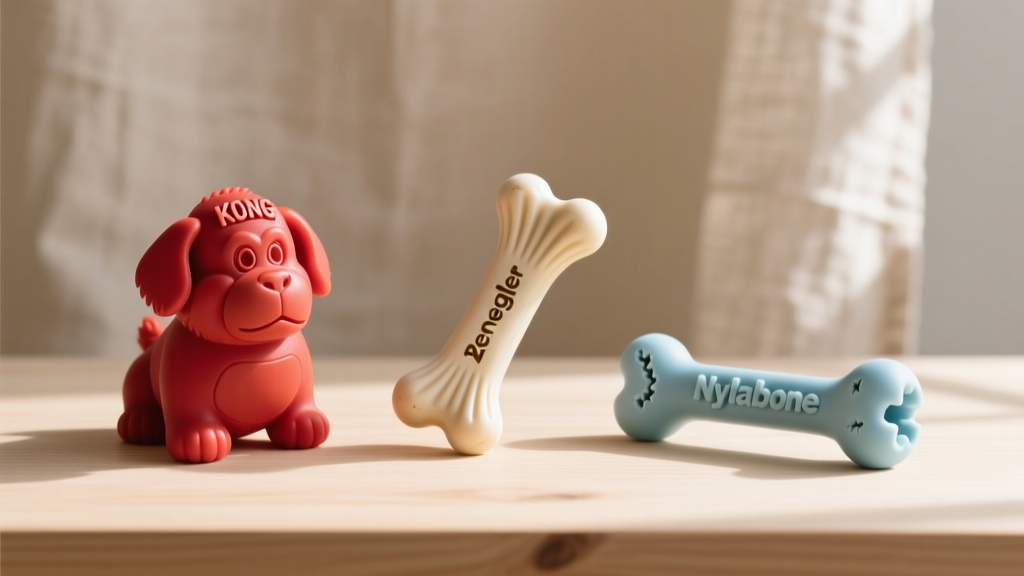
- Kong Classic (Large) and Benebone Wishbone for teething phase
- 15-foot long line for recall training in open areas
- Stainless steel food and water bowls (raised feeder optional, discuss with your vet regarding bloat risk)
Walker Hound Puppy Milestones: Week-by-Week Timeline
Understanding what's developmentally normal at each stage prevents unnecessary panic and helps you set appropriate expectations. Walker hounds follow a typical large-breed growth curve but tend to be more mouthy and vocal than retrievers or shepherds at equivalent ages.
| Age Range | Weight Range (lb/kg) | Key Milestones | Breed-Specific Notes |
|---|---|---|---|
| 4–8 weeks | 5–12 lb / 2.3–5.4 kg | Eyes/ears fully functional, litter play, first deworming, weaning onto solid food | Littermates teach bite inhibition; early vocalization patterns emerge (some puppies start "talking" by week 6) |
| 8–12 weeks | 12–22 lb / 5.4–10 kg | First vaccines, crate introduction, name recognition, basic handling exercises | Nose-driven behavior is intense — puppy will ignore you when following a scent; begin leash acclimation indoors |
| 12–16 weeks | 22–35 lb / 10–15.9 kg | Socialization peak, potty training clicks, puppy shots completing, first fear period possible | Prey drive emerges — puppy may chase squirrels, cats, or moving objects with surprising intensity; howling at sirens/other dogs may begin |
| 16–24 weeks | 35–50 lb / 15.9–22.7 kg | Teething phase, second fear period common, recall training critical, growth plates still open | Chewing peaks — protect baseboards and furniture; puppy may suddenly "forget" known commands during fear periods |
| 6–12 months | 45–65 lb / 20.4–29.5 kg | Steroid-fueled adolescence, sexual maturity, advanced socialization, endurance building | Most challenging phase for Walker hounds — roaming instinct intensifies, fence-testing begins, vocalization increases if bored |
Adult Treeing Walker Coonhounds typically reach 50–70 lb (23–32 kg) for males and 45–65 lb (20–29 kg) for females, standing 22–27 inches at the shoulder per the AKC breed standard. Most reach full height by 12-14 months but continue filling out until 18-24 months.
Feeding Schedule: Exact Portions by Age and Weight
Walker hounds are athletic, lean-muscled dogs that need a diet supporting steady growth without promoting rapid weight gain — which stresses developing joints. Feed a large-breed puppy formula (AAFCO-approved for growth) until 12 months of age. Brands like Purina Pro Plan Large Breed Puppy, Royal Canin Large Puppy, or Hill's Science Diet Large Breed Puppy provide appropriate calcium-to-phosphorus ratios.
| Age | Meals Per Day | Daily Total (cups) | Portion Per Meal | Notes |
|---|---|---|---|---|
| 8–12 weeks | 3–4 | 1.5–2.5 cups | 0.4–0.6 cups | Soften kibble with warm water for first 2 weeks home |
| 3–4 months | 3 | 2.5–3.5 cups | 0.8–1.2 cups | Transition to dry kibble; monitor body condition score weekly |
| 5–6 months | 2–3 | 3–4.5 cups | 1–1.5 cups | Drop to 2 meals by month 6 if puppy maintains good appetite |
| 7–12 months | 2 | 3.5–5 cups | 1.75–2.5 cups | Adjust based on activity level — working-line puppies need more |
| 12+ months | 2 | 3–4.5 cups (adult formula) | 1.5–2.25 cups | Switch to adult large-breed formula; active dogs may need sport formulas |
How often should I feed my puppy at each age? At 8–12 weeks, feed 3–4 meals daily. At 3–6 months, reduce to 3 meals. By 6 months, most Walker hound puppies do well on 2 meals per day. Never free-feed this breed — their food drive and scavenging instinct mean they'll overeat, leading to rapid growth and joint stress.
While Walker hounds are less bloat-prone than Great Danes or German Shepherds, deep-chested breeds carry some risk. Feed meals in a slow-feeder bowl (Outward Hound Fun Feeder works well), avoid vigorous exercise 1 hour before and after meals, and know the signs of gastric dilatation-volvulus (GDV): distended abdomen, unproductive retching, restlessness, and pale gums. GDV is an emergency — call your vet or nearest emergency clinic immediately.
Vaccination Schedule for Walker Hound Puppies
The American Veterinary Medical Association recommends core vaccines on a standard schedule. Your veterinarian will adjust timing based on local disease prevalence and your puppy's risk profile. Never skip or delay vaccines — parvovirus is lethal and prevalent in many environments.
| Age | Vaccines | Details |
|---|---|---|
| 6–8 weeks | DHPP (Distemper, Hepatitis, Parainfluenza, Parvovirus) | First dose; some breeders administer before puppy goes home |
| 10–12 weeks | DHPP booster + Bordetella (optional) | Bordetella recommended if attending puppy classes or boarding; Leptospirosis may be added based on regional risk |
| 14–16 weeks | DHPP final booster + Rabies | Rabies required by law in most US states; DHPP at 14-16 weeks is critical — maternal antibodies may block earlier doses |
| 12–16 months | DHPP booster + Rabies booster | First annual boosters; after this, DHPP may move to 3-year intervals per your vet's protocol |
What vaccines does my puppy need and when? The core schedule is DHPP at 6-8, 10-12, and 14-16 weeks, plus Rabies at 14-16 weeks. Non-core vaccines your vet may recommend include Leptospirosis (important for hunting dogs exposed to wildlife urine), Lyme disease (tick-endemic areas), and Canine Influenza (if boarding frequently). Always consult your veterinarian to build a vaccination plan tailored to your puppy's lifestyle and local disease risks.
Potty Training Timeline: Realistic Expectations for Coonhound Puppies
Walker hounds are moderately challenging to house train. Their scent-driven nature means outdoor potty breaks often turn into sniffing expeditions, and their slow bladder maturation (typical of large breeds) means accidents will happen longer than with smaller dogs.
When will my puppy be fully potty trained? Most Walker hound puppies achieve reliable daytime house training between 5 and 7 months. Overnight reliability typically follows by 7–9 months. Some individuals — particularly intact males approaching adolescence — may mark indoors until neutering or until 12 months of age. This is normal for the breed and not a sign of failed training.
- Take puppy out on leash (not just opening the door) — coonhounds wander off-scent and forget why they went outside
- Use a consistent cue word ("go potty" or "do your business") while they're eliminating — reward immediately after with a high-value treat
- Follow the age-to-hours rule: bladder capacity ≈ age in months + 1 hour (a 3-month-old holds it roughly 4 hours maximum)
- Crate between outings — puppies won't soil their sleeping space if the crate is properly sized
- Supervise or confine when loose indoors — use baby gates or an exercise pen; never give unsupervised house access until reliably trained
- Enzymatic clean every accident — ammonia-based cleaners leave residual scent that invites repeat offenses
Troubleshooting common setbacks: If your Walker hound puppy was reliably potty trained and suddenly starts having accidents at 6-8 months, rule out a urinary tract infection with your vet before assuming behavioral regression. Adolescent coonhounds also sometimes "forget" training during hormonal surges — return to basics (more frequent outings, tighter supervision) rather than punishment.
Crate Training Progression: Time Limits by Age
Walker hounds generally accept crates well if introduced positively. Their den instinct is moderate — not as strong as a terrier's, but sufficient for crate training to work. The key is never exceeding their physical bladder capacity or their psychological tolerance for confinement.
| Age | Maximum Crate Time (day) | Overnight | Notes |
|---|---|---|---|
| 8–10 weeks | 1–1.5 hours | 3–4 hours (expect 1–2 night wakings) | Crate beside your bed; cover with light blanket to reduce visual stimulation |
| 10–14 weeks | 2–3 hours | 5–6 hours | Begin moving crate to permanent location; feed meals inside crate |
| 3–5 months | 3–4 hours | 6–7 hours | Introduce "settle" cue; practice short absences from the room |
| 5–8 months | 4–5 hours | 7–8 hours | Adolescent protest barking may spike — do not release during vocalization |
| 8+ months | 5–6 hours | 8+ hours | Most adult Walkers tolerate all-day crating but need significant exercise before and after |
Critical rule: A Walker hound puppy who receives insufficient physical and mental exercise will destroy a crate. These dogs need minimum 45–60 minutes of structured activity daily (leash walks, scent games, training sessions) as puppies, scaling to 90–120 minutes as adults. A tired puppy is a quiet puppy.
The Socialization Window (Weeks 3–14): Your Walker Hound's Exposure Checklist
The Merck Veterinary Manual identifies weeks 3–14 as the primary socialization period for puppies. For Walker hounds, this window is especially critical because their genetic predisposition toward prey drive and wariness of novel stimuli can harden into reactivity if not addressed early.
Before your puppy is fully vaccinated (before 16 weeks), socialize in controlled environments — carry your puppy in a sling or backpack, visit friends' homes, and arrange playdates with known-vaccinated, healthy adult dogs. Avoid dog parks, pet store floors, and high-traffic public areas until your vet clears your puppy post-final DHPP booster.
Surfaces: Grass, gravel, concrete, metal grates, wet pavement, wooden decks, tile floors
Sounds: Thunderstorms (play recordings at low volume, pair with treats), vacuum cleaner, doorbell, sirens, fireworks recordings, children screaming, gunshots (start very distant — coonhounds need hunting-sound desensitization if they'll be field dogs)
People: Men with hats/beards, children of various ages, people in wheelchairs, people carrying umbrellas, delivery drivers, people wearing high-visibility vests
Animals: Cats (supervised, leashed introductions), livestock if accessible (horses, goats, chickens — critical for coonhounds who may encounter wildlife), other dogs of various sizes
Handling: Ear examination (cooperative vet prep), paw handling, nail trimming practice, mouth opening, collar grabs paired with treats
Environments: Car rides (short, positive — end at fun destinations), veterinary clinic ("happy visits" with no procedures), outdoor seating areas, wooded trails on leash
When can my puppy go outside and meet other dogs? Your puppy can explore your private yard immediately. Structured playdates with fully vaccinated, known-health dogs can begin at 8-10 weeks. Public spaces (parks, trails, pet stores) should wait until 1-2 weeks after the final DHPP booster at 14-16 weeks — typically around 17-18 weeks of age. Controlled puppy classes (requiring proof of vaccination) are usually safe starting at 10-12 weeks, per the AVMA's position on early socialization.
Teething Timeline and Relief Strategies (3–6 Months)
Walker hound puppies begin losing deciduous teeth around 12–16 weeks, with adult teeth fully erupted by 6–7 months. The peak chewing urgency hits between 4 and 5 months. Coonhound puppies tend to be aggressive chewers — budget for replacing a few toys and expect some baseboard damage even with good management.
Safe chew recommendations by stage:
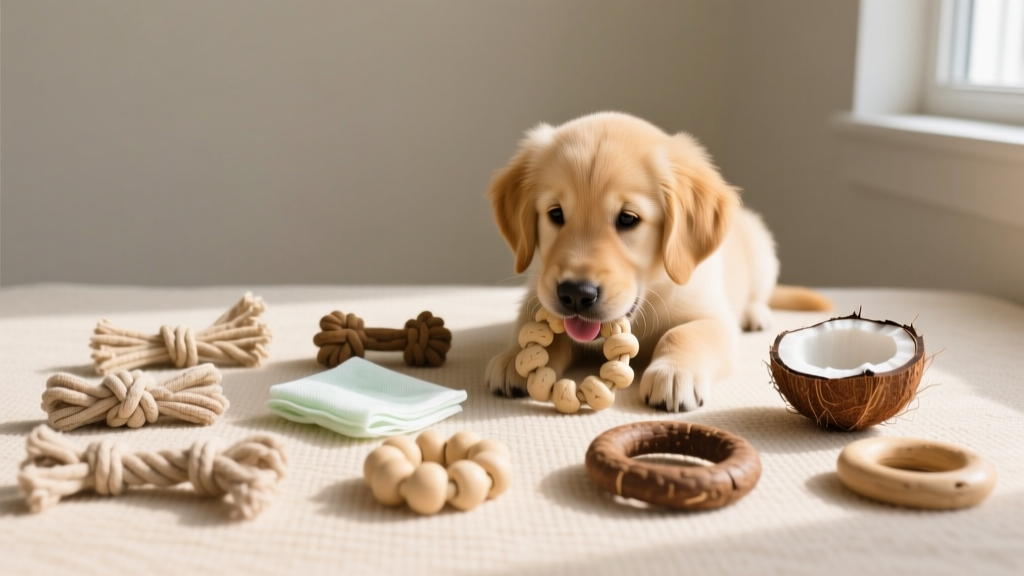
- 3–4 months (loosening baby teeth): Frozen wet washcloths, Kong Puppy (softer rubber), chilled carrot sticks, Nylabone Puppy Chew (softer formula)
- 4–5 months (peak discomfort): Kong Classic (Large, stuffed and frozen with peanut butter), Benebone Wishbone, frozen green beans, yak milk chews (supervised)
- 5–7 months (adult teeth setting): Bully sticks (supervised, remove when small), antler alternatives like EcoKind Himalayan chews, West Tuff toys, Goughnuts Maxx 50 Ring
Avoid: Rawhide (choking and blockage risk), cooked bones (splintering), tennis balls (abrasive to teeth and easily destroyed by coonhound jaws), and any chew small enough to swallow whole.
Common Walker Hound Puppy Problems and Solutions
Every breed has its puppyhood challenges. Walker hounds present a specific cluster of behaviors rooted in their hunting heritage. Here's how to address each with positive reinforcement methods.
Puppy Biting and Nipping
How do I stop puppy biting and nipping? Walker hounds are mouthy — they explore the world with their jaws and use mouthing as play communication. When teeth touch skin, immediately stand up, cross your arms, and become boring for 10–15 seconds (time-out from attention). Redirect to an appropriate chew toy. Never hit, hold the mouth shut, or alpha-roll a puppy — these methods damage trust and can escalate to defensive biting. Most Walker hounds significantly reduce mouthing by 5–6 months as adult teeth come in and they learn impulse control through consistent redirection.
Excessive Whining and Howling
Walker hounds are among the most vocal dog breeds. Puppies may whine in the crate, howl at passing dogs, or "talk" (a grumbling vocalization unique to hounds) when excited. For crate whining: ensure all needs are met (potty, exercise, chew toy), then ignore vocalization completely. Reward silence with calm attention. For howling triggers: desensitize by playing recorded triggers at very low volume while feeding treats, gradually increasing volume over weeks.
Destructive Chewing
Beyond teething, Walker hounds chew from boredom and anxiety. Prevention is management: puppy-proof rooms, provide 4–5 rotating chew toys, ensure 45+ minutes of daily activity, and never leave a puppy unsupervised with access to valuables. If you catch them chewing something inappropriate, trade up — offer a higher-value chew and remove the forbidden item without scolding.
Leash Pulling and Scent Fixation
Even at 10 weeks, a Walker hound will plant their feet and pull toward an interesting smell. Start leash training indoors where distractions are minimal. Use a front-clip harness (Rabbitgoo or 2 Hounds Design Freedom Harness) to redirect pulling. Reward frequently for loose-leash walking. Accept that outdoor walks will include sniff breaks — let your puppy sniff on a loose leash as a reward for good walking behavior.
First-Year Cost Breakdown for a Walker Hound Puppy
Budgeting realistically prevents surrender to shelters — coonhounds are frequently relinquished when owners underestimate their needs. Below are 2026 cost ranges based on national averages. Urban coastal areas will trend toward the high end; rural areas toward the low end.
| Category | Low Estimate | High Estimate | Notes |
|---|---|---|---|
| Puppy purchase/adoption | $250 (rescue) | $1,500 (breeder) | Reputable breeders health-test parents (OFA hips, cardiac); rescue fees typically $200–$500 |
| Veterinary care (first year) | $600 | $1,200 | Includes puppy vaccine series, spay/neuter, heartworm test, fecal exams, microchip |
| Food (12 months) | $480 | $900 | Large-breed puppy formula then adult formula; premium brands cost $50–$75/month |
| Supplies (initial) | $200 | $450 | Crate, bed, leash, harness, bowls, baby gates, grooming tools, toys |
| Preventive medications | $200 | $450 | Monthly heartworm (Heartgard Plus or Interceptor Plus), flea/tick (NexGard, Simparica Trio) |
| Training classes | $150 | $500 | Puppy kindergarten + basic obedience; private sessions cost $75–$150/hour |
| Pet insurance (annual) | $480 | $900 | Varies by deductible and coverage; enroll before pre-existing conditions develop |
| Grooming | $0 | $150 | Walker hounds are low-maintenance — weekly brushing, occasional baths; professional grooming optional |
| Total First Year | $2,360 | $6,050 | Excludes emergency vet visits (budget an additional $500–$2,000 emergency fund) |
Keep the ASPCA Animal Poison Control number saved in your phone: (888) 426-4435 (24/7, consultation fee applies). Walker hound puppies are notorious scavengers — they will eat things they shouldn't both at home and on walks. Also keep the Pet Poison Helpline number: (855) 764-7661. Know your nearest 24-hour emergency veterinary clinic before you need it.
Frequently Asked Questions
Are Treeing Walker Coonhounds good family dogs?
Yes, with caveats. Walker hounds are affectionate, playful, and generally good with children who respect their space. They're not couch-cuddlers like Basset Hounds — they need active families who can provide daily exercise. Their loud vocalization and high prey drive (they may chase household cats unless socialized early) make them a poor fit for apartments or homes with small pets.
How much exercise does a Walker hound puppy need?
Follow the 5-minutes-per-month-of-age rule for structured walks: a 4-month-old gets roughly 20 minutes of leash walking twice daily. Add mental stimulation (scent games, snuffle mats, training sessions) to meet their total activity needs. Avoid forced running or jumping until growth plates close around 14-18 months — consult your veterinarian before starting high-impact activities.
Will my Walker hound puppy calm down?
Most Walker hounds begin settling between 2 and 3 years of age. Some remain high-energy throughout life, especially dogs from working/hunting lines. If you purchased from a field-bred litter (parents actively hunt), expect higher drive than a show-bred or companion-bred puppy. Consistent exercise, training, and mental stimulation are non-negotiable — an under-exercised Walker hound will create its own entertainment, usually destructively.
Should I get my Walker hound puppy's ears checked regularly?
Absolutely. Coonhounds have long, pendulous ears that trap moisture and debris, making them prone to yeast and bacterial ear infections. Check ears weekly, clean with a vet-recommended ear wash (Epi-Otic Advanced or similar) every 1–2 weeks, and watch for head-shaking, odor, redness, or discharge. Early intervention prevents chronic infections.
Do Walker hounds need a fenced yard?
Strongly recommended. Their prey drive means they will chase a scent without regard for roads, boundaries, or recall commands. A minimum 5-foot fence (6-foot preferred) with no gaps is ideal. Never rely on an invisible/electronic fence — a Walker hound in prey drive will blow through the shock boundary without hesitation. Always leash in unfenced areas.
Beth Carrasco
All our authors care for dogs every day — read more of their work on the authors page.