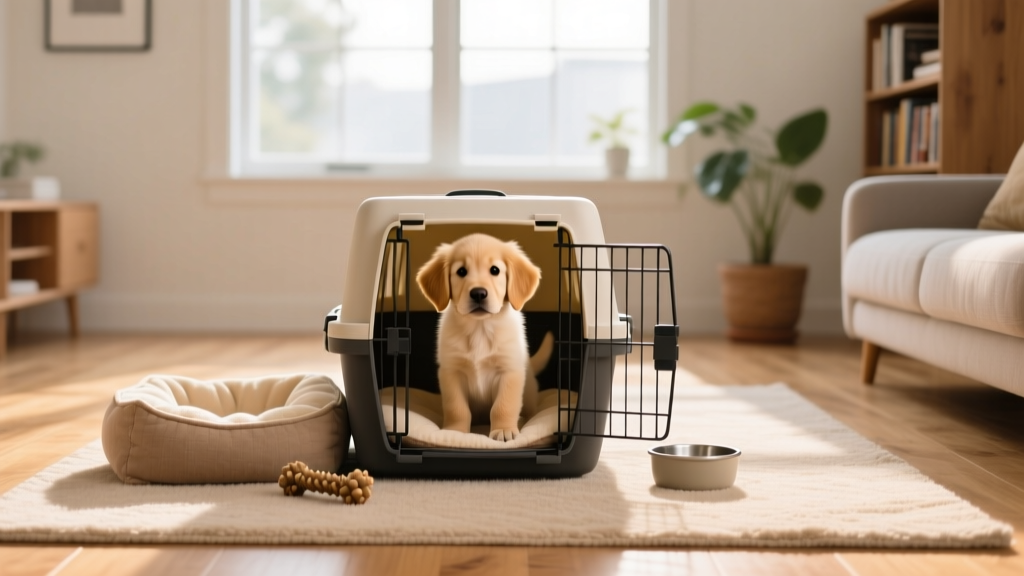
Types of Puppies: A Complete First-Year Care Guide by Breed Size
Explore different types of puppies and get a complete first-year care guide covering milestones, feeding, potty training, vaccines, and costs by breed size.

Understanding the Different Types of Puppies You Might Bring Home
Choosing from the many types of puppies available — from a 4-pound Chihuahua to a 90-pound Labrador Retriever — means signing up for vastly different first-year experiences. A toy-breed puppy burns through calories so fast that missing a single meal can trigger hypoglycemia, while a giant-breed puppy grows so rapidly that overfeeding can permanently damage developing joints. This guide breaks down every critical milestone, feeding portion, vaccine, and training benchmark you will face from week 4 through month 12, calibrated to the size category your puppy falls into.
We organize puppies into four size tiers based on projected adult weight:
- Toy/Small: under 20 lb (9 kg) — e.g., Chihuahua, Pomeranian, Toy Poodle, Yorkshire Terrier
- Medium: 20–50 lb (9–23 kg) — e.g., Beagle, Cocker Spaniel, Australian Shepherd
- Large: 50–90 lb (23–41 kg) — e.g., Labrador Retriever, Golden Retriever, German Shepherd
- Giant: over 90 lb (41 kg) — e.g., Great Dane, Saint Bernard, Mastiff
If you are still deciding among the types of puppies that fit your household, use the size-tier framework below to map out the real commitments each category demands.
When Should You Bring Your Puppy Home?
The American Kennel Club recommends that puppies stay with their mother and littermates until at least 8 weeks of age. For toy and small breeds, many responsible breeders keep puppies until 10–12 weeks because tiny puppies regulate body temperature and blood sugar poorly in the transition period.
- Toy/Small breeds: 10–12 weeks ideal (minimum 8 weeks)
- Medium breeds: 8–10 weeks ideal
- Large breeds: 8 weeks standard
- Giant breeds: 8–9 weeks standard
Before pickup day, have these supplies ready: a properly sized crate (large enough for the puppy to stand, turn, and lie down but not so large they eliminate in one corner), an enzymatic cleaner (Nature's Miracle or Rocco & Roxie, $8–$15), a bag of the same food the breeder or rescue was using, and a vet appointment within 48 hours of arrival.
Age-Specific Milestones: Weeks 4 Through Month 12
Every puppy passes through predictable developmental windows. Here is what to expect at each stage, with size-specific notes.
Weeks 4–8: The Litter Phase (Breeder/Rescue Environment)
Puppies begin weaning onto solid food, learn bite inhibition from littermates, and receive their first deworming (pyrantel pamoate at 2, 4, 6, and 8 weeks per the Merck Veterinary Manual). Eyes and ears are fully open. Puppies start forming social hierarchies and responding to human handling. If you are visiting litters of different types of puppies during this stage, observe which puppy approaches you versus retreats — early temperament signals tend to persist.
Weeks 8–12: The Homecoming and Bonding Window
This is the peak socialization period. Your puppy is highly impressionable and forms lasting associations with new people, surfaces, sounds, and environments. Fear periods can occur around 8–10 weeks, so keep introductions positive and never force a frightened puppy into a situation. Short, 5-minute training sessions using high-value treats (boiled chicken, freeze-dried liver) work best. Expect 18–20 hours of sleep per day.
Weeks 12–16: Boundary Testing and Rapid Learning
Puppies begin testing rules — jumping, mouthing, and ignoring previously learned cues. Consistency from all household members is critical. This is the ideal window to enroll in a positive-reinforcement puppy class (cost: $120–$200 for a 6-week session). Fear period number two often hits around 14–16 weeks.
Weeks 16–24 (4–6 Months): The Teething and Independence Phase
Adult teeth erupt, chewing intensity peaks, and puppies start showing more independence on walks. Spay/neuter surgery is typically scheduled around 5–6 months for small and medium breeds, or 6–9 months for large and giant breeds (discuss timing with your veterinarian, as recent research links early alteration in large breeds to increased joint disorder risk).
Months 6–12: Adolescence
Hormonal surges (even in altered dogs), renewed fear periods, and selective hearing define this stretch. Large and giant breeds continue growing until 18–24 months. Maintain training, increase physical exercise appropriately, and do not assume puppyhood lessons are permanent — reinforcement is ongoing.
Feeding Schedule: Exact Portions by Age and Size
Feeding is where new owners of different types of puppies make the most costly mistakes. Overfeeding a Great Dane puppy accelerates growth and raises the risk of developmental orthopedic disease; underfeeding a Chihuahua puppy risks fatal hypoglycemia.
| Age | Toy/Small (<20 lb) | Medium (20–50 lb) | Large (50–90 lb) | Giant (>90 lb) |
|---|---|---|---|---|
| 8–12 weeks | ¼–½ cup, 4×/day | ½–¾ cup, 3×/day | 1–1½ cups, 3×/day | 1½–2 cups, 3×/day |
| 3–6 months | ⅓–¾ cup, 3×/day | ¾–1¼ cups, 3×/day | 1½–2½ cups, 2×/day | 2–3½ cups, 2×/day |
| 6–12 months | ½–1 cup, 2×/day | 1–2 cups, 2×/day | 2–3½ cups, 2×/day | 3–5 cups, 2×/day |
Important notes: These portions assume a standard kibble with a caloric density of roughly 350–400 kcal/cup. Always check the feeding chart on your specific food bag and adjust based on your puppy's body condition score (BCS). You should be able to feel ribs without pressing hard but not see them prominently. Giant-breed puppies must eat food labeled for "large breed growth" or "all life stages" with calcium levels between 1.0–1.8% on a dry-matter basis — excess calcium causes skeletal deformities. Consult your veterinarian if you are unsure which formula to choose.
Vaccination Schedule: What Your Puppy Needs and When
The American Veterinary Medical Association outlines core vaccines that protect against life-threatening diseases. Below is the standard schedule your veterinarian will follow, with adjustments based on local disease prevalence.
| Age | Vaccine | What It Protects Against | Estimated Cost |
|---|---|---|---|
| 6–8 weeks | DHPP (1st dose) | Distemper, Hepatitis (Adenovirus), Parainfluenza, Parvovirus | $20–$40 |
| 10–12 weeks | DHPP (2nd dose) | Same as above — booster | $20–$40 |
| 10–12 weeks | Bordetella (optional) | Kennel cough — required for puppy classes and grooming | $20–$35 |
| 14–16 weeks | DHPP (3rd dose) | Same as above — final puppy booster | $20–$40 |
| 14–16 weeks | Rabies | Rabies — legally required in most US states | $20–$35 |
| 12–16 weeks | Leptospirosis (2-dose series, 2–4 weeks apart) | Leptospirosis — recommended in areas with wildlife/standing water | $25–$40 per dose |
Until your puppy has received the final DHPP booster at 14–16 weeks (plus 5–7 days for immunity to build), avoid high-traffic dog areas like dog parks, pet store floors, and unvaccinated dog playdates. You can, however, carry your puppy in a sling or stroller to expose them to outdoor sights and sounds. Socialization with known, fully vaccinated adult dogs in a clean home environment is generally safe after the first DHPP dose.
The Critical Socialization Window: Weeks 3–14
The American Veterinary Society of Animal Behavior identifies 3–14 weeks as the primary socialization period — after this window closes, puppies are significantly harder to desensitize to novel stimuli. Incomplete socialization is the leading behavioral reason dogs end up in shelters.
Your Socialization Exposure Checklist
Aim to check off at least 3–5 items per week during the window. Always pair new experiences with high-value treats and keep sessions under 10 minutes.
- People: Children, elderly adults, people wearing hats/sunglasses/masks, people using wheelchairs or crutches, delivery workers
- Surfaces: Grass, gravel, metal grates, wet pavement, carpet, tile, sand
- Sounds: Vacuum cleaner, thunderstorm recordings (start at low volume), fireworks audio, doorbell, car horns, hair dryer
- Handling: Paw touching, ear inspection, mouth opening, nail clipping (even if you just clip air), being held on their side, gentle restraint
- Environments: Car rides, outdoor café patios, parking lots, schoolyards (observing from a distance), vet clinic waiting room (carry in until vaccinated)
- Animals: Fully vaccinated friendly dogs, cats (supervised), livestock from a safe distance
- Objects: Umbrellas opening, plastic bags rustling, bicycles, skateboards, trash cans
For toy-breed puppies, be extra mindful: tiny puppies are often overprotected and under-socialized. Carry them, but also let them walk on novel surfaces themselves to build confidence.
Potty Training Timeline and Troubleshooting
Realistic expectations prevent frustration. A general rule: puppies can hold their bladder for approximately one hour per month of age, plus one. So a 3-month-old puppy can hold for roughly 4 hours — overnight, when metabolism slows, they may stretch this slightly.
| Age | Expected Bladder Control | Outdoor Trips per Day | Accident Expectation |
|---|---|---|---|
| 8–10 weeks | 30–60 minutes | 12–15 (including overnight) | Multiple daily accidents — normal |
| 3–4 months | 1–2 hours | 8–10 | 1–3 accidents per week |
| 4–6 months | 2–4 hours | 6–8 | Occasional accident (1–2/week) |
| 6–12 months | 4–6+ hours | 4–6 | Rare — if frequent, rule out UTI |
When Will My Puppy Be Fully Potty Trained?
Most puppies are reliably house-trained between 4 and 6 months, but toy breeds often take until 8–10 months due to tiny bladders and higher metabolisms. Consistency is the single biggest factor: take your puppy out immediately after waking, eating, drinking, playing, and after every crate session. Reward with a treat and verbal praise the moment they eliminate outside — not after they come back in.
Potty Training Troubleshooting
- Submissive urination (common in medium/large breeds): Do not scold. Greet calmly, crouch sideways, and take them outside immediately upon arriving home.
- Regression at 4–6 months: Often coincides with teething discomfort or a fear period. Revert to a more frequent outdoor schedule for one week.
- Nighttime accidents: Remove water 2 hours before bedtime. Set a phone alarm for one overnight potty break until the puppy can hold 7–8 hours consistently.
- Frequent small-volume accidents: Schedule a vet visit to rule out a urinary tract infection — common in female puppies.
Crate Training Progression and Time Limits
A crate is your puppy's safe den, not a punishment space. Introduce it on day one with the door open, meals fed inside, and a stuffed Kong to build positive associations.
| Age | Maximum Daytime Crate Time | Maximum Overnight Crate Time |
|---|---|---|
| 8–10 weeks | 30–60 minutes | 2–3 hours (expect overnight potty break) |
| 11–14 weeks | 1–2 hours | 4–5 hours |
| 15–16 weeks | 2–3 hours | 5–6 hours |
| 4–6 months | 3–4 hours | 6–8 hours |
| 6–12 months | 4–5 hours | 8 hours |
Whining in the crate: If your puppy whines, wait for a 10-second pause in vocalization before opening the door — this teaches that silence, not noise, earns freedom. If the puppy has been crated longer than their bladder can hold, they are whining because they need to eliminate. Take them out on leash, stand in one spot, wait for them to go, then return to the crate. Never let a puppy "cry it out" for extended periods — this creates crate aversion.
Teething Timeline: Relief Strategies and Safe Chews
Puppies have 28 deciduous (baby) teeth that begin erupting at 3–4 weeks. The 42 adult teeth push the baby teeth out between 3 and 6 months of age. During this window, your puppy will chew everything.
Teething Phases
- 3–4 months: Incisors loosen first. You may find tiny teeth on the floor — many puppies swallow them, which is harmless.
- 4–5 months: Canines and premolars erupt. Gums may appear red or bleed slightly — normal.
- 5–6 months: Molars come in. Chewing intensity peaks. Retained baby teeth (especially in toy breeds) require veterinary extraction if they have not fallen out by 7 months.
Safe Chew Recommendations
- Frozen Kong Classic (rubber, $12–$18): Stuff with plain yogurt and banana, freeze overnight. The cold numbs sore gums.
- Benebone Puppy Wishbone (nylon, $10–$14): Designed for puppies under 6 months; softer than adult versions.
- Carrots (frozen, whole): Cheap, edible, and appropriately sized for medium and large puppies. Supervise to prevent choking.
- Nylabone Puppy Chew Keys ($7–$10): Textured surface massages gums.
Common Puppy Problems and Solutions by Stage
Puppy Biting and Nipping (8 weeks–5 months)
Mouthing is normal puppy behavior — they explore the world with their mouths. To stop it: the instant teeth touch skin, say "ouch" in a calm, flat tone, withdraw your hand, and redirect to a chew toy. If the puppy persists, end the play session by standing up and walking away for 15 seconds. This mimics how littermates teach bite inhibition. Never hit, hold the mouth shut, or use aversive methods — these create fear-based aggression. Most puppies significantly reduce mouthing by 5 months once adult teeth are in.
Destructive Chewing (3–8 months)
Chewing peaks during teething and adolescence. Management is the solution: puppy-proof rooms by removing shoes, cords, and remote controls; provide a rotation of 4–5 approved chew toys (rotating keeps them novel); and increase daily physical and mental exercise. A tired puppy chews less. Puzzle feeders like the Outward Hound Nina Ottosson Dog Brick ($15–$25) burn mental energy efficiently.
Jumping on People (3–12 months)
Ignore the puppy completely when they jump — no eye contact, no talking, no pushing (dogs interpret pushing as play). Turn your back. The moment all four paws are on the floor, turn around and reward with attention and a treat. Teach an incompatible behavior like "sit" for greetings.
Separation Distress (8 weeks onward)
Start with 30-second absences. Leave the room, return before the puppy panics, and reward calm behavior. Gradually extend duration. Never make departures or arrivals emotional. Leave a radio or white noise machine on. If your puppy destroys the crate area or injures themselves trying to escape within the first 10 minutes of alone time, consult a certified behaviorist — this may be true separation anxiety, not normal puppy adjustment.
First-Year Cost Breakdown by Puppy Size
Budgeting accurately prevents sticker shock. Below are realistic 2026 cost ranges for the first 12 months.
| Expense Category | Toy/Small | Medium | Large | Giant |
|---|---|---|---|---|
| Puppy purchase/adoption | $500–$3,500 | $500–$3,000 | $800–$3,500 | $1,500–$4,000 |
| Veterinary (vaccines, spay/neuter, wellness) | $600–$1,200 | $700–$1,400 | $800–$1,600 | $1,000–$2,000 |
| Food (12 months) | $250–$500 | $400–$800 | $600–$1,200 | $900–$1,800 |
| Supplies (crate, bed, bowls, leash, collar, toys) | $150–$350 | $200–$450 | $250–$500 | $300–$600 |
| Training (puppy class + follow-up) | $150–$400 | $150–$400 | $200–$500 | $200–$500 |
| Pet insurance (annual premium) | $400–$700 | $500–$900 | $600–$1,100 | $700–$1,400 |
| Total estimated first year | $2,050–$6,650 | $2,450–$6,950 | $3,250–$8,400 | $4,600–$10,300 |
These ranges assume a healthy puppy with no emergency vet visits. A single emergency (foreign body surgery, parvovirus treatment) can add $1,500–$5,000. Pet insurance purchased before any conditions develop offers the best value — premiums are lowest for puppies under 6 months.
Frequently Asked Questions
How often should I feed my puppy at different ages?
Feed 8–12-week-old puppies 3–4 meals per day. Transition to 3 meals at 3 months, and 2 meals at 6 months. Toy breeds may need 4 meals through 4 months to prevent hypoglycemia. Always split the daily portion into the scheduled meals rather than free-feeding, as measured meals help with potty training predictability and body condition monitoring.
How do I stop puppy biting and nipping?
Redirect to an appropriate chew toy the instant teeth touch skin. If biting continues, end the interaction for 15 seconds by leaving the room. Consistency from every household member is essential. Avoid physical punishment — it damages trust and can escalate to fear-based biting. Most puppies outgrow intense mouthing by 5–6 months as adult teeth fully erupt.
When can my puppy go outside and meet other dogs?
You can carry your puppy outdoors immediately for socialization exposure, but avoid ground contact in high-traffic dog areas until 5–7 days after the final DHPP vaccine at 14–16 weeks. Controlled playdates with known, fully vaccinated dogs in clean environments are safe earlier. Puppy classes that require proof of at least one DHPP dose and maintain sanitized floors are generally considered acceptable by the American Veterinary Society of Animal Behavior, which emphasizes that the risk of under-socialization outweighs the disease risk in managed settings.
What if my puppy refuses to eat?
A single skipped meal in a medium, large, or giant puppy is usually not alarming — try again at the next scheduled feeding. In toy-breed puppies under 4 months, even one missed meal can cause dangerous blood sugar drops. If your toy puppy refuses food for more than 4 hours, rub a small amount of Karo syrup or honey on their gums and contact your veterinarian immediately.
Should I wake my sleeping puppy for potty breaks?
During the day, let sleeping puppies rest — they need the sleep for development. At night, set one alarm for a potty break until your puppy consistently holds through the night. If they wake and whine at night, take them out immediately on leash with minimal stimulation (dim lights, no play), then return to the crate.
Marcus Aldridge
All our authors care for dogs every day — read more of their work on the authors page.