Training Alsatian Puppies: A Week-by-Week Guide for New Owners
Training Alsatian puppies requires a structured plan. This week-by-week guide covers milestones, feeding, vaccinations, socialization, and potty train...

When Should You Bring Your Alsatian Puppy Home?
The ideal window to bring an Alsatian (German Shepherd Dog) puppy home is between 8 and 10 weeks of age. Reputable breeders keep puppies with their littermates until at least 8 weeks, which allows critical bite-inhibition learning and early social development. The American Kennel Club notes that puppies removed before 7 weeks often display heightened fear responses and difficulty reading canine body language later in life.
If you're adopting from a rescue, puppies may arrive at varying ages. Adjust the timelines below to your puppy's developmental stage rather than chronological age — a 12-week-old rescue with limited early socialization may need to revisit the 8–12 week milestones before advancing.
Age-Specific Milestones: What to Expect as Your Alsatian Grows
German Shepherds are large-breed dogs that mature slowly — mentally, many Alsatians don't reach full emotional maturity until 24–36 months. Understanding developmental stages prevents frustration when your puppy seems to "forget" training or suddenly develops new fears.
Weeks 4–8 (With the Breeder)
- Physical: Deciduous (baby) teeth fully erupted; weaning onto solid food; rapid growth phase gaining roughly 1–2 lb per week
- Behavioral: Learning bite inhibition from littermates; first fear imprint period begins around week 8; startle recovery is slow
- Training: Name recognition begins; brief 1–2 minute positive sessions; introduction to collar and harness
- What you should receive: Health records, deworming schedule (typically at 2, 4, 6, and 8 weeks), first DHPP vaccine if breeder administers at 6–8 weeks
Weeks 8–12 (Settling In)
- Physical: Expected weight 15–25 lb (7–11 kg); sleeping 18–20 hours per day; bladder capacity approximately 1 hour per month of age
- Behavioral: Peak socialization receptivity; bonding intensely with primary caregiver; may cry at night for 3–7 days during crate adjustment
- Training: Sit, down, come (food-lured); leash introduction indoors; handling exercises (paws, ears, mouth); keep sessions to 3–5 minutes maximum
- Key risk: Parvovirus susceptibility is highest in this window — avoid public dog areas until vaccination series is complete
Weeks 12–16 (Building Confidence)
- Physical: Expected weight 25–45 lb (11–20 kg); coordination improving rapidly; adult teeth begin pushing through around week 16
- Behavioral: Second fear period may emerge (weeks 12–14); previously confident puppies may suddenly spook at familiar objects; avoid forcing exposure
- Training: Introduce place/mat training; begin structured leash walking; impulse control games (wait for food bowl); puppy kindergarten classes (post-vaccination clearance)
- Milestone: Most Alsatian puppies can hold bladder 3–4 hours by week 16 during the day
Weeks 16–24 (The Adolescent Shift)
- Physical: Expected weight 40–65 lb (18–29 kg); teething peaks between months 4–6; growth plates still open — avoid forced running or repetitive jumping
- Behavioral: Independence increases; recall reliability may drop; resource guarding tendencies can surface in predisposed lines
- Training: Proof commands in distracting environments; introduce duration stays; begin structured mental enrichment (snuffle mats, frozen Kongs, scent discrimination)
- Exercise guideline: The Orthopedic Foundation for Animals recommends structured exercise of approximately 5 minutes per month of age, twice daily — a 5-month-old Alsatian gets roughly 25 minutes of structured walks per session
Months 6–12 (Adolescence)
- Physical: Expected weight 55–85 lb (25–39 kg) depending on sex and lineage; sexual maturity (females may experience first estrus between 6–12 months); growth plates closing between 12–18 months
- Behavioral: Testing boundaries; may regress on previously learned commands; same-sex aggression can emerge, particularly in intact males; drive and prey instinct intensify
- Training: Advanced obedience classes; structured sport introduction (nosework, rally, agility foundations); impulse control under high distraction
- Spay/neuter discussion: Current veterinary research suggests delaying gonadectomy until after growth plate closure (12–18 months for large breeds) may reduce risk of hip dysplasia and certain cancers — discuss timing with your veterinarian
Feeding Schedule: Exact Portions for Growing Alsatians
German Shepherd puppies require large-breed puppy formula to control growth rate and reduce orthopedic disease risk. Look for an AAFCO statement confirming the food meets nutritional profiles for "growth" or "all life stages" and specifically addresses large-breed growth (calcium restricted to 1.0–1.6% on a dry matter basis).
| Age | Meals Per Day | Approximate Daily Amount (Large-Breed Puppy Kibble) | Expected Weight Range |
|---|---|---|---|
| 8–12 weeks | 3–4 meals | 1.5–2.5 cups/day | 15–25 lb (7–11 kg) |
| 12–16 weeks | 3 meals | 2.0–3.5 cups/day | 25–45 lb (11–20 kg) |
| 4–6 months | 2–3 meals | 3.0–4.5 cups/day | 40–65 lb (18–29 kg) |
| 6–9 months | 2 meals | 3.5–5.0 cups/day | 55–75 lb (25–34 kg) |
| 9–12 months | 2 meals | 4.0–5.5 cups/day | 60–85 lb (27–39 kg) |
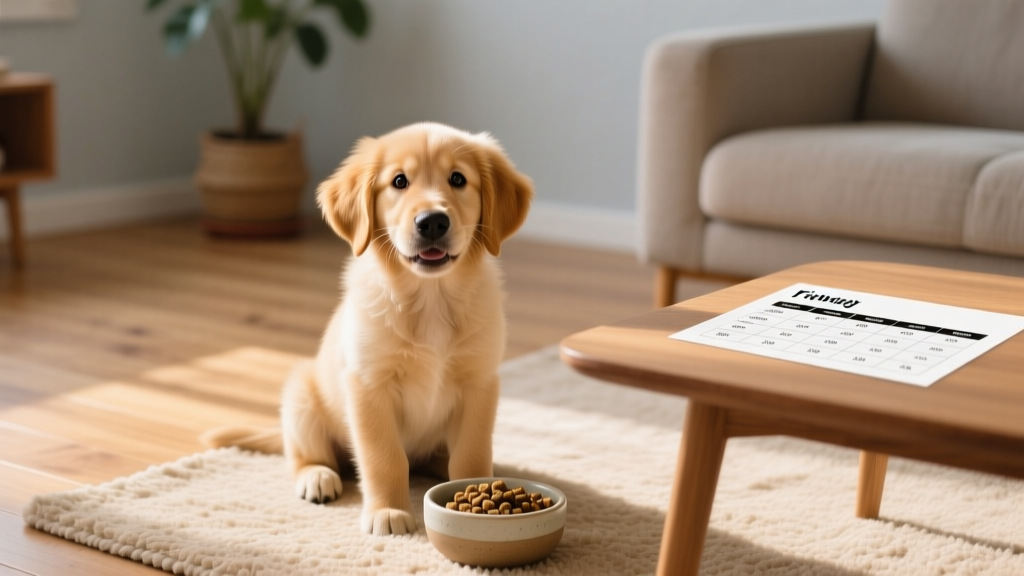
Important notes on portions: These ranges assume a kibble with approximately 350–400 kcal/cup. Adjust based on your specific food's caloric density and your puppy's body condition score (BCS). You should be able to feel ribs easily without pressing but not see them prominently. A visible waist when viewed from above indicates appropriate condition.
Transition from puppy to adult large-breed formula between 12–18 months. German Shepherds benefit from remaining on controlled-calorie diets throughout life due to their predisposition to obesity-related joint stress.
Vaccination Schedule: Core and Non-Core Protection
According to the American Veterinary Medical Association, puppies receive maternal antibodies that gradually wane, creating a window of vulnerability. The vaccination series is designed to close that gap.
| Age | Vaccine | Notes |
|---|---|---|
| 6–8 weeks | DHPP (Distemper, Hepatitis/Adenovirus, Parainfluenza, Parvovirus) — 1st dose | Often administered by breeder; maternal antibodies may still interfere |
| 10–12 weeks | DHPP — 2nd dose; Bordetella (optional, based on exposure risk) | Boosters given every 2–4 weeks until 16 weeks minimum |
| 14–16 weeks | DHPP — 3rd dose; Rabies (required by law in most US states) | Final puppy DHPP; maternal antibodies should be low enough for full immune response |
| 12–16 months | DHPP booster; Rabies booster; Leptospirosis (risk-based); Lyme (risk-based) | First adult booster; discuss non-core vaccines based on your geographic area and lifestyle |
Cost expectations: Individual puppy vaccines typically range from $20–$45 per dose at a general practice. Full puppy series (3 DHPP + rabies) runs $80–$180 total. Many clinics offer puppy wellness packages for $150–$300 that bundle vaccines, deworming, and initial exams.
Socialization Window: The Critical Weeks 3–14
The American Kennel Club identifies weeks 3–14 as the primary socialization period for puppies. During this window, Alsatian puppies form lasting associations with novel stimuli. Missed socialization during this period is the single largest behavioral risk factor for fear-based aggression in German Shepherds.
Pre-vaccination safety: Before your puppy completes the DHPP series, carry them in public spaces rather than letting them walk on ground where unknown dogs have been. You can still socialize extensively through controlled exposure.
Socialization Exposure Checklist
- Surfaces: Gravel, grass, tile, wet pavement, metal grates, wooden bridges, carpet, sand
- People: Children (supervised), elderly individuals, people wearing hats/sunglasses/masks, people with mobility aids, tall men, people with deep voices
- Sounds: Vacuum cleaner, doorbell, thunderstorms (recorded at low volume), traffic, construction noise, fireworks (recorded), children screaming, clapping
- Objects: Umbrellas opening, garbage trucks, bicycles, skateboards, plastic bags blowing, flags, balloons
- Handling: Nail trimming practice, ear examination, mouth opening, paw handling, being lifted onto grooming table, wearing a muzzle (positive introduction)
- Animals: Fully vaccinated, temperament-tested adult dogs; cats (if household has them); livestock (if rural environment); avoid dog parks until vaccination complete
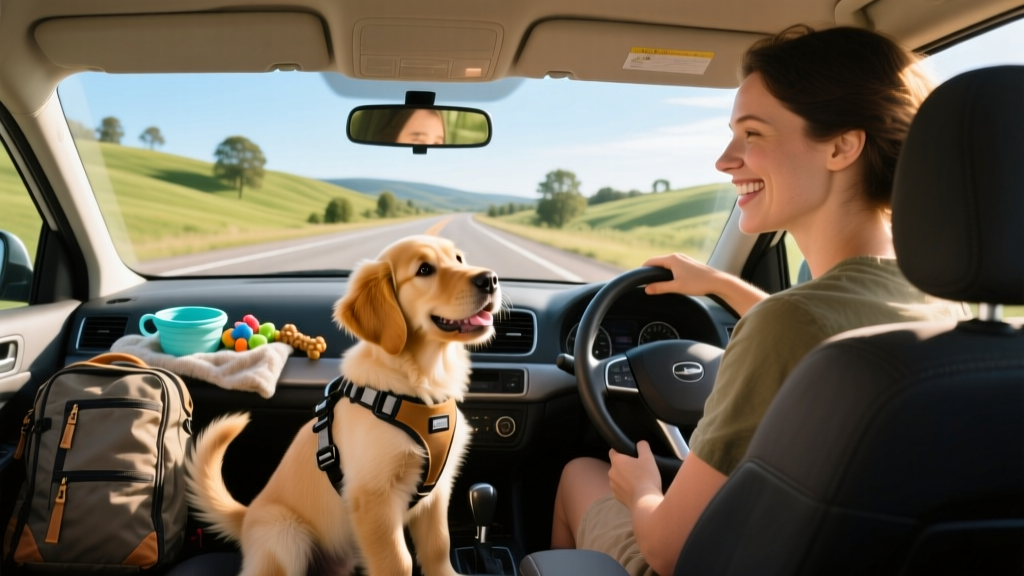
- Environments: Car rides, veterinary clinic (happy visits with treats only), pet-friendly stores, outdoor seating areas, school playgrounds (at a distance initially)
Rule of thumb: Aim for 3–5 novel positive experiences per day during weeks 8–14. Pair every new experience with high-value treats (small pieces of boiled chicken, cheese, or commercial training treats). If your puppy shows fear, increase distance from the stimulus and let them observe without pressure. Never force interaction.
Potty Training: Realistic Timelines and Troubleshooting
German Shepherd puppies are intelligent and generally pick up house-training faster than many breeds — but "faster" still means weeks, not days. Here's what realistic progress looks like:
- 8–12 weeks: Accidents every 1–3 days are normal. Take puppy out every 30–60 minutes during active hours, immediately after eating, drinking, playing, and waking.
- 12–16 weeks: Accidents should decrease to 1–2 per week if you maintain a consistent schedule. Puppy can hold 2–3 hours during the day.
- 4–6 months: Most Alsatian puppies are reliably house-trained during the day with 3–4 scheduled outings. Occasional accidents may still occur during excitement or schedule disruptions.
- 6–9 months: Full reliability for most puppies. Nighttime bladder control is typically established by 5–6 months.
Potty Training Log Template
| Time | Activity | Location | Result | Notes |
|---|---|---|---|---|
| 6:30 AM | Wake + carry outside | Designated potty spot | ✓ Urinated + defecated | Treat + praise immediately |
| 7:15 AM | After breakfast (15 min) | Designated potty spot | ✓ Defecated | Consistent timing helps predict schedule |
| 8:00 AM | After play session | Designated potty spot | ✓ Urinated | — |
| 9:30 AM | Crate wake-up | Designated potty spot | ✗ Nothing | Try again in 15 min |
Troubleshooting common issues:
- Submissive urination: Common in young German Shepherds when greeted enthusiastically. Ignore the puppy for the first 30 seconds when arriving home; greet calmly at their level without direct eye contact. Most outgrow this by 6–12 months.
- Excitement urination: Similar to submissive but triggered by high arousal. Reduce stimulation before outings; take puppy out before exciting events (guests arriving, car rides).
- Regression during adolescence: Intact males may begin marking between 6–12 months. Increase supervision, return to more frequent outings, and consult your veterinarian about appropriate timing for gonadectomy.
Crate Training: Progression and Time Limits
German Shepherds adapt well to crate training when introduced positively. The crate becomes a den for rest, a management tool for potty training, and a safe space during stressful events (thunderstorms, guests, travel).
| Age | Maximum Daytime Crate Duration | Maximum Nighttime Duration |
|---|---|---|
| 8–10 weeks | 30–60 minutes | 2–3 hours (expect 1–2 overnight potty breaks) |
| 10–12 weeks | 1–2 hours | 3–4 hours |
| 3–4 months | 2–3 hours | 5–6 hours |
| 4–6 months | 3–4 hours | 6–8 hours |
| 6+ months | 4–5 hours | 8 hours (overnight) |
Progression steps:
- Week 1: Leave crate door open; feed meals inside; toss treats in; let puppy enter and exit freely. Target: puppy chooses to nap inside with door open.
- Week 2: Close door for 1–5 minutes while you remain visible. Give a stuffed Kong or lick mat. Gradually increase duration.
- Week 3: Close door and step out of sight for 1–5 minutes. Return before puppy shows distress. Gradually extend absences.
- Week 4+: Build to target durations for your puppy's age. Always provide a safe chew or food puzzle for longer sessions.
Whining protocol: If your puppy whines, wait for a 3-second pause in vocalization before opening the crate or letting them out. This prevents reinforcing the whining. If whining persists beyond 15–20 minutes on the first nights, your puppy likely needs a potty break — take them out calmly on leash, return to crate immediately after.
Teething Timeline and Relief Strategies
Alsatian puppies go through two teething phases that drive intense chewing behavior:
- Deciduous teeth eruption (3–6 weeks): Baby teeth come in; usually managed by the breeder.
- Adult teeth eruption (3–6 months): This is the phase owners experience. Incisors push through first (around 12–16 weeks), followed by canines (16–20 weeks), premolars (20–24 weeks), and molars (24–28 weeks). By 6–7 months, all 42 adult teeth should be in place.
Safe chew recommendations for teething Alsatians:
- Frozen washcloth: Wet a clean washcloth, twist into a rope, freeze for 2 hours. Supervise use; remove when puppy starts tearing fabric.
- Rubber chew toys: Kong Classic (size Large for 4+ month Alsatians, filled with frozen peanut butter and kibble); West Paw Toppl (interlocking design for stuffing).
- Edible chews: Bully sticks (supervised — remove when piece gets small enough to swallow); yak cheese chews; avoid rawhide due to choking and digestive blockage risk.
- Chilled carrots: Whole large carrots chilled in the refrigerator provide crunch without splintering. Remove when puppy gnaws them down to a small piece.
Retained deciduous teeth: German Shepherds occasionally retain baby canines alongside adult teeth. If you notice two rows of teeth after 6 months, your veterinarian should extract the retained tooth to prevent malocclusion and periodontal disease.
Common Alsatian Puppy Problems and Solutions
Puppy Biting and Nipping
German Shepherd puppies are mouthy by nature — they were bred for bite-work, and exploring the world with their mouths is instinctive. This is the number one complaint from new Alsatian owners.
What works:
- Redirect: When teeth touch skin, immediately offer an appropriate chew toy. Praise enthusiastically when they bite the toy instead.
- Withdraw attention: If redirect fails, stand up, fold arms, and be still for 10–15 seconds (a "time-out" without a crate). Resume interaction when puppy is calm.
- Satisfy the drive: Provide 2–3 structured tug sessions daily with clear "take it" and "drop it" cues. This channels mouth drive appropriately.
- Exercise the mind: Bored Alsatian puppies bite more. Add 10–15 minutes of scent work, puzzle feeders, or training sessions to reduce mouthing.
What doesn't work: Yelling, holding the muzzle shut, alpha rolls, or any physical punishment. These methods increase fear and can trigger defensive biting. The American Veterinary Society of Animal Behavior explicitly advises against dominance-based training techniques due to their association with increased aggression.
Destructive Chewing
Between 4–8 months, Alsatian puppies combine teething discomfort with adolescent boredom and powerful jaw strength. Unsupervised access to your home during this period will result in destroyed furniture, shoes, and baseboards.
Solution: Confine puppy to a puppy-proofed area or crate when unsupervised. Provide a rotation of 4–5 appropriate chew toys (rotate every 2–3 days to maintain novelty). Exercise for 30–45 minutes before leaving to reduce anxiety-driven chewing.
Separation Distress
German Shepherds form deep bonds and are predisposed to separation anxiety. Signs include prolonged vocalization, destructive behavior focused on exit points, and house-soiling only when alone.
Prevention: Practice short departures (30 seconds to 5 minutes) daily from week 8 onward. Vary departure cues (pick up keys then sit back down; put on shoes then remove them). Never make departures or arrivals emotional events. If distress behaviors persist beyond the initial adjustment period, consult a certified professional dog trainer or veterinary behaviorist early — separation anxiety rarely resolves without intervention.
When Can My Alsatian Puppy Go Outside and Meet Other Dogs?
This question balances socialization urgency against disease risk. Here's the evidence-based approach:
- Immediately (8 weeks): Carry your puppy to outdoor environments. Let them observe traffic, people, sounds, and surfaces from your arms or a blanket in a stroller/wagon.
- Private, controlled settings: Your own yard (if no unknown dogs have access) and homes of friends with fully vaccinated, healthy dogs are safe from day one.
- After 2nd DHPP (10–12 weeks): Short walks on low-traffic residential sidewalks. Avoid areas with high dog traffic (dog parks, pet store floors, popular walking trails).
- After final DHPP at 14–16 weeks + 1 week: Full clearance for public walks, puppy classes, and supervised play with vaccinated dogs.
- Dog parks: Wait until at least 5–6 months and after completing all vaccinations. Even then, many trainers recommend avoiding dog parks in favor of controlled playdates due to unpredictable dog interactions and disease exposure.
First-Year Cost Breakdown for Alsatian Owners
German Shepherds are large dogs with significant food and medical costs. Budget realistically before committing.
| Category | Low Estimate | High Estimate | Notes |
|---|---|---|---|
| Puppy purchase/adoption | $300 | $3,500 | Rescue vs. health-tested breeder; working/show lines cost more |
| Veterinary (vaccines, exams, spay/neuter) | $500 | $1,200 | Includes puppy series, rabies, microchip, wellness exams, gonadectomy |
| Food (large-breed puppy formula) | $600 | $1,100 | Based on premium kibble at $55–$90/bag; raw diets cost significantly more |
| Supplies (crate, bed, leash, harness, bowls, toys) | $250 | $600 | Large/XL crate required; invest in durable toys — GSDs destroy cheap ones |
| Training (puppy class + basic obedience) | $200 | $800 | Group classes $150–$300; private sessions $75–$150/hour |
| Preventive medications (flea/tick, heartworm) | $200 | $450 | Year-round prevention recommended in most US regions |
| Pet insurance (optional) | $480 | $960 | $40–$80/month; consider given breed's hip dysplasia and GI risk |
| Grooming | $0 | $400 | Home brushing is sufficient; professional deshedding optional |
| Total estimated first year | $2,530 | $9,010 | Varies significantly by region, breeder source, and care choices |
Frequently Asked Questions About Training Alsatian Puppies
How often should I feed my Alsatian puppy at 10 weeks?
At 10 weeks, feed 3–4 meals per day, totaling approximately 1.5–2.5 cups of large-breed puppy kibble daily (adjusted for your food's caloric density). Divide evenly across meals. Consistent meal timing aids potty training predictability — most puppies need to eliminate 15–30 minutes after eating.
When will my Alsatian puppy be fully potty trained?
Most German Shepherd puppies achieve reliable daytime house-training between 4–6 months of age with consistent scheduling. Full reliability (including overnight and during excitement) typically comes by 6–9 months. Individual variation is significant — some puppies are reliable at 4 months, others take closer to 9 months. Consistency matters more than the puppy's intelligence.
How do I stop my Alsatian puppy from biting my hands and ankles?
Redirect every bite to an appropriate toy immediately. If the puppy persists, withdraw attention for 10–15 seconds (stand still, no eye contact, no talking). Resume interaction when calm. Provide structured tug play 2–3 times daily to satisfy mouth drive. Ensure your puppy gets adequate mental stimulation — 15 minutes of training or puzzle work can reduce mouthing more than 30 minutes of physical exercise. Never use physical punishment, which escalates biting in this breed.
What vaccines does my Alsatian puppy need and when?
Core vaccines include DHPP (Distemper, Hepatitis, Parainfluenza, Parvovirus) at 6–8 weeks, 10–12 weeks, and 14–16 weeks, plus Rabies at 14–16 weeks (timing varies by state law). Non-core vaccines your veterinarian may recommend based on risk include Bordetella, Leptospirosis, and Lyme disease. A booster round occurs at 12–16 months. Your veterinarian will customize the protocol based on your puppy's health status and local disease prevalence.
When should I start formal training classes?
Puppy kindergarten classes can begin after your puppy's second DHPP vaccine (typically around 10–12 weeks), provided the class requires vaccination proof and maintains clean facilities. Many trainers accept puppies at 10 weeks with at least one DHPP dose and a negative fecal test. Look for classes using positive reinforcement methods exclusively — avoid any trainer who recommends prong collars, shock collars, or physical corrections for puppies.
Marcus Aldridge
All our authors care for dogs every day — read more of their work on the authors page.