Teething Puppy Survival Guide: Week: by: Week Timeline,...
Complete teething puppy guide covering milestones from 4 weeks to 12 months, feeding schedules, vaccination timelines, potty training, and first-year cost breakdown.

Raising a puppy from eight weeks to adulthood is one of the most rewarding — and exhausting — experiences a dog owner can have. Between the 3 a.m. potty breaks, the needle-sharp puppy teeth latching onto your ankles, and the seemingly endless vaccination appointments, the first year tests every new owner's patience. This guide gives you a concrete, week-by-week roadmap so you know exactly what's coming, what's normal, and when to call your vet.
Every timeline below reflects breed-average data for small-to-medium companion breeds (20–50 lb / 9–23 kg adult weight). Giant breeds mature slower; toy breeds mature faster. Always cross-reference with your veterinarian's breed-specific guidance.
When Should I Bring My Puppy Home?
The American Kennel Club and the American Veterinary Medical Association both recommend puppies stay with their dam and littermates until at least 8 weeks of age. Some toy and brachycephalic breeds (Chihuahuas, Pugs, French Bulldogs) benefit from staying until 10–12 weeks because their smaller body mass makes the transition to a new home more stressful and their immune systems less robust.
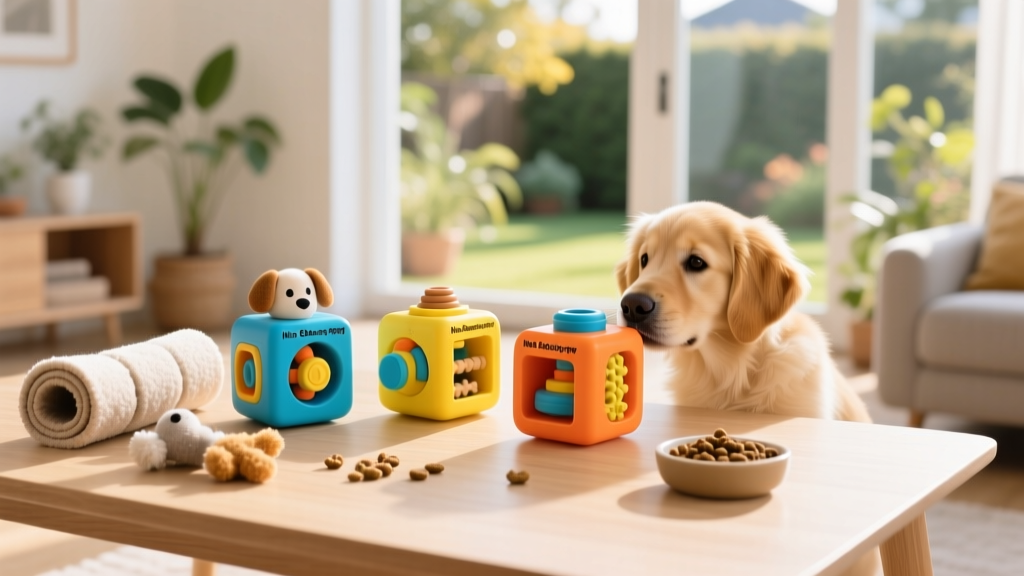
Before pickup day, have these supplies ready: a properly sized crate (large enough for the puppy to stand, turn, and lie down but not so large they can soil one end), stainless steel food and water bowls, an enzymatic cleaner for accidents, and at least three different textures of chew toys.
Puppy Development Milestones: Weeks 4 Through 12 Months
| Age Range | Developmental Stage | What to Expect | Key Actions for Owners |
|---|---|---|---|
| Weeks 4–8 | Socialization onset; weaning complete by week 7 | Deciduous (baby) teeth fully erupted — 28 teeth. Puppies learn bite inhibition from littermates. Fear imprint period begins around week 8. | If still with breeder: daily gentle handling, exposure to varied surfaces, sounds, and people. Begin name recognition. |
| Weeks 8–12 | Primary socialization window; peak curiosity | Puppy explores everything with mouth. Bladder capacity approximately 1 hour per month of age. Sleep needs: 18–20 hours/day. Nipping and mouthing are normal. | Begin crate training (short sessions). Start positive-reinforcement training (sit, name, recall). Carry puppy in public for socialization before vaccines are complete. |
| Weeks 12–16 | Fear impact period (weeks 8–11 may recur); secondary socialization | Puppy may suddenly seem fearful of previously familiar things. Baby teeth begin loosening around week 14–16 in early developers. Bladder control improves to 2–3 hours. | Avoid forcing scary encounters — let puppy approach at own pace with high-value treats. Begin short leash walks post-vaccination clearance. |
| Weeks 16–24 | Peak teething period; juvenile energy surge | Adult teeth erupt, pushing out 28 deciduous teeth. Total adult dentition: 42 teeth. Chewing intensity peaks. Puppy may drool more, have mild gingival bleeding, and seek relief on furniture/shoes. | Provide frozen chew toys, rubber Kongs stuffed with peanut butter (xylitol-free), and dental chews sized for puppy weight. Puppy-proof all rooms. Schedule spay/neuter consultation. |
| 6–12 Months | Adolescence; sexual maturity; teething resolves | All adult teeth in by 6–7 months. Hormonal behaviors emerge in intact dogs (marking, roaming, mounting). "Second fear period" may occur around 6–14 months. Training regression is common. | Increase physical and mental exercise. Maintain training consistency. Discuss spay/neuter timing with your vet (current evidence supports waiting until growth plates close for large breeds, typically 12–18 months). |
Feeding Schedule: Exact Portions by Age and Weight
Puppies need frequent, measured meals to support rapid growth without overloading developing joints. The Association of American Feed Control Officials (AAFCO) requires puppy foods to carry a "growth" or "all life stages" nutritional adequacy statement. Look for this on the label.
| Puppy Age | Meals Per Day | Estimated Daily Kibble (20 lb / 9 kg expected adult weight) | Estimated Daily Kibble (40 lb / 18 kg expected adult weight) |
|---|---|---|---|
| 8–12 weeks | 4 meals | ¾ – 1 cup (split across 4 feedings) | 1¼ – 1¾ cups (split across 4 feedings) |
| 12–16 weeks | 3 meals | 1 – 1¼ cups | 1¾ – 2¼ cups |
| 4–6 months | 3 meals → 2 meals | 1 – 1½ cups | 2 – 2¾ cups |
| 6–12 months | 2 meals | 1¼ – 1¾ cups (transition to adult food around 10–12 months) | 2½ – 3½ cups (large breeds may stay on puppy food until 18–24 months) |
Vaccination Schedule: Core and Non-Core Shots
The American Veterinary Medical Association defines core vaccines as those every puppy needs regardless of lifestyle. Non-core vaccines depend on your geographic region and your dog's exposure risk.
| Age | Core Vaccines | Non-Core (Risk-Based) | Notes |
|---|---|---|---|
| 6–8 weeks | DHPP (Distemper, Hepatitis/Adenovirus, Parainfluenza, Parvovirus) — Dose 1 | Bordetella (intranasal, if entering group training or boarding) | Typically administered by breeder or shelter before pickup. |
| 10–12 weeks | DHPP — Dose 2 | Leptospirosis (Dose 1), Lyme disease (Dose 1, if in endemic area), Bordetella (Dose 2 if injectable) | Maternal antibodies may still partially interfere. Avoid high-dog-traffic areas until series is complete. |
| 14–16 weeks | DHPP — Dose 3; Rabies (single dose, legally required in most US states) | Leptospirosis (Dose 2), Lyme (Dose 2), Canine Influenza (Dose 1 if recommended) | Final DHPP at or after 16 weeks ensures maternal antibody interference has waned. Full immunity achieved approximately 2 weeks post-final dose. |
| 12–16 months | DHPP booster; Rabies booster (1-year or 3-year depending on local law) | Boosters for all non-core vaccines given in puppy series | After this, DHPP and Rabies typically move to 3-year intervals. Bordetella and Leptospirosis remain annual. |
Teething Puppy Timeline: Relief Strategies and Safe Chews
The teething phase — roughly 3 to 7 months of age — is when many owners feel most frustrated. Understanding the biological process helps you respond appropriately instead of punishing natural behavior.
What Happens During Teething
Your puppy is born toothless. By 6–8 weeks, all 28 deciduous (baby) teeth have erupted. Starting around 12–16 weeks, the adult tooth buds developing beneath the gumline begin resorbing the roots of the baby teeth, causing them to loosen and fall out. By 6–7 months, all 42 permanent teeth should be in place.
During active eruption, puppies experience gingival inflammation, mild pain, and an intense urge to chew. You may notice:
- Increased drooling
- Small spots of blood on chew toys (normal — from inflamed gums)
- Reluctance to eat hard kibble for a day or two
- Finding tiny teeth on the floor or in bedding (many puppies swallow them — harmless)
- Chewing on inappropriate items with greater intensity
Safe Teething Relief Strategies
| Strategy | Best For | Safety Notes |
|---|---|---|
| Frozen rubber Kong stuffed with xylitol-free peanut butter or plain yogurt | Soothing inflamed gums; 20–30 min enrichment | Choose puppy-size Kong. Supervise. Never use peanut butter containing xylitol (birch sugar) — it is rapidly fatal to dogs. Call ASPCA Poison Control (888) 426-4435 immediately if ingested. |
| Wet washcloth twisted into a rope and frozen | Young puppies (8–16 weeks) with smaller jaws | Replace once frayed. Do not leave puppy unattended — fabric pieces can cause intestinal obstruction if swallowed. |
| Benebone or Nylabone puppy-specific nylon chews | Power chewers; long-lasting relief | Select "puppy" formula (softer than adult versions). Discard when worn down to a size that could be swallowed whole. |
| Chilled (not frozen solid) carrots or apple slices (no seeds) | Low-calorie edible chew; crunch provides gum relief | Supervise to prevent choking. Limit to 2–3 baby carrots or 2–3 apple slices per session. Apple seeds contain amygdalin (cyanide precursor) — always core and seed apples first. |
| Bully sticks (single-ingredient beef pizzle) | Extended chewing sessions (30–60 min) | High calorie — account in daily food intake. Remove the last 2 inches to prevent choking/gulping. Choose odor-free, USA-sourced products to reduce bacterial contamination risk. |
Potty Training Timeline and Troubleshooting
Realistic expectations prevent frustration. A puppy's bladder control follows a rough formula: one hour per month of age, plus one. A 3-month-old puppy can typically hold urine for about 4 hours — but only during rest. Active puppies need more frequent breaks.
Expected Potty Training Milestones
- 8–12 weeks: Accidents every day. Take puppy out every 1–2 hours, plus immediately after meals, naps, and play sessions. Use a consistent verbal cue ("go potty").
- 12–16 weeks: Accidents drop to 1–3 per week if schedule is consistent. Puppy begins to signal (sniffing, circling, heading to door).
- 4–6 months: Mostly reliable with occasional accident (1–2 per month). Puppy can hold 4–5 hours during the day.
- 6–9 months: Fully reliable for most puppies. Some small breeds (under 15 lb / 7 kg) may take until 10–12 months due to smaller bladder capacity.
Common Potty Training Problems
Submissive urination (peeing when greeted): This is not a housebreaking failure — it's an involuntary response to excitement or intimidation. Ignore the puppy for the first 2–3 minutes when you come home. Greet calmly at floor level without direct eye contact. Most puppies outgrow this by 12 months.
Regression at 4–6 months: Often coincides with teething discomfort or a developmental fear period. Return to a tighter schedule (every 2 hours) for one week, increase reward value (use boiled chicken instead of kibble), and avoid punishment — it only increases anxiety and makes the puppy hide to eliminate.
Marking behavior (small amounts on vertical surfaces): More common in intact males after 6 months. Spaying/neutering reduces but doesn't always eliminate marking. Interrupt with a neutral "oops" and redirect outside. Clean marked areas with enzymatic cleaner (Nature's Miracle or Rocco & Roxia brand) to remove pheromone triggers.
Socialization Window: Weeks 3–14
The Merck Veterinary Manual identifies the primary socialization period as approximately 3 to 14 weeks of age. Experiences during this window shape lifelong responses to novelty. Puppies deprived of varied stimuli during this period are statistically more likely to develop fear-based aggression, separation anxiety, and noise phobias as adults.
Socialization Exposure Checklist (Aim for 5–10 New Experiences Per Week)
| Category | Specific Exposures | Pre-Vaccine Safety |
|---|---|---|
| People | Men with beards, children (supervised), people in hats/sunglasses, people using wheelchairs or crutches, delivery workers, people of different ethnicities and heights | Invite people to your home or yard. Avoid dog parks and high-traffic pet stores until vaccine series is complete. |
| Surfaces | Gravel, grass, wet pavement, metal grates, carpet, tile, stairs (carry puppy up/down until 12 weeks to protect joints) | Set up obstacle courses in your yard or garage. |
| Sounds | Vacuum cleaner (start at low volume, 10 ft away), thunderstorms (play recordings at low volume), doorbell, fireworks recordings, traffic noise, hair dryer | Pair each sound with high-value treats. If puppy shows fear, reduce volume/distance and proceed more slowly. |
| Handling | Paw touching, ear examination, mouth opening, nail clipping simulation, gentle restraint (for future vet visits), towel wrapping | Practice daily for 2–3 minutes. This prevents struggle during veterinary exams and grooming. |
| Other Animals | Fully vaccinated, temperament-tested adult dogs; cats (supervised); livestock (if rural) | Only with known-vaccinated animals in private settings. Avoid dog parks entirely until 2 weeks after final puppy vaccine (approximately 18 weeks). |
| Environments | Car rides (short trips), outdoor café (carried), friend's house, hardware store (carried in sling), elevator, automatic doors | Carry puppy or use a sling in public spaces. Do not place on floors where unknown dogs have walked. |
Crate Training Progression and Time Limits
A crate is your puppy's safe den, not a punishment space. Maximum crating time follows the same bladder-capacity formula: age in months plus one, in hours. Never exceed these limits — doing so forces the puppy to soil the crate, which destroys the instinct to keep the sleeping area clean and severely sets back potty training.
| Puppy Age | Maximum Crate Time (Daytime) | Overnight Expectation | Training Goal |
|---|---|---|---|
| 8–10 weeks | 30–60 minutes | Set alarm for 2–3 a.m. potty break | Puppy enters willingly for treats/meals. Door closed for 5–10 min while you sit nearby. |
| 10–14 weeks | 1–2 hours | One overnight break around 3–4 a.m. | Puppy settles within 10–15 minutes of crating. Brief whining is normal; prolonged distress (30+ min) means you increased duration too fast. |
| 3–4 months | 2–3 hours | May sleep 6–7 hours straight | Puppy naps calmly in crate during family activity. Practice leaving the room for increasing durations. |
| 5–6 months | 3–4 hours | 7–8 hours (most puppies sleep through the night) | Crate is a chosen resting spot even when door is left open. |
If your puppy cries in the crate at night, first rule out a potty need (take them out on leash, keep it boring — no play). If they've just eliminated and still cry, wait 5–10 minutes before responding. Responding immediately teaches that crying opens the door. However, never let a puppy cry for more than 20–30 minutes — that crosses from training into distress and can create lasting crate anxiety.
Stopping Puppy Biting and Nipping
Puppy biting is the number one complaint from new owners. It's also completely normal — puppies explore the world with their mouths, and their littermates taught them how hard is too hard. Your job is to continue that education.
The Redirect Method (Force-Free, Positive Reinforcement)
- When teeth touch skin: Say "ouch" in a calm, slightly surprised tone (not a scream — high-pitched yelling excites some puppies more).
- Immediately withdraw attention: Stand up, turn away, or step behind a baby gate for 10–15 seconds.
- Return and redirect: Offer an appropriate chew toy. When puppy mouths the toy, praise calmly and engage in play.
- If biting persists: The puppy is likely overtired. Puppies need 18–20 hours of sleep per day, and an overstimulated puppy bites more, not less. Enforce a nap in the crate.
First-Year Cost Breakdown
Budgeting realistically prevents surrender — financial stress is a leading reason dogs end up in shelters. Below is a 2026 cost estimate for a medium-breed puppy (30–50 lb / 14–23 kg adult weight) in the United States. Costs vary significantly by region (urban areas are 20–40% higher than rural).
| Category | Low Estimate | Average Estimate | High Estimate | Notes |
|---|---|---|---|---|
| Puppy purchase/adoption fee | $250 (rescue) | $1,500 (responsible breeder) | $3,500+ (show-line breeder) | Adoption fees typically include first vaccines, deworming, and spay/neuter. |
| Veterinary (wellness, vaccines, spay/neuter) | $600 | $1,200 | $2,500 | Includes 3–4 wellness visits, full vaccine series, heartworm test, fecal exams, spay/neuter, microchip. |
| Food (quality puppy kibble) | $300 | $550 | $900 | Based on $1.50–$3.50/lb kibble. Raw or fresh diets cost $1,500–$3,000/year. |
| Supplies (crate, bed, bowls, leash, collar, toys, gates) | $200 | $450 | $800 | One-time purchases. Replace toys and bedding periodically. |
| Training (group classes or private trainer) | $150 (group classes) | $400 | $1,200 (private sessions) | Puppy kindergarten (6–8 week course) typically $150–$300. |
| Preventive medications (heartworm, flea/tick) | $200 | $350 | $500 | Year-round prevention recommended in most US regions. |
| Pet insurance (optional) | $300/year | $600/year | $900/year | Enroll before first illness — pre-existing conditions are excluded. |
| TOTAL FIRST YEAR | $2,000 | $5,050 | $10,300+ | Emergency veterinary care (not included) can add $1,000–$5,000+ per incident. |
Frequently Asked Questions
When can my puppy go outside and meet other dogs?
Your puppy can go outside in controlled, low-risk environments (your own yard, being carried in a sling through quiet neighborhoods) immediately after coming home. However, avoid areas with unknown dog traffic — parks, pet stores, sidewalks where many dogs walk — until two weeks after the final DHPP vaccine, typically around 18 weeks of age. Puppy socialization classes that require proof of at least one DHPP dose and use sanitized floors are generally safe from 10 weeks onward and are strongly recommended during the critical socialization window.
How do I know if my teething puppy is in pain or just chewing normally?
Normal teething behavior includes enthusiastic chewing, mild drooling, and occasionally finding a loose tooth. Signs that warrant a veterinary exam include: refusing food for more than 24 hours, pawing at the mouth repeatedly, visible swelling on the face or jaw, foul odor from the mouth (beyond typical puppy breath), or bleeding that doesn't stop within a few minutes. These could indicate an abscessed tooth, oral infection, or a retained deciduous tooth that needs extraction.
My puppy is biting my children — is this aggressive?
In puppies under 6 months, biting is almost always play behavior or teething relief, not aggression. However, children under 10 should never be left unsupervised with a puppy. Teach children to stand still ("be a tree") when the puppy gets mouthy, and to redirect to a toy. If the puppy's biting is accompanied by growling, stiffening, or hard staring — especially over food or toys — consult a certified positive-reinforcement trainer or veterinary behaviorist, as this may indicate early resource guarding.
When should I switch from puppy food to adult food?
Small breeds (under 25 lb / 11 kg adult weight) can transition to adult food at 9–12 months. Medium breeds (25–50 lb / 11–23 kg) at 12–14 months. Large and giant breeds (over 50 lb / 23 kg) should remain on large-breed puppy food until 18–24 months to support proper bone and joint development. Transition gradually over 7–10 days, mixing increasing amounts of adult food with decreasing puppy food.
What if my puppy still has baby teeth after 7 months?
Retained deciduous teeth are most common in toy and small breeds (Yorkshire Terriers, Chihuahuas, Pomeranians, Pugs). If baby teeth haven't fallen out by 7 months and adult teeth are fully erupted alongside them, schedule a veterinary dental exam. The retained teeth will likely need surgical extraction to prevent crowding, which leads to plaque accumulation and early periodontal disease. This procedure is routine and often performed at the same time as spay/neuter.
Marcus Aldridge
All our authors care for dogs every day — read more of their work on the authors page.