Teacup Yorkie Puppies: Complete Care Guide from 8 Weeks to 1 Year
Everything you need to know about teacup Yorkie puppies — feeding schedules, potty training timelines, vaccination plans, and first-year costs explained.

Teacup Yorkie puppies — typically Yorkshire Terriers weighing under 4 pounds as adults — are among the most sought-after toy breeds. Their tiny size makes them irresistibly portable, but it also creates a unique set of care challenges that standard Yorkie guides simply don't address. Hypoglycemia risk, fragile bones, and notoriously stubborn potty training mean that raising a teacup Yorkie puppy requires a precision-based approach to feeding, socialization, and health monitoring.
This guide walks you through every developmental stage from 8 weeks to 12 months, with exact feeding portions, vaccination timelines, and realistic cost expectations so you can plan ahead with confidence. Always consult your veterinarian before making health or nutrition decisions for a dog this small — individual puppies vary significantly.
When Should You Bring a Teacup Yorkie Puppy Home?
Most breeders release standard Yorkie puppies at 8 weeks, but responsible breeders of teacup lines often retain puppies until 10 to 12 weeks of age. This extra time with the litter allows for better immune development, more stable blood sugar regulation, and crucial bite-inhibition learning from siblings.
Bringing a teacup Yorkie home before 10 weeks increases the risk of hypoglycemic episodes (dangerously low blood sugar), which can be fatal in puppies under 2 pounds. According to the American Kennel Club, toy breeds benefit from extended time with their mothers, and many experienced breeders will not release a puppy under 2 lb regardless of age.
Developmental Milestones: What to Expect Week by Week
Weeks 4–8: The Breeder's Window
During this period, your puppy is still with the breeder. Eyes and ears are fully functional, baby teeth are erupting, and litter-mate play is teaching bite inhibition. The puppy should be transitioning from mother's milk to a high-quality puppy mush (kibble soaked in warm water or puppy formula) fed 4 times daily. Weight gain should be steady — roughly 0.5 to 1 oz per day.
Weeks 8–12: The Homecoming Phase
This is when most teacup Yorkies join their new families (typically 1.5 to 2.5 lb). Expect frequent naps — up to 18–20 hours of sleep per day is normal. Your puppy will explore cautiously and may cry at night for the first 3–5 nights. Socialization should begin immediately with gentle handling, new sounds, and exposure to different floor textures. Keep interactions short (5–10 minutes) to avoid overstimulation.
Weeks 12–16: Confidence Building
Your puppy will become noticeably bolder. This is the ideal window to introduce basic cue training (sit, come, name recognition) using tiny treat rewards — think pea-sized pieces. Bladder control begins improving but remains limited; expect accidents every 1–2 hours. Teacup Yorkies at this stage typically weigh 2 to 3 lb.
Weeks 16–24: The Teenage Stretch
Growth rate slows. Your puppy may go through a "fear period" around 16–20 weeks where previously accepted stimuli suddenly seem scary. Continue positive exposure without forcing interactions. Baby teeth begin loosening around 16 weeks, and you may find tiny teeth on the floor. Adult coat texture starts replacing the puppy coat — Yorkies have hair, not fur, so shedding remains minimal.
6–12 Months: Approaching Adulthood
By 6 months, most teacup Yorkies have reached 75–90% of their adult weight (typically 2.5 to 4 lb). Energy levels stabilize, potty training should be mostly reliable, and spay/neuter surgery is commonly scheduled around 6–9 months. Mental maturity lags behind physical maturity — expect puppy-like behavior to persist until 12–18 months.
Feeding Schedule: Exact Portions by Age and Weight
Teacup Yorkie puppies are at serious risk for hypoglycemia (low blood sugar) because their tiny bodies have minimal fat reserves. Frequent, measured feedings are non-negotiable during the first 6 months. Choose a food formulated for toy-breed puppies — look for an AAFCO statement confirming "complete and balanced" nutrition for growth.
| Age | Weight Range | Meals/Day | Daily Amount (dry kibble) | Notes |
|---|---|---|---|---|
| 8–12 weeks | 1.5–2.5 lb (0.7–1.1 kg) | 4 meals | ¼ to ⅓ cup total | Moisten kibble with warm water; offer Nutri-Cal gel between meals if recommended by vet |
| 12–16 weeks | 2–3 lb (0.9–1.4 kg) | 3–4 meals | ⅓ to ½ cup total | Begin transitioning to dry kibble; monitor for soft stools |
| 4–6 months | 2.5–3.5 lb (1.1–1.6 kg) | 3 meals | ⅓ to ½ cup total | Switch to unmoistened kibble; dental health benefit from crunching |
| 6–12 months | 3–4 lb (1.4–1.8 kg) | 2 meals | ¼ to ⅓ cup total | Transition to adult toy-breed formula around 10–12 months |
Vaccination Schedule for Teacup Yorkie Puppies
Toy-breed puppies follow the same core vaccination protocol as larger dogs, but their small size means your veterinarian may adjust timing or split doses to reduce the risk of adverse reactions. The AVMA and the American Animal Hospital Association (AAHA) recommend the following core vaccines:
| Age | Vaccine(s) | Purpose | Typical Cost |
|---|---|---|---|
| 6–8 weeks | DHPP (1st dose) | Distemper, Hepatitis (Adenovirus), Parainfluenza, Parvovirus | $20–$40 |
| 10–12 weeks | DHPP (2nd dose) + Bordetella (optional) | Booster immunity + kennel cough protection | $25–$50 |
| 14–16 weeks | DHPP (3rd dose) + Rabies | Final puppy booster + legally required rabies vaccine | $30–$60 |
| 12–16 months | DHPP booster + Rabies booster | Adult immunity maintenance | $35–$70 |
Non-core vaccines your vet may recommend based on lifestyle include Leptospirosis and Lyme disease. Because teacup Yorkies are small, ask your vet about spacing vaccines 2–3 weeks apart rather than giving multiple shots in a single visit. This reduces the chance of vaccine reactions, which are statistically more common in toy breeds according to Merck Veterinary Manual data.
Potty Training: Realistic Timeline and Troubleshooting
Here's the honest truth that most Yorkie breeders won't volunteer: teacup Yorkies are among the hardest breeds to potty train. Their tiny bladders hold very little, and their small waste output means you may not notice accidents right away. Realistic expectations are essential.
| Age | Bladder Hold Time | Expected Reliability | Outing Frequency |
|---|---|---|---|
| 8–12 weeks | 30–60 minutes | Very low — expect daily accidents | Every 30–45 min while awake |
| 3–4 months | 1–2 hours | Improving — 1–2 accidents per day common | Every 60–90 minutes |
| 5–6 months | 2–3 hours | Moderate — mostly reliable with schedule | Every 2 hours + after meals/naps |
| 7–12 months | 3–4 hours | High — occasional accidents during excitement | Every 3–4 hours |
Most teacup Yorkies are not fully potty trained until 6 to 9 months, and some take up to 12 months. This is normal — not a sign of failure.
Proven Strategies for Teacup Yorkie Potty Training
- Use a confined area: A puppy pen (not just a crate) with a designated potty pad zone and a sleeping zone helps them learn to keep their bed clean.
- Consistent cue word: Say "go potty" (or your chosen phrase) every time they eliminate in the right spot, then reward immediately with a tiny treat.
- Supervise or confine: When you can't watch them, they should be in their pen or crate. Unsupervised roaming guarantees accidents.
- Never punish accidents: Rubbing their nose in it or yelling only teaches them to hide when they need to go. Clean accidents with an enzymatic cleaner (Nature's Miracle or Rocco & Roxie) to remove scent markers.
- Consider indoor options: Many teacup Yorkie owners use a permanent indoor potty station (real grass patch like Fresh Patch or a litter box with dog-safe litter) because these dogs are so small that outdoor trips in bad weather become impractical.
Socialization Window: Weeks 3–14 Checklist
The critical socialization period for puppies closes around 14 weeks of age. What your teacup Yorkie experiences (or doesn't experience) during this window shapes their adult temperament permanently. Because Yorkies can be prone to fear-based barking and reactivity, structured positive exposure is especially important.
Socialization Exposure Checklist
- People: Meet at least 10–15 different people — varying ages, heights, ethnicities, and clothing (hats, sunglasses, bulky coats, uniforms)
- Handling: Gentle touching of paws, ears, mouth, tail, and belly for 30+ seconds daily to prepare for grooming and vet exams
- Surfaces: Walk on grass, gravel, tile, hardwood, carpet, wet pavement, and metal grates
- Sounds: Vacuum cleaner, doorbell, thunderstorm recordings (played at low volume, gradually increased), traffic noise, children laughing
- Objects: Umbrellas opening, bags rustling, bicycles passing, strollers, shopping carts
- Other dogs: Supervised play with 3–5 known, fully vaccinated, gentle dogs of various sizes (avoid dog parks until fully vaccinated)
- Environments: Car rides (start with 5-minute trips), pet-friendly store visits (carried in a sling until vaccinated), different rooms in your home
Each exposure should be paired with treats and praise. If your puppy shows fear, increase distance or reduce intensity — never force an interaction. The goal is positive associations, not "flooding" them with overwhelming stimuli.
Crate Training, Teething, and Common Puppy Problems
Crate Training Progression
A crate provides a safe den and is essential for potty training and preventing destructive chewing. Choose a small crate — roughly 18" x 12" x 14" — so your teacup Yorkie can stand, turn around, and lie down but not use one end as a bathroom.
| Age | Maximum Crate Time (daytime) | Overnight |
|---|---|---|
| 8–10 weeks | 30–45 minutes | 2–3 hours (set alarm for potty break) |
| 11–14 weeks | 1–1.5 hours | 3–4 hours |
| 4–5 months | 2 hours | 5–6 hours |
| 6+ months | 3 hours | 7–8 hours |
Always make the crate a positive space — feed meals inside it, provide a safe chew toy, and never use the crate as punishment.
Teething Timeline (3–6 Months)
Yorkie puppies have 28 baby teeth that begin falling out around 12–16 weeks, with all 42 adult teeth typically in place by 6–7 months. Toy breeds are prone to retained deciduous teeth — baby teeth that don't fall out on schedule — which can crowd adult teeth and cause bite misalignment. Check your puppy's mouth weekly; if you see a baby tooth next to an emerging adult tooth after 5 months of age, mention it at your next vet visit.
Safe teething relief options:
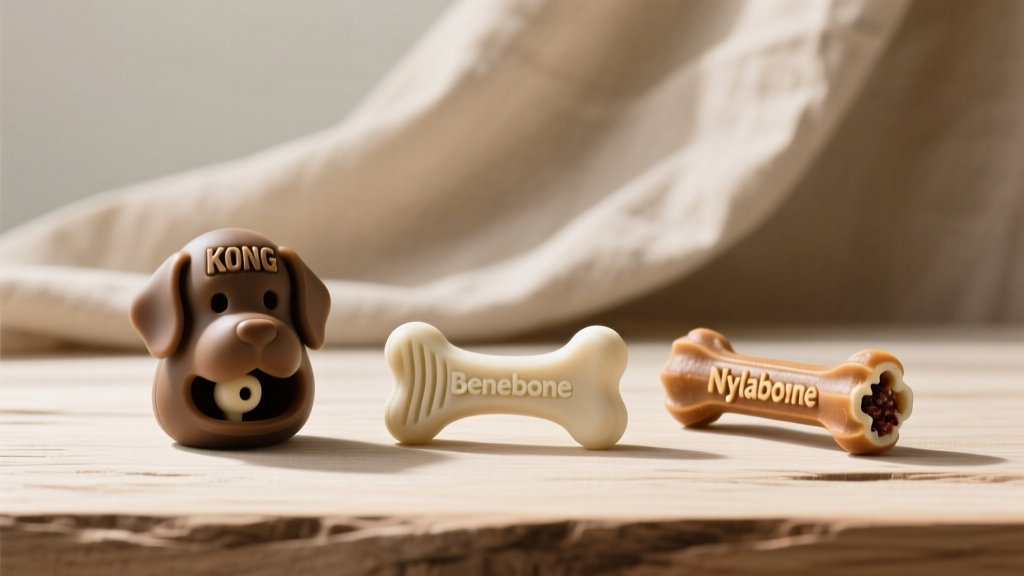
- Frozen (not rock-hard) rubber chew toys such as the KONG Puppy (XS size)
- Chilled, damp washcloth twisted into a rope shape (supervised only)
- Benebone Puppy Wishbone (size XS) for gentle gnawing
- Avoid rawhide, antlers, and hard nylon bones — these can fracture tiny puppy teeth
Common Puppy Problems and Solutions
Puppy biting and nipping: Teacup Yorkie puppies use their mouths to explore, and those needle-sharp baby teeth hurt. When your puppy nips, let out a high-pitched "ouch!" and immediately stop playing for 10–15 seconds (negative punishment — removing attention). Redirect to an appropriate chew toy. Never hold the mouth shut, tap the nose, or use physical punishment — these methods increase fear and can escalate biting. Consistency from every household member is key; expect 3–6 weeks of consistent redirection before nipping significantly decreases.
Whining and crying (especially at night): A newly homed puppy crying in the crate is normal for the first 3–7 nights. Place the crate near your bed initially so your scent is close. A Snuggle Puppy (a plush toy with a simulated heartbeat) or a warm water bottle wrapped in a towel can help. If the puppy has been fed, watered, and given a potty break right before bed, brief crying can be ignored — responding teaches that whining earns attention.
Destructive chewing: Puppy-proof your space at Yorkie eye level (about 6–8 inches off the floor). Electrical cords, small objects, shoes, and houseplants should be out of reach. Provide 4–5 rotating chew toys so novelty stays high. If you catch them chewing something inappropriate, calmly redirect to an approved toy and praise enthusiastically.
When Can My Puppy Go Outside and Meet Other Dogs?
Your puppy can go outside in your own yard or controlled environments immediately after coming home — fresh air and new surfaces are excellent socialization. However, avoid public areas where unvaccinated dogs may have been (dog parks, pet stores with dog traffic, rest areas at highway stops) until 7 days after the final DHPP vaccine at 14–16 weeks. This means full public access typically opens around 17–18 weeks of age.
Controlled playdates with known, fully vaccinated dogs in private yards are safe and encouraged during the socialization window. Puppy kindergarten classes (which typically require at least the first DHPP dose plus a negative fecal test) are also a good option — check with your veterinarian for their recommendation.
First-Year Cost Breakdown for a Teacup Yorkie
Teacup Yorkies are expensive to acquire and maintain. Here's a realistic first-year budget based on 2026 pricing:
| Category | Low End | High End | Details |
|---|---|---|---|
| Puppy purchase | $1,500 | $5,000+ | Reputable breeder with health-tested parents; adopt-from-rescue alternative: $200–$500 |
| Veterinary (wellness) | $400 | $800 | 3 puppy visits, vaccines, fecal tests, heartworm test, spay/neuter |
| Veterinary (unexpected) | $0 | $2,000+ | Hypoglycemia episodes, retained teeth extraction, luxating patella |
| Food | $180 | $360 | Premium toy-breed puppy kibble (Royal Canin Yorkshire Terrier Puppy, Hill's Science Diet Small Paws) |
| Supplies | $200 | $500 | Crate, pen, harness, leash, bowls, bed, grooming tools, toys |
| Grooming | $300 | $720 | Professional grooming every 4–6 weeks at $50–$90 per session |
| Training | $0 | $400 | Puppy kindergarten group class ($150–$250) or private sessions |
| Pet insurance | $360 | $720 | $30–$60/month for accident/illness plan (Trupanion, Healthy Paws, Nationwide) |
| Total first year | $2,940 | $10,500+ | Varies heavily by purchase source and health events |
Teacup Yorkies are predisposed to certain conditions that drive veterinary costs: luxating patellas (kneecap dislocation), tracheal collapse, dental overcrowding, and portosystemic shunts (a liver condition). Pet insurance purchased before symptoms appear can significantly reduce out-of-pocket costs for these conditions.
Frequently Asked Questions
How often should I feed my teacup Yorkie puppy at 10 weeks old?
At 10 weeks, feed 4 meals per day, totaling approximately ¼ to ⅓ cup of toy-breed puppy kibble (moistened with warm water). Space meals roughly 4 hours apart during waking hours. Your veterinarian can fine-tune portions based on your puppy's exact weight and body condition score.
When will my teacup Yorkie be fully potty trained?
Most teacup Yorkies achieve reliable potty habits between 6 and 9 months of age, though some take up to 12 months. Consistency with a schedule, confinement when unsupervised, and positive reinforcement for outdoor elimination are the keys to success. Indoor potty stations are a practical alternative for many owners of dogs this small.
What vaccines does my teacup Yorkie puppy need and when?
Core vaccines include DHPP (Distemper, Hepatitis, Parainfluenza, Parvovirus) at 6–8 weeks, 10–12 weeks, and 14–16 weeks, plus Rabies at 14–16 weeks. Bordetella, Leptospirosis, and Lyme may be recommended based on lifestyle. Ask your veterinarian about spacing vaccines for toy breeds to minimize reaction risk.
How do I stop my teacup Yorkie puppy from biting?
Use redirection and negative punishment (removing attention): when bitten, say "ouch!" in a high-pitched tone, stop playing for 10–15 seconds, then offer an appropriate chew toy. Every person in the household must respond identically. Expect 3–6 weeks of consistent practice. Never use physical punishment, which damages trust and can increase aggression in a fearful small dog.
When can my puppy go outside and meet other dogs?
Private yard exploration and controlled playdates with known vaccinated dogs can begin immediately. Avoid public areas with unknown dog traffic until 7 days after the final puppy DHPP vaccine (typically around 17–18 weeks of age). Puppy socialization classes that require proof of at least one DHPP dose are a safe middle ground.
Is a "teacup" Yorkie an official breed size?
No. The AKC Yorkshire Terrier breed standard specifies a maximum weight of 7 pounds with no minimum. "Teacup" is a marketing term used by some breeders to describe dogs that fall well under the breed standard — typically under 4 pounds. These undersized dogs carry higher health risks including fragile bones, dental problems, and hypoglycemia. Always ask a breeder for the weights of both parents and request to see health clearances before purchasing.
Jonas Cole
All our authors care for dogs every day — read more of their work on the authors page.