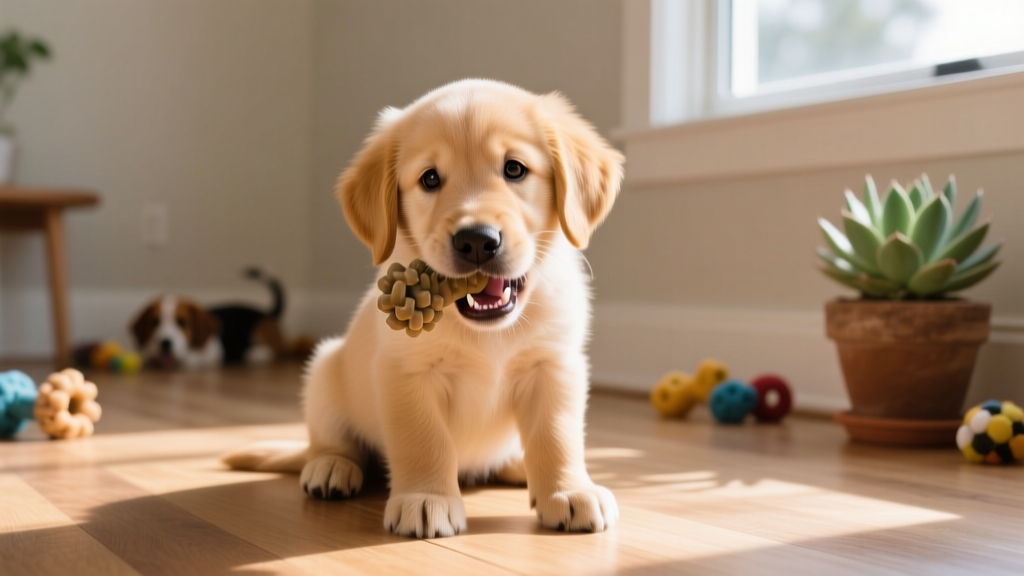
Small Puppy Crate Training Guide
Complete small puppy crate training guide with age-specific milestones, feeding schedules, vaccination timelines, potty training, and first-year cost breakdown.

Bringing home a small-breed puppy — whether it's a Chihuahua, Pomeranian, Toy Poodle, Yorkshire Terrier, or Maltese — comes with a unique set of challenges that large-breed owners rarely face. Their tiny bladders, fragile bones, and heightened sensitivity to stress mean that every piece of advice needs to be scaled down and carefully calibrated. And nowhere does this matter more than in your choice and use of a small puppy crate.
This guide walks you through the first 12 months of your small-breed puppy's life with exact timelines, feeding portions, vaccination schedules, and realistic cost expectations. Think of it as your week-by-week operating manual.
When Should I Bring My Small-Breed Puppy Home?
Small-breed puppies mature physically slower than their large-breed counterparts in some respects, particularly regarding blood sugar regulation and immune development. The American Kennel Club recommends that toy and small-breed puppies stay with their litter until at least 10 to 12 weeks of age, compared to 8 weeks for larger breeds.
Why the extra time? Small puppies are prone to hypoglycemia (dangerously low blood sugar) during the weaning transition. The additional weeks with the breeder allow for more stable eating habits and better stress resilience. Puppies removed at 8 weeks often show higher rates of fear-based behaviors and house-training difficulties later, according to research published in the Journal of Veterinary Behavior.
Age-Specific Milestones: What to Expect Month by Month
Small breeds develop on a compressed timeline compared to giants, but their early weeks still follow predictable patterns. Here's what you should see at each stage:
| Age Range | Developmental Milestones | What You Should Do |
|---|---|---|
| 4–8 weeks | Eyes/ears fully open, first baby teeth erupt, begins walking steadily, starts weaning onto gruel, learns bite inhibition from littermates | Still with breeder. Ensure breeder handles puppies daily and introduces varied textures/sounds. |
| 8–12 weeks | Peak socialization sensitivity, rapid brain development, can learn name and simple cues, bladder holds ~1–2 hours max, fear imprinting period begins at ~8 weeks | Bring home. Begin crate acclimation, name recognition, gentle handling exercises. Keep experiences positive — never force. |
| 12–16 weeks | Bladder capacity improves to 2–3 hours, begins testing boundaries, baby teeth start loosening, attention span increases to 5–10 minutes | Increase crate duration gradually. Start formal positive-reinforcement training sessions (2–3 min each). Introduce toothbrushing. |
| 16–24 weeks | Adult teeth erupting, chewing intensity peaks, may regress in potty training, fear period around 6 months, can hold bladder 3–4 hours | Provide safe chew outlets. Maintain consistent potty schedule. Avoid overwhelming new experiences during fear weeks. |
| 6–12 months | Reaches ~80–90% adult size, sexual maturity (if intact), energy stabilizes, can hold bladder 4–6 hours, full adult coat emerges | Transition to adult food (breed-specific timing). Discuss spay/neuter with vet. Crate should now be a comfortable den, not a confinement tool. |
Feeding Schedule: Exact Portions for Small-Breed Puppies
Small-breed puppies have disproportionately high metabolic rates. A 4-pound Yorkie puppy burns calories faster per pound than a 60-pound Labrador puppy, which means they need more frequent, calorie-dense meals to prevent hypoglycemia. Always choose a food labeled as meeting AAFCO standards for growth or all life stages.
| Puppy Age | Meals Per Day | Approx. Daily Amount (Dry Kibble) | Notes |
|---|---|---|---|
| 8–12 weeks (1–3 lb / 0.5–1.4 kg) | 4 meals | ¼ – ½ cup total | Moisten kibble with warm water. Monitor for hypoglycemia (lethargy, wobbliness). |
| 12–16 weeks (2–5 lb / 0.9–2.3 kg) | 3–4 meals | ⅓ – ¾ cup total | Begin transitioning to dry kibble. Keep fresh water available at all times. |
| 16–24 weeks (3–8 lb / 1.4–3.6 kg) | 3 meals | ½ – 1 cup total | Adjust based on body condition score (BCS). Ribs should be easily felt but not visible. |
| 6–12 months (approaching adult weight) | 2 meals | ¾ – 1¼ cup total (adult formula) | Transition to adult food between 9–12 months for most small breeds. Consult your veterinarian for breed-specific timing. |
These are starting points. Your puppy's individual needs depend on activity level, metabolism, and the caloric density of the specific food you choose. Check the feeding chart on your food's packaging and adjust based on weekly weigh-ins.
Small Puppy Crate Training: A Week-by-Week Progression
The crate is your single most important tool for potty training, safety, and helping your puppy feel secure. For small breeds, sizing is critical — a crate that's too large defeats the purpose (they'll soil one end and sleep in the other), while one that's too small causes stress and joint discomfort.
Choosing the Right Small Puppy Crate
Most small-breed adult dogs need an 18-inch or 22-inch crate (measured diagonally). During puppyhood, use a crate with a movable divider panel — products like the MidWest iCrate (18" or 22" models, $35–$55) or the Frisco Double Door Crate with Divider ($30–$45) let you expand the space as your puppy grows. The correct fit means your puppy can stand up, turn around, and lie down comfortably — but not much more.
Crate Time Limits by Age
| Puppy Age | Max Continuous Crate Time (Day) | Max Overnight Crate Time |
|---|---|---|
| 8–10 weeks | 30–60 minutes | 2–3 hours (expect a nighttime potty break) |
| 11–14 weeks | 1–2 hours | 3–4 hours |
| 15–16 weeks | 2–3 hours | 4–5 hours |
| 4–6 months | 3–4 hours | 6–7 hours |
| 6–12 months | 4–5 hours | 7–8 hours |
Progression Steps
- Days 1–3 (Introduction): Place the crate in your living area with the door open. Toss high-value treats (small pieces of boiled chicken, ~¼ inch) inside. Feed meals near the crate, then inside the crate with the door open. Goal: puppy enters voluntarily.
- Days 4–7 (Short closes): Close the door during meals. Sit nearby. Open the door before puppy finishes eating and is still calm. Gradually extend closed time to 5 minutes after meals.
- Weeks 2–3 (Duration building): Close the door for 10–15 minutes while you're in the same room. Give a stuffed Kong or lick mat. If puppy whines, wait for a 3-second pause before opening — you want to reward quiet, not noise.
- Weeks 3–4 (Brief absences): Leave the room for 1–5 minutes while puppy is in the crate with a chew. Return calmly. Do not make arrivals/departures emotional events.
- Month 2+ (Routine integration): Use the crate for naps, overnight sleep, and when you cannot supervise. Puppy should now view the crate as a safe resting place.
Potty Training Timeline: Realistic Expectations for Small Breeds
Let's be direct: small-breed puppies are notoriously harder to potty train than large breeds. Their bladders are physically smaller, their metabolisms process food faster, and — frankly — many owners are less consistent because a Chihuahua's accident is easier to clean up than a Great Dane's. Consistency is everything.
Realistic Timeline
- 8–12 weeks: Accidents every 1–2 hours. Take puppy outside every 30–60 minutes during active periods. Expect 8–12 outings per day.
- 12–16 weeks: Bladder control improves. Accidents drop to 1–2 per day if schedule is consistent. Puppy begins to signal (sniffing, circling, heading to door).
- 4–6 months: Most small-breed puppies are mostly reliable with 1–2 accidents per week. Still needs scheduled outings every 2–3 hours.
- 6–9 months: Fully reliable for most puppies. Some small breeds take up to 12 months for complete reliability, especially in cold/wet weather (many toy breeds dislike rain).
Troubleshooting Common Potty Problems
Problem: Puppy won't go outside in rain or cold. Small breeds lose body heat quickly. Try a lightweight puppy raincoat (e.g., Hurtta Torrent Coat, $45–$60) or use an indoor potty station with real grass patches (Fresh Patch, $30 for a subscription) as a weather backup.
Problem: Puppy pees in the crate. The crate may be too large (reduce with divider), or you're exceeding the time limits above. Also rule out a urinary tract infection — small breeds are predisposed. Consult your veterinarian if accidents in the crate persist.
Problem: Puppy pees inside 5 minutes after coming back in. This is common. The stimulation of coming inside triggers the bladder. Go back out immediately after entering, wait 2 more minutes outside, then reward heavily for outdoor elimination.
Vaccination Schedule: What Your Small Puppy Needs and When
The American Veterinary Medical Association outlines core and non-core vaccines based on your puppy's risk profile. Small-breed puppies follow the same schedule as larger breeds, but some veterinarians recommend spacing vaccines 3–4 weeks apart rather than combining multiple shots in one visit to reduce the risk of mild adverse reactions (lethargy, facial swelling), which are slightly more common in toy breeds.
| Age | Vaccines | Type | Estimated Cost Per Visit |
|---|---|---|---|
| 6–8 weeks | DHPP (Distemper, Hepatitis, Parainfluenza, Parvovirus) — 1st dose | Core | $75–$100 |
| 10–12 weeks | DHPP — 2nd dose; Bordetella (kennel cough) if socializing; Leptospirosis if in risk area | Core + Non-core | $85–$130 |
| 14–16 weeks | DHPP — 3rd dose; Rabies (required by law in most states) | Core | $90–$150 |
| 12–16 months | DHPP booster; Rabies booster; Bordetella booster if needed | Core + Non-core | $80–$140 |
The Critical Socialization Window: Weeks 3–14
The Merck Veterinary Manual identifies the primary socialization period as approximately 3 to 14 weeks of age. During this window, your puppy's brain is primed to form positive associations with new experiences. After it closes, unfamiliar things trigger fear rather than curiosity.
For small breeds, socialization is especially important because their natural tendency is toward wariness. Without deliberate positive exposure, toy breeds can develop fear-based barking, leash reactivity, and handling sensitivity.
Your Small-Breed Puppy Socialization Checklist
Aim for 3–5 new positive experiences per day during weeks 8–14. Every experience should be paired with treats and kept below your puppy's fear threshold.
- People: Men with beards, children (supervised, gentle), people wearing hats/sunglasses, delivery workers, people in wheelchairs, tall people, people using umbrellas
- Surfaces: Grass, gravel, metal grates, wet pavement, carpet, tile, wooden floors, tarps
- Sounds: Vacuum cleaner (start at distance), doorbell, thunderstorms (play recordings at low volume), traffic, sirens, clapping, kitchen noise
- Handling: Paw touching, ear inspection, mouth opening, nail trimming practice (no cutting yet), being held by different people, gentle restraint
- Objects: Bicycles, strollers, shopping carts, plastic bags blowing, flags, balloons (at distance)
- Environments: Pet-friendly stores, outdoor café patios, parking lots, friend's houses, car rides (short, positive destinations)
- Other animals: Fully vaccinated, calm adult dogs (one at a time), cats (if applicable). Avoid dog parks until vaccination series is complete.
When Can My Puppy Go Outside and Meet Other Dogs?
Your puppy can go on carried outings (in a sling or your arms) immediately — exposure to the outside world is critical during the socialization window. For ground-level walks in low-traffic residential areas, most veterinarians consider this safe 5–7 days after the second DHPP vaccine (around 12 weeks). Dog parks, pet stores with open floor policies, and group puppy classes should wait until 7 days after the final puppy vaccine at 14–16 weeks.
Teething Timeline: 3 to 6 Months
Small-breed puppies have 28 deciduous (baby) teeth that begin erupting around 3–4 weeks and are fully in place by 8 weeks. The transition to 42 adult teeth begins around 12–16 weeks and is usually complete by 6 months. Small breeds are at higher risk for retained deciduous teeth — where baby teeth don't fall out as adult teeth come in — leading to crowding and dental disease. Your vet will check for this at each visit.
Safe Teething Relief Strategies
- Frozen washcloth: Wet a clean washcloth, twist into a rope, freeze for 2 hours. Supervise use and remove if pieces tear off.
- Rubber chew toys: Kong Classic (size XS for puppies under 10 lb, $12–$15) filled with soaked kibble and frozen.
- Chilled carrot sticks: Full-size carrots, peeled and chilled. Low-calorie and safe. Remove when small enough to be a choking hazard.
- N-Bone Puppy Teething Rings: Edible, digestible, designed for puppies under 25 lb ($8–$12 for a 6-pack).
Avoid: Rawhide (choking and blockage risk for small breeds), ice cubes (can crack developing teeth), hard nylon bones (too rigid for puppy teeth), and any chew small enough to swallow whole.
Common Small Puppy Problems and Solutions
Puppy Biting and Nipping
All puppies mouth and bite — it's how they explore. But small-breed owners sometimes tolerate nipping because "it doesn't hurt much." This is a mistake. Biting that's cute at 8 weeks becomes a hard-to-break habit at 6 months.
Solution: Use the redirect-and-reward method. When teeth touch skin, say "oops" in a neutral tone, immediately offer an appropriate chew toy, and praise enthusiastically when puppy mouths the toy instead. If biting intensifies (overtired puppies bite more), put puppy in the crate for a 10-minute nap with a stuffed Kong. Never yelp loudly — with small breeds, this can trigger fear or escalate excitement.
Crate Whining at Night
Expect 3–7 nights of intermittent whining when first introducing overnight crating. Place the crate next to your bed for the first 2 weeks so your puppy can hear and smell you. Cover the crate with a breathable blanket to reduce visual stimulation. If whining persists beyond 10 minutes, take puppy out for a quick, boring potty trip (no play, dim lights), then return to crate.
Destructive Chewing
Small breeds can destroy surprising amounts — remote controls, shoes, baseboards — despite their small jaws. Management is key: puppy-proof rooms by removing tempting items, provide 4–5 rotating chew toys (put away half and swap weekly to maintain novelty), and confine to the crate or a puppy-proofed pen when unsupervised.
First-Year Cost Breakdown for a Small-Breed Puppy
Small breeds cost less to feed than large breeds, but their veterinary and preventive care costs are comparable. Here's a realistic budget for year one:
| Category | Items | Estimated Cost Range |
|---|---|---|
| Veterinary | 3 puppy vaccine visits, spay/neuter, microchip, fecal tests, heartworm test, wellness exams | $600–$1,200 |
| Food & Treats | Small-breed puppy formula (12 months), training treats | $200–$400 |
| Supplies | Small puppy crate with divider, bed, leash/harness, bowls, toys, grooming tools, enzymatic cleaner | $200–$400 |
| Preventive Medications | Monthly heartworm prevention, flea/tick prevention (12 months) | $200–$400 |
| Training | Group puppy class (6–8 weeks), optional private sessions | $150–$500 |
| Pet Insurance | Accident + illness plan (recommended for small breeds prone to dental and patellar issues) | $300–$600/year |
| Grooming | Professional grooming for coated breeds (Poodles, Yorkies, Maltese) every 6–8 weeks | $0–$600 (breed dependent) |
| Total First-Year Estimate | $1,650–$4,100 |
The wide range reflects breed-specific grooming needs, regional veterinary pricing differences, and whether you choose pet insurance. Emergency visits (foreign body ingestion, parvo exposure) are not included and can add $500–$3,000+ per incident.
Frequently Asked Questions
How often should I feed my 10-week-old small-breed puppy?
At 10 weeks, feed 4 meals per day, spaced roughly 4 hours apart during waking hours (e.g., 7 AM, 11 AM, 3 PM, 7 PM). Total daily amount is approximately ¼ to ½ cup of small-breed puppy kibble, divided evenly across meals. Free-feeding (leaving food out all day) is not recommended — it makes potty training much harder because you can't predict elimination timing.
When will my small-breed puppy be fully potty trained?
Most small-breed puppies achieve reliable house training between 6 and 9 months, though some take up to 12 months. This is slower than large breeds due to smaller bladder capacity and faster metabolism. Consistency with scheduled outings, crate use, and positive reinforcement for outdoor elimination are the three biggest factors in speed of training.
How do I stop my puppy from biting my hands and ankles?
Redirect every bite to an appropriate chew toy and reward the switch. For ankle-biting during movement (common in herding-influenced small breeds like Corgis and Pomeranians), stop moving immediately when teeth touch skin — becoming a "tree" removes the reward of the chase game. Pair this with teaching a "leave it" cue using treats. Expect 2–4 weeks of consistent practice before you see significant improvement.
What size crate should I get for my small-breed puppy?
Choose a crate based on your puppy's expected adult size, then use a divider panel to reduce the interior space during puppyhood. For most toy breeds (under 12 lb adult weight), an 18-inch crate works. For small breeds (12–25 lb adult weight), a 22-inch or 24-inch crate is appropriate. The divider should allow just enough room for your puppy to stand, turn, and lie down.
Should I wake my puppy up at night to go potty?
Yes, for the first few weeks. Set an alarm for 3–4 hours after bedtime and take your puppy out quietly (dim lights, no play, straight back to crate). As bladder capacity increases (usually by 14–16 weeks), you can gradually extend the overnight interval. If your puppy sleeps through without an accident, don't wake them — celebrate instead.
Tom Renshaw
All our authors care for dogs every day — read more of their work on the authors page.