Cute Puppies That Are Small: A Complete First-Year Puppy Care Guide
Everything you need to raise cute puppies that are small — feeding schedules, potty training timelines, vaccinations, socialization, and first-year costs.

There's a reason people search for cute puppies that are small more than almost any other type of dog. Small-breed puppies — think Cavalier King Charles Spaniels, Bichon Frises, Miniature Poodles, and similar breeds in the 5-to-20-pound adult range — are irresistible, portable, and well-suited to apartment living. But their tiny size comes with outsized care requirements, especially during the first 12 months of life.
Small-breed puppies mature faster physically than large breeds but face unique vulnerabilities: hypoglycemia in the first weeks, a notoriously narrow socialization window, and a tendency toward dental disease that starts in puppyhood. This guide walks you through every developmental stage with breed-specific timelines, exact feeding portions, and real cost numbers so you know precisely what to expect.
When Should I Bring My Small-Breed Puppy Home?
The American Kennel Club recommends bringing puppies home between 8 and 12 weeks of age. For small breeds specifically, many responsible breeders keep puppies until 10–12 weeks rather than the traditional 8 weeks. Here's why: small-breed puppies are more prone to hypoglycemia (low blood sugar) and stress-related complications during the transition to a new home. An extra two to four weeks with the litter allows them to build immune resilience and learn bite inhibition from their siblings.
Key considerations by timing:
- 8 weeks: Acceptable if the breeder has completed early neurological stimulation (ENS) and the puppy is eating solid food confidently. You'll need to be extremely diligent about feeding frequency (4x daily) to prevent hypoglycemia.
- 10–12 weeks: Ideal for most small breeds. The puppy will have received at least one DHPP vaccine, will be more emotionally stable, and will have better bladder control for initial potty training.
- After 12 weeks: Sometimes seen with breeders who show or health-test before placement. Socialization becomes your urgent priority — the critical window closes around 14 weeks.
If you're adopting from a rescue, you may receive a puppy as early as 6–8 weeks. In this case, request the puppy's medical records and ask whether the foster observed any litter-mate interactions — this information is essential for predicting temperament.
Age-Specific Milestones for Small-Breed Puppies
Small breeds develop on an accelerated timeline compared to large breeds. A 15-pound adult breed like a Cavalier King Charles Spaniel reaches physical maturity around 9–10 months, while a Great Dane may take 18–24 months. Here's what to expect at each stage:
Weeks 4–8: Litter Stage (Breeder's Responsibility)
Your puppy is learning bite inhibition from siblings, beginning to eat gruel/kibble soaked in water, and receiving maternal antibodies through any remaining nursing. Eyes and ears are fully functional. The fear imprint period begins around week 8 — negative experiences during this time can create lasting phobias.
Weeks 8–12: The Adjustment Period (Your Home)
Expect disrupted sleep, crying in the crate, and frequent potty accidents. Your puppy can hold their bladder roughly 1 hour per month of age plus 1 — so a 2-month-old puppy needs potty breaks every 3 hours maximum, including overnight. Teething discomfort begins as baby teeth loosen. Weight gain should be approximately 5–8 ounces per week depending on the breed.
Weeks 12–16: Rapid Learning Window
This is your prime training window. Puppies in this stage can learn sit, down, come, and name recognition in as few as 5–10 short (2-minute) sessions per day. The socialization window is still open but closing fast (closes ~14–16 weeks). Fear periods may occur around 12 weeks — your puppy may suddenly seem afraid of things they previously ignored. Do not force exposure; let them approach at their own pace.
Weeks 16–24: The "Teenage" Phase Begins
Adult teeth start erupting (typically 3.5–4 months for small breeds, earlier than large breeds). Destructive chewing peaks. Puppies may test boundaries and seem to "forget" previously learned commands. Spay/neuter is typically performed around 5–6 months for small breeds — your vet will advise based on individual development.
Months 6–12: Adolescent to Young Adult
Physical growth slows significantly. Most small breeds reach 90% of adult weight by 8–9 months. Behavioral maturity lags behind — expect continued adolescent impulsiveness until 12–18 months. This is when many owners report increased barking, territorial behavior, and leash reactivity if socialization was insufficient.
Feeding Schedule and Portions by Age
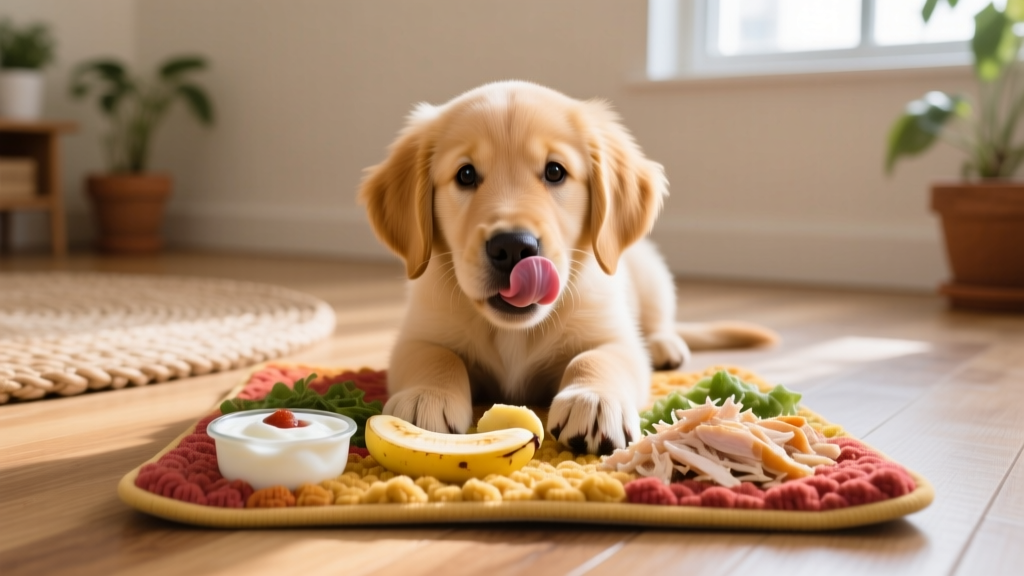
Small-breed puppies have high metabolic rates relative to their body size, meaning they burn calories faster and need more frequent meals to prevent hypoglycemia. Use a kibble specifically formulated for small-breed puppies — these contain higher calorie density and smaller kibble pieces. Look for an AAFCO statement confirming the food is complete and balanced for growth.
| Age | Meals/Day | Portion (5 lb adult) | Portion (15 lb adult) | Portion (20 lb adult) |
|---|---|---|---|---|
| 8–12 weeks | 4x daily | ⅛–¼ cup/meal | ¼–⅓ cup/meal | ⅓–½ cup/meal |
| 3–6 months | 3x daily | ¼–⅓ cup/meal | ⅓–½ cup/meal | ½–⅔ cup/meal |
| 6–12 months | 2x daily | ⅓–½ cup/meal | ½–¾ cup/meal | ¾–1 cup/meal |
Important notes: These are starting points. Adjust based on your puppy's body condition score (BCS) — you should be able to feel ribs without pressing hard, and see a visible waist when viewed from above. Small-breed puppies under 12 weeks should never go more than 4 hours without eating due to hypoglycemia risk. Keep a tube of Nutri-Cal or Karo syrup on hand for emergencies — rub a small amount on the gums if your puppy becomes lethargic or wobbly.
Vaccination Schedule for Small-Breed Puppies
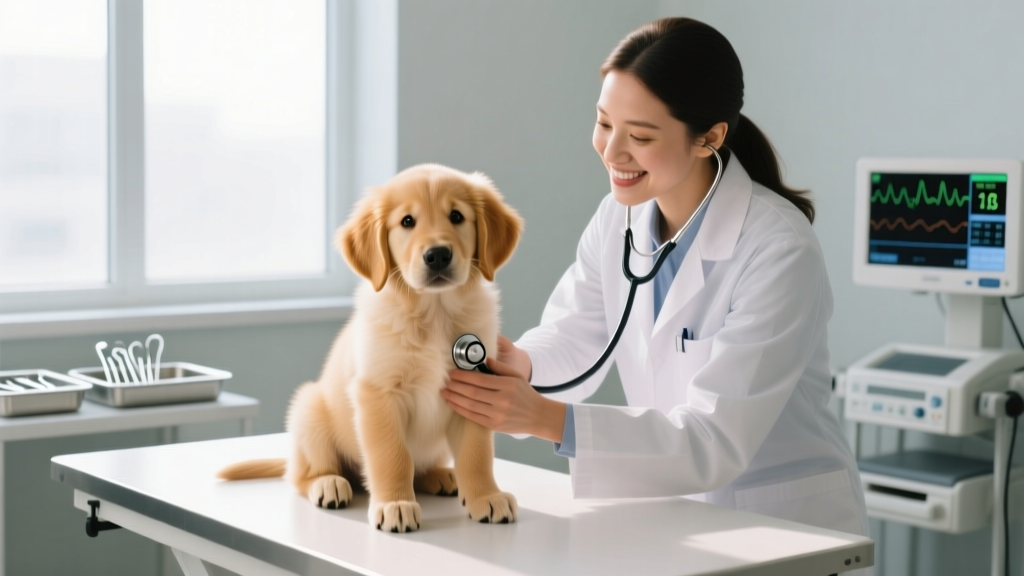
Small-breed puppies follow the same core vaccination schedule as large breeds, but they may experience more pronounced post-vaccine side effects (lethargy, mild fever, soreness at injection site) due to receiving the same vaccine volume in a smaller body. The AVMA recommends the following core vaccine timeline:
| Age | Vaccine | Type | Notes |
|---|---|---|---|
| 6–8 weeks | DHPP (1st dose) | Core | Distemper, Hepatitis, Parainfluenza, Parvovirus. Often given by breeder. |
| 10–12 weeks | DHPP (2nd dose) | Core | Booster. Bordetella (kennel cough) often given concurrently if puppy will attend group classes. |
| 14–16 weeks | DHPP (3rd dose) + Rabies | Core | Final puppy booster. Rabies is legally required in most US jurisdictions. Leptospirosis may be recommended based on lifestyle. |
| 12 months | DHPP booster + Rabies booster | Core | After this, DHPP is typically given every 3 years; Rabies per local law (1 or 3 years). |
Socialization Window: Weeks 3–14
The primary socialization period for puppies closes between 12 and 14 weeks of age — earlier for some small breeds. According to the Merck Veterinary Manual, experiences during this window permanently shape how your dog responds to novelty for the rest of their life. For small breeds, who are statistically more prone to fear-based aggression and excessive barking, this window is critical.
The challenge: Your puppy won't be fully vaccinated until 16 weeks, but the socialization window closes around 14 weeks. The AVMA and the American Veterinary Society of Animal Behavior (AVSAB) recommend beginning socialization after the first DHPP vaccine (typically by 8 weeks) in controlled, low-risk environments.
Small-Breed Puppy Socialization Checklist
People (aim for 50+ positive encounters by 14 weeks):
- ☐ Children ages 3–12 (supervised, gentle interactions only)
- ☐ Men with deep voices and facial hair
- ☐ People wearing hats, sunglasses, hoodies
- ☐ People using wheelchairs, walkers, or crutches
- ☐ Delivery workers and people in uniforms
Environments:
- ☐ Car rides (start with 5 minutes, engine off, then short drives)
- ☐ Different floor surfaces: tile, hardwood, carpet, gravel, grass
- ☐ Elevators and automatic doors
- ☐ Busy sidewalks (carry your puppy in a sling before vaccinations are complete)
- ☐ Veterinary clinic (schedule a "happy visit" — no shots, just treats and praise)
Sounds and Objects:
- ☐ Vacuum cleaner (start at low volume from another room)
- ☐ Thunderstorm/fireworks audio at low volume paired with treats
- ☐ Umbrellas opening, plastic bags rustling
- ☐ Nail clippers and grooming tools (handle paws daily)
Other Animals:
- ☐ Fully vaccinated, temperament-tested adult dogs
- ☐ Puppy kindergarten class (after 2nd DHPP, typically 10–12 weeks)
- ☐ Cats (if applicable — supervised, leashed introductions)
Rule of thumb: Every new experience should end with your puppy feeling safe and rewarded. If your puppy shows fear (tucked tail, flattened ears, freezing), increase distance from the stimulus and offer high-value treats. Never force exposure — flooding (forced exposure to feared stimuli) creates lasting trauma.
Potty Training Timeline and Troubleshooting
When will your small-breed puppy be fully potty trained? Realistically, expect 4–6 months for reliable house training in a small breed. Some individuals take up to 8–10 months. Small breeds have proportionally smaller bladders and higher metabolisms, meaning they need to eliminate more frequently than large-breed puppies.
Bladder capacity by age:
- 8–10 weeks: 30–45 minutes maximum hold time
- 10–14 weeks: 1–2 hours
- 3–4 months: 2–3 hours
- 4–6 months: 3–4 hours
- 6+ months: 4–6 hours (adult capacity)
Potty Training Log Template
Track your puppy's patterns with this simple log for the first 2 weeks. You'll quickly identify their natural schedule:
| Time | Activity | Potty Result | Reward Given |
|---|---|---|---|
| 7:00 AM | Wake up → outside immediately | Pee + poop | Treat + "yes!" marker |
| 7:30 AM | After breakfast (15 min wait) | Pee | Treat + "yes!" marker |
| 9:00 AM | After play session | Pee | Treat + "yes!" marker |
| — | — | — | — |
Troubleshooting common issues:
- Accidents after going outside: Your puppy may not have fully emptied their bladder. Wait 5–10 minutes and try again. Some small breeds are reluctant to eliminate in cold or wet weather — try a covered potty area or puppy pee pad near the door as a transitional tool.
- Submissive/excited urination: Common in small breeds through 6–8 months. Do not scold — this is involuntary. Greet your puppy calmly, crouch to their level, and take them outside immediately upon arrival.
- Marking behavior: Usually begins around 6 months, more common in intact males. Spay/neuter reduces marking in approximately 60–70% of cases. Interrupt with a neutral "oops" and redirect outside.
Crate Training Progression and Time Limits
A crate is your puppy's safe den — not a punishment space. For small breeds, select a crate that allows them to stand, turn around, and lie down comfortably. A 24-inch crate (e.g., MidWest iCrate 24" x 18" x 19") fits most small breeds as adults. Use a divider panel to reduce the space while they're puppies — too much room encourages eliminating in one corner and sleeping in another.
Maximum crate time by age:
- 8–10 weeks: 30–60 minutes during the day; overnight set alarm for 2–3 hour potty breaks
- 10–14 weeks: 1–2 hours during the day; overnight 3–4 hours
- 3–4 months: 2–3 hours during the day; overnight 4–5 hours
- 4–6 months: 3–4 hours during the day; overnight 6–7 hours
- 6+ months: 4–5 hours maximum during the day (no dog should be crated 8+ hours for a full workday)
Progression steps:
- Days 1–3: Crate door open. Feed all meals inside the crate. Toss high-value treats (freeze-dried liver, small cheese pieces) inside for your puppy to retrieve.
- Days 4–7: Close door during meals. Open immediately when finished. Begin 5-minute closed-door sessions while you sit nearby.
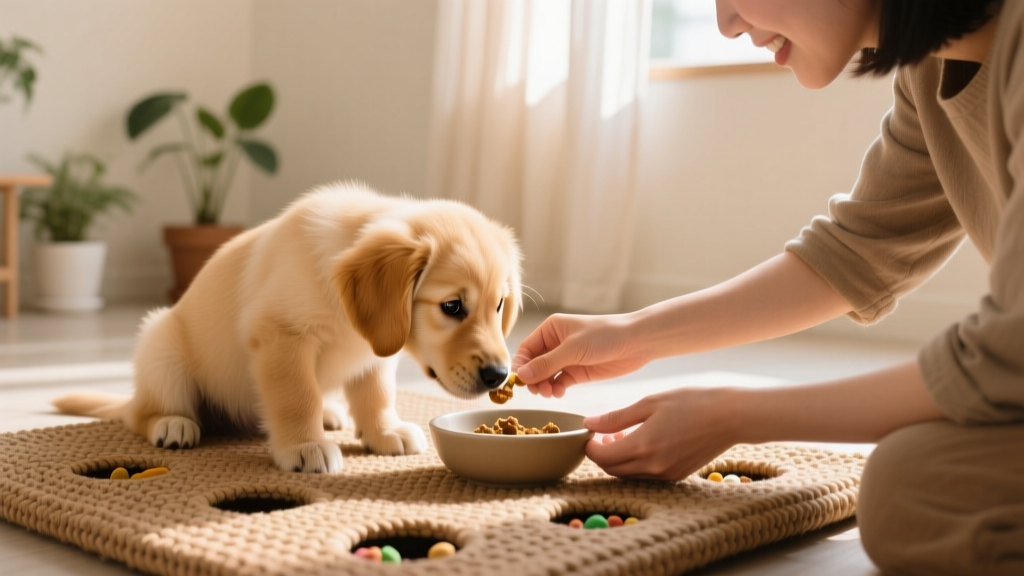
- Week 2: Extend to 15–30 minute sessions while you remain in the room. Add a stuffed Kong or lick mat for enrichment.
- Week 3: Leave the room for short periods (5–10 minutes). Return before your puppy shows distress.
- Week 4+: Gradually extend absences. If your puppy cries, wait for a 3-second pause in vocalization before releasing — this prevents reinforcing crying as an exit strategy.
Teething Timeline and Relief Strategies
Small-breed puppies teethe earlier and more intensely than large breeds. Their 28 baby teeth begin erupting at 3–4 weeks and are typically all in by 6–8 weeks. The transition to 42 adult teeth begins around 3.5 months — earlier than the 4–5 month average for large breeds.
Teething Timeline
- 3.5–4 months: Incisors loosen and fall out. You may find tiny teeth in bedding or toys — many puppies swallow them, which is harmless.
- 4–5 months: Canines and premolars transition. This is peak chewing and discomfort. You may notice mild bleeding from gums — this is normal.
- 5–6 months: Molars erupt. By 6–7 months, all adult teeth should be in place.
Safe relief strategies:
- Frozen washcloth: Wet a clean washcloth, twist into a rope, freeze for 2 hours. Supervise use and discard when threads start coming loose.
- Kong Classic (size XS or S): Stuff with plain yogurt mixed with pumpkin puree and freeze. The rubber texture soothes gums.
- Benebone Puppy Wishbone: Made from softer nylon designed for developing teeth. Replace when worn down significantly.
- Carrot sticks (frozen): A low-calorie, edible option. Supervise to prevent choking on large pieces.
Avoid: Rawhide (choking and blockage risk), hard antlers or bones (can fracture puppy teeth), and any chew toy harder than your fingernail — the "fingernail test" means you should be able to make a slight indent when pressing the surface.
Common Puppy Problems and Solutions
Puppy Biting and Nipping
Small-breed puppies bite — hard. Their needle-sharp baby teeth combined with underdeveloped jaw control make this painful even though they're tiny. Biting is normal developmental behavior, not aggression.
How to stop puppy biting:
- When teeth touch skin, say "oops" in a neutral tone and immediately withdraw attention (stand up, turn away, or step behind a baby gate) for 10–15 seconds.
- Return and redirect to an appropriate chew toy. Praise enthusiastically when they chew the toy.
- Ensure your puppy gets 15–20 minutes of structured play and 2–3 short training sessions daily — overtired puppies bite more, not less.
- Enforce mandatory nap times: puppies need 18–20 hours of sleep per day. An overstimulated 10-week-old puppy will bite more after being awake for 90+ minutes.
Never hold your puppy's mouth shut, yank their collar, or use physical punishment. These methods increase fear and can lead to defensive aggression. Positive reinforcement and time-outs are the only methods recommended by certified trainers and veterinary behaviorists.
Excessive Whining and Crying
Small breeds are vocal by nature, and puppies cry for specific reasons: need to eliminate, hunger, cold, loneliness, or overstimulation. Address the root cause rather than suppressing the behavior.
- Nighttime crying in crate: Place the crate next to your bed for the first 1–2 weeks. A Snuggle Puppy (heartbeat toy with warming pack) can reduce anxiety. Set a potty alarm for 3 hours after bedtime and gradually extend the interval as bladder capacity increases.
- Crying when left alone: Start with 30-second absences and build gradually. Practice departures without actually leaving (pick up keys, put on shoes, sit back down) to desensitize departure cues.
Destructive Chewing
Peak chewing occurs during teething (3–6 months) and again during adolescence (6–10 months). Puppy-proof your home by removing shoes, electrical cords, and small objects. Provide 4–5 rotating chew toys — novelty maintains interest. If you catch your puppy chewing something inappropriate, trade for a higher-value item rather than simply taking it away, which can trigger resource guarding.
When Can My Puppy Go Outside and Meet Other Dogs?
This is one of the most common questions from new small-breed puppy owners, and the answer requires balancing disease risk with socialization needs.
Before full vaccination (8–16 weeks):
- Your puppy can be carried in a sling or stroller in public spaces — exposure to sights, sounds, and smells without paws touching the ground.
- Avoid dog parks, pet store floors, and areas where unknown dogs have eliminated. Parvovirus can survive in soil for months.
- Puppy kindergarten classes are safe after the 2nd DHPP (10–12 weeks) if the facility requires proof of vaccination and disinfects between classes.
- Playdates with fully vaccinated, healthy dogs in private yards are generally low-risk.
After final DHPP at 14–16 weeks:
- Wait 5–7 days after the final vaccine for immunity to develop.
- Then your puppy can walk in public areas, visit dog parks (with caution), and interact with unknown dogs.
- Continue monitoring — your puppy is still developing immune defenses through 6 months.
First-Year Cost Breakdown for a Small-Breed Puppy
Small breeds cost less to feed than large breeds but often have higher veterinary costs per pound. Here's a realistic first-year budget based on 2026 pricing:
| Category | Low Estimate | Average | High Estimate |
|---|---|---|---|
| Puppy purchase/rescue fee | $350 (rescue) | $2,000 (breeder) | $4,500+ (show breeder) |
| Veterinary (vaccines, spay/neuter, wellness) | $600 | $900 | $1,500 |
| Food (small-breed puppy formula) | $180 | $300 | $480 |
| Supplies (crate, bed, bowls, leash, harness, toys) | $200 | $400 | $700 |
| Training (puppy class + group classes) | $150 | $350 | $800 |
| Preventive medications (flea/tick, heartworm) | $120 | $200 | $350 |
| Pet insurance (optional) | $300 | $480 | $720 |
| TOTAL First Year | $1,900 | $4,630 | $9,050+ |
Emergency veterinary care is not included above. A single emergency visit (e.g., for parvovirus treatment, foreign body ingestion, or fracture) can cost $1,500–$5,000. Pet insurance or a dedicated emergency fund of at least $2,000 is strongly recommended.
Frequently Asked Questions
How often should I feed my small-breed puppy at 10 weeks old?
Four meals per day, spaced roughly 4–5 hours apart during waking hours. For example: 7:00 AM, 11:30 AM, 4:00 PM, and 7:30 PM. Never let a small-breed puppy under 12 weeks go more than 4 hours without food, including overnight — set a feeding alarm if needed. The final meal should be at least 2 hours before bedtime to allow digestion and a final potty break.
When will my puppy be fully potty trained?
Most small-breed puppies achieve reliable house training between 4 and 6 months of age, with "reliable" meaning fewer than one accident per month. Some individuals — particularly toy breeds under 8 pounds — may take 8–10 months. Consistency is the single biggest factor. If accidents increase after initial success, rule out a urinary tract infection with your vet.
What vaccines does my puppy need and when?
Core vaccines are DHPP (distemper, hepatitis, parainfluenza, parvovirus) at 6–8, 10–12, and 14–16 weeks, plus rabies at 14–16 weeks. Non-core vaccines your vet may recommend based on lifestyle include Bordetella (kennel cough), Leptospirosis, and Lyme disease. See the vaccination table above for full details.
How do I stop puppy biting and nipping?
Use the "withdraw attention" method: when teeth touch skin, say "oops" calmly, stand up and turn away for 10–15 seconds. Return and redirect to a chew toy. Ensure your puppy gets enough sleep (18–20 hours/day) and structured play. Biting typically decreases significantly by 5–6 months as adult teeth replace baby teeth and impulse control improves.
Can small-breed puppies eat the same food as large-breed puppies?
No. Small-breed puppy formulas have higher calorie density (more calories per cup), smaller kibble size, and adjusted calcium-to-phosphorus ratios suited to rapid growth in a small frame. Large-breed puppy food is formulated to slow growth and protect joints — the opposite of what a small breed needs. Switch to an adult small-breed formula around 9–10 months, not 12 months as with larger breeds.
When can my puppy go to the dog park?
After the final DHPP vaccine at 14–16 weeks plus a 5–7 day waiting period for immunity. However, dog parks carry behavioral risks for small puppies — rough play from larger dogs can cause physical injury and fear-based trauma. Many trainers recommend waiting until 6 months and starting with controlled playdates with known, gentle dogs before introducing the unpredictable dog park environment.
Robin Maitland
All our authors care for dogs every day — read more of their work on the authors page.