Sleeping Puppies by Age: How Much Rest Your Puppy Really Needs
Learn how much sleeping puppies need at every age, plus feeding, potty training, vaccination, and socialization milestones for your puppy's first year.

Why Sleeping Puppies Need So Much Rest (and Why It Matters)
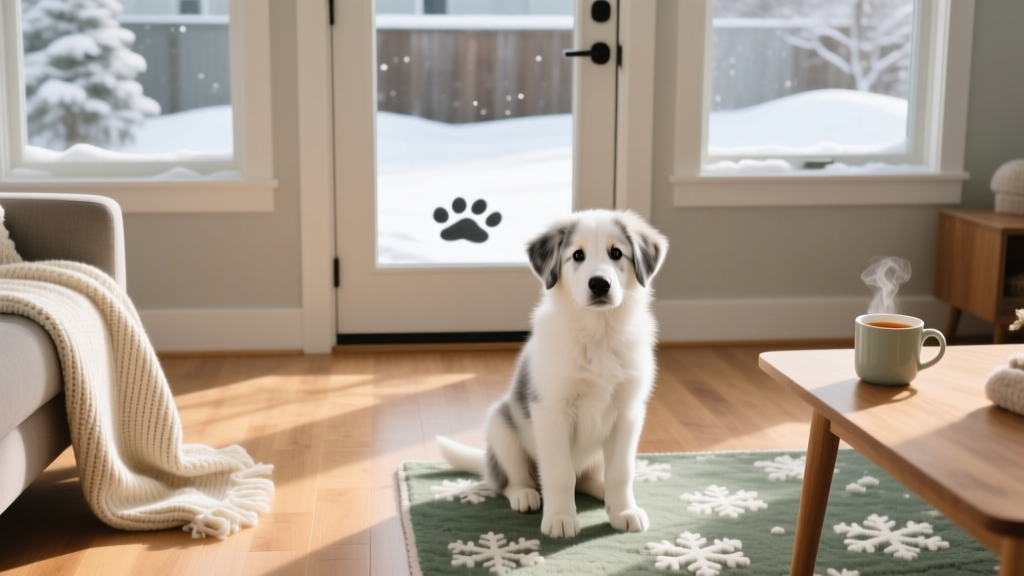
New puppy owners are often alarmed by how much their puppy sleeps. You bring home an energetic bundle of fur, and within 20 minutes, they're passed out on the kitchen floor. This is completely normal. Puppies between 8 and 12 weeks old typically sleep 18 to 20 hours per day, according to the American Kennel Club. That sleep isn't wasted time — it's when growth hormone surges, neural pathways consolidate from training sessions, and immune systems strengthen after vaccination.
The problem arises when well-meaning owners interrupt sleep cycles, overstimulate puppies during critical rest windows, or misinterpret tiredness as boredom. An overtired puppy doesn't settle down — they get more hyperactive, bitey, and difficult. Understanding sleep needs at each developmental stage is the foundation for raising a well-adjusted dog.
When Should I Bring My Puppy Home?
The American Veterinary Medical Association (AVMA) and most veterinary behaviorists agree: 8 weeks is the earliest a puppy should leave their litter, and many breeders of smaller breeds (Chihuahuas, Yorkshire Terriers, toy Poodles) keep puppies until 10-12 weeks because toy breeds are more fragile and prone to hypoglycemia when stressed.
Bringing a puppy home at 8 weeks means you're entering the tail end of the primary socialization window (weeks 3-14). Every day counts. But a puppy removed at 6 weeks — still common in some rescue situations — will need extra support with bite inhibition and confidence-building, skills they would have learned from littermates.
Age-Specific Milestones: What to Expect Week by Week
Weeks 4–8: The Litter Phase
- Sleep: 20-22 hours/day; puppies nurse, sleep, repeat
- Social development: Learning bite inhibition from siblings, beginning play behaviors
- Senses: Eyes and ears fully functional; startle reflexes diminish
- Mobility: Walking, running, beginning to explore beyond whelping box
- Your role: If you're the breeder or foster, handle each puppy daily for 3-5 minutes, introduce novel textures (towels, cardboard, grass)
Weeks 8–12: The Home Transition
- Sleep: 18-20 hours/day in bursts of 1-2 hours between activity
- Fear period: Weeks 8-11 include a documented fear imprint period — traumatic events can create lasting phobias
- Bladder control: Approximately 1 hour per month of age (a 2-month-old holds it roughly 2 hours max)
- Attention span: 5-10 minutes per training session before mental fatigue sets in
- Biting: Peak nipping — puppies explore with mouths and haven't learned human skin is off-limits
Weeks 12–16: Building Confidence
- Sleep: 16-18 hours/day; longer awake periods (1-1.5 hours)
- Second fear period: Can occur around 12-14 weeks
- Bladder control: 3-4 hours; overnight stretches of 5-6 hours become possible
- Training readiness: Can learn sit, down, come, name recognition reliably
- Chewing: Baby teeth loosening; chewing intensity increases
Weeks 16–24: The Juvenile Stage
- Sleep: 14-16 hours/day; settling into adult-like patterns
- Energy: Noticeable increase; 20-30 minute walks become appropriate
- Teething peak: Adult teeth erupting (months 4-6); destructive chewing risk is highest
- Testing boundaries: May "forget" known commands; consistency is critical
- Social maturity: Beginning to show breed-specific behaviors (herding, guarding, prey drive)
Months 6–12: Adolescence
- Sleep: 12-14 hours/day; approaching adult norms
- Sexual maturity: Intact dogs may begin marking, roaming, or showing same-sex aggression; discuss spay/neuter timing with your vet
- Physical growth: Small breeds near full size; large/giant breeds continue growing until 18-24 months
- Behavioral regression: Common between 7-10 months — previously reliable recall may deteriorate temporarily
- Exercise: Structured exercise (not free running on hard surfaces for large breeds) of 30-60 minutes daily
Feeding Schedule: Exact Portions by Age and Weight
Puppies need frequent, measured meals to support rapid growth without overfeeding (which contributes to orthopedic problems in large breeds). The Merck Veterinary Manual recommends feeding a diet labeled AAFCO-complete for growth or all life stages.
| Age | Meals/Day | Small Breed (5-20 lb adult) | Medium Breed (20-50 lb adult) | Large Breed (50-100+ lb adult) |
|---|---|---|---|---|
| 8-12 weeks | 4 meals | ¼ – ½ cup per meal | ½ – ¾ cup per meal | ¾ – 1¼ cups per meal |
| 12-16 weeks | 3 meals | ⅓ – ⅔ cup per meal | ¾ – 1 cup per meal | 1 – 2 cups per meal |
| 4-6 months | 3 meals | ½ – ¾ cup per meal | 1 – 1½ cups per meal | 1½ – 2½ cups per meal |
| 6-12 months | 2 meals | ½ – 1 cup per meal | 1½ – 2 cups per meal | 2 – 4 cups per meal |
Important: These are starting ranges. Adjust based on body condition score (BCS) — you should be able to feel ribs without pressing hard, and see a visible waist when viewed from above. Large breed puppies should be fed a large breed puppy formula to control calcium/phosphorus ratios and growth rate, reducing hip dysplasia and osteochondrosis risk.
Potty Training Timeline: Realistic Expectations
Forget "potty trained in 3 days" marketing. Most puppies achieve reliable house training between 4 and 6 months of age, with some toy breeds taking up to 8-10 months due to smaller bladder capacity. Here's what a realistic progression looks like:
- 8-10 weeks: Accidents every 1-2 hours if not taken out. Take puppy out immediately after waking, eating, drinking, and playing.
- 10-14 weeks: Beginning to signal (sniffing, circling, heading to door). Accidents drop to 1-3 per week with consistent schedule.
- 14-20 weeks: Can hold for 3-4 hours during the day. Overnight holding of 6-7 hours. Occasional accidents when routine changes.
- 5-6 months: Mostly reliable with scheduled outings. Can hold 4-5 hours during day.
- 6-12 months: Fully reliable in most cases. Intact males may begin marking indoors — address with management and neuter discussion.
The Critical Socialization Window (Weeks 3–14)
Research published in the Journal of Veterinary Behavior has established that the primary socialization period closes around 12-14 weeks. Puppies not exposed to diverse stimuli during this window are significantly more likely to develop fear-based aggression and anxiety disorders later in life. This is the single most time-sensitive aspect of puppy raising.
Here's your exposure checklist — aim for positive, brief encounters (30-60 seconds each, with treats) across these categories before 14 weeks:
Pre-vaccine safety: You do NOT need to wait until vaccines are complete to socialize. The AVMA and the American Veterinary Society of Animal Behavior both state that the risk of under-socialization (behavioral euthanasia is the leading cause of death in dogs under 3 years) outweighs disease risk when you manage exposure carefully. Carry your puppy, use a stroller or sling, arrange playdates with fully vaccinated adult dogs in private yards, and avoid high-risk areas like dog parks and pet store floors.
Vaccination Schedule: What Your Puppy Needs and When
Your veterinarian will tailor a protocol based on local disease prevalence and your puppy's risk factors. The following represents the standard core vaccination timeline recommended by the AVMA and the AAHA canine vaccination guidelines:
| Age | Vaccine | Notes |
|---|---|---|
| 6-8 weeks | DHPP (Distemper, Hepatitis/Adenovirus, Parainfluenza, Parvovirus) — Dose 1 | Often given by breeder/rescue; maternal antibodies may interfere |
| 8-10 weeks | DHPP — Dose 2; Bordetella (optional, based on exposure risk) | Begin safe socialization outings after this visit |
| 10-12 weeks | DHPP — Dose 3; Leptospirosis Dose 1 (risk-dependent); Lyme Dose 1 (tick-endemic areas) | Lepto and Lyme are non-core; discuss with your vet based on lifestyle |
| 12-14 weeks | Leptospirosis Dose 2; Lyme Dose 2 (if started) | Booster required 2-4 weeks after initial non-core dose |
| 14-16 weeks | DHPP — Dose 4 (final puppy booster); Rabies (required by law in most US states) | This final DHPP is critical — given at or after 14 weeks to overcome maternal antibody interference |
| 16-20 weeks | Rabies booster timing varies by jurisdiction; Canine Influenza (H3N2/H3N8) if boarding/daycare | Check your state/local rabies laws |
When can my puppy go outside and meet other dogs? After the final DHPP at 14-16 weeks, your puppy has meaningful protection against parvo and distemper. Until then, carry them in public, use a stroller, and arrange controlled playdates only with known, fully vaccinated dogs in private environments. Dog parks and high-traffic dog areas should wait until at least one week after the final puppy vaccine series.
Teething Timeline and Relief Strategies (3–6 Months)
Puppies have 28 deciduous (baby) teeth that begin erupting at 3-4 weeks and are typically all in by 6-8 weeks. The replacement process starts around 12-16 weeks when incisors loosen, and by 6-7 months, all 42 adult teeth should be in place. The peak discomfort period is 4-5 months, when canines and premolars are pushing through.
Safe relief options:
- Frozen KONG Classic (rubber, not plastic): Stuff with plain pumpkin puree or soaked kibble, freeze 4+ hours. The cold numbs gums.
- Benebone Puppy or Nylabone Puppy Chew: Sized appropriately — should be larger than the puppy's mouth to prevent choking.
- Wet washcloth twisted and frozen: Supervise to prevent ingestion of fabric.
- Chilled carrots: Low-calorie, safe if puppy is old enough for solid treats (12+ weeks).
Avoid: Ice cubes (can fracture teeth in aggressive chewers), cooked bones (splinter risk), rawhide from unverified sources (contamination and blockage risk), and any chew small enough to swallow whole.
Crate Training Progression and Time Limits
A crate is a management tool and a safe space — never a punishment. The general guideline for maximum crate time during the day is one hour per month of age (so a 3-month-old can hold for about 3 hours). Overnight, puppies can typically hold one hour longer because they're less active.
| Age | Max Daytime Crate | Overnight Crate | Notes |
|---|---|---|---|
| 8-10 weeks | 1-2 hours | 3-4 hours (expect one overnight potty break) | Crate next to your bed; whining is normal |
| 10-14 weeks | 2-3 hours | 5-6 hours | Begin moving crate to permanent location |
| 3-4 months | 3-4 hours | 6-7 hours | Most puppies sleep through the night by now |
| 4-6 months | 4-5 hours | 7-8 hours | If crated all workday, arrange midday potty break |
| 6+ months | 5-6 hours max | 8 hours | Consider transitioning to puppy-proofed room or pen for longer absences |
No dog of any age should be crated for more than 8 hours total without a break. Puppies who are crated excessively develop behavioral problems including barrier frustration, anxiety, and inappropriate elimination in the crate (which then makes house training harder).
Common Puppy Problems and How to Solve Them
Puppy Biting and Nipping
This is the number one complaint from new puppy owners. Puppies bite because it's how they explore, play, and relieve teething discomfort. The goal isn't to stop all mouthing immediately — it's to teach that human skin gets zero teeth contact.
The protocol:
- When teeth touch skin, say "oops" or "ouch" in a calm, neutral tone (not dramatic yelping, which can excite some puppies more).
- Immediately withdraw attention — stand up, fold arms, look away for 10-15 seconds.
- Redirect to an appropriate chew toy and praise enthusiastically when they bite the toy.
- If biting continues after 3 redirects, the puppy is overtired. End the session with a crate nap.
Most puppies show significant improvement by 16-20 weeks with consistent application. Never hold a puppy's mouth shut, use alpha rolls, or physically punish — these methods increase fear and can escalate to defensive aggression.
Nighttime Whining in the Crate
Distinguish between "I need to potty" whining (usually after 3-4 hours of sleep, accompanied by restlessness) and "I'm lonely/anxious" whining (starts immediately when crated, doesn't stop). For potty whining: take them out on leash, boring and quiet, then straight back to crate. For anxiety whining: place the crate near your bed initially, use a white noise machine, and offer a frozen KONG. Gradually move the crate farther from your bedroom over 2-3 weeks.
Destructive Chewing
Management is 90% of the solution. Puppy-proof by removing shoes, cords, and small objects from reach. Provide a rotation of 4-5 appropriate chews (variety prevents boredom). When you catch them chewing something inappropriate, calmly swap for an approved chew and praise. Never chase a puppy to take something from their mouth — this teaches resource guarding and turns it into a game.
First-Year Cost Breakdown
Budgeting realistically prevents surrender and veterinary care delays. Here's what to expect for a puppy's first year in the US (2026 estimates, ranges reflect geographic variation and breed size):
| Category | Low End | Mid Range | High End |
|---|---|---|---|
| Puppy vaccine series (4 visits) | $200 | $400 | $650 |
| Spay/neuter surgery | $200 | $500 | $900 |
| Heartworm/flea/tick prevention (12 months) | $150 | $300 | $500 |
| Food (varies enormously by size and brand) | $300 | $600 | $1,200 |
| Supplies (crate, bed, leash, harness, bowls, toys, gates) | $200 | $450 | $800 |
| Training classes (puppy socialization + basic obedience) | $150 | $350 | $800 |
| Pet insurance (annual premium) | $350 | $600 | $1,000 |
| TOTAL first year | $1,550 | $3,200 | $5,850 |
This does not include the initial purchase or adoption fee ($0-$3,500+ depending on source), emergency veterinary visits, or boarding/daycare. Always consult your veterinarian for personalized health and vaccination decisions — costs and protocols vary by region and individual puppy needs.
Frequently Asked Questions About Sleeping Puppies
How often should I feed my puppy at 10 weeks old?
At 10 weeks, feed 4 meals per day spaced roughly 4 hours apart during waking hours (for example: 7 AM, 11 AM, 3 PM, 7 PM). Each meal should be measured according to the feeding chart above based on your puppy's expected adult weight. Remove uneaten food after 15-20 minutes to establish a routine and monitor appetite changes, which can signal illness.
When will my puppy be fully potty trained?
Most puppies are reliably house trained by 5-6 months of age, though toy breeds may take until 8-10 months due to smaller bladder capacity. "Fully trained" means no accidents for at least 4 consecutive weeks with a normal routine. Setbacks are common during illness, moves, or schedule changes and don't mean starting over — just return to frequent outings and heavy reinforcement.
How do I stop my puppy from biting my hands and ankles?
Use the redirect-and-withdraw method described above: calm verbal marker when teeth touch skin, 10-15 seconds of withdrawn attention, then redirect to a toy. For ankle-biting specifically (common in herding breeds), manage the environment by keeping a drag leash on the puppy during high-energy periods so you can gently stop them without grabbing. Ensure the puppy is getting adequate sleep — overtired puppies bite significantly more.
Is it normal for my puppy to sleep 20 hours a day?
Yes, for puppies under 12 weeks, 18-20 hours of sleep per day is entirely normal and necessary. Growth hormone is primarily released during sleep, and puppies are processing enormous amounts of new information. However, if your puppy is lethargic (difficult to rouse, uninterested in food or play during awake periods, weak), this is a veterinary emergency — contact your vet immediately, as this could indicate parvovirus, hypoglycemia, or other serious conditions.
Should I wake my sleeping puppy for potty breaks?
During the day, yes — gently wake your puppy every 1-2 hours (depending on age) to take them outside. At night, once your puppy is sleeping in longer stretches (typically after 12-14 weeks), you can let them wake you. Set an alarm for one overnight potty break until they consistently sleep 6-7 hours, then gradually push the alarm later.
When can my puppy meet other dogs?
Controlled introductions with known, fully vaccinated, temperament-tested adult dogs can begin immediately in private settings (your yard, a friend's home). Public dog parks, doggy daycare, and group walks with unknown dogs should wait until at least 7 days after the final DHPP vaccine at 14-16 weeks. Puppy socialization classes that require proof of first vaccination and sanitize floors are generally safe from 10 weeks onward.
Aaron Whyte
All our authors care for dogs every day — read more of their work on the authors page.