Schnauzer Puppy Care Guide: Milestones, Feeding & Training
Complete schnauzer puppy guide covering age milestones, feeding schedules, vaccination timelines, potty training, socialization, and first-year costs.

Bringing Your Schnauzer Puppy Home: Timing and First Days
The ideal window to bring a schnauzer puppy home is between 8 and 10 weeks of age. While some breeders may release puppies at 7 weeks, the American Kennel Club recommends waiting until at least 8 weeks so the puppy benefits from critical littermate socialization and maternal weaning. Miniature Schnauzers (the most common variety in US households) typically weigh 2–4 lb (0.9–1.8 kg) at 8 weeks, while Standard Schnauzer puppies will be noticeably larger at 5–8 lb (2.3–3.6 kg).
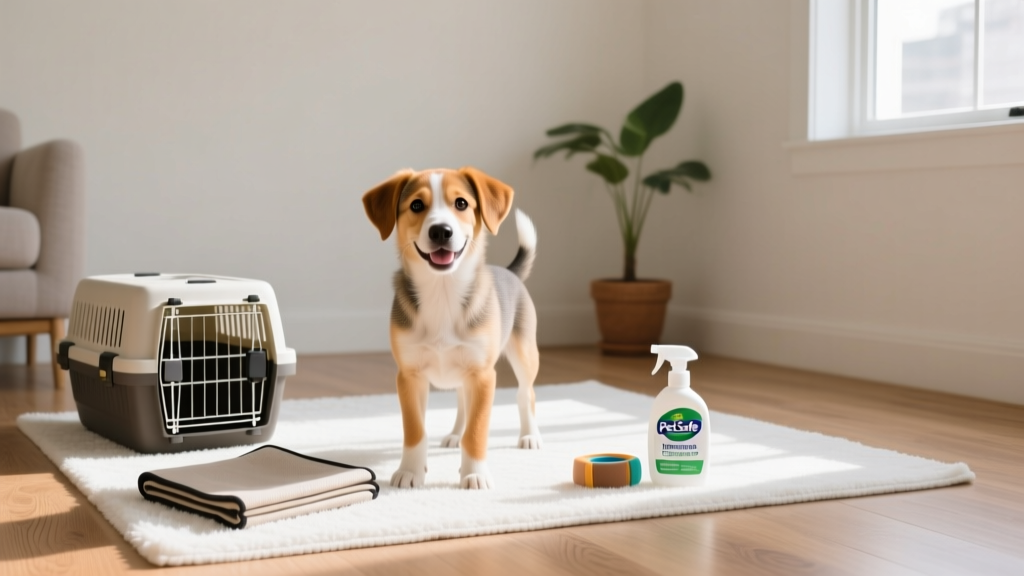
- Set up a crate (24-inch for Miniature, 30-inch for Standard) in a quiet, draft-free area
- Place a blanket or towel carrying the breeder's scent inside the crate
- Prepare small-breed puppy kibble — the same brand the breeder was feeding to avoid GI upset
- Schedule your first vet visit within 72 hours of pickup
- Keep the environment calm: limit visitors for the first 3–5 days
Schnauzers are known for their alert, vocal temperament. Expect your puppy to cry the first 1–3 nights in the crate — this is normal separation behavior, not a sign something is wrong. Place the crate near your bedroom initially so your presence provides reassurance. A soft ticking clock or a warm (not hot) water bottle wrapped in a towel can mimic littermate warmth and reduce nighttime whining.
Schnauzer Puppy Age Milestones: Week by Week
Understanding developmental stages helps you set realistic expectations. Schnauzers mature slightly slower than many small breeds, and their terrier-influenced boldness can make certain phases feel intense. Here's what to expect at each stage:
| Age Range | Weight (Miniature) | Key Milestones | What to Expect |
|---|---|---|---|
| 4–8 weeks | 1–4 lb / 0.5–1.8 kg | Weaning, litter play, bite inhibition learning from siblings | Puppy should be eating softened kibble 3–4x daily, learning social cues from mother and littermates. Still with breeder. |
| 8–12 weeks | 4–7 lb / 1.8–3.2 kg | Fear imprint period begins (~8–11 weeks), rapid bonding, house training starts | Peak vulnerability to negative experiences. Avoid traumatic events. Begin short positive exposures. Potty accidents every 30–60 minutes when awake. |
| 12–16 weeks | 7–10 lb / 3.2–4.5 kg | Fear period typically ends, confidence grows, teething discomfort begins | Puppy becomes bolder and more exploratory. Chewing increases. Good window for structured training classes. Bladder control improves to 1.5–2 hours. |
| 16–24 weeks (4–6 months) | 9–14 lb / 4.1–6.4 kg | Peak teething, testing boundaries, second fear period possible (~6 months) | Intense chewing phase — puppy will destroy unprotected belongings. May regress on previously learned commands. Independence streak emerges. Bladder holds 3–4 hours. |
| 6–12 months | 12–20 lb / 5.4–9.1 kg (approaching adult) | Adolescent energy surge, sexual maturity (if intact), adult teeth fully in | Highest energy period. May challenge household rules. Schnauzers can become reactive to other dogs if not properly socialized. Discuss spay/neuter timing with your vet — many recommend 6–9 months for Miniatures. |
Schnauzer Puppy Feeding Schedule and Portions
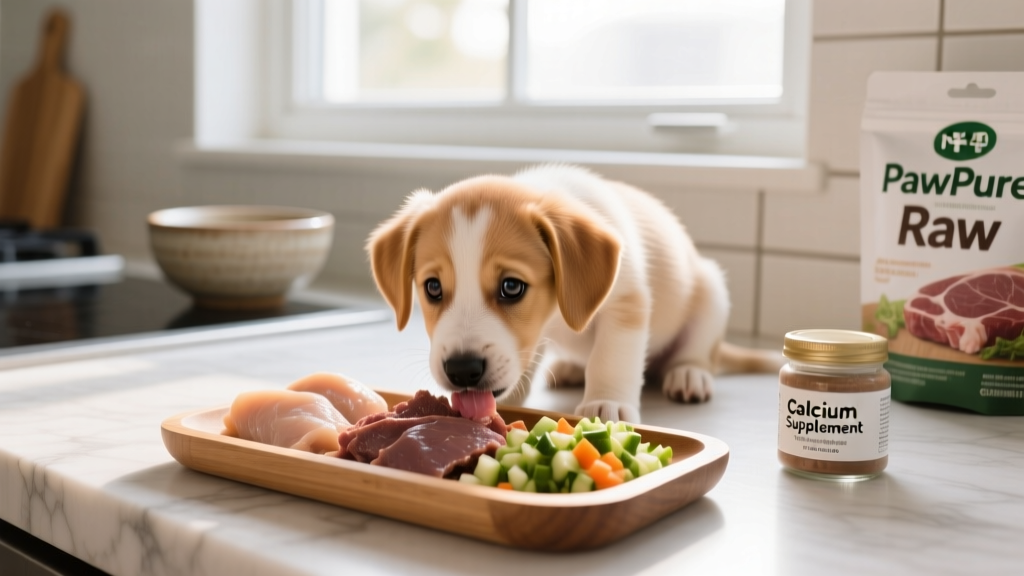
Schnauzers — especially Miniatures — have a genetic predisposition to hyperlipidemia (elevated blood fats) and pancreatitis, making diet selection more critical than for many breeds. Choose a small-breed puppy formula with moderate fat content (12–16% fat on a dry matter basis) and avoid high-fat table scraps entirely.
Always look for an AAFCO statement confirming the food is complete and balanced for growth. Here are specific feeding guidelines based on age and expected adult weight:
| Puppy Age | Meals Per Day | Daily Portion (Miniature, 12–20 lb adult) | Daily Portion (Standard, 30–50 lb adult) |
|---|---|---|---|
| 8–12 weeks | 4 meals | ½ – ¾ cup total | 1 – 1½ cups total |
| 12–16 weeks | 3 meals | ¾ – 1 cup total | 1½ – 2¼ cups total |
| 4–6 months | 3 meals | 1 – 1¼ cups total | 2 – 3 cups total |
| 6–12 months | 2 meals | 1 – 1½ cups total | 2½ – 3½ cups total |
Transition tip: When switching from the breeder's food to your chosen brand, mix 25% new food with 75% old food for days 1–3, then 50/50 for days 4–6, then 75% new for days 7–9, and fully switched by day 10. Schnauzer puppies have sensitive stomachs, and rushing transitions commonly causes loose stools.
Water access: Fresh water should be available at all times except 2 hours before bedtime to support potty training. A 10-week-old Miniature Schnauzer puppy typically drinks ½ to 1 ounce of water per pound of body weight daily.
Potty Training Your Schnauzer Puppy: Realistic Timeline
Miniature Schnauzers are generally quick learners when it comes to house training — most owners report reliable potty habits between 4 and 6 months of age, with some puppies achieving consistency as early as 3.5 months. However, "fully trained" means minimal accidents, not perfection. Expect occasional setbacks through 8–10 months, especially during excitement or routine changes.
The key to schnauzer potty training is leveraging their intelligence and food motivation with a rigid schedule:
- 8–12 weeks: Take outside every 30–45 minutes when awake, immediately after eating, after naps, and after play sessions. Expect 8–12 outdoor trips per day. Bladder capacity: roughly 1 hour per month of age (so 2 hours max at 8 weeks, though this is an emergency limit, not a target).
- 12–16 weeks: Extend to every 60–90 minutes. Begin using a consistent verbal cue like "go potty" while they eliminate. Reward within 2 seconds of finishing with a high-value treat (small training treats, 1–2 calories each).
- 4–6 months: Every 2–3 hours during the day. Most puppies can hold overnight for 5–6 hours by this stage. If accidents resume, rule out a urinary tract infection — Miniature Schnauzers are predisposed to urinary stones (struvite and calcium oxalate).
- 6–12 months: Every 3–4 hours during the day. Full overnight holds of 7–8 hours are typical.
Common potty training problems in Schnauzers:
- Submissive urination: Some schnauzer puppies leak small amounts when greeting people excitedly or being scolded. This is involuntary — do not punish it. Crouch to their level, avoid direct eye contact during greetings, and it typically resolves by 6–8 months.
- Marking behavior: Intact males may begin lifting a leg and marking indoors as early as 5–6 months. Spaying/neutering reduces but does not always eliminate this behavior. Supervise closely and interrupt with a neutral "oops" redirect to outdoors.
- Weather sensitivity: Schnauzers (especially Miniatures) sometimes refuse to potty in rain or cold. A covered potty area or a puppy raincoat can help. Be patient — forcing them outside in bad conditions creates negative associations.
Vaccination Schedule for Schnauzer Puppies
Your schnauzer puppy's vaccination timeline follows the American Veterinary Medical Association core vaccine guidelines. Maternal antibodies from the mother's colostrum protect puppies initially but gradually wane, which is why boosters are given in series. Never skip or delay these — parvovirus is fatal in up to 91% of untreated puppies.
| Age | Vaccines Given | Purpose | Estimated Cost |
|---|---|---|---|
| 6–8 weeks | DHPP (Distemper, Hepatitis/Adenovirus, Parainfluenza, Parvovirus) | Core protection against life-threatening viral diseases | $25–$45 |
| 10–12 weeks | DHPP booster + Bordetella (optional but recommended) | Booster immunity; Bordetella protects against kennel cough | $35–$60 |
| 14–16 weeks | DHPP final booster + Rabies (required by law) | Final core series; Rabies legally required in all US states | $40–$75 |
| 12–16 months | DHPP booster + Rabies booster | First annual boosters; subsequent DHPP may be every 3 years | $50–$90 |
Leptospirosis note: Miniature Schnauzers may have a breed predisposition to adverse reactions to the Leptospirosis vaccine. Discuss with your veterinarian whether this non-core vaccine is appropriate based on your geographic risk and your puppy's health history. If recommended, it's typically given at 12 weeks and again at 16 weeks.
Your puppy is NOT fully protected until approximately 1–2 weeks after the final DHPP booster at 14–16 weeks — meaning roughly 16–18 weeks of age. Before that, avoid dog parks, pet stores, and areas where unknown dogs congregate. However, controlled socialization with known, fully vaccinated dogs in clean environments (like a friend's home) is safe and encouraged from 8 weeks onward. Carry your puppy in a sling or stroller for neighborhood walks to expose them to sights and sounds without ground contact in contaminated areas.
Socialization Window: The Critical 3–14 Week Period
The primary socialization window for puppies closes around 14 weeks of age — and for schnauzers, this is especially important. Their natural wariness of strangers and tendency toward same-sex dog aggression (particularly in Miniatures and Standards) can become entrenched if not addressed during this sensitive period. Research published in the Journal of Veterinary Behavior shows that puppies with inadequate socialization before 14 weeks are significantly more likely to develop fear-based aggression later in life.
Your goal is positive, non-threatening exposure to as many novel stimuli as possible. Every experience should be paired with treats and praise. Never force your puppy to interact with something that frightens them — let them approach at their own pace.
People (aim for 15–20 different individuals):
- Children of various ages (supervised, calm interactions only)
- People wearing hats, sunglasses, hoodies, and uniforms
- People with beards, canes, wheelchairs, and walkers
- People of different ethnicities, heights, and voice volumes
- Your veterinarian and clinic staff (schedule a "happy visit" with no procedures)
Environments:
- Car rides (short 5–10 minute trips, building up)
- Different floor surfaces: tile, hardwood, gravel, grass, metal grates
- Elevator, automatic doors, revolving doors (carried if pre-vaccination)
- Outdoor seating areas at quiet cafés (puppy on leash, not on ground)
- Grooming table or elevated surface with treats
Sounds and stimuli:
- Vacuum cleaner, hair dryer, blender (start at low volume/distance)
- Thunderstorm recordings at low volume, paired with treats
- Doorbell, knocking, car horns
- Fireworks recordings (start very quiet, gradually increase)
Handling and grooming desensitization (critical for Schnauzers):
- Paw handling — touch each paw daily for 10–15 seconds, reward
- Ear inspection and gentle cleaning practice
- Muzzle and beard touching (schnauzers are mouth-sensitive)
- Brush and comb introduced gently — their wiry coat requires regular grooming
- Nail clipping practice: touch clipper to nail without cutting, reward, repeat
Teething Timeline and Relief Strategies
Schnauzer puppies begin losing their 28 deciduous (baby) teeth and erupting 42 permanent adult teeth between 3 and 6 months of age. The process typically follows this pattern:
- 3–4 months: Incisors (front teeth) loosen and fall out. You may find tiny teeth in bedding or toys, though many puppies swallow them harmlessly.
- 4–5 months: Canines (fangs) and premolars erupt. This is peak chewing intensity — your puppy will seek out hard objects to gnaw on to relieve gum pressure.
- 5–6 months: Molars come in at the back. By 6–7 months, all adult teeth should be present. Retained baby teeth (especially canines) are common in Miniature Schnauzers — if a baby tooth hasn't fallen out 2 weeks after the adult tooth erupts beside it, your vet will need to extract it to prevent crowding and dental disease.
Safe teething relief options:
- Kong Classic (puppy size, pink rubber): Fill with a mixture of plain yogurt and mashed banana, then freeze for 2–3 hours. The cold numbs sore gums while the texture massages them.
- Nylabone Puppy Chew (soft variety): Choose the puppy-specific version, which is softer than adult Nylabones. Monitor for wear and replace when it becomes small enough to swallow.
- Frozen washcloth: Wet a clean washcloth, twist into a rope, and freeze. Supervise use and remove if threads begin to unravel.
- Benebone Puppy (wishbone shape): Made from nylon infused with real bacon flavor. The ergonomic shape lets puppies grip it with their paws.
Avoid: Ice cubes (too hard, risk of tooth fracture), rawhide (choking and blockage risk), cooked bones (splinter hazard), and any chew toy harder than your thumbnail. If you can't indent the toy with your fingernail, it's too hard for a teething puppy.
Crate Training Progression and Time Limits
Schnauzers generally adapt well to crate training because they naturally seek enclosed den-like spaces. However, their intelligence means they'll test whether whining gets them released — consistency from day one is essential.
| Puppy Age | Max Crate Time (Day) | Max Crate Time (Night) | Crate Size |
|---|---|---|---|
| 8–10 weeks | 30–60 minutes | 2–3 hours (will need a potty break) | 24"L × 18"W × 21"H (Mini) with divider |
| 10–14 weeks | 1–2 hours | 3–4 hours | Same crate, adjust divider |
| 4–6 months | 2–3 hours | 5–6 hours | Full crate space for Mini; upgrade to 30" for Standard |
| 6–12 months | 3–4 hours | 7–8 hours | Adult size: 24" (Mini), 30–36" (Standard) |
Crate training steps:
- Days 1–3: Leave crate door open. Toss high-value treats (small pieces of boiled chicken or freeze-dried liver) inside. Feed all meals in the crate with the door open.
- Days 4–7: Close door during meals, open immediately when puppy finishes. Begin closing door for 30-second increments while you sit beside the crate, gradually increasing to 5 minutes.
- Week 2: Step away from the crate for 1–5 minutes while puppy is inside. Return before they become distressed. Practice this 5–10 times daily.
- Week 3+: Extend absences to 15–30 minutes. Leave the room. If puppy whines, wait for a 10-second pause in vocalization before returning — this teaches that silence, not noise, earns release.
Important: Never use the crate as punishment. It should always be associated with safety and positive experiences. If your schnauzer puppy develops persistent crate anxiety (panting, drooling, attempts to escape that cause self-injury), consult a certified positive-reinforcement trainer or veterinary behaviorist.
Common Schnauzer Puppy Problems and Solutions
Every breed has its quirks during puppyhood. Schnauzers combine terrier boldness with high intelligence, which creates specific behavioral challenges that benefit from targeted strategies:
Puppy Biting and Nipping
Schnauzer puppies are notoriously mouthy — more so than many breeds their size. Their terrier heritage drives them to grab, tug, and bite at moving objects, including hands, ankles, and clothing. This peaks between 8 and 16 weeks and intensifies during teething.
Solution protocol:
- Redirect: When teeth touch skin, say a calm "oops" or "too bad" and immediately offer an appropriate chew toy. Reward chewing on the toy with praise.
- Time-out method: If redirecting fails after 2 attempts, calmly pick up the puppy and place them in a playpen or behind a baby gate for 30–60 seconds. This teaches that biting ends play — not that biting earns attention.
- Hand-feeding: Feed 25–50% of daily kibble by hand during training sessions. This builds bite inhibition because the puppy learns that gentle mouth pressure earns food, while hard bites cause the hand to close and withdraw.
- Manage excitement: Biting spikes when puppies are overtired. If nipping intensifies, your puppy likely needs a nap. Place them in the crate with a chew toy — most will fall asleep within 5 minutes.
Excessive Barking and Vocalization
Schnauzers were originally bred as farm dogs and ratters, and alerting to anything unusual is hardwired into their genetics. Puppy barking at doorbells, passing dogs, leaves blowing — it starts early and can escalate if reinforced.
Solution: Teach a "quiet" cue from week one. When your puppy barks, say "quiet" calmly, wait for a 2-second pause in barking, then mark with "yes" and reward with a treat. Gradually increase the required silence duration before rewarding. Never yell at a barking schnauzer — they interpret your raised voice as you joining in the alert, which reinforces the behavior.
Destructive Chewing
Schnauzers chew with determination. During the 4–6 month teething peak, they can destroy shoes, remote controls, and baseboards in minutes.
Solution: Puppy-proof your home by removing all accessible items below counter height. Provide a rotation of 4–5 approved chew toys — novelty maintains interest. Rotate toys every 2–3 days so each one feels "new." Use a bitter apple spray (like Grannick's Bitter Apple, ~$8–$12) on furniture legs and baseboards as a deterrent, but pair it with appropriate alternatives rather than relying on the spray alone.
First-Year Cost Breakdown for a Schnauzer Puppy
Budgeting accurately prevents sticker shock. Here's a realistic first-year cost estimate for a Miniature Schnauzer puppy in the United States (Standard Schnauzers will run 20–30% higher on food and some supplies):
| Category | Estimated Cost Range | Details |
|---|---|---|
| Puppy purchase/adoption | $500 – $3,500 | AKC-registered breeder: $1,500–$3,500. Rescue/adoption: $200–$600. Avoid puppies under $800 from unknown sources (puppy mill red flag). |
| Veterinary care (Year 1) | $400 – $800 | Includes initial exam, 3 vaccine visits, deworming, fecal tests, heartworm prevention start, spay/neuter ($250–$500 if not included). |
| Food (Year 1) | $300 – $550 | Quality small-breed puppy food: $45–$65/bag (12 lb). Puppy eats ~1 bag every 3–4 weeks initially, less as growth slows. |
| Supplies and gear | $250 – $500 | Crate ($40–$70), bed ($25–$50), leash/harness ($20–$40), bowls ($15–$25), toys ($50–$100), grooming tools ($40–$80), enzymatic cleaner ($12–$20). |
| Grooming | $300 – $600 | Schnauzers need professional grooming every 5–8 weeks: $50–$80 per session. Start at 12 weeks with short "puppy intro" appointments. |
| Training | $150 – $400 | Group puppy class (6–8 weeks): $150–$250. Private sessions if needed: $75–$150/hour. |
| Pet insurance (optional) | $300 – $600/year | Enroll at 8 weeks to cover congenital conditions. Miniature Schnauzers are prone to pancreatitis and bladder stones — both expensive to treat. |
| Total First Year | $2,200 – $6,950 | Median spend for a responsibly acquired Miniature Schnauzer: ~$3,500–$4,500. |
Budget tip: Set aside a $500–$1,000 emergency fund specifically for unexpected vet visits. Schnauzer puppies are curious and can ingest foreign objects requiring surgical removal ($2,000–$5,000). Pet insurance with an accident-and-illness plan pays for itself with a single emergency visit.
Frequently Asked Questions
When should I bring my schnauzer puppy home?
Between 8 and 10 weeks of age. Puppies released before 8 weeks miss critical littermate socialization that teaches bite inhibition and canine communication. If a breeder offers a puppy at 6 weeks, this is a red flag — responsible breeders keep puppies until at least 8 weeks, and many Miniature Schnauzer breeders prefer 10 weeks.
How often should I feed my schnauzer puppy?
At 8–12 weeks: 4 meals per day. At 12–16 weeks: 3 meals per day. At 6 months and beyond: 2 meals per day. Never feed a single large meal to a schnauzer — their metabolism and pancreatitis risk make smaller, frequent meals safer. Space meals evenly across waking hours, with the last meal at least 2–3 hours before bedtime.
When will my schnauzer puppy be fully potty trained?
Most Miniature Schnauzers achieve reliable house training between 4 and 6 months with consistent scheduling. Some quick learners are reliable by 3.5 months, while others take until 8 months. "Fully trained" means fewer than one accident per month. If your puppy is having frequent accidents past 6 months despite consistent scheduling, ask your vet to rule out a UTI or urinary crystals — both common in this breed.
What vaccines does my schnauzer puppy need and when?
Core vaccines: DHPP at 6–8 weeks, 10–12 weeks, and 14–16 weeks, plus Rabies at 14–16 weeks. Non-core options your vet may recommend based on lifestyle: Bordetella (kennel cough, recommended if attending puppy classes), Leptospirosis (discuss breed-specific sensitivity with your vet), and Lyme disease (if you live in a tick-endemic area). Your vet will determine the appropriate protocol for your puppy.
How do I stop my schnauzer puppy from biting?
Use a three-part approach: redirect to appropriate chew toys, implement brief 30–60 second time-outs when biting persists, and hand-feed a portion of daily meals to build bite inhibition. Most schnauzer puppies significantly reduce mouthing by 5–6 months as adult teeth fully erupt and teething discomfort resolves. If biting continues intensely past 6 months or involves aggressive growling and snapping, consult a certified force-free trainer or veterinary behaviorist.
When can my schnauzer puppy go outside and meet other dogs?
Your puppy can explore your own yard (if no unknown dogs access it) immediately. For public spaces and dog-to-dog introductions, wait until 1–2 weeks after the final DHPP booster — typically around 16–18 weeks of age. However, socialization during the 8–14 week window is critical, so arrange playdates with known, vaccinated dogs in private settings, and carry your puppy in public areas to expose them to sights and sounds without risky ground contact.
This guide provides general educational information for schnauzer puppy owners. Every puppy is an individual with unique health needs. Always consult your veterinarian before making decisions about vaccinations, diet changes, medications, or if you notice any concerning symptoms. Your vet knows your puppy's specific health history and can provide personalized guidance.
Anouk Beaumont
All our authors care for dogs every day — read more of their work on the authors page.