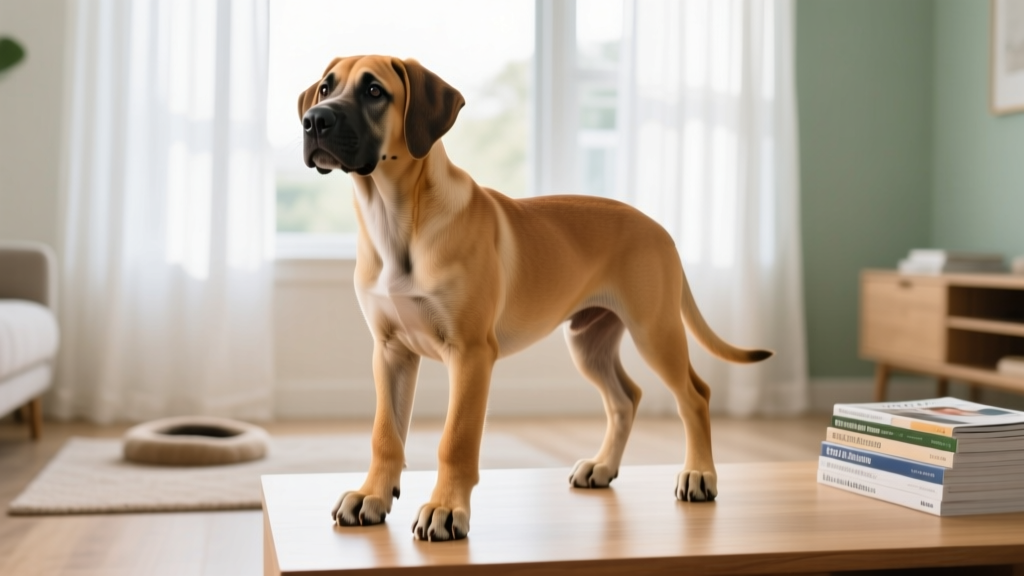
Samoyed Puppy Care Guide: Milestones, Feeding & Training...
Complete puppy Samoyed dog care guide covering age milestones, feeding schedules, potty training, socialization windows, vaccinations, and first-year costs.

Bringing Home a Puppy Samoyed Dog: What to Expect in Year One
Samoyeds are working dogs wrapped in cloud-white fluff, and raising a Samoyed puppy is unlike raising most other breeds. Originally bred by the Samoyedic people of Siberia to herd reindeer, pull sleds, and sleep beside children for warmth, these dogs carry deep instincts for vocalization, pack bonding, and cold-weather endurance. A puppy Samoyed dog will test your patience with stubborn independence, mouthiness, and an almost supernatural ability to escape enclosures — but reward you with a temperament the AKC describes as "stubborn, dignified, and mischievous."
This guide covers the first 12 months with your Samoyed puppy, organized by developmental stage with breed-specific advice you won't find in generic puppy manuals. Every timeline, portion size, and training tip below reflects the realities of this particular breed: their thick double coat, their sensitivity to heat, their tendency toward hip dysplasia and progressive retinal atrophy, and their need for structured socialization during a surprisingly narrow critical window.
Veterinary Disclaimer: This guide provides general education. Always consult your veterinarian for personalized health, vaccination, and nutrition decisions for your individual puppy.
When Should I Bring My Samoyed Puppy Home?
The ideal age to bring a Samoyed puppy home is 8 to 10 weeks. Responsible breeders keep Samoyed puppies with their littermates until at least 8 weeks because this breed matures socially slower than many gundog or companion breeds. Weeks 6 through 8 are when Samoyed littermates learn bite inhibition through play — removing a puppy before this window closes often results in a mouthier, harder-to-train adolescent.
Some experienced Samoyed breeders prefer holding puppies until 10 or even 12 weeks, particularly for show prospects. This is not a red flag; it often means the breeder is running early temperament testing (such as the Volhard Puppy Aptitude Test at 49 days) and matching puppies to homes deliberately. If your breeder suggests 10 weeks, ask about their socialization protocol during weeks 8–10.
- Whimpering at night (separation from littermates) — place a warm water bottle wrapped in a towel and a ticking clock in the crate
- Loose stools for 24–48 hours due to stress and diet transition
- Low appetite on day one — offer small meals of the breeder's food mixed with warm water
- Excessive chewing and mouthing — have frozen Kong toys (Kong Classic, ~$15) pre-filled and ready
Samoyed Puppy Milestones: Week-by-Week Development
Samoyeds develop on a slightly extended timeline compared to smaller breeds. They don't reach full physical maturity until 18–24 months, and their coat doesn't fully "blow in" (the dense adult undercoat) until around 12–14 months. Here's what to expect at each stage.
| Age Range | Weight Range (lb/kg) | Key Milestones | Owner Priorities |
|---|---|---|---|
| 4–8 weeks | 4–12 lb / 1.8–5.4 kg | Weaning complete, littermate play, bite inhibition learning, first DHPP vaccine at 6–8 weeks | If still with breeder: confirm early neurological stimulation (ENS) protocol and sound exposure |
| 8–12 weeks | 10–20 lb / 4.5–9 kg | Critical socialization window opens, fear imprinting period (8–11 weeks), rapid bonding, house training begins | Positive exposure to 30+ novel stimuli, crate training, establish feeding routine, begin name recognition |
| 12–16 weeks | 18–30 lb / 8–13.6 kg | Socialization window closing, teething begins, bladder control improves, can hold 3–4 hours | Complete puppy vaccine series, puppy kindergarten classes, begin leash walking, redirect chewing to appropriate items |
| 16–24 weeks (4–6 months) | 28–42 lb / 12.7–19 kg | Peak teething, independence testing, recall reliability drops, adult teeth emerging | Consistent boundary enforcement, safe chew rotation, spay/neuter planning with vet, intermediate training |
| 6–12 months | 35–55 lb / 15.9–25 kg | Adolescent regression in training, sexual maturity, coat transition to adult double coat, growth plates still open | Advanced obedience, avoid repetitive high-impact exercise (protect joints), grooming routine for adult coat |
A key Samoyed-specific note: this breed's fear imprinting period (roughly 8–11 weeks) is intense. A traumatic experience during this window — a rough vet visit, a dog attack, being left alone for too long — can create lasting phobias. Plan your puppy's early experiences carefully. If something goes wrong during a socialization outing, end on a positive note with treats and play rather than pushing through.
Feeding Schedule: Exact Portions for Your Growing Samoyed
Samoyeds are medium-to-large dogs (adult males 45–65 lb / 20–29 kg, females 35–50 lb / 16–23 kg per the AKC breed standard). Overfeeding a growing Samoyed puppy increases the risk of hip dysplasia, a condition this breed is genetically predisposed to. The goal is lean growth — you should be able to feel (but not see) ribs through the coat.
| Age | Meals Per Day | Approximate Daily Amount (Large-Breed Puppy Kibble) | Notes |
|---|---|---|---|
| 8–12 weeks | 4 | 1.5–2 cups/day (total) | Soak kibble in warm water for first week home; feed at 7am, 11am, 3pm, 7pm |
| 12–16 weeks | 3 | 2–2.5 cups/day | Drop the 11am meal; feed at 7am, 1pm, 7pm |
| 4–6 months | 3 | 2.5–3.5 cups/day | Portions increase with growth spurts; adjust based on body condition score |
| 6–12 months | 2 | 3–4 cups/day | Transition to 2 meals at 7am and 6pm; switch to adult food at 12 months (not before) |
Food selection matters. Choose a large-breed puppy formula that meets AAFCO guidelines for growth. Look for calcium content between 1.0% and 1.5% on a dry matter basis — excess calcium in large-breed puppies is linked to developmental orthopedic disease. Brands that consistently pass AAFCO feeding trials include Purina Pro Plan Large Breed Puppy, Royal Canin Giant Puppy, and Hill's Science Diet Large Breed Puppy.
Never free-feed a Samoyed puppy. This breed will eat past satiety, and obesity in growing Samoyeds compounds joint stress. Measure every meal with a standard 8 oz measuring cup, and weigh your puppy weekly to track growth against the ranges above.
Socialization Window: The 3–14 Week Critical Period
For Samoyeds, the socialization window is non-negotiable. This breed's natural wariness of strangers and tendency to be vocal can harden into fear-based reactivity if they aren't exposed to diverse people, environments, sounds, and other animals before 14 weeks. After this window closes, novel experiences trigger suspicion rather than curiosity.
Between weeks 3 and 14, aim to expose your puppy to at least 100 unique positive experiences. Here's a breed-specific checklist:
- People (minimum 20 encounters): Children running/screaming, elderly with walkers, people in hats/sunglasses/hoodies, delivery drivers, people of different ethnicities, tall men with deep voices, people using wheelchairs or crutches
- Surfaces (minimum 10): Wet grass, gravel, metal grates, carpet, tile, sand, snow (when weather permits), wooden bridges, plastic tarps, bubble wrap
- Sounds (minimum 15): Vacuum cleaner, thunderstorms (play recordings at low volume, increase gradually), doorbell, car horns, fireworks recordings, hair dryer, blender, dropping pots, clapping, children laughing
- Handling (daily): Paw touching (critical for grooming later), ear inspection, mouth opening, nail clipping simulation, being held on back, being restrained gently — Samoyeds need to tolerate extensive grooming as adults
- Other animals: Calm adult dogs (vaccinated), cats (supervised), livestock if accessible (Samoyeds have herding instinct)
- Environments: Car rides, pet-friendly store parking lots, outdoor café patios, veterinary waiting room (just to visit, no procedures), different rooms in your home, elevator, stairs
Rule of thumb: Every new experience should end with your puppy relaxed and receiving a high-value treat (freeze-dried liver, small pieces of boiled chicken). If your puppy shows fear — cowering, tail tucking, refusal to take treats — increase distance from the stimulus and let them observe from a safe vantage point. Never force a Samoyed puppy into a scary situation; this breed holds grudges against triggers associated with fear.
Vaccination Schedule for Samoyed Puppies
Samoyeds follow the standard core vaccination protocol recommended by the American Veterinary Medical Association. However, because Samoyeds are prone to vaccine reactions (mild facial swelling and lethargy are more commonly reported in Nordic breeds), discuss pre-medication with diphenhydramine (Benadryl) with your veterinarian before each visit.
| Age | Vaccines Administered | What It Protects Against | Cost Range (2026) |
|---|---|---|---|
| 6–8 weeks | DHPP (1st dose) | Distemper, Hepatitis (Adenovirus), Parainfluenza, Parvovirus | $25–$45 |
| 10–12 weeks | DHPP (2nd dose), Bordetella (optional) | Same as above (booster); Bordetella for kennel cough if attending puppy classes | $30–$55 |
| 14–16 weeks | DHPP (3rd dose), Rabies | Core booster; Rabies (required by law in most US states) | $40–$70 |
| 12–16 months | DHPP booster, Rabies booster | Annual or 3-year protocol depending on vaccine type | $35–$60 |
Leptospirosis and Lyme vaccines are non-core but recommended if you live in an area with wildlife exposure or tick prevalence. Discuss with your vet based on your geography.
Until your puppy has received the full DHPP series (final dose at 14–16 weeks), avoid public dog parks, pet store floors, and areas with unknown dog traffic. Parvovirus can survive in soil for over a year and is frequently fatal in unvaccinated puppies. Socialization during the pre-vaccine period should happen in controlled environments: your yard, friends' homes with known-vaccinated dogs, and puppy classes that require proof of at least one DHPP dose.
Potty Training Timeline: Realistic Expectations for Samoyeds
Samoyeds are moderately difficult to house train. They're intelligent but easily distracted, and their thick coat can mask the physical signs of needing to go (squatting happens inside a cloud of fur). Expect the following timeline:
- 8–12 weeks: Accidents every 1–2 days. Take puppy out every 30–45 minutes during active hours. Yes, this is exhausting. Set phone alarms.
- 12–16 weeks: Accidents drop to 1–2 per week. Bladder capacity increases to roughly 1 hour per month of age (a 3-month-old can hold approximately 3 hours maximum).
- 4–6 months: Mostly reliable with occasional regression during teething or routine changes. Nighttime dryness typically achieved by 5 months.
- 6–9 months: Fully reliable in most cases. Adolescent males may begin leg-lifting and marking — neutering before 6 months can reduce but not eliminate this behavior.
Problem: Puppy pees inside 5 minutes after coming back in from outside.
Cause: Samoyeds get distracted outdoors by smells, sounds, and sights. They forget to eliminate until they're back in the "boring" indoor environment.
Solution: Stand in one spot for up to 10 minutes. Use a consistent cue word ("go potty"). Reward immediately with a high-value treat the moment they finish — not after they come inside. If nothing happens after 10 minutes, bring them in, crate for 15 minutes, then try again.
Crate training accelerates potty training because dogs naturally avoid soiling their sleeping area. Use the following time limits — exceeding them causes distress and teaches the puppy to eliminate in the crate, which makes training harder:
| Age | Maximum Crate Time (Daytime) | Maximum Crate Time (Nighttime) | Crate Size Recommendation |
|---|---|---|---|
| 8–10 weeks | 1–2 hours | 3 hours (expect overnight wake-ups) | 36-inch crate with divider panel (grow into 42-inch adult size) |
| 10–14 weeks | 2–3 hours | 4–5 hours | Same crate, adjust divider as puppy grows |
| 4–6 months | 3–4 hours | 6–7 hours | Remove divider if puppy isn't soiling crate |
| 6–12 months | 4–5 hours | 8 hours | Full 42-inch crate (Samoyeds need room to stretch) |
Teething Timeline and Relief Strategies
Samoyed puppies begin losing baby teeth around 12–16 weeks, with adult teeth fully erupted by 6–7 months. The peak discomfort period is 4–5 months, when the large canine teeth and premolars push through. Samoyeds are heavy chewers during this stage, and their powerful jaws (bred for pulling sled loads) mean they can destroy furniture, baseboards, and shoes rapidly.
Safe chew rotation for a teething Samoyed:
- Frozen Kong Classic ($15–$18): Fill with plain yogurt and mashed banana, freeze overnight. Provides 20–30 minutes of soothing relief.
- Benebone Wishbone ($14–$20): Nylon chew in bacon or peanut butter flavor. The wishbone shape gives Samoyeds leverage their paws can grip.
- Frozen carrot sticks: Cheap, low-calorie, and the cold numbs gums. Supervise — large pieces can be a choking hazard.
- Wet washcloth (frozen): Soak a clean washcloth in water or low-sodium chicken broth, twist into a rope, freeze. Supervise to prevent swallowing fabric.
- Nylabone Power Chew ($10–$15): Textured surface cleans teeth during chewing. Choose the "large" size even for puppies — Samoyeds have wide jaws.
Avoid: Rawhide (choking and intestinal blockage risk), cooked bones (splintering), antlers (tooth fracture risk in young dogs with developing enamel), and any chew smaller than the puppy's muzzle width.
Common Samoyed Puppy Problems and Solutions
Biting and Nipping
Samoyeds are a mouthy breed — they herded reindeer with their mouths, and that instinct shows up as nipping at heels, hands, and clothing. This is not aggression; it's communication. To stop puppy biting:
- When teeth touch skin, say "ouch" in a sharp, high-pitched tone and immediately withdraw attention for 15–20 seconds (stand up, turn away, or step behind a baby gate).
- Redirect to an appropriate chew toy the moment they stop.
- Reward gentle mouth contact (licking) with treats and praise.
- Increase physical and mental exercise — a tired Samoyed puppy mouths less. Aim for 5 minutes of structured exercise per month of age, twice daily (e.g., a 4-month-old gets 20-minute walks).
- Enroll in a puppy kindergarten class (typically $150–$250 for 6 weeks) where puppies learn bite inhibition from each other.
Whining and Vocalization
Samoyeds earned the nickname "Sammy Smile" for their vocal range — they whine, howl, "talk," and scream. Puppy whining at night usually peaks during the first 3–5 nights home. Strategies:
- Place the crate in your bedroom for the first 2 weeks so the puppy can hear and smell you.
- Do not respond to whining by letting the puppy out of the crate (this reinforces the behavior). Wait for 10 seconds of silence before opening the crate.
- Ensure the puppy has eliminated right before crating and hasn't been crated beyond age-appropriate time limits.
- Provide a snuffle mat or frozen Kong in the crate to create positive associations.
Destructive Chewing
Beyond teething, Samoyed puppies chew from boredom. This breed needs mental stimulation equal to their physical exercise. Rotate puzzle toys (Outward Hound Dog Brick, ~$15; Kong Wobbler, ~$18) and practice 10-minute training sessions 2–3 times daily to tire their brains.
First-Year Cost Breakdown for a Samoyed Puppy
Budget realistically. Samoyeds are not a budget breed — their size, coat care needs, and health screening requirements add up quickly.
| Category | Low Estimate | Mid-Range | High Estimate | Notes |
|---|---|---|---|---|
| Puppy purchase (responsible breeder) | $2,000 | $3,000 | $5,000+ | Adoption from Samoyed rescue: $300–$600 |
| Initial vet visits (vaccines, deworming, wellness exams) | $300 | $500 | $800 | Includes fecal tests, heartworm prevention start |
| Spay/neuter | $300 | $500 | $800 | Varies by clinic and dog size at time of surgery |
| Food (12 months) | $600 | $900 | $1,400 | Large-breed puppy formula; premium brands cost more |
| Supplies (crate, bed, leash, bowls, grooming tools) | $300 | $500 | $800 | Slicker brush, undercoat rake, and high-velocity dryer are essential |
| Grooming (professional, if not DIY) | $600 | $1,200 | $2,400 | $50–$100/session every 4–8 weeks; many owners learn to groom at home |
| Training classes | $200 | $400 | $800 | Puppy kindergarten + basic obedience minimum |
| Pet insurance (annual premium) | $480 | $720 | $1,200 | Strongly recommended — Samoyeds are prone to hip dysplasia, diabetes, and eye conditions |
| Total First Year | $4,780 | $7,720 | $13,200 | Excluding emergency vet visits ($500–$5,000+) |
For ongoing annual costs after year one, budget $2,500–$4,500 per year for food, preventive care, grooming, and insurance. According to the ASPCA's pet care cost estimates, large-breed dogs cost significantly more than smaller dogs across every category.
Frequently Asked Questions
When can my Samoyed puppy go outside and meet other dogs?
Your puppy can explore your private yard immediately. For public spaces and dog-to-dog introductions, wait until 7 days after the second DHPP vaccine (typically around 12–13 weeks). Full protection isn't established until 7 days after the final DHPP at 14–16 weeks. Puppy classes that require proof of at least one DHPP dose and maintain sanitized facilities are generally considered safe from 10 weeks onward — the socialization benefit outweighs the minimal disease risk in controlled settings, per the American Veterinary Society of Animal Behavior's position statement.
How often should I feed my Samoyed puppy at each age?
At 8–12 weeks: 4 meals per day. At 12–16 weeks: 3 meals per day. At 6 months onward: 2 meals per day. Never feed a Samoyed one large meal — this breed has a deep chest and is at elevated risk for gastric dilatation-volvulus (bloat). Splitting food into smaller, more frequent meals reduces this risk.
When will my Samoyed puppy be fully potty trained?
Most Samoyeds are reliably house trained by 5–7 months with consistent scheduling. Males may take slightly longer due to marking behavior during adolescence. If your puppy is still having frequent accidents past 6 months, consult your veterinarian to rule out urinary tract infections or anatomical issues before assuming it's a training problem.
How do I stop my Samoyed puppy from biting and nipping?
Use the "ouch + withdraw" method described above, redirect to appropriate chews, and ensure adequate exercise and mental stimulation. Puppy biting in Samoyeds typically peaks at 12–16 weeks and declines steadily through 6 months if handled consistently. Never use physical punishment, muzzle grabbing, or alpha rolls — these methods damage trust and can trigger defensive aggression in this sensitive breed.
What vaccines does my Samoyed puppy need and when?
The core protocol is DHPP at 6–8 weeks, 10–12 weeks, and 14–16 weeks, plus Rabies at 14–16 weeks. Bordetella, Leptospirosis, and Lyme are non-core vaccines your veterinarian may recommend based on your puppy's lifestyle and geographic risk factors. See the vaccination table above for details and cost ranges.
Why does my Samoyed puppy howl so much?
Samoyeds are a primitive Nordic breed that historically communicated over vast Arctic distances. Howling, "talking," and vocalizing are breed traits, not behavioral problems. You can manage excessive vocalization by not reinforcing demand-howling (ignore it, reward quiet), providing adequate exercise, and teaching a "quiet" cue using positive reinforcement. If howling is accompanied by pacing, drooling, or destructive behavior when left alone, consult a certified behaviorist — this may indicate separation anxiety, which is common in pack-oriented breeds.
Jonas Cole
All our authors care for dogs every day — read more of their work on the authors page.