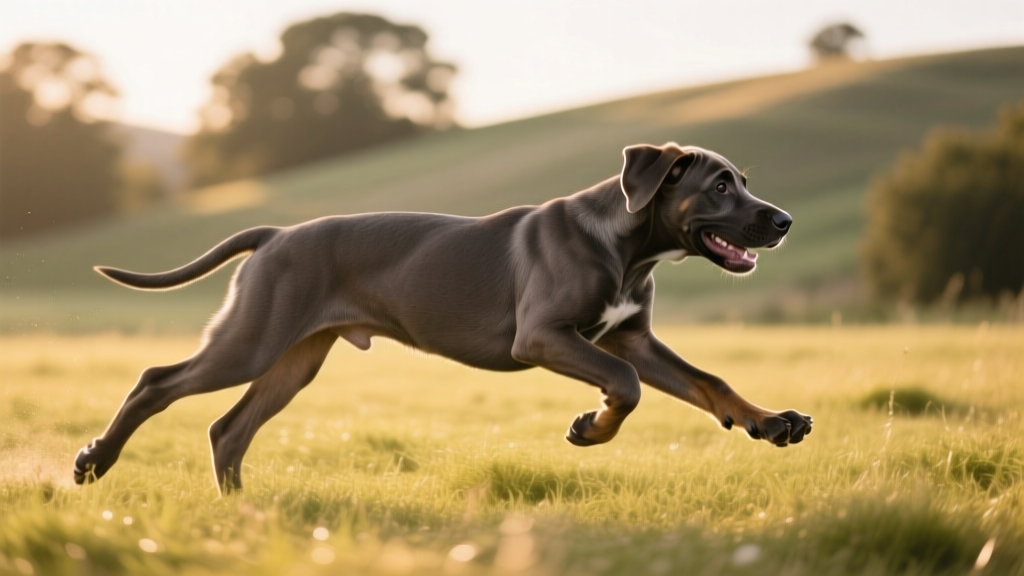
Rottweiler Puppy Price Guide
Complete Rottweiler puppy price breakdown including first-year costs, feeding schedules, vaccination timelines, and breed-specific milestones for new owners.

Understanding the True Rottweiler Puppy Price Beyond the Purchase
If you've researched Rottweiler puppy prices, you've likely seen figures ranging from $1,500 to $8,000 depending on pedigree, breeder reputation, and location. But the purchase price is only the beginning. A responsible Rottweiler owner should budget between $3,800 and $6,200 for the first year of ownership — and that's before accounting for emergencies.
Rottweilers are large-breed dogs with specific nutritional, developmental, and training needs that make their puppy phase both rewarding and expensive. This guide breaks down every cost, milestone, and care decision you'll face from the day you bring your Rottweiler puppy home through their first birthday.
| Category | Low Estimate | High Estimate |
|---|---|---|
| Puppy purchase (AKC registered) | $1,500 | $4,500 |
| Veterinary care (vaccines, spay/neuter, checkups) | $650 | $1,200 |
| Food (large-breed puppy formula) | $600 | $1,100 |
| Supplies (crate, bed, leash, toys, gates) | $350 | $700 |
| Training (group classes + private sessions) | $300 | $800 |
| Pet insurance (annual premium) | $480 | $900 |
| TOTAL (excluding purchase) | $2,380 | $4,700 |
According to the American Kennel Club, Rottweilers are a working breed that matures slowly — both physically and mentally. Most Rottweilers don't reach full skeletal maturity until 18–24 months, which means your puppy-phase feeding and exercise decisions directly impact their long-term joint health.
Rottweiler Puppy Milestones: What to Expect Week by Week
Weeks 4–8: The Breeder's Domain
During this period, your Rottweiler puppy is still with the breeder. Here's what should be happening:
- Week 4: Puppies begin weaning onto soft food (gruel). Eyes and ears fully functional. First deworming typically administered.
- Week 5–6: Littermate play intensifies — this is where bite inhibition foundations are laid. Puppies learn social hierarchy through play. Breeder should begin early neurological stimulation (ENS) protocols.
- Week 6–7: First DHPP vaccine administered by the breeder's veterinarian. Puppies become more coordinated and begin exploring their environment actively.
- Week 7–8: Individual temperament testing often conducted. Puppies should be eating solid kibble (large-breed puppy formula, moistened). Second deworming. A responsible breeder will provide you with a health record, feeding schedule, and contract.
Weeks 8–12: Homecoming and Adjustment
This is when you bring your Rottweiler puppy home. Expect a 7–14 day adjustment period with disrupted sleep, frequent potty accidents, and clingy behavior.
- Weight at 8 weeks: Typically 13–18 lb (6–8 kg)
- Weight at 12 weeks: Typically 25–35 lb (11–16 kg)
- Sleep: 18–20 hours per day — puppies this age need enforced nap times in their crate
- Attention span: 2–5 minutes per training session maximum
- Key developmental task: Bonding with humans, learning household routines, beginning name recognition
Weeks 12–16: Foundation Training Phase
Your Rottweiler puppy's brain is rapidly developing. This is the prime window for establishing basic obedience cues (sit, down, come, leave it) using positive reinforcement.
- Weight at 16 weeks: Typically 40–55 lb (18–25 kg)
- Teething begins: Deciduous (baby) teeth start loosening around week 14–16
- Fear periods: Many puppies experience a fear imprint period around 8–11 weeks and again around 6–14 months — avoid forcing your puppy into situations that cause panic during these windows
- Socialization urgency: The critical socialization window closes around 14–16 weeks, making this your last chance for maximum exposure
Weeks 16–24: Rapid Growth and Testing Boundaries
This is where Rottweiler puppies earn their reputation. Your puppy will test limits, chew everything, and begin showing breed-specific traits like wariness of strangers and protective instincts.
- Weight at 6 months: Typically 55–75 lb (25–34 kg)
- Teething peak: Adult teeth erupting, intense chewing drive
- Energy level: Bursts of high activity followed by long naps
- Training milestone: Can learn more complex sequences, duration-based commands, and begin leash walking with loose-leash expectations
Months 6–12: Adolescence
Rottweiler adolescence is prolonged compared to smaller breeds. Expect regression in previously learned behaviors, increased independence, and the onset of sexual maturity.
- Weight at 12 months: Males 80–110 lb (36–50 kg), Females 70–95 lb (32–43 kg)
- Spay/neuter timing: Discuss with your veterinarian — many veterinary orthopedic specialists recommend waiting until 12–18 months for large breeds to allow growth plate closure, per research published in AVMA journals
- Training: Advanced obedience, impulse control exercises, and continued socialization are critical
Rottweiler Puppy Feeding Schedule by Age and Weight
Rottweilers are prone to rapid growth-related orthopedic diseases including hip dysplasia, elbow dysplasia, and osteochondritis dissecans (OCD). Feeding a large-breed puppy formula with controlled calcium and phosphorus ratios is non-negotiable. The Merck Veterinary Manual emphasizes that large-breed puppies should grow slowly and steadily — not as fast as possible.
| Age | Meals Per Day | Approximate Daily Amount | Notes |
|---|---|---|---|
| 8–12 weeks | 3–4 | 2–3 cups (split across meals) | Moisten kibble with warm water; feed large-breed puppy formula only |
| 12–16 weeks | 3 | 3–4 cups | Transition to dry kibble; body condition score (BCS) should be 4–5/9 |
| 4–6 months | 2–3 | 4–5.5 cups | Monitor weight weekly; ribs should be palpable without excess fat |
| 6–9 months | 2 | 5–6.5 cups | Continue large-breed puppy formula; do NOT switch to adult food yet |
| 9–12 months | 2 | 5.5–7 cups | Gradually transition to adult large-breed formula around 12–15 months |
Critical note: These amounts are based on a kibble with approximately 350–400 kcal/cup. Always check your specific food's feeding chart and adjust based on your puppy's body condition score. Overfeeding a Rottweiler puppy increases hip dysplasia risk by placing excess mechanical stress on developing joints.
Look for an AAFCO statement on the bag confirming the food meets nutritional profiles for growth (not just maintenance). Brands commonly recommended by veterinary nutritionists for large-breed puppies include Purina Pro Plan Large Breed Puppy, Royal Canin Giant Puppy, and Hill's Science Diet Large Breed Puppy.
Rottweiler Puppy Vaccination Schedule
Your Rottweiler puppy's immune system is immature at birth. Maternal antibodies from colostrum provide temporary protection but interfere with vaccine response, which is why a series of boosters is required. Consult your veterinarian to confirm the exact schedule for your area, as regional disease prevalence may alter recommendations.
| Age (Weeks) | Vaccine | Protection Against |
|---|---|---|
| 6–8 | DHPP (1st dose) | Distemper, Hepatitis (Adenovirus), Parainfluenza, Parvovirus |
| 10–12 | DHPP (2nd dose) + Bordetella | Same as above + Kennel Cough |
| 14–16 | DHPP (3rd dose) + Rabies | Same as above + Rabies (legally required in most US states) |
| 12 months | DHPP booster + Rabies booster | Continued immunity |
Optional vaccines to discuss with your vet: Leptospirosis (recommended if you hike or live near wildlife), Lyme disease (tick-endemic areas), and Canine Influenza (if your dog will be boarded or attend daycare). Parvovirus is especially dangerous for Rottweiler puppies — the ASPCA notes that Rottweilers, along with Doberman Pinschers and Pit Bull-type breeds, appear to have a higher susceptibility to parvovirus infection and more severe clinical outcomes.
The Critical Socialization Window: Weeks 3–14
For Rottweilers, socialization isn't optional — it's a public safety imperative. A poorly socialized Rottweiler is a liability. The primary socialization window opens at approximately 3 weeks and closes between 12–14 weeks of age. After this window, unfamiliar stimuli are more likely to trigger fear and defensive responses rather than curiosity.
Because your puppy won't be fully vaccinated until 16 weeks, you must balance socialization with infection risk. The AVMA and the American Veterinary Society of Animal Behavior (AVSAB) both recommend that socialization begin before full vaccination — the behavioral risk of an under-socialized dog outweighs the disease risk when managed carefully.
- ✅ Surfaces: grass, gravel, concrete, sand, metal grates, wet floors
- ✅ Sounds: vacuum cleaner, thunder (recordings), fireworks (recordings), doorbell, clapping, traffic
- ✅ People: children (supervised), elderly individuals, people wearing hats/sunglasses/uniforms, people of different ethnicities and body types
- ✅ Handling: paw touching, ear inspection, mouth opening, nail clipping simulation, collar/harness pressure
- ✅ Environments: car rides, pet store (carried in arms or cart before full vaccination), friend's houses, outdoor café patios
- ✅ Other animals: fully vaccinated, temperament-tested adult dogs (avoid dog parks until vaccination complete)
- ✅ Objects: umbrellas opening, bicycles, skateboards, wheelchairs, plastic bags blowing in wind
- ✅ Experiences: gentle restraint, being placed on a table (grooming simulation), wearing a muzzle (positive association)
Rule of thumb: 100 new experiences by 16 weeks. Keep every encounter positive — use high-value treats (boiled chicken, cheese). If your puppy shows fear, increase distance and let them observe from a safe zone. Never force an interaction.
Potty Training Your Rottweiler: Timeline and Troubleshooting
Rottweiler puppies are intelligent and generally pick up potty routines faster than some breeds, but their small bladders and rapid metabolism mean frequent outings are essential. Here's a realistic timeline:
| Age | Max Bladder Hold Time | Expected Accident Frequency |
|---|---|---|
| 8–10 weeks | 1–1.5 hours | Multiple per day — this is normal |
| 10–14 weeks | 1.5–2.5 hours | 1–2 per day if on a schedule |
| 3–4 months | 2–3 hours | Occasional, usually after routine disruption |
| 4–6 months | 3–4 hours | Rare if consistent schedule maintained |
| 6+ months | 4–6 hours | Most puppies are reliably house-trained by 6–8 months |
Core schedule: Take your puppy outside immediately after waking, after every meal (within 15–20 minutes), after play sessions, and before crating. Use a consistent verbal cue ("go potty" or "do your business") and reward with a high-value treat immediately after elimination — not when you return inside.
Troubleshooting common issues:
- Submissive urination: Common in Rottweiler puppies when greeting. Avoid leaning over or making direct eye contact during greetings. Crouch sideways, speak softly, and greet outdoors when possible. Most puppies outgrow this by 6–9 months.
- Marking behavior: Typically emerges around 6–10 months, especially in intact males. Spaying/neuter reduces but doesn't always eliminate marking. Interrupt with a neutral "oops" and redirect outdoors.
- Regression: Common during fear periods and environmental changes (moving, new family member). Return to basics — increase outing frequency, supervise closely, and use enzymatic cleaners (Nature's Miracle or Rocco & Roxie) to eliminate residual scent markers.
Crate Training Progression and Time Limits
A crate is essential for a Rottweiler puppy — it aids potty training, prevents destructive chewing, and provides a safe den. However, exceeding age-appropriate time limits causes distress and undermines the training process.
| Puppy Age | Maximum Crate Time (Daytime) | Recommended Crate Size |
|---|---|---|
| 8–10 weeks | 1–2 hours | 36" crate with divider panel |
| 11–14 weeks | 2–3 hours | 36" crate with divider panel |
| 15–16 weeks | 3–4 hours | 42" crate (remove divider) |
| 4–6 months | 4–5 hours | 42" or 48" crate |
| 6+ months | 5–6 hours max | 48" crate (adult Rottweilers need space to stand and turn) |
Crate training progression:
- Days 1–3: Leave the crate door open. Feed meals inside the crate. Toss treats in and let puppy enter voluntarily. Place a worn t-shirt with your scent inside.
- Days 4–7: Close the door during meals. Sit near the crate. Gradually increase duration with door closed while you remain visible (start with 30 seconds, build to 10 minutes).
- Week 2: Begin leaving the room for short periods (1–5 minutes) while puppy is crated. Return before puppy becomes distressed. If whining occurs, wait for 3 seconds of silence before opening — never reward vocal demands.
- Week 3+: Extend absences gradually. Begin using the crate for overnight sleep. Place the crate in your bedroom initially to reduce isolation distress, then gradually move it to the desired permanent location over 2–3 weeks.
Teething Timeline and Safe Chew Strategies
Rottweiler puppies have powerful jaws even during teething, and their chewing drive is intense between 3–6 months. Understanding the timeline helps you prepare:
- 3–4 weeks: Deciduous (baby) teeth erupt — 28 total
- 12–16 weeks: Baby incisors begin falling out; you may find tiny teeth on the floor or notice blood-tinged drool
- 4–5 months: Canines and premolars shed; adult teeth erupting simultaneously
- 5–7 months: All 42 adult teeth should be in place; chewing intensity peaks around month 5–6 and gradually declines
Safe chew recommendations for Rottweiler puppies:
- Kong Classic (Red or Black, size Large): Fill with a mixture of plain yogurt, peanut butter (xylitol-free — always check the label), and kibble. Freeze for 2–4 hours for extended engagement.
- Benebone Wishbone (Puppy formula): Softer nylon designed for developing teeth. Replace when worn down significantly.
- Frozen carrots or apple slices: Cold texture soothes inflamed gums. Supervise to prevent choking on large pieces.
- Bully sticks (6-inch, odor-free): Highly digestible single-ingredient chew. Always supervise and remove when the stick becomes small enough to swallow.
Avoid: Rawhide (choking and intestinal blockage risk), antlers and weight-bearing bones from large animals (tooth fracture risk — the Merck Veterinary Manual notes that slab fractures of the carnassial teeth are common with hard chews), and any chew toy small enough to fit entirely inside your puppy's mouth.
Retained deciduous teeth (baby teeth that don't fall out while adult teeth erupt alongside them) are common in Rottweilers and can cause malocclusion. If you see a "double row" of teeth persisting beyond 2 weeks, your vet may need to extract the baby tooth under brief sedation. Also watch for: refusal to eat, excessive facial swelling, or pus around the gum line.
Common Rottweiler Puppy Problems and Solutions
Puppy Biting and Nipping
Rottweiler puppies explore the world with their mouths, and their bite force develops early. Nipping is normal through 16 weeks but must be actively managed.
Solution protocol:
- When teeth touch skin, say "ouch" in a calm, slightly surprised tone (not a scream — high-pitched sounds can escalate arousal).
- Immediately redirect to an appropriate chew toy. Praise enthusiastically when puppy chews the toy.
- If biting continues after 2–3 redirections, the puppy is overstimulated. End the play session with a 10–15 minute crate nap.
- Never use physical punishment, alpha rolls, or muzzle-grabbing. These methods increase fear and can provoke defensive aggression — particularly counterproductive with a powerful breed like the Rottweiler.
Most Rottweiler puppies show significant bite inhibition improvement by 16–20 weeks with consistent redirection. If biting is intense, frequent, or accompanied by stiff body language and growling, consult a certified professional dog trainer (CPDT-KA or IAABC-certified) for a behavior assessment.
Destructive Chewing
A bored or under-stimulated Rottweiler puppy will destroy baseboards, shoes, furniture, and drywall. This peaks between 4–8 months.
Prevention strategy:
- Puppy-proof your home: use baby gates to restrict access, apply bitter apple spray to furniture legs, keep shoes in closed closets
- Provide 4–6 appropriate chew toys rotated weekly to maintain novelty
- Ensure adequate physical exercise (see breed-appropriate limits below) and mental stimulation (snuffle mats, frozen Kongs, 5-minute training sessions 3x daily)
- Never leave a Rottweiler puppy unsupervised in an un-puppy-proofed room — use a crate or exercise pen when you cannot directly watch them
Whining and Crying (Especially at Night)
Nighttime whining is nearly universal in the first 1–2 weeks home. Your puppy has been separated from littermates for the first time.
What works: Place the crate in your bedroom. Use a Snuggle Puppy (a plush toy with a heartbeat simulator and heat pack). Cover the crate with a light blanket to create a den feel. Take puppy out for a potty break at a set time (e.g., 2 AM) and return immediately to the crate without play or extended interaction. Gradually extend the time between nighttime potty breaks as bladder capacity increases.
Exercise Limits for Growing Rottweilers
Over-exercising a Rottweiler puppy damages developing joints. The general guideline is 5 minutes of structured exercise per month of age, twice daily:
- 3 months old: 15 minutes of leash walking, twice daily
- 4 months old: 20 minutes, twice daily
- 6 months old: 30 minutes, twice daily
- 8 months old: 40 minutes, twice daily
Avoid forced running (jogging, biking alongside), repetitive jumping, and long stair climbing until skeletal maturity (18–24 months). Free play (running at their own pace in a yard) is generally safe because puppies self-regulate — they'll stop when tired.
Frequently Asked Questions About Rottweiler Puppies
When should I bring my Rottweiler puppy home?
The ideal age is 8–10 weeks. Puppies removed before 8 weeks miss critical littermate socialization that teaches bite inhibition and canine communication. Some breeders of large breeds prefer to keep puppies until 10–12 weeks for additional socialization and vaccination — this can be beneficial but means you have a shorter socialization window once home. Either age can work if you're prepared for intensive socialization effort.
How often should I feed my Rottweiler puppy?
Feed 3–4 meals per day from 8–12 weeks, 3 meals per day from 12–16 weeks, and transition to 2 meals per day from 4–6 months onward. Free-feeding (leaving food out all day) is not recommended for Rottweilers — it makes potty training unpredictable and increases the risk of bloat (gastric dilatation-volvulus), a life-threatening condition that large, deep-chested breeds are predisposed to. Always wait 30–60 minutes after meals before vigorous exercise.
When will my Rottweiler puppy be fully potty trained?
Most Rottweilers are reliably house-trained by 6–8 months with a consistent schedule. Some males take slightly longer, particularly if intact. "Fully trained" means no accidents for 30+ consecutive days. Setbacks are normal during fear periods, illness, or routine changes — return to a more frequent outing schedule and rebuild from there.
When can my Rottweiler puppy go outside and meet other dogs?
Your puppy can go outside in your own yard (assuming no known parvo exposure) from day one. For public spaces, wait until 7 days after the second DHPP vaccine (approximately 12–13 weeks of age) for low-risk areas, and until the full series is complete (after 16 weeks) for high-traffic dog areas like parks. For meeting other dogs: arrange playdates with fully vaccinated, temperament-tested adult dogs in private yards starting at 8–9 weeks. Avoid dog parks until the full vaccination series is complete and your puppy has had adequate socialization to read canine body language.
How do I stop my Rottweiler puppy from biting and nipping?
Use the redirection protocol outlined above: calm "ouch" → redirect to toy → praise chewing toy → enforce nap if overstimulated. Consistency from every household member is critical. Children should not engage in roughhousing or hand-wrestling games with a Rottweiler puppy — these teach that hands are toys. Expect gradual improvement over 4–8 weeks of consistent practice. If biting causes puncture wounds or is accompanied by hard staring and stiff body posture, seek professional behavior consultation immediately.
What vaccines does my Rottweiler puppy need and when?
The core vaccination series includes DHPP at 6–8, 10–12, and 14–16 weeks, plus a rabies vaccine at 14–16 weeks (timing varies by state law). Bordetella is recommended at 10–12 weeks if your puppy will attend group training classes or be boarded. Leptospirosis and Lyme vaccines are situational — discuss with your veterinarian based on your geographic area and lifestyle. Your puppy will need boosters at 12 months, then typically every 1–3 years depending on the vaccine type and your vet's protocol. Some owners opt for titers testing (measuring antibody levels) before administering boosters after the initial series.
Dr. Hannah Wickes
All our authors care for dogs every day — read more of their work on the authors page.