Red Bone Hound Puppy: Complete Week-by-Week Care & Training Guide
Your complete red bone hound puppy guide covering milestones, feeding schedules, potty training, vaccinations, and socialization from 8 weeks to 12 months.
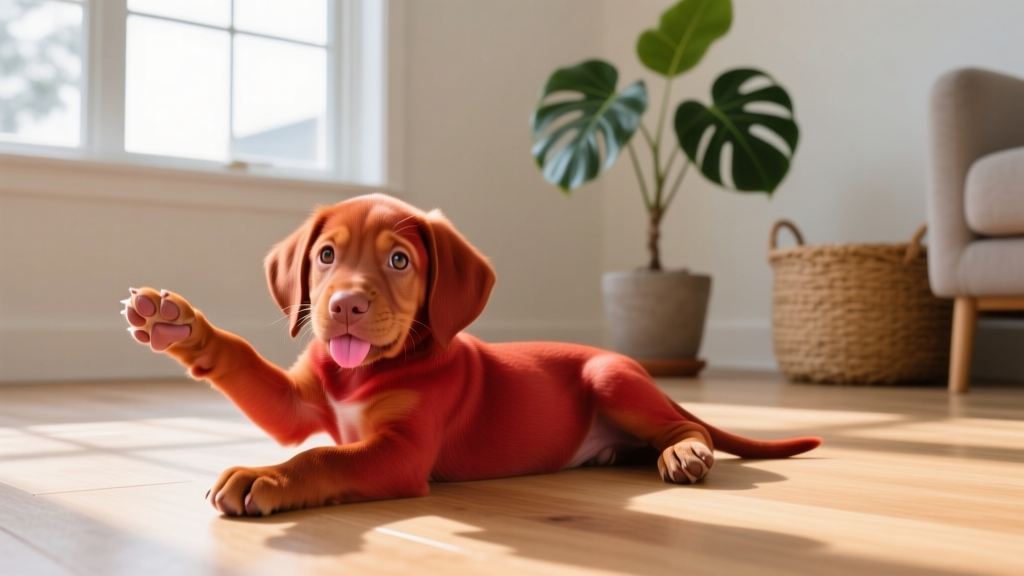
When Should You Bring Your Red Bone Hound Puppy Home?
The ideal age to bring your red bone hound puppy home is between 8 and 10 weeks. While some breeders release puppies at 8 weeks, many experienced Redbone Coonhound breeders prefer to hold puppies until 9 or 10 weeks. This extra time allows littermates to develop bite inhibition naturally and gives the breeder more time to evaluate temperament for proper placement.
Redbone Coonhounds are scenthounds bred for independent tracking work, which means they arrive in your home with strong noses, loud voices, and a determination that can surprise first-time hound owners. Understanding what to expect at each developmental stage helps you build the foundation for a well-adjusted adult dog.
Red Bone Hound Puppy Milestones: Week by Week
Weeks 4–8: The Litter Phase (With the Breeder)
During this period, your red bone hound puppy is still with their breeder and littermates. Key developments include:
- Week 4: Eyes and ears fully functional; puppy begins exploring beyond the whelping box; first deworming typically administered
- Week 5: Social play intensifies — puppies learn bite inhibition from siblings; first introduction to solid food (gruel)
- Week 6: First DHPP vaccine administered by the breeder's vet; puppies begin responding to human voices and handling
- Week 7: Fear period begins — negative experiences during this week can create lasting phobias; responsible breeders introduce novel surfaces, sounds, and gentle handling
- Week 8: Second fear period may overlap; puppy is neurologically ready to bond with a new family; initial vet exam scheduled within 48 hours of pickup
Weeks 8–12: The Homecoming and Bonding Window
This is your most critical bonding period. Your red bone hound puppy is highly impressionable and forming associations that last a lifetime.
- Sleep: Expect 18–20 hours of sleep per day. Puppies this age cannot stay awake for more than 1–2 hours between naps.
- Attention span: Training sessions should last no more than 3–5 minutes.
- House awareness: Puppy begins learning the layout of your home but has zero bladder control beyond 1–2 hours.
- Vocalization: Redbones are a vocal breed. Expect some howling and baying as your puppy adjusts — this is normal breed behavior, not a sign of distress.
- Weight: A typical 8-week-old Redbone Coonhound puppy weighs 8–12 lb (3.6–5.4 kg). By 12 weeks, expect 15–22 lb (6.8–10 kg).
Weeks 12–16: Building Confidence and Boundaries
Your puppy is becoming more coordinated, curious, and testing boundaries. The socialization window is still open but closing fast.
- Teething begins: Deciduous (baby) teeth start loosening around 12–14 weeks. Chewing intensity increases dramatically.
- Bladder control improves: Puppy can hold for approximately 2–3 hours during the day (age in months + 1 = approximate hours of control).
- Recall foundations: Start practicing recall in enclosed areas using high-value treats (freeze-dried liver, boiled chicken). Redbones have a strong prey drive, so reliable recall takes months of consistent work.
- Weight: Expect 22–35 lb (10–16 kg) by 16 weeks.
Weeks 16–24: The Juvenile Stage
Your red bone hound puppy is now a teenager in dog years. Energy levels spike, and previously solid training may seem to regress.
- Teething peak: Adult teeth are fully in by 6–7 months. Chewing remains intense through this period.
- Second fear period: Typically occurs between 6–14 months. Your puppy may suddenly become wary of previously familiar objects or situations. Respond with calm confidence — do not force exposure.
- Scent drive emerges: Your puppy will begin nose-tracking on walks. This is breed-appropriate behavior. Channel it into structured scent games rather than suppressing it.
- Weight: Expect 35–50 lb (16–23 kg) by 6 months. Males trend higher.
Months 6–12: Approaching Maturity
Your Redbone is filling out physically but remains mentally juvenile. Most Redbone Coonhounds are not fully mature until 18–24 months.
- Spay/neuter window: Many veterinarians recommend waiting until 6–9 months for Redbones, as larger breeds benefit from allowing some hormonal development for proper bone and joint growth. Discuss timing with your vet.
- Exercise capacity: Structured exercise (running, long hikes) should wait until growth plates close around 12–18 months. Stick to free play and short walks.
- Weight: Adult Redbone Coonhounds typically reach 45–70 lb (20–32 kg), with males at the higher end. AKC breed standard lists height at 21–27 inches (53–69 cm) at the shoulder.
Red Bone Hound Puppy Feeding Schedule
Redbone Coonhounds are medium-to-large athletic dogs that need a diet formulated for large-breed puppies to support controlled growth and joint health. Look for an AAFCO statement confirming the food meets nutritional requirements for growth, specifically large-breed growth.
| Age | Meals Per Day | Portion Per Meal (approx.) | Total Daily Amount | Notes |
|---|---|---|---|---|
| 8–12 weeks | 4 | ½–¾ cup | 2–3 cups | Large-breed puppy formula; soak kibble in warm water if puppy struggles to chew |
| 12–16 weeks | 3 | ¾–1 cup | 2¼–3 cups | Transition meal count gradually; drop the midday meal last |
| 4–6 months | 3 | 1–1½ cups | 3–4½ cups | Monitor body condition score (BCS); adjust if ribs become difficult to feel |
| 6–9 months | 2 | 1½–2 cups | 3–4 cups | Transition to 2 meals; reduce to adult maintenance formula at 9–12 months per vet guidance |
| 9–12 months | 2 | 1½–2½ cups | 3–5 cups | Active juveniles may need more; sedentary dogs may need less |
Key feeding rules for Redbone puppies:
- Never free-feed. Hounds are food-motivated and will overeat, leading to rapid growth that stresses developing joints.
- Avoid foods with calcium supplementation beyond what's in a complete large-breed puppy formula — excess calcium is linked to developmental orthopedic diseases like osteochondrosis.
- No vigorous exercise 30 minutes before or after meals to reduce bloat (GDV) risk, which is elevated in deep-chested breeds like the Redbone.
- Fresh water should be available at all times. Redbone puppies typically drink ½–1 ounce of water per pound of body weight daily.
Vaccination Schedule for Your Red Bone Hound Puppy
Your puppy's vaccination schedule follows the standard core vaccine protocol recommended by the American Veterinary Medical Association. Redbone Coonhounds do not require a modified schedule, but your vet may adjust timing based on local disease prevalence.
| Age | Vaccine(s) | Type | Notes |
|---|---|---|---|
| 6–8 weeks | DHPP (1st dose) | Core | Distemper, Hepatitis (Adenovirus), Parainfluenza, Parvovirus — typically given by breeder's vet |
| 10–12 weeks | DHPP (2nd dose) + Bordetella | Core + Lifestyle | Bordetella recommended if attending puppy classes or visiting dog-friendly areas |
| 14–16 weeks | DHPP (3rd dose) + Rabies | Core | Rabies required by law in most US states; final DHPP ensures maternal antibodies no longer interfere |
| 12–16 months | DHPP booster + Rabies booster | Core | After this, DHPP is typically given every 3 years; rabies intervals vary by local law (1 or 3 years) |
Optional vaccines to discuss with your vet:
- Leptospirosis: Recommended if your Redbone will hunt, swim in natural water, or live in areas with wildlife exposure. Redbones' hunting heritage puts them at higher risk.
- Lyme disease: Consider if you live in or travel to tick-endemic regions (Northeast, Upper Midwest, Pacific Coast).
- Canine influenza (H3N2/H3N8): Recommended if your dog will be boarded, attend daycare, or participate in group activities.
Socialization Window: Weeks 3–14
The primary socialization window for puppies closes between 12 and 14 weeks of age, according to the American Kennel Club. For Redbone Coonhound puppies, proper socialization is especially important because the breed's independent, scent-driven nature can make them appear aloof or stubborn if they haven't been exposed to varied stimuli early on.
Red Bone Hound Puppy Socialization Checklist
| Category | Specific Exposures | Target Count |
|---|---|---|
| People | Men, women, children (supervised), people wearing hats/sunglasses/uniforms, people using mobility aids | 15–20 different people |
| Surfaces | Gravel, grass, metal grates, wet pavement, carpet, tile, wood floors | 8+ surfaces |
| Sounds | Thunderstorms (recorded), vacuum cleaners, doorbells, car horns, gunfire (distant, recorded — important for hunting breeds) | 10+ sounds |
| Animals | Fully vaccinated adult dogs (calm temperament), cats (if household has them), livestock (if rural setting) | 5–8 positive encounters |
| Handling | Paw touching, ear examination, mouth opening, nail clipping practice, being lifted, wearing a harness | Daily short sessions |
| Environments | Car rides, pet store (carried if not fully vaccinated), outdoor café patio, friend's house | 6–10 locations |
Redbone-specific socialization priority: Introduce scent-work games early. Hide treats in snuffle mats, cardboard boxes, or under towels. This channels the breed's natural tracking instinct into a controlled activity and builds confidence. A mentally stimulated Redbone puppy is a calmer, more trainable puppy.
Safety note: Until your puppy has completed their full DHPP series (typically at 16 weeks), avoid high-risk areas like dog parks, pet store floors, and areas with unknown dog traffic. Carry your puppy or use a stroller for exposure outings. The risk of parvovirus infection outweighs the socialization benefit in uncontrolled environments.
Potty Training Timeline and Troubleshooting
Redbone Coonhound puppies are intelligent but easily distracted by scents, which can complicate potty training. When a Redbone puppy catches an interesting smell on the way to the potty spot, they may forget why they went outside. Here's a realistic timeline:
| Age | Expected Progress | Accident Frequency |
|---|---|---|
| 8–10 weeks | Learning the concept of "outside = potty"; no real bladder control | Multiple accidents daily — this is normal |
| 10–14 weeks | Beginning to signal (sniffing, circling, whining at door) | 1–2 accidents per day if on consistent schedule |
| 4–5 months | Reliable when taken out on schedule; can hold 3–4 hours during day | Occasional accidents, especially after excitement or schedule changes |
| 6–8 months | Largely house-trained with consistent routine | Rare accidents; may regress during fear periods or environmental changes |
| 9–12 months | Fully potty trained in most cases | Isolated incidents only |
Red Bone Hound Potty Training Protocol
- Take puppy out immediately after: waking up, eating, drinking, playing, and every 1–2 hours during the day.
- Use a consistent potty spot — the scent of previous eliminations triggers the urge to go. This is especially effective with scent hounds.
- Use a verbal cue like "go potty" while they're eliminating, then reward with a treat and praise within 2 seconds of finishing.
- Supervise or confine: When you can't watch your puppy, they should be in their crate or a puppy-proofed pen. Unsupervised roaming leads to accidents that reinforce bad habits.
- Never punish accidents. Rubbing a puppy's nose in urine or yelling creates fear of eliminating in front of you — which means they'll hide to potty, making training harder. Clean accidents with an enzymatic cleaner (Nature's Miracle or Rocco & Roxie) to eliminate odor markers.
Common Potty Training Problems in Redbones
Problem: Puppy gets distracted outside and doesn't potty, then has an accident indoors 5 minutes later.
Solution: Use a 6-foot leash and stand in one spot for up to 5 minutes. If no elimination, go back inside, crate for 10 minutes, and try again. This teaches that potty time is for pottying, not sniffing.
Problem: Puppy only potties on grass but you need them to use other surfaces.
Solution: Gradually introduce a potty surface transition. Place a small piece of sod on concrete, then gradually reduce the sod size over 2 weeks.
Crate Training Progression
Crate training is essential for Redbone Coonhound puppies. This breed is athletic and curious — an unsupervised puppy can destroy furniture, ingest dangerous objects, or escape through surprisingly small gaps.
| Age | Maximum Daytime Crate Time | Overnight Crate Time |
|---|---|---|
| 8–10 weeks | 1–2 hours | 3–4 hours (expect 1–2 nighttime potty breaks) |
| 10–14 weeks | 2–3 hours | 4–5 hours (1 nighttime potty break) |
| 4–5 months | 3–4 hours | 5–6 hours |
| 6–8 months | 4–5 hours | 7–8 hours |
| 9–12 months | 5–6 hours | 8 hours |
Crate training steps for a Redbone puppy:
- Week 1: Leave the crate door open. Feed meals inside the crate. Toss high-value treats (Kong stuffed with peanut butter) into the crate. Never force the puppy inside.
- Week 2: Close the door for 5–10 minutes while you sit nearby. Gradually increase to 30 minutes. If puppy whines, wait for a 3-second pause in vocalization before opening — this prevents reinforcing whining.
- Week 3: Leave the room for short periods (5–15 minutes). Return before puppy becomes distressed.
- Week 4+: Begin using the crate for nap times and overnight. Place the crate in your bedroom initially so the puppy can hear and smell you. You can move it to a permanent location after 2–3 weeks of successful overnight crating.
Crate size: A Redbone Coonhound will need a 42-inch crate as an adult. For a puppy, purchase a 42-inch crate with a divider panel (MidWest iCrate or Frisco Double Door) so you can expand the space as they grow. The crate should be large enough for the puppy to stand, turn around, and lie down — but not so large that they can eliminate in one corner and sleep in another.
Teething Timeline and Relief Strategies
Redbone Coonhound puppies go through a notably intense teething phase. As a breed originally selected for gripping and holding game, their jaw strength and chewing drive are above average.
- 3–4 weeks: Deciduous (baby) teeth erupt — 28 total
- 8–10 weeks: All baby teeth in; puppy explores everything with their mouth
- 12–16 weeks: Baby teeth begin loosening; you may find small teeth on the floor (many puppies swallow them — this is harmless)
- 4–6 months: Peak teething discomfort; adult teeth pushing through gums; chewing intensity at maximum
- 6–7 months: All 42 adult teeth should be in; if baby teeth remain (retained deciduous teeth), your vet may need to extract them at the time of spay/neuter
Safe Chew Recommendations by Stage
- 8–12 weeks: Soft rubber toys (Kong Puppy, Nylabone Puppy), frozen wet washcloths, bully sticks (supervised)
- 3–5 months: Medium-density rubber (Benebone Wishbone, Kong Classic), frozen carrot sticks, yak cheese chews (supervised, remove small pieces)
- 5–7 months: Durable chews (Nylabone Dura Chew, Kong Extreme), antler alternatives (avoid real antlers — they can fracture puppy teeth), rope toys for flossing action
Avoid: Rawhide (choking and blockage risk), cooked bones (splintering), hard plastic or nylon bones harder than a puppy's tooth enamel, and any chew small enough to swallow whole.
Common Red Bone Hound Puppy Problems and Solutions
Puppy Biting and Nipping
Redbone puppies use their mouths constantly — it's how they explore the world and how they played with littermates. Here's how to stop puppy biting using positive reinforcement methods:
- Redirect: When teeth touch skin, say "ouch" in a calm voice, then immediately offer an appropriate chew toy. Praise when they bite the toy instead.
- Time-outs: If redirecting doesn't work, calmly stand up and leave the interaction area for 15–20 seconds. Return and resume play. The puppy learns that biting ends fun.
- Provide sufficient chewing outlets: A Redbone puppy with access to varied chew toys bites people less. Rotate toys every 2–3 days to maintain novelty.
- Never hold the mouth shut, alpha-roll, or use physical punishment. These methods create fear and can escalate to defensive biting. The American Veterinary Society of Animal Behavior explicitly advises against aversive training methods.
Excessive Whining and Howling
Redbone Coonhounds are one of the most vocal dog breeds. Their bay — a deep, resonant howl — is a breed characteristic, not a behavioral problem. However, excessive whining (especially in the crate) can be managed:
- Distinguish need from demand: A puppy whining after 3 hours in the crate likely needs to potty. A puppy whining 10 minutes after being crated is protesting, not in need.
- Wait for silence: Never open the crate while the puppy is vocalizing. Wait for even a brief pause, then open. This teaches that quiet earns freedom.
- White noise: A fan or white noise machine near the crate can help mask outside sounds that trigger alert-baying.
- Exercise before crating: A physically and mentally tired puppy is a quiet puppy. Provide 15–20 minutes of play or training before crating for extended periods.
Destructive Chewing
A bored Redbone puppy is a destructive Redbone puppy. This breed needs both physical exercise and mental stimulation. Solutions include:
- Minimum 30–45 minutes of structured activity daily for puppies under 6 months (short walks, training sessions, scent games)
- Puzzle feeders (Kong Wobbler, Outward Hound Nina Ottosson puzzles) for meal-time mental stimulation
- Puppy-proof your home: use bitter apple spray on baseboards, block access to electrical cords, and keep shoes in closed closets
When Can Your Red Bone Hound Puppy Go Outside and Meet Other Dogs?
This is one of the most common questions new Redbone puppy owners ask, and the answer requires balancing disease risk with socialization needs.
- Your own yard: If your yard is private and no unknown dogs have access, your puppy can explore it immediately after coming home.
- Carried outings: From 8 weeks, carry your puppy in a sling or your arms to experience outdoor sights, sounds, and smells. This provides socialization without disease exposure.
- Puppy classes: The AVMA and AVSAB support starting puppy socialization classes 7 days after the first DHPP vaccine (typically around 9–10 weeks), provided the class requires vaccination and maintains clean facilities.
- Dog parks: Wait until at least 1 week after the final DHPP booster at 16 weeks — so approximately 17 weeks of age. Even then, choose quieter times and supervise closely.
- Playdates with known, vaccinated dogs: Safe from 8 weeks onward, provided the other dog is current on vaccines and has a calm, puppy-friendly temperament.
First-Year Cost Breakdown
Budgeting for a Redbone Coonhound puppy's first year helps avoid surprises. Here's a realistic breakdown based on 2025–2026 US pricing:
| Category | Items | Estimated Cost |
|---|---|---|
| Purchase/Adoption | Responsible breeder ($800–$1,500) or rescue ($200–$500) | $200–$1,500 |
| Veterinary (routine) | Initial exam, vaccine series (3–4 visits), deworming, fecal tests, heartworm test/prevention, spay/neuter | $800–$1,500 |
| Food | Large-breed puppy formula (12 months), treats | $400–$700 |
| Supplies | 42" crate with divider, bed, leash, harness, collar, ID tags, bowls, chew toys, enzymatic cleaner, puppy gate | $250–$500 |
| Training | Puppy socialization class, basic obedience (6–8 week sessions) | $150–$400 |
| Preventive Medications | Monthly heartworm + flea/tick prevention (12 months) | $200–$400 |
| Pet Insurance | Optional but recommended (accident + illness plan) | $400–$700/year |
| Emergency Fund | Recommended reserve for unexpected vet visits (foreign body ingestion, injury) | $500–$2,000 |
Total estimated first-year cost: $3,100–$7,700 depending on purchase source, location, and whether emergencies arise. The median first-year spend for a Redbone Coonhound puppy from a breeder with routine care is approximately $4,500–$5,500.
Frequently Asked Questions
How often should I feed my red bone hound puppy at 10 weeks?
At 10 weeks, feed 4 meals per day, approximately ½ to ¾ cup of large-breed puppy food per meal. Space meals roughly 4 hours apart during waking hours. For example: 7 AM, 11 AM, 3 PM, and 7 PM. Always measure with a standard measuring cup rather than estimating — Redbone puppies gain weight quickly if overfed.
When will my red bone hound puppy be fully potty trained?
Most Redbone Coonhound puppies are reliably house-trained between 6 and 9 months of age with a consistent schedule. Some individuals, particularly males, may take until 10–12 months. The key factors are consistent outdoor trips, supervision or confinement when unsupervised, and positive reinforcement for outdoor elimination. If your puppy is still having frequent accidents after 6 months, consult your vet to rule out urinary tract infections or other medical causes.
What vaccines does my red bone hound puppy need and when?
Core vaccines include DHPP (Distemper, Hepatitis, Parainfluenza, Parvovirus) given at 6–8 weeks, 10–12 weeks, and 14–16 weeks, plus Rabies at 14–16 weeks. Lifestyle vaccines your vet may recommend include Bordetella (kennel cough), Leptospirosis (especially relevant for hunting breeds with outdoor exposure), Lyme disease, and Canine Influenza. Your vet will tailor the protocol based on your location and your dog's anticipated activities.
How do I stop my red bone hound puppy from biting my hands?
Redirect every bite to an appropriate chew toy and reward the switch. If biting continues, implement a brief time-out by calmly leaving the interaction for 15–20 seconds. Consistency from every family member is essential — if one person allows mouthing, the puppy will continue the behavior with everyone. Most Redbone puppies significantly reduce biting by 5–6 months once adult teeth are in and they've learned the household rules.
Can my 9-week-old red bone hound puppy go to the pet store?
You can carry your 9-week-old puppy through a pet store for socialization exposure, but do not place them on the floor where unvaccinated dogs may have walked. Parvovirus can survive on surfaces for months. Carry your puppy in a sling, cart (with a blanket barrier), or your arms until they complete their DHPP series at approximately 16 weeks.
Why does my red bone hound puppy howl so much?
Baying and howling are innate breed traits in Redbone Coonhounds. They were bred to vocalize while tracking game so hunters could follow them. Your puppy may howl when excited, when they hear sirens or other dogs, when left alone, or simply because they feel like it. While you can't eliminate vocalization entirely, you can manage it by ensuring adequate exercise, mental stimulation, and not inadvertently rewarding howling with attention.
Aaron Whyte
All our authors care for dogs every day — read more of their work on the authors page.


