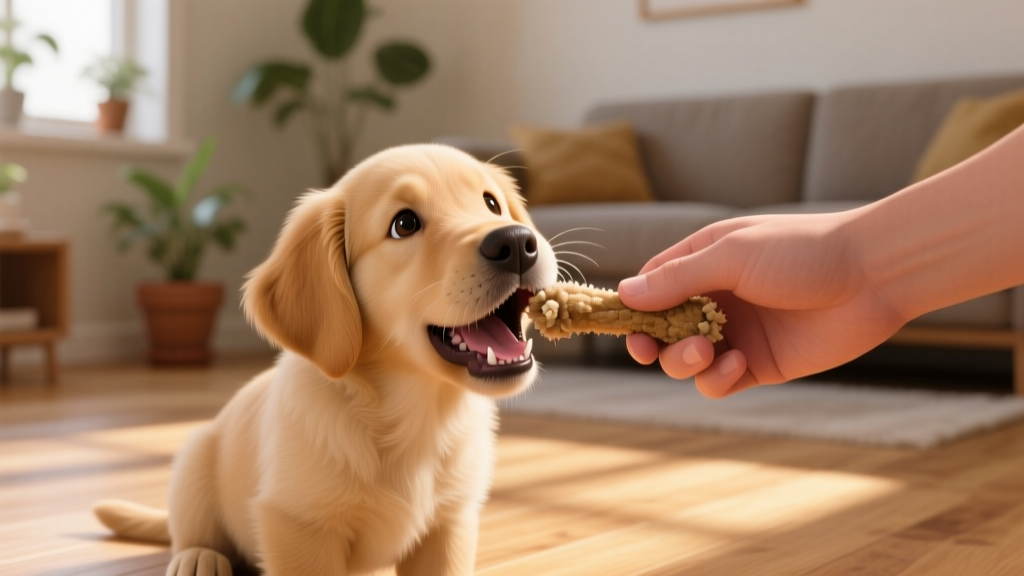
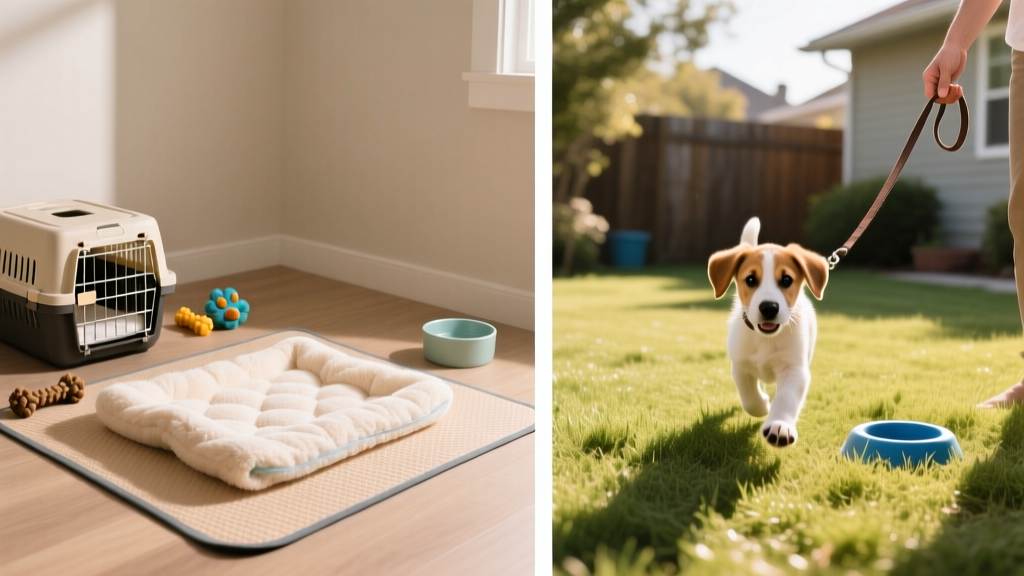
Puppy Yoga Foundations: A Complete Guide to Calm, Focused Puppy Raising
Discover puppy yoga techniques for building calm, focused behavior from 8 weeks onward.

What Is Puppy Yoga and Why Start Early?
Puppy yoga isn't about putting your dog into downward dog. It's a structured approach to raising a puppy who is calm, body-aware, and emotionally regulated — borrowing principles from canine fitness, mindfulness-based handling, and early neurological stimulation. The goal: a dog who can settle on cue, tolerate handling without panic, and navigate the world without chronic over-arousal.
Popularized through studios offering combined human-yoga-and-puppy classes, the concept has evolved into a legitimate early-development framework. The American Kennel Club emphasizes that structured, low-stress exposure during the critical socialization window (weeks 3–14) shapes lifelong behavior. Puppy yoga principles align directly with this science: slow movements, controlled environments, and positive associations with novel stimuli.
This guide walks you through applying these foundations at every developmental stage — from your puppy's first week home through adolescence — with concrete timelines, feeding portions, vaccination schedules, and cost breakdowns so nothing catches you off guard.
When Should I Bring My Puppy Home?
The consensus among veterinary behaviorists is clear: 8 weeks minimum, with 10–12 weeks being ideal for many breeds. Puppies removed from littermates before 7 weeks show higher rates of fear-based aggression and separation anxiety (Merck Veterinary Manual).
Age-Specific Milestones: What to Expect
| Age Range | Developmental Stage | What's Happening | Your Puppy Yoga Focus |
|---|---|---|---|
| Weeks 4–8 | Transitional / Socialization onset | Eyes/ears fully functional, litter play begins, teeth emerging, learning bite inhibition from siblings | If with breeder: gentle handling exercises, novel surface exposure (towel, grass, tile) |
| Weeks 8–12 | Human socialization peak | Fear periods begin (~8–10 weeks), strong imprinting window, bladder control minimal (1–2 hours max) | Settle-on-mat training, gentle stretching during handling, calm introductions to 5–10 new people |
| Weeks 12–16 | Confidence building | Second fear period possible (~12 weeks), improved coordination, teething discomfort begins, attention span lengthens to 3–5 minutes | Balance exercises (wobble board), paw-handling desensitization, name-recognition games |
| Weeks 16–24 | Exploration & boundary testing | Permanent teeth erupting, growth spurts, independence emerging, socialization window closing | Impulse-control games, body-awareness cavaletti work, settling in novel environments |
| 6–12 months | Adolescence | Hormonal changes (if intact), regression in training, increased energy and distractibility, possible third fear period (~6–14 months) | Reinforcing calm-settling behaviors, structured physical activity, patience through regressions |
Feeding Schedule: Portions by Age and Weight
Overfeeding during growth accelerates skeletal development faster than muscles and tendons can adapt — a risk factor for hip dysplasia and other orthopedic conditions. The goal is a lean body condition score (BCS 4–5 out of 9), not a rounded belly.
Daily Feeding Guide (Puppy Kibble, AAFCO Growth-Approved)
| Puppy Weight (lb/kg) | 8–12 Weeks | 12–16 Weeks | 16–24 Weeks | 6–12 Months |
|---|---|---|---|---|
| 5–10 lb / 2–5 kg | ¾ – 1 cup, 4×/day | 1 – 1¼ cups, 3×/day | 1¼ – 1½ cups, 2×/day | 1½ – 2 cups, 2×/day |
| 10–25 lb / 5–11 kg | 1 – 1½ cups, 4×/day | 1½ – 2 cups, 3×/day | 2 – 2¾ cups, 2×/day | 2½ – 3½ cups, 2×/day |
| 25–50 lb / 11–23 kg | 1½ – 2 cups, 4×/day | 2 – 3 cups, 3×/day | 3 – 4 cups, 2×/day | 3½ – 5 cups, 2×/day |
| 50–80 lb / 23–36 kg | 2 – 3 cups, 4×/day | 3 – 4 cups, 3×/day | 4 – 5½ cups, 2×/day | 5 – 7 cups, 2×/day |
| 80+ lb / 36+ kg | 3 – 4 cups, 4×/day | 4 – 5 cups, 3×/day | 5 – 7 cups, 2×/day | 6 – 8+ cups, 2×/day |
Portions assume a standard puppy kibble at ~400 kcal/cup. Always check your specific food's feeding chart and adjust based on body condition. Large/giant breeds (expected adult weight 70+ lb) should use a large-breed puppy formula to control calcium-phosphorus ratios and growth rate.
Transition tip: At 12 weeks, reduce from 4 meals to 3 by merging the midday and afternoon feedings. At 16–20 weeks, drop to 2 meals by extending the morning-to-evening gap gradually over 5–7 days.
Vaccination Schedule: Exact Timing and Names
Vaccines protect your puppy during their most vulnerable months. Maternal antibodies wane unpredictably between 6–16 weeks, which is why boosters are given in series — each shot catches puppies whose maternal protection has dropped.
| Age | Vaccine | What It Protects Against | Estimated Cost |
|---|---|---|---|
| 6–8 weeks | DHPP (1st dose) | Distemper, Hepatitis (Adenovirus-2), Parainfluenza, Parvovirus | $20–$40 |
| 10–12 weeks | DHPP (2nd dose) + Bordetella | Same as above + Kennel Cough (Bordetella bronchiseptica) | $30–$55 |
| 14–16 weeks | DHPP (3rd dose) + Rabies | Same as above + Rabies virus | $35–$65 |
| 12–16 months | DHPP booster + Rabies booster | Maintenance immunity | $40–$70 |
Optional vaccines based on lifestyle and region: Leptospirosis (2-dose series starting at 12 weeks), Lyme disease (areas with tick prevalence), Canine Influenza H3N2/H3N8 (boarding/daycare dogs). Consult your veterinarian for a protocol tailored to your puppy's risk profile.
When can my puppy go outside or meet other dogs? The AVMA and the American Veterinary Society of Animal Behavior recommend that puppies begin controlled socialization before their vaccine series is complete — but only in low-risk environments. This means: carry your puppy in a sling or stroller for neighborhood walks, invite fully vaccinated adult dogs to your home, and avoid dog parks, pet store floors, and unknown dog feces until 1 week after the final DHPP at 14–16 weeks.
Socialization Window: Your Week 3–14 Checklist
This 12-week window is the single most influential period in your puppy's behavioral development. Under-socialized puppies are significantly more likely to develop fear, anxiety, and aggression. Puppy yoga principles shine here: slow, positive, low-pressure exposure.
Potty Training: Realistic Timeline and Troubleshooting
When will my puppy be fully potty trained? Most puppies achieve reliable house training between 4–6 months of age. Small breeds may take until 8–10 months due to smaller bladder capacity. "Reliable" means fewer than 1 accident per month with your established routine.
Bladder Capacity by Age
| Puppy Age | Max Hold Time (Awake) | Max Hold Time (Crate/Sleep) | Outings Per Day |
|---|---|---|---|
| 8–10 weeks | 30–45 minutes | 1–2 hours | 12–15 |
| 10–14 weeks | 1–1.5 hours | 2–3 hours | 10–12 |
| 14–20 weeks | 2–3 hours | 3–4 hours | 8–10 |
| 5–6 months | 3–4 hours | 5–6 hours | 6–8 |
| 7–12 months | 4–6 hours | 7–8 hours | 4–6 |
Troubleshooting common setbacks:
- Regression after vaccines: Normal. Stress and mild immune response can disrupt routines for 3–5 days. Return to more frequent outings temporarily.
- Submissive/excitement urination: Common until 12 months. Greet your puppy calmly, crouch sideways, avoid direct eye contact during arrivals. Never punish — this worsens the behavior.
- Marking indoors: More common in intact males after 6 months. Spay/neuter reduces marking in ~80% of cases. Supervise closely and interrupt with a calm redirect to outside.
- Nighttime accidents: Remove water 2 hours before bedtime. Set one overnight alarm for puppies under 14 weeks. Carry (don't walk) sleepy puppies outside to prevent play-association with potty trips.
Crate Training, Teething, and Common Puppy Problems
Crate Training Progression
The crate is your puppy's den — never a punishment. Time limits protect developing joints and prevent distress:
| Age | Max Crate Time (Daytime) | Max Crate Time (Night) |
|---|---|---|
| 8–10 weeks | 30–60 minutes | 2 hours (then potty break) |
| 10–14 weeks | 1–2 hours | 3 hours |
| 14–20 weeks | 2–3 hours | 4–5 hours |
| 5–6 months | 3–4 hours | 6–7 hours |
| 7+ months | 4–5 hours | 8 hours |
Teething Timeline and Relief (3–6 Months)
Deciduous (baby) teeth begin loosening around 12–14 weeks. By 6 months, all 42 adult teeth should be erupted. During this window, puppies chew relentlessly to relieve gum pressure.
Safe chew recommendations:
- Frozen Kong Classic (stuffed with plain yogurt and banana, frozen 4+ hours) — $12–$18
- Benebone Wishbone (puppy formula, softer nylon) — $13–$20
- Frozen wet washcloth (twisted into rope, soaked in low-sodium chicken broth) — free
- N-Bone Puppy Teething Ring (edible, digestible) — $8–$12 per pack
Avoid: Rawhide (choking and intestinal blockage risk), cooked bones (splintering), ice cubes for small breeds (tooth fracture risk).
Stopping Puppy Biting and Nipping
How do I stop puppy biting? Puppies explore the world with their mouths. Bite inhibition is learned — first from littermates, then from you. Use this force-free protocol:
- Redirect: When teeth touch skin, immediately offer an appropriate chew toy. Praise enthusiastically when they bite the toy.
- Withdraw attention: If redirecting fails, stand up, fold arms, and be still for 10–15 seconds. Resume interaction only when all four paws are on the floor.
- Time-outs (not punishment): For persistent hard biting, calmly place puppy in a boring pen or bathroom for 30–60 seconds, then release and try again.
- Satisfy the need: Puppies bite more when overtired, under-exercised, or teething. Ensure adequate nap time (18–20 hours/day for 8–12 week puppies) and appropriate chew outlets.
Never hold the mouth shut, alpha-roll, or yell. These methods increase fear and can escalate biting into defensive aggression.
First-Year Cost Breakdown
Budgeting realistically prevents surrender — financial stress is a leading reason dogs enter shelters. Here's what to expect for a typical medium-breed puppy in 2026:
| Category | Items | Estimated Cost Range |
|---|---|---|
| Veterinary (preventive) | Vaccine series, spay/neuter, microchip, heartworm test, fecal exams | $600 – $1,200 |
| Food | Quality puppy kibble (12 months) + treats | $350 – $700 |
| Supplies | Crate, bed, leash/harness, bowls, toys, grooming tools, puppy pads | $250 – $500 |
| Training | Puppy kindergarten class (6–8 weeks) + optional private session | $150 – $400 |
| Preventive medications | Flea/tick, heartworm (12 months) | $200 – $400 |
| Pet insurance | Annual premium (accident + illness) | $400 – $800 |
| Emergency fund | Recommended reserve for unexpected illness/injury | $500 – $2,000 |
Total first-year estimate: $2,450 – $6,000 depending on breed size, geographic region, and whether you choose insurance or self-insure. Puppy yoga class packages (6 sessions) typically run $120–$250 at specialized studios, or you can implement the principles at home for free using the framework in this guide.
Frequently Asked Questions
How often should I feed my puppy at 10 weeks old?
Four meals per day, spaced roughly 4 hours apart during waking hours (e.g., 7 AM, 11 AM, 3 PM, 7 PM). Use the feeding table above for portion guidance based on your puppy's current weight. Remove uneaten food after 15–20 minutes to establish meal-time routines.
What vaccines does my puppy need and when?
Core vaccines are DHPP (Distemper, Hepatitis, Parainfluenza, Parvovirus) at 6–8, 10–12, and 14–16 weeks, plus Rabies at 14–16 weeks. Bordetella is recommended for any puppy attending classes or boarding. See the vaccination table above for details and costs.
Can I do puppy yoga exercises at home without a class?
Absolutely. Start with settle-on-mat training: place a textured mat (yoga mat works well) on the floor, lure your puppy onto it with a treat, and reward calm sitting or lying down. Progress to gentle paw-targeting exercises and slow, treat-rewarded body stretches. Keep sessions under 5 minutes for puppies under 16 weeks.
When will my puppy sleep through the night?
Most puppies can sleep 6–7 uninterrupted hours by 14–16 weeks. Set one overnight potty alarm for 8–12 week puppies. Keep the crate in your bedroom initially — your scent and breathing sounds are calming. Avoid playing or talking during nighttime potty breaks; keep them boring and dimly lit.
My puppy is whining in the crate — should I let them out?
First, determine the cause. If it's been longer than their age-appropriate hold time (see potty table), take them outside immediately. If they've just been put in and are protesting confinement, wait for 5–10 seconds of silence before releasing or approaching. Reward quiet, not volume. Never release a screaming puppy on demand — this teaches that whining opens the door.
This guide provides general educational information. Always consult your veterinarian for personalized health, vaccination, and nutrition advice for your puppy.
Jonas Cole
All our authors care for dogs every day — read more of their work on the authors page.