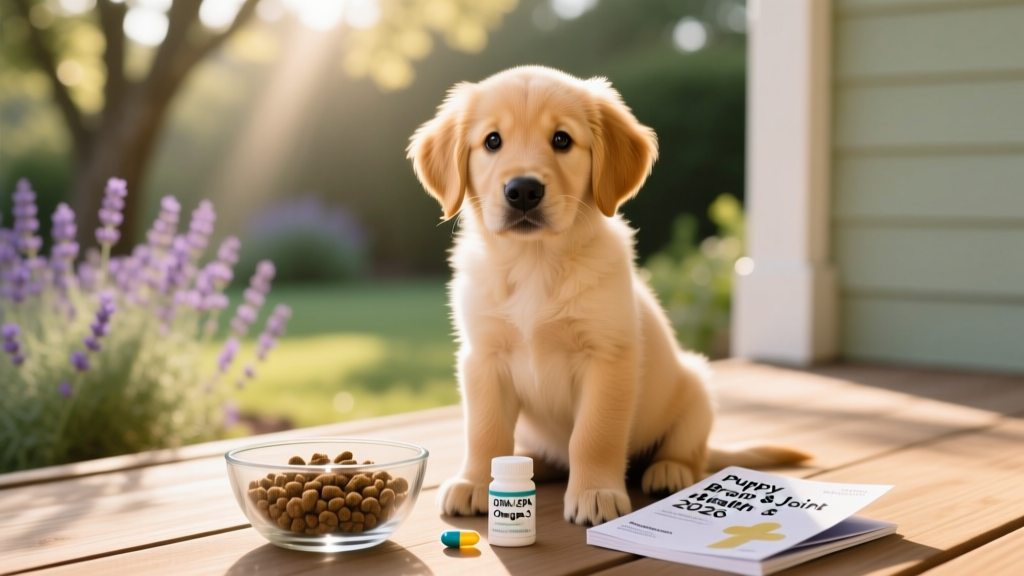
Puppy Vaccine Schedule: How Many Vaccines Do Puppies Get and When?
Learn how many vaccines puppies get, the exact week-by-week schedule, costs, and complete first-year care milestones from 4 weeks to 12 months.

The Complete Puppy Vaccine Schedule: How Many Shots and When
If you're bringing a new puppy home, one of the first questions you'll ask your vet is: how many vaccines do puppies get? The short answer is that most puppies receive three to four rounds of combination vaccines (DHPP) between 6 and 16 weeks of age, plus a rabies vaccine at 12–16 weeks. Depending on your region and lifestyle, your vet may also recommend bordetella, leptospirosis, Lyme disease, or canine influenza vaccines — bringing the total to anywhere from 5 to 9 individual vaccine injections in the first year.
But vaccines are only one piece of the first-year puzzle. This guide walks you through every developmental milestone, feeding requirement, training benchmark, and cost you should expect from the day you bring your puppy home through their first birthday. We'll use the AAHA Canine Vaccination Guidelines and the AVMA vaccination recommendations as our clinical backbone, then layer in the practical, day-to-day realities of raising a healthy, well-adjusted puppy.
Vaccination Schedule: Exact Timing, Names, and Costs
Understanding why puppies need multiple rounds of the same vaccine helps put the schedule in context. Puppies receive maternal antibodies from their mother's colostrum (first milk), which protect them early but also interfere with vaccine response. These maternal antibodies wane unpredictably between 6 and 16 weeks. That's why veterinarians give boosters every 2–4 weeks — to catch the window when maternal antibodies have dropped low enough for the puppy's own immune system to respond. The Merck Veterinary Manual provides detailed immunology behind this protocol.
| Age | Vaccine | What It Protects Against | Typical Cost (per visit) |
|---|---|---|---|
| 6–8 weeks | DHPP (1st dose) | Distemper, Hepatitis (Adenovirus-2), Parainfluenza, Parvovirus | $25–$50 |
| 8–10 weeks | Bordetella (optional, intranasal or injectable) | Kennel cough (Bordetella bronchiseptica) | $20–$40 |
| 10–12 weeks | DHPP (2nd dose) | Same as above — booster to overcome maternal antibodies | $25–$50 |
| 12–16 weeks | Rabies (1st dose, legally required) | Rabies virus — fatal, zoonotic (transmissible to humans) | $20–$45 |
| 14–16 weeks | DHPP (3rd dose) | Final core booster — most puppies achieve full immunity after this | $25–$50 |
| 14–16 weeks | Leptospirosis (if recommended, 2-dose series, 2nd at 16–18 wks) | Leptospira bacteria — zoonotic, causes kidney/liver failure | $25–$40 per dose |
| 16–20 weeks | Lyme disease (if in tick-endemic area, 2-dose series) | Borrelia burgdorferi — transmitted by deer ticks | $25–$40 per dose |
| 6–12 months | DHPP booster + Rabies booster (at 1 year) | Maintains immunity; rabies booster is legally required | $50–$90 combined |
Total first-year vaccine cost estimate: $200–$450 depending on your region, clinic type (general practice vs. emergency/specialty), and which lifestyle vaccines your vet recommends. Low-cost vaccine clinics (often run by shelters or mobile services) can reduce this to $100–$200 for core vaccines only.
When to consult your veterinarian: If your puppy has a reaction after any vaccine — facial swelling, hives, vomiting, collapse, or difficulty breathing — contact your vet immediately or visit an emergency clinic. Mild lethargy and soreness at the injection site for 24–48 hours is normal. Severe reactions are rare (estimated fewer than 1 in 1,000 dogs) but require urgent care.
Age-Specific Milestones: What to Expect Week by Week
Every puppy develops at their own pace, but the following milestones represent typical ranges across most breeds. Giant breeds (Great Danes, Mastiffs) may lag behind in physical coordination, while toy breeds (Chihuahuas, Yorkies) often mature faster behaviorally but are more fragile physically.
Weeks 4–8: The Litter Period
Puppies in this window are still with their mother and littermates. Critical developmental events include:
- Week 4–5: Baby teeth fully erupted; puppies begin lapping softened gruel (puppy kibble soaked in warm water or puppy milk replacer)
- Week 5–6: Social play intensifies — puppies learn bite inhibition from littermates (yelping and withdrawing when bitten too hard)
- Week 6–7: First DHPP vaccine typically administered by the breeder or shelter vet; deworming treatment (pyrantel pamoate) given
- Week 7–8: Fear imprint period begins — negative experiences during this window can create lasting phobias. Puppies should be handled gently by multiple people daily
Weeks 8–12: Homecoming and Bonding
This is when most puppies go to their new homes. Expect:
- Sleep: 18–20 hours per day — puppies need frequent naps after short play sessions
- Attention span: 2–5 minutes per training repetition; keep sessions ultra-short
- Bladder control: Approximately 1 hour per month of age (so a 2-month-old puppy can hold it roughly 2 hours max)
- Second DHPP booster: Due at 10–12 weeks
- Bonding: Puppy will follow you everywhere, cry when crated, and mouth everything — all normal
Weeks 12–16: Confidence Building
- Third DHPP + Rabies: Administered during this window
- Fear period (8–11 weeks, sometimes again at 6–14 months): Avoid overwhelming experiences; let the puppy approach new things at their own pace
- Chewing intensifies: Adult teeth begin loosening baby teeth around 3.5–4 months
- Training capacity: Can now learn sit, down, come, and loose-leash walking basics with food luring
Weeks 16–24: The Teenage Phase
- Teething peak: 4–6 months — expect bloody drool, increased chewing, and possible decreased appetite
- Spay/neuter: Typically performed between 5–6 months (small breeds) or 9–15 months (large/giant breeds — consult your vet on timing for your specific breed)
- Testing boundaries: "Forgotten" commands, selective hearing, increased independence — this is normal adolescent behavior, not regression
- Exercise: Structured walks (5 minutes per month of age, twice daily) plus free play; avoid forced running or jumping on hard surfaces until growth plates close (12–18 months for large breeds)
Months 6–12: Young Adulthood
- 1-year vaccines: DHPP booster, rabies booster (legally required in most US states), and any lifestyle vaccine boosters
- Adult teeth: All 42 permanent teeth should be in by 7 months; if baby teeth are retained, your vet may extract them during spay/neuter
- Energy plateau: Energy remains high but attention span improves to 10–15 minutes for structured training
- Social maturity: Breed-specific temperament solidifies — guarding breeds may become more wary of strangers, herding breeds may begin nipping at children's heels
Feeding Schedule: Exact Portions by Age and Weight
Puppies need significantly more calories per pound of body weight than adult dogs because they're building bone, muscle, organ tissue, and immune function simultaneously. The AAFCO (Association of American Feed Control Officials) requires puppy-specific foods to meet higher minimum standards for protein (22% minimum for growth vs. 18% for adult maintenance), fat, calcium, and phosphorus.
| Age | Meals Per Day | Portion Guidance (per day) | Food Type |
|---|---|---|---|
| 4–6 weeks | 4–5 (gruel) | Free-choice gruel: puppy kibble soaked in warm water/puppy milk replacer | Gruel transitioning to softened kibble |
| 6–12 weeks | 4 meals | Small breeds: ¼–½ cup/meal; Medium breeds: ½–1 cup/meal; Large breeds: 1–1.5 cups/meal | Dry puppy kibble (slightly moistened if needed) |
| 3–6 months | 3 meals | Small breeds: ⅓–¾ cup/meal; Medium breeds: ¾–1.5 cups/meal; Large breeds: 1.5–2.5 cups/meal | Dry puppy kibble; large breeds: large-breed puppy formula (controlled calcium/phosphorus) |
| 6–12 months | 2 meals | Small breeds: ½–1 cup/meal; Medium breeds: 1–2 cups/meal; Large breeds: 2–3.5 cups/meal | Transition to adult food at 10–12 months (small breeds) or 12–18 months (large breeds) |
Important feeding notes:
- Always check the feeding chart on your specific food bag — caloric density varies dramatically between brands (300–500 kcal/cup is typical for puppy formulas)
- Large and giant breed puppies must eat a food labeled for "large breed growth" to prevent developmental orthopedic diseases like hip dysplasia and osteochondrosis
- Body Condition Score (BCS) should be 4–5 out of 9: ribs palpable without excess fat covering, visible waist from above, abdominal tuck from the side
- Never free-feed (leave food out all day) — scheduled meals support potty training predictability and prevent obesity
Potty Training Timeline: Realistic Expectations
One of the most common new-owner frustrations is potty training taking longer than expected. Here's the reality: most puppies achieve reliable house training between 4 and 6 months of age, but some small breeds (Chihuahuas, Dachshunds, Yorkies) may take 8–12 months due to smaller bladder capacity and higher metabolism. "Trained in 3 days" programs can establish a routine, but full reliability — including no accidents when you're not watching — takes months of consistent management.
Bladder capacity rule of thumb: A puppy can hold urine for approximately one hour per month of age, plus one. So a 3-month-old puppy = roughly 4 hours maximum. Overnight, sleeping puppies can stretch this slightly, but don't expect a 10-week-old puppy to sleep 8 hours without a potty break.
Daily potty schedule for an 8–12 week old puppy:
- Immediately upon waking (morning)
- 15–20 minutes after every meal
- After every play session or nap
- Every 1–2 hours during active periods
- Once during the night (set an alarm at 2–3 AM for the first 2 weeks)
- Right before bedtime
Troubleshooting common potty problems:
- Submissive/excitement urination: Common in puppies under 6 months — not a house-training failure. Greet calmly, avoid direct eye contact, take them outside immediately after greeting
- Marking behavior: More common in intact males after 6 months — spay/neuter reduces but doesn't always eliminate this
- Crate accidents: If your puppy soils their crate, the crate may be too large (they'll eliminate in one corner and sleep in another). Use a divider to size it so they can stand, turn, and lie down but not much more
- UTIs: If a previously trained puppy starts having accidents, especially with frequent small amounts or straining, see your vet — urinary tract infections are common in puppies and require antibiotics
Socialization Window: The Most Critical 12 Weeks of Your Puppy's Life
The primary socialization period for puppies runs from approximately 3 to 14 weeks of age. During this window, puppies are neurologically primed to accept new experiences without fear. After 14 weeks, unfamiliar stimuli increasingly trigger caution or fear responses. The American Veterinary Society of Animal Behavior (AVSAB) strongly recommends that puppies begin socialization before their vaccine series is complete, because the risk of behavioral euthanasia due to fear-based aggression exceeds the risk of infectious disease in controlled settings.
Socialization checklist — aim for positive exposure to each category before 14 weeks:
| Category | Specific Exposures | Target |
|---|---|---|
| People | Men, women, children (supervised), elderly, people wearing hats/sunglasses/uniforms, people using wheelchairs or crutches | 12–15 different people |
| Surfaces | Grass, gravel, tile, wood floor, carpet, metal grates, wet pavement, stairs (carried for small breeds) | 8–10 surface types |
| Sounds | Vacuum cleaner, doorbell, thunder (play recordings at low volume), traffic, sirens, clapping, children yelling | 10+ sounds, paired with treats |
| Handling | Paw handling, ear inspection, mouth opening, nail trimming practice, collar/harness on/off, being lifted, belly rubs from strangers | Daily handling sessions, 2–5 min each |
| Other animals | Fully vaccinated, friendly adult dogs; puppies of similar age in structured puppy classes; cats (if household has them) | 5–8 positive dog-dog interactions |
| Environments | Car rides, vet clinic waiting room (carry in until vaccinated), pet-friendly stores (carried or in cart), outdoor seating areas, elevators | 6–8 different locations |
Rules for safe socialization before full vaccination:
- Avoid dog parks, pet store floors, and areas with unknown dog feces until 7 days after the final DHPP at 14–16 weeks
- Carry your puppy in a sling, carrier, or your arms in public spaces
- Arrange playdates only with dogs you know are fully vaccinated and temperamentally appropriate
- Enroll in a structured puppy class that requires proof of first DHPP and negative fecal tests
- Every exposure should be positive — pair new experiences with high-value treats (boiled chicken, cheese, commercial training treats). If your puppy shows fear (cowering, tail tucking, refusing treats), increase distance and let them observe from farther away
Crate Training Progression: Time Limits by Age
A crate is one of the most effective tools for potty training, safety, and giving your puppy a designated calm space. But crating for excessive durations causes distress, undermines training, and can create crate aversion. Here are the maximum recommended continuous crate times:
- 8–10 weeks: 30–60 minutes during the day; 2–3 hours overnight (with one potty break)
- 10–12 weeks: 1–2 hours during the day; 3–4 hours overnight
- 3–4 months: 2–3 hours during the day; 5–6 hours overnight
- 4–6 months: 3–4 hours during the day; 6–8 hours overnight
- 6+ months: 4–5 hours maximum during the day (arrange a midday break via dog walker or coming home); 8 hours overnight is acceptable for most dogs
No dog of any age should be crated for more than 8 hours total during the day without a break for exercise, social interaction, and elimination. Puppies who are crated for full workdays (8–10 hours) without a break will inevitably soil the crate, which breaks the den instinct that makes crate training work.
Crate training steps (positive reinforcement only):
- Leave the crate door open with meals placed inside — puppy enters voluntarily
- Feed all meals in the crate with the door open, then closed briefly, then open
- Give a long-lasting chew (stuffed Kong, frozen puppy-safe chew) in the crate with door closed for 5–10 minutes while you sit nearby
- Gradually increase duration and distance — leave the room for 1 minute, then 5, then 15
- Never use the crate as punishment — it must remain a positive space
Teething Timeline and Safe Relief Strategies
Puppies have 28 deciduous (baby) teeth that erupt between 3–6 weeks of age. These are replaced by 42 permanent teeth in the following sequence:
- 3.5–4 months: Incisors (front teeth) shed first — you may find tiny teeth in bedding or on the floor
- 4–5 months: Canines (fangs) shed — this is when chewing and nipping often peak
- 5–6 months: Premolars and molars erupt — most puppies have their full adult set by 7 months
Safe teething relief options:
- Frozen wet washcloth: Wet a clean washcloth, twist into a rope, freeze for 2 hours — the cold numbs sore gums (supervise to prevent swallowing fabric pieces)
- Rubber chew toys: Kong Classic (size-appropriate, stuffed with peanut butter and frozen), Nylabone Puppy Chew (softer formula than adult versions)
- Edible chews: Whimzees Puppy Chews, Earth Animal No-Hide chews — avoid rawhide (choking and digestive blockage risk), antlers (too hard, risk of tooth fracture), and cooked bones (splintering hazard)
- Chilled carrots: Full-sized carrots refrigerated (not frozen) provide a crunchy, low-calorie chew that most puppies enjoy
Common Puppy Problems and Breed-Specific Solutions
Puppy Biting and Nipping
All puppies mouth — it's how they explore the world and relieve teething discomfort. But the behavior must be redirected, not punished. Here's the positive-reinforcement protocol:
- Redirect: When puppy teeth touch skin, immediately offer an appropriate chew toy. Praise enthusiastically when they chew the toy
- Withdraw attention: If redirection fails, stand up, cross your arms, and be still for 10–15 seconds (a "time-out" from play). Resume play when puppy is calm
- Teach "gentle": Hold a treat in a closed fist. Wait for the puppy to lick or nose-push instead of biting. Open your hand and reward. This builds impulse control
- Ensure adequate exercise: Overtired puppies bite more. If biting escalates in the evening, your puppy likely needs a nap, not more stimulation — put them in their crate with a chew for 30–60 minutes
Never hold a puppy's mouth shut, use alpha rolls, or yank the leash to stop biting. These aversive methods increase fear and can escalate to defensive aggression. The AVSAB position statement on dominance explains why force-based methods are counterproductive.
Whining and Crying in the Crate
Nighttime crate whining is nearly universal in the first 2–3 weeks. Strategies:
- Place the crate in your bedroom for the first 1–2 weeks so the puppy can hear and smell you
- Cover the crate with a light blanket on three sides to create a den-like feel
- Use a Snuggle Puppy (heartbeat toy with warm pack) for the first week
- If whining occurs, wait 3–5 minutes before responding — if you immediately open the crate, you reinforce whining as the "key" to freedom
- Take the puppy out to potty if it's been more than 2–3 hours, then return to the crate without play or conversation
Destructive Chewing
Puppies chew to explore, relieve teething pain, and expend energy. Management is more effective than correction:
- Puppy-proof every room: shoes in closets, cords behind furniture, toxic plants removed (lilies, sago palm, azaleas — see ASPCA's toxic plant list)
- Provide 5–8 appropriate chew toys rotated every 2–3 days to maintain novelty
- Use bitter apple spray (Grannick's Bitter Apple, $8–$12) on furniture legs and baseboards as a deterrent — test on a hidden area first
- Supervise or confine: a puppy left unsupervised will find something inappropriate to chew. Use baby gates, exercise pens, or the crate when you can't watch them
First-Year Cost Breakdown: Budgeting for Your Puppy
New puppy owners are often surprised by the cumulative cost of the first year. Here's a realistic breakdown based on 2025–2026 US pricing data:
| Category | Low Estimate | Average Estimate | High Estimate |
|---|---|---|---|
| Vaccines (full puppy series + 1-year boosters) | $200 | $350 | $500 |
| Spay/neuter surgery | $200 | $500 | $900 |
| Flea/tick/heartworm prevention (12 months) | $150 | $250 | $400 |
| Food (puppy formula, 12 months) | $300 | $550 | $900 |
| Supplies (crate, bed, leash, collar, bowls, gates, toys) | $200 | $400 | $700 |
| Training (group puppy class, 6–8 weeks) | $100 | $200 | $500 |
| Microchipping + registration | $25 | $50 | $75 |
| Pet insurance (optional, annual premium) | $350 | $600 | $900 |
| Emergency vet fund (recommended savings) | $500 | $1,000 | $2,000 |
| TOTAL FIRST YEAR | $2,025 | $3,900 | $6,875 |
Budget tip: Pet insurance premiums are lowest when enrolled during puppyhood (8–12 weeks) before any pre-existing conditions develop. Companies like Trupanion, Healthy Paws, and Lemonade offer puppy plans starting at $30–$50/month. Even if you decline insurance, opening a dedicated savings account and contributing $50–$100/month creates a meaningful emergency buffer.
Frequently Asked Questions
When should I bring my puppy home?
The ideal age to bring a puppy home is 8–10 weeks. Puppies separated from their mother and littermates before 8 weeks are at higher risk for behavioral problems including fearfulness, aggression, and difficulty with bite inhibition. Some states legally prohibit the sale of puppies under 8 weeks. If you're adopting from a shelter, puppies may be available as early as 8 weeks once they've been vet-checked and received their first vaccine.
How often should I feed my puppy?
Feed 4 meals per day from 6–12 weeks, 3 meals per day from 3–6 months, and transition to 2 meals per day from 6 months onward. Exact portions depend on your food's caloric density and your puppy's expected adult weight — always follow the feeding chart on the bag and adjust based on body condition score (you should be able to feel ribs without pressing hard, and see a defined waist from above).
When will my puppy be fully potty trained?
Most puppies achieve reliable house training between 4 and 6 months with consistent scheduling and positive reinforcement. Small breeds may take 8–12 months due to smaller bladder capacity. "Reliable" means fewer than one accident per month — occasional accidents during excitement, illness, or schedule disruption are normal even in adult dogs.
What vaccines does my puppy need and when?
Core vaccines (recommended for all puppies): DHPP at 6–8, 10–12, and 14–16 weeks, plus rabies at 12–16 weeks. Lifestyle vaccines (based on risk assessment with your vet): bordetella at 8+ weeks if attending puppy classes or boarding, leptospirosis at 12+ weeks in a 2-dose series, Lyme disease in tick-endemic areas, and canine influenza if outbreaks occur in your region. Your vet will determine the exact protocol based on your puppy's breed, location, and exposure risk.
How do I stop puppy biting and nipping?
Redirect every bite to an appropriate chew toy. If biting continues, withdraw attention for 10–15 seconds (stand still, cross arms). Ensure your puppy gets adequate sleep (18–20 hours/day for young puppies) — overtired puppies bite more. Never use physical punishment, which increases fear and aggression. Consistent redirection typically reduces mouthing significantly by 5–6 months as adult teeth come in and impulse control develops.
When can my puppy go outside and meet other dogs?
Your puppy can go outside in controlled, low-risk environments (your own yard, carried in public spaces) immediately after homecoming. However, avoid high-risk areas (dog parks, pet store floors, areas with unknown dog traffic) until 7 days after the final DHPP vaccine at 14–16 weeks. Structured puppy classes and playdates with known, vaccinated dogs are safe and recommended starting at 8–10 weeks (after the first DHPP). The socialization window closes around 14 weeks, so delaying all exposure until full vaccination creates behavioral risk that outweighs disease risk in managed settings.
Jonas Cole
All our authors care for dogs every day — read more of their work on the authors page.