Puppy Vaccination Timeline: How Old Can a Puppy Be to Get Shots?
Learn how old a puppy should be to get shots, with week-by-week vaccination timelines, feeding schedules, potty training milestones, and first-year cost breakdowns.

Every new puppy parent eventually asks the same question: how old can a puppy be to get shots? The short answer is that puppies typically begin their core vaccination series at 6 to 8 weeks of age, with booster rounds continuing every 2 to 4 weeks until roughly 16 weeks old. But the full picture involves a carefully timed sequence of vaccines, developmental milestones, feeding routines, and training windows that all interlock during your puppy's first year.
This guide maps out exactly what to expect from week 4 through month 12 — with specific numbers, realistic timelines, and the practical details most generic puppy guides skip. Whether you're bringing home a Labrador Retriever, a Golden Doodle, or a mixed-breed rescue, these milestones apply across breeds with minor adjustments noted throughout.
The Puppy Vaccination Schedule: Week by Week
Vaccination timing isn't arbitrary. Puppies receive maternal antibodies through their mother's colostrum (first milk), which temporarily protects them but also interferes with vaccines given too early. Those maternal antibodies wane between 6 and 16 weeks, which is why the schedule involves multiple boosters — you're essentially catching the window when maternal protection drops but the puppy's own immune system can respond.
According to the American Veterinary Medical Association (AVMA), core vaccines for all puppies include:
| Age | Vaccine | Notes |
|---|---|---|
| 6–8 weeks | DHPP (1st dose) — Distemper, Hepatitis (Adenovirus-2), Parainfluenza, Parvovirus | Often given by breeder or shelter before you bring puppy home |
| 10–12 weeks | DHPP (2nd dose) + optional Bordetella, Leptospirosis, Lyme | Non-core vaccines depend on your region and lifestyle risk assessment with your vet |
| 14–16 weeks | DHPP (3rd dose) + Rabies (required by law in most US states) | Rabies is legally mandated; timing varies by state (some require 12 weeks, others 16) |
| 12–16 months | DHPP booster + Rabies booster | First annual booster; after this, DHPP may move to 3-year intervals per AAHA guidelines |
Typical vaccination costs (2026 estimates):
- DHPP per dose: $25–$45 at a general practice; $15–$25 at low-cost clinics
- Rabies: $20–$40
- Bordetella: $20–$35
- Leptospirosis: $25–$40
- Lyme: $25–$40
- Full puppy vaccine series (3 DHPP + rabies + bordetella): $150–$350 depending on clinic and region
Always consult your veterinarian to tailor the schedule to your puppy's specific risk profile. Dogs in high-tick areas (Northeast, Upper Midwest) may need Lyme; dogs exposed to standing water or wildlife may need Leptospirosis.
Age-Specific Milestones: Weeks 4 Through 12 Months
Understanding developmental stages helps you set realistic expectations. Here's what's actually happening at each phase:
Weeks 4–8: The Breeder/Foster Window
At this stage, puppies are still with their mother and littermates. Key developments:
- Socialization begins: Puppies learn bite inhibition from siblings — a puppy that yelps when bitten too hard teaches the biter to soften their mouth
- Weaning: Transition from mother's milk to gruel (puppy kibble soaked in warm water or puppy formula) around week 4, fully weaned by week 7–8
- First deworming: Typically at 2, 4, 6, and 8 weeks (pyrantel pamoate is standard)
- First DHPP: Given at 6–8 weeks
- Sensory development: Eyes and ears fully functional by week 3–4; startle responses to loud sounds develop around week 5
Weeks 8–12: Homecoming and Adjustment
This is when most puppies go to their new homes. Expect:
- Sleep: 18–20 hours per day — puppies this age need enormous amounts of rest
- Bladder capacity: Roughly 1 hour per month of age (a 2-month-old can hold it ~2 hours maximum, often less)
- Fear imprint period (8–11 weeks): Negative experiences during this window can create lasting phobias. Keep vet visits, car rides, and grooming introductions positive with treats and calm handling
- Second DHPP: Due at 10–12 weeks
Weeks 12–16: Building Confidence
- Teething begins: Deciduous (baby) teeth start loosening; you may find tiny teeth on the floor
- Attention span lengthens: Training sessions can extend from 2 minutes to 5 minutes
- Third DHPP + Rabies: Due at 14–16 weeks
- Energy surges: Expect 3–4 "zoomie" episodes daily lasting 5–15 minutes
Weeks 16–24: The Adolescent Shift
- Adult teeth erupt: All 42 adult teeth should be in by 6–7 months; retained baby teeth (common in small breeds like Chihuahuas and Yorkshire Terriers) may require veterinary extraction
- Second fear period (6–14 months, variable): Your previously confident puppy may suddenly fear familiar objects or people — counter-conditioning with high-value treats works best here
- Spay/neuter: Most veterinarians recommend between 6–9 months for small-to-medium breeds, 12–18 months for large/giant breeds (to allow growth plates to close). Discuss timing with your vet based on breed-specific orthopedic research.
Months 6–12: Adolescence
- Testing boundaries: Previously reliable commands may be "forgotten" — this is normal adolescent regression, not failure. Maintain consistent rules.
- Physical maturity: Small breeds reach adult size by 10–12 months; large breeds continue growing until 18–24 months
- Energy peak: Highest exercise needs of the puppy period; structured activity (fetch, swimming, puzzle toys) prevents destructive behavior
Feeding Schedule: Exact Portions by Age and Weight
Overfeeding puppies — especially large breeds — increases the risk of developmental orthopedic diseases like hip dysplasia and osteochondrosis. The Merck Veterinary Manual recommends feeding a diet that meets AAFCO (Association of American Feed Control Officials) standards for "growth" or "all life stages."
| Age | Meals/Day | Small Breed (10–25 lb adult) cups/day | Medium Breed (26–55 lb adult) cups/day | Large Breed (56–100 lb adult) cups/day |
|---|---|---|---|---|
| 8–12 weeks | 4 | ½ – ¾ | ¾ – 1¼ | 1½ – 2½ |
| 3–6 months | 3 | ¾ – 1 | 1¼ – 2 | 2½ – 4 |
| 6–12 months | 2 | ¾ – 1 | 1½ – 2½ | 3 – 5 |
| 12+ months | 2 | ½ – ¾ (adult food) | 1¼ – 2 (adult food) | 2½ – 4 (adult food) |
Key feeding rules:
- Use a large-breed puppy formula for dogs expected to exceed 55 lb at maturity — these have controlled calcium and phosphorus ratios (Ca:P between 1.0:1 and 1.5:1) to prevent rapid bone growth
- Measure food with a standard 8 oz measuring cup; "a handful" overfeeds by 15–30% on average
- Transition to adult food at 10–12 months for small breeds, 12–18 months for large breeds
- Avoid free-feeding (leaving food out all day) — it makes potty training harder and increases obesity risk
- Pick up uneaten food after 15–20 minutes to establish meal routines
The Socialization Window: Weeks 3–14
This is arguably the most time-sensitive aspect of puppy raising. The American Kennel Club and veterinary behaviorists emphasize that the primary socialization period closes around 12–14 weeks. After this window, unfamiliar stimuli are more likely to trigger fear than curiosity.
The challenge: your puppy isn't fully vaccinated until 16 weeks. The American Veterinary Society of Animal Behavior (AVSAB) states that the risk of behavioral problems from inadequate socialization outweighs the disease risk, provided you manage exposure carefully.
Socialization Exposure Checklist
Aim for positive exposure to the following by 14 weeks. "Positive" means your puppy is relaxed, curious, and willing to take treats — not overwhelmed or cowering.
- Surfaces: Grass, gravel, tile, hardwood, metal grates, wet pavement, carpet, tarps
- People: Children (supervised), elderly individuals, people wearing hats/sunglasses/masks, people using wheelchairs or crutches, tall men, people with deep voices
- Other animals: Fully vaccinated, friendly adult dogs (avoid dog parks until vaccination series is complete at 16+ weeks); cats if applicable to your household
- Sounds: Vacuum cleaner, doorbell, thunderstorms (play recordings at low volume), traffic, construction noise, fireworks recordings, children screaming
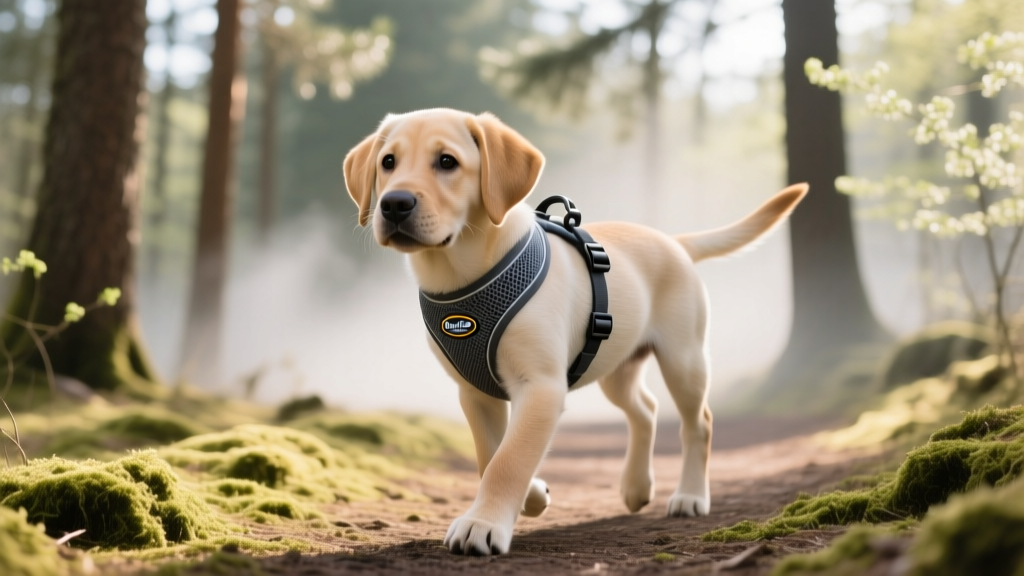
- Handling: Paw touching, ear inspection, mouth opening, nail clipping practice, being held on a grooming table, wearing a harness
- Environments: Car rides (short trips to fun destinations), pet-friendly store parking lots, outdoor café patios, friend's houses, elevator rides
- Objects: Umbrellas opening, plastic bags rustling, brooms, bicycles, skateboards, balloons
Potty Training Timeline: Realistic Expectations
Let's set this straight: no puppy is reliably potty trained in 3 days. Full bladder and bowel control develops alongside physical maturity. Here's what's actually realistic:
- 8–12 weeks: Accidents every 1–2 hours if not taken out. Your job is management — constant supervision or confinement.
- 3–4 months: Can hold for 3–4 hours during the day. Accidents drop to 1–3 per week with consistent routine.
- 4–6 months: Most puppies signal (go to door, sniff, circle) before eliminating. Accidents become rare (1–2 per month) if schedule is maintained.
- 6–9 months: Considered "reliably house trained" for most breeds. Occasional marking or excitement urination may still occur.
- 9–12 months: Full reliability for the vast majority of dogs. Small breeds (under 15 lb) may take longer due to tiny bladder capacity.
The protocol that works:
- Take puppy to the same outdoor spot after every meal, nap, play session, and crate release
- Use a consistent cue word ("go potty," "do your business") while they eliminate
- Reward immediately with a high-value treat (freeze-dried liver, small cheese pieces) within 1–2 seconds of finishing
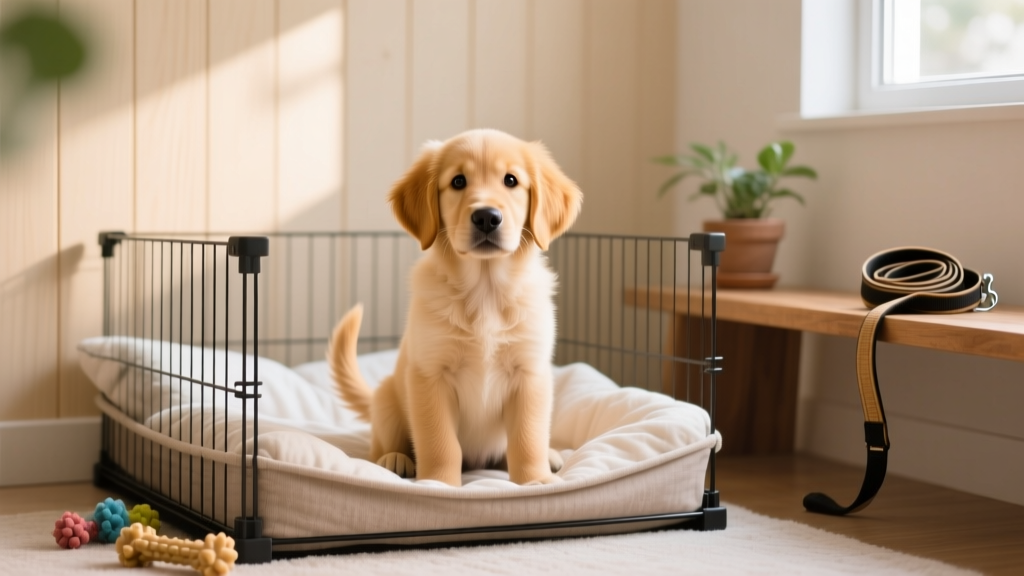
- Supervise 100% of indoor time — tether to you with a leash or use an exercise pen when you can't watch
- Crate when unsupervised (dogs avoid soiling their sleeping area by instinct)
Crate Training Time Limits by Age
| Age | Daytime Maximum | Overnight Maximum | Notes |
|---|---|---|---|
| 8–10 weeks | 1–2 hours | 3–4 hours (expect 1 nighttime potty break) | Crate should be just large enough to stand, turn, and lie down |
| 11–14 weeks | 2–3 hours | 4–5 hours | Set an alarm for one overnight break at 3–4 hours |
| 15–16 weeks | 3–4 hours | 5–6 hours | Many puppies sleep through the night by this age |
| 4–6 months | 4–5 hours | 7–8 hours | Transition to overnight freedom only when fully reliable |
Troubleshooting common potty problems:
- Submissive urination (peeing when greeted): Don't punish. Greet calmly, avoid direct eye contact, crouch sideways. Usually outgrown by 6–12 months.
- Crate soiling: Crate may be too large (use a divider), puppy was left too long, or bedding is absorbing urine (remove temporarily). Wash crate with enzymatic cleaner — never ammonia-based products.
- Regression at 4–6 months: Often coincides with teething discomfort or a fear period. Return to more frequent potty breaks and reward heavily.
Teething Timeline and Relief Strategies (3–6 Months)
Puppies have 28 deciduous teeth that erupt between 3–6 weeks. The 42 permanent teeth push in between 3–7 months, and the process is genuinely uncomfortable. Signs include increased chewing, drooling, mild gum bleeding, and temporary reluctance to eat hard kibble.
Safe chew options ranked by durability and safety:
- Kong Classic (red or puppy-specific blue/pink): Stuff with plain yogurt and banana, freeze for 2–4 hours. The cold numbs gums. Available in XS ($8) through XL ($16).
- Benebone Wishbone (puppy line): Made from softer nylon for developing teeth. The angled shape lets puppies grip with their paws. $12–$18.
- Frozen washcloth: Wet a clean washcloth, twist into a rope, freeze. Supervise to prevent swallowing fabric pieces. Free.
- West Paw Zogoflex Toppl: Interlocking treat toy that's gentler than hard rubber. Dishwasher safe. $14–$22.
- Carrots (frozen whole baby carrots): Low-calorie, edible, and cold. Good for small breeds. Supervise to prevent choking.
Avoid: Rawhide (choking and blockage risk), cooked bones (splintering), hard antlers or hooves (can fracture developing teeth — the AVMA advises against chews harder than a dog's tooth enamel), and any chew small enough to swallow whole.
Common Puppy Problems and Solutions
Puppy Biting and Nipping
This is the number one complaint from new puppy owners, and it's completely normal. Puppies explore the world with their mouths, and littermates teach bite inhibition through yelping feedback. Your job is to continue that education:
- Redirect: When teeth touch skin, immediately offer a chew toy. Reward chewing the toy with praise.
- Time-out protocol: If biting persists after redirecting, calmly stand up and leave the room for 15–30 seconds. Return and resume play. This mimics littermate behavior (siblings walk away from rough play).
- Never: Hold the mouth shut, yell, tap the nose, or use any physical punishment. These methods increase fear-based aggression and damage your bond.
- Timeline: Nipping decreases significantly once adult teeth are fully in (6–7 months) if you've been consistent. Some breeds (herding breeds especially — Border Collies, Australian Shepherds, Corgis) have stronger mouth-use instincts and need more redirection.
Whining in the Crate
- Distinguish needs from protest: If puppy was recently out, fed, and exercised, the whining is adjustment-related. Wait for a 3–5 second pause in whining before opening the crate (rewarding silence, not noise).
- Make the crate appealing: Feed meals inside, provide a Kong, use a blanket that smells like you.
- Cover the crate: A breathable cover on three sides creates a den-like feeling that reduces visual stimulation.
Destructive Chewing
- Manage the environment: Puppy-proof by removing shoes, cords, and remotes. Use bitter apple spray on furniture legs as a deterrent ($6–$10).
- Provide alternatives: Rotate 4–5 chew toys so they stay novel. A bored puppy with one toy will find something else to chew.
- Exercise deficit: Most destructive chewing is under-stimulation. A 4-month-old medium-breed puppy needs roughly 20 minutes of structured exercise twice daily (5 minutes per month of age, twice daily is a common guideline).
First-Year Cost Breakdown
Budgeting realistically prevents surrender to shelters (financial strain is a top reason dogs are relinquished). Here are 2026 cost ranges for a medium-breed puppy (30–55 lb adult):
| Category | Low End | Mid Range | High End | Notes |
|---|---|---|---|---|
| Purchase/Adoption | $100 (shelter) | $1,500 (responsible breeder) | $3,500+ (specialty breed) | Adoption fees typically include first vaccines and spay/neuter |
| Veterinary (vaccines, wellness, spay/neuter) | $400 | $800 | $1,500 | Includes fecal tests, heartworm prevention, microchip |
| Food (puppy formula, 12 months) | $300 | $500 | $800 | Varies significantly by brand and breed size |
| Supplies (crate, bed, leash, bowls, toys) | $150 | $300 | $600 | Invest in a quality crate ($40–$80) and adjustable harness ($20–$45) |
| Training (puppy class, private sessions) | $100 (group class) | $400 | $1,200 (private behaviorist) | Group puppy kindergarten: $100–$200 for 6-week course |
| Preventive medications (flea/tick, heartworm) | $200 | $350 | $500 | Year-round prevention recommended in most US regions |
| Pet insurance (optional but recommended) | $360 ($30/mo) | $600 ($50/mo) | $900 ($75/mo) | Enroll before any conditions develop; pre-existing conditions are excluded |
| Total (excluding purchase) | $1,510 | $2,950 | $5,500 | Emergency vet visits not included — budget $500–$2,000 for unexpected illness |
When Can My Puppy Go Outside and Meet Other Dogs?
This question ties directly back to the vaccination timeline. Here's the practical framework:
- Immediately (8+ weeks): Carry your puppy in your arms or a sling to experience outdoor sights and sounds. Your backyard (if no unknown dogs access it) is safe for potty breaks.
- After 2nd DHPP (10–12 weeks): Short walks on low-traffic sidewalks. Puppy classes with vaccinated peers. Avoid areas with heavy dog traffic.
- 7 days after final DHPP (approximately 17 weeks): Full access to dog parks, hiking trails, beaches, and pet-friendly stores. This is the "all clear" most veterinarians give.
- Meeting other dogs: One-on-one playdates with known, fully vaccinated dogs are safe from 8 weeks onward. Dog parks should wait until the full series is complete — parvovirus can survive in soil for over a year and is frequently present in high-traffic dog areas.
Frequently Asked Questions
When should I bring my puppy home?
The ideal age is 8–10 weeks for most breeds. Some breeders of toy breeds (Chihuahuas, Pomeranians) keep puppies until 10–12 weeks due to fragility and hypoglycemia risk. Puppies separated from their mother before 7 weeks often show increased fear, aggression, and difficulty with bite inhibition later in life.
How often should I feed my 8-week-old puppy?
Four meals per day, spaced roughly 4–5 hours apart during waking hours. A typical schedule: 7 AM, 12 PM, 5 PM, and 9 PM. Remove the food bowl after 15–20 minutes regardless of whether it's empty. Consistent meal timing makes potty training significantly easier because elimination follows predictable patterns (usually 15–30 minutes after eating).
When will my puppy be fully potty trained?
Most puppies achieve reliable house training between 4–6 months, with small breeds sometimes taking until 8–10 months due to smaller bladder capacity. "Reliable" means fewer than one accident per month. If your puppy is still having daily accidents past 6 months, consult your veterinarian to rule out urinary tract infections or anatomical issues like ectopic ureters (more common in female dogs).
What vaccines does my puppy need and when?
Core vaccines: DHPP at 6–8 weeks, 10–12 weeks, and 14–16 weeks. Rabies at 14–16 weeks (timing varies by state law). Non-core vaccines your vet may recommend based on lifestyle: Bordetella (kennel cough, required by most boarding facilities and daycare), Leptospirosis, Lyme disease, and Canine Influenza (H3N2/H3N8). Discuss your dog's specific risk factors at the first wellness exam.
How do I stop puppy biting and nipping?
Redirect to a chew toy every time teeth touch skin. If biting continues, implement a 15–30 second time-out by calmly leaving the room. Ensure your puppy gets adequate physical exercise and mental enrichment (snuffle mats, frozen Kongs, short training sessions). Never use physical punishment. Expect gradual improvement over 2–4 months — nipping typically resolves by 6–7 months when adult teeth are fully erupted.
Can I give my puppy human pain medication for teething?
No. Acetaminophen (Tylenol), ibuprofen (Advil/Motrin), and aspirin are toxic to dogs and can cause liver failure, kidney damage, or gastric ulceration. If your puppy seems to be in significant pain during teething, your veterinarian can prescribe a safe canine-specific pain reliever. For mild discomfort, frozen chew toys and cold wet washcloths provide effective relief without medication risk. If you suspect your puppy has ingested any human medication, contact the ASPCA Animal Poison Control Center at (888) 426-4435 (24/7, consultation fee applies) immediately.
Jonas Cole
All our authors care for dogs every day — read more of their work on the authors page.