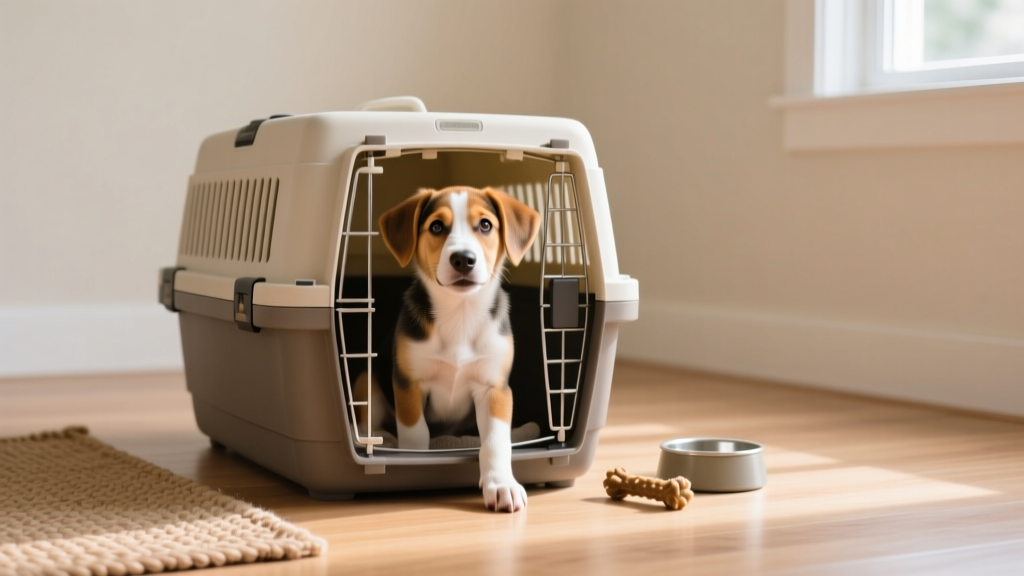
How Much Are Puppy Vaccinations? 2026 Cost Guide by Age & Breed Size
How much are puppy vaccinations in 2026? Full cost breakdown for core and non-core shots by age, breed size, plus a complete week-by-week puppy care timeline.
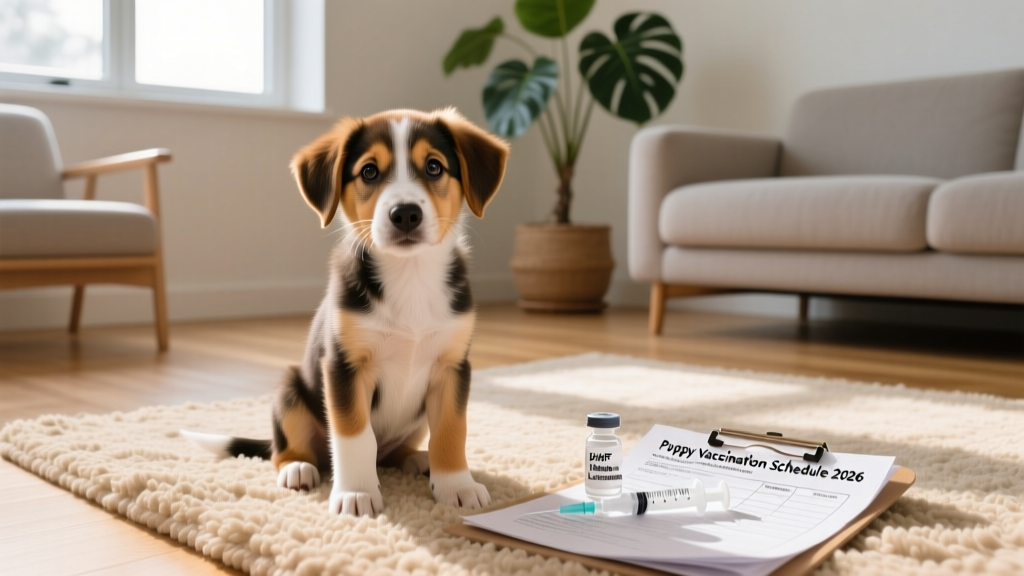
The Real Cost of Puppy Vaccinations: What to Budget in 2026
If you've just brought home a new puppy—or you're preparing to—one of the first questions that hits your wallet is: how much are puppy vaccinations? The short answer is that a full first-year vaccination series typically runs between $170 and $450 depending on your location, the size of your dog, and whether you visit a private practice or a low-cost clinic. But vaccine costs are just one piece of a larger financial picture.
This guide breaks down every vaccination expense by puppy age, then layers in a complete week-by-week care timeline covering feeding, potty training, socialization, teething, and crate training—so you know exactly what to expect and what to budget.
Puppy Vaccination Cost Breakdown by Age
Vaccinations are delivered in a series because maternal antibodies (passed from the mother through colostrum) gradually wane, leaving windows of vulnerability. The World Small Animal Veterinary Association (WSAVA) recommends core vaccines at 6–8, 10–12, and 14–16 weeks, with a rabies vaccine at 12–16 weeks depending on local law.
| Age | Vaccine(s) | Type | Private Vet Cost | Low-Cost Clinic |
|---|---|---|---|---|
| 6–8 weeks | DHPP (Distemper, Hepatitis, Parainfluenza, Parvovirus) — 1st dose | Core | $25–$45 | $15–$25 |
| 8–10 weeks | Bordetella (optional, lifestyle-dependent) | Non-core | $20–$35 | $10–$20 |
| 10–12 weeks | DHPP — 2nd dose; Leptospirosis (optional, 1st of 2) | Core + Non-core | $40–$75 | $20–$40 |
| 12–16 weeks | Rabies (1-year or 3-year, per local law) | Core (legal) | $20–$40 | $10–$20 |
| 14–16 weeks | DHPP — 3rd dose; Leptospirosis (2nd dose if started) | Core + Non-core | $40–$75 | $20–$40 |
| 16–24 weeks | Lyme disease (2-dose series, tick-endemic areas) | Non-core | $30–$55 total | $20–$35 total |
| 12 months | DHPP booster + Rabies booster (if 1-year given initially) | Core | $45–$80 | $25–$45 |
Total estimated first-year vaccine cost: $170–$350 at a low-cost clinic; $280–$450+ at a private veterinary practice. Giant breeds (Great Danes, Mastiffs) sometimes incur slightly higher exam fees due to weight-based dosing if injectable preventives are bundled into the visit.
Week-by-Week Puppy Milestones: Birth to 12 Months
Vaccines don't exist in a vacuum—they're part of a developmental arc that shapes your puppy's health, behavior, and temperament for life. Here's what to expect at every stage.
Weeks 4–8: Still With the Breeder or Rescue
Your puppy is learning bite inhibition from littermates, beginning to eat solid food (gruel transitioning to softened kibble), and receiving their first DHPP at 6–8 weeks. This is not the time to bring them home—early-weaned puppies (before 7 weeks) show higher rates of separation anxiety and fear-based aggression later in life, according to Merck Veterinary Manual. If a breeder offers a 5-week-old puppy, that's a red flag.
Weeks 8–12: Homecoming and Foundation
This is the ideal window to bring your puppy home (8–10 weeks for most breeds; 10–12 weeks for toy breeds like Chihuahuas and Yorkshire Terriers, who benefit from extra time with the dam). Expect:
- Sleep: 18–20 hours per day—puppies this young are neurologically immature
- Bladder control: Approximately 1 hour per month of age (an 8-week-old puppy can hold it ~2 hours maximum)
- Fear imprint period (8–11 weeks): Traumatic experiences during this window can create lasting phobias. Keep vet visits, grooming introductions, and new environments positive with treats and calm energy
Weeks 12–16: Building Confidence
Your puppy is more physically coordinated, can hold their bladder longer (3–4 hours), and is ready for structured positive-reinforcement training sessions (5–10 minutes, 2–3 times daily). This is also when the socialization window begins to close—more on that below.
Weeks 16–24: The Adolescent Shift
Your puppy will test boundaries, experience a second fear period (around 6–14 months, breed-dependent), and begin teething in earnest. Recall and leash manners often regress during this phase. Consistency matters more than ever.
6–12 Months: Sexual Maturity and Beyond
Small breeds reach adult size by 10–12 months; large and giant breeds continue growing until 18–24 months. Spay/neuter timing should be discussed with your veterinarian—current evidence from UC Davis suggests delaying until after growth plate closure (12–18 months) for large breeds may reduce orthopedic disease risk.
Feeding Schedule: Exact Portions by Age and Weight
Feeding frequency changes as your puppy's digestive system matures. Always choose a food that meets AAFCO nutritional adequacy standards for growth (look for the statement on the bag: "formulated to support growth and reproduction").
| Age | Meals/Day | Small Breed (10–25 lb adult) | Medium Breed (25–60 lb adult) | Large Breed (60–100+ lb adult) |
|---|---|---|---|---|
| 8–12 weeks | 4 | ¼–½ cup/meal | ½–¾ cup/meal | ¾–1¼ cups/meal |
| 3–6 months | 3 | ⅓–¾ cup/meal | ¾–1¼ cups/meal | 1–2 cups/meal |
| 6–12 months | 2 | ½–1 cup/meal | 1–2 cups/meal | 2–4 cups/meal |
| 12+ months | 2 | Transition to adult formula | Transition to adult formula | Transition at 18–24 mo |
Important for large/giant breeds: Use a large-breed puppy formula with controlled calcium and phosphorus ratios (calcium 1.0–1.8% DM, Ca:P ratio 1.1:1 to 1.4:1). Overfeeding large-breed puppies accelerates growth rate and increases risk of hip dysplasia and osteochondrosis. Your puppy should have a visible waist when viewed from above—a body condition score (BCS) of 4–5 on the 9-point Purina scale is ideal.
Socialization Window (Weeks 3–14): The Exposure Checklist
The primary socialization window—when puppies most readily accept novel stimuli without fear—closes between 12 and 14 weeks. The American Veterinary Medical Association (AVMA) emphasizes that the risk of behavioral problems from under-socialization outweighs the infectious disease risk of controlled exposure during this window.
- ☐ 10+ different people (varying ages, ethnicities, heights, clothing styles, hats, glasses)
- ☐ 5+ other vaccinated, friendly dogs (puppy kindergarten classes count)
- ☐ Surfaces: grass, gravel, metal grates, wet pavement, carpet, tile
- ☐ Sounds: vacuum, thunderstorm recordings (low volume), doorbell, car horns, fireworks clips
- ☐ Handling: ear examination, paw touching, mouth opening, nail clipping simulation, harness/collar placement
- ☐ Environments: car rides, pet-friendly stores, outdoor seating areas, friend's homes
- ☐ Objects: umbrellas opening, balloons, bicycles, skateboards, strollers
- ☐ Grooming tools: brush, nail clippers (touch without cutting), toothbrush in mouth
Rule: Every new experience should end with a treat or play session. If your puppy shows fear, increase distance and decrease intensity—never force exposure.
When can my puppy go outside and meet other dogs? The American Kennel Club (AKC) recommends carrying your puppy in public spaces (parks, outdoor cafés) starting at 8 weeks, before their vaccine series is complete. Avoid dog parks and areas with unknown dog traffic until 1–2 weeks after the final DHPP at 14–16 weeks. Puppy socialization classes that require proof of first vaccination are generally safe from 8–10 weeks onward.
Potty Training Timeline: Realistic Expectations
Forget "potty trained in 3 days." House training follows a neurological timeline tied to bladder and sphincter muscle development.
| Age | Max Bladder Hold Time | Expected Accident Frequency | Milestone |
|---|---|---|---|
| 8–10 weeks | 1–2 hours | 3–6 accidents/week (normal) | Learning the concept of "outside = potty" |
| 10–14 weeks | 2–3 hours | 1–3 accidents/week | Beginning to signal (door-scratching, circling) |
| 4–6 months | 4–5 hours | 0–1 accidents/week | Reliable with consistent schedule |
| 6–12 months | 6–8 hours | Rare (marking may emerge in intact males) | Considered "fully trained" by most standards |
When will my puppy be fully potty trained? Most puppies achieve reliable house training between 4 and 6 months with consistent scheduling. Small breeds (Chihuahuas, Dachshunds) often take longer—up to 8–12 months—due to smaller bladder capacity and a tendency to seek warm, hidden indoor spots. If accidents increase suddenly after a period of reliability, rule out urinary tract infection with your veterinarian before assuming a behavioral cause.
Troubleshooting tips:
- Substrate preference: If your puppy only pees on carpet, place a carpet remnant outside on the potty spot and gradually reduce its size over 2 weeks
- Nighttime accidents: Set a phone alarm for 2–3 AM for the first 2–3 weeks; crate your puppy near your bedroom so you hear stirring
- Enzyme cleaner is mandatory: Use a product like Nature's Miracle or Rocco & Roxie to eliminate odor markers that trigger repeat soiling
Crate Training Progression and Safe Time Limits
A crate is a management tool and a safe den—not a punishment space. Here's a progressive timeline:
- Weeks 8–10: Crate door open, meals inside, 15–30 minute naps with door closed while you're in the room. Max closed time: 1 hour.
- Weeks 10–12: Begin leaving the room for 5–10 minutes. Nighttime crating in your bedroom. Max closed time: 2 hours during the day.
- Weeks 12–16: Gradual alone-time practice (10 minutes → 30 minutes → 1 hour). Max closed time: 3 hours.
- Months 4–6: Max closed time: 4–5 hours. Begin transitioning to a puppy-proofed room or pen for longer absences.
- Months 6–12: Max closed time: 6–8 hours (overnight is acceptable; daytime should not exceed 4–5 hours without a midday break).
Never crate a puppy longer than they can hold their bladder. Forcing a puppy to soil their crate damages both house training progress and the crate's value as a safe space.
Teething Timeline (3–6 Months): Relief Strategies
Puppy deciduous teeth (28 total) begin erupting at 3–4 weeks and are fully in by 6–8 weeks. Permanent teeth (42 total) start replacing them around 12–16 weeks, with the process completing by 6–7 months. During this window, your puppy needs to chew—it's not misbehavior, it's a physiological imperative as teeth push through inflamed gums.
Safe chew recommendations:
- Kong Classic (puppy rubber, pink/blue): Stuff with plain pumpkin puree and freeze—provides 20–30 minutes of soothing, cold relief
- Nylabone Puppy Chew (soft flex material): Size-appropriate to prevent choking; replace when worn down to the knuckle
- Frozen wet washcloth: Twist, soak in water, freeze—supervise to prevent ingestion of fabric
- Benebone Puppy Wishbone: Nylon-based, ergonomic shape; choose the puppy-specific (softer) version
Avoid: Rawhide (choking and blockage risk), cooked bones (splintering), antlers (tooth fracture risk in young dogs with softer enamel), and any chew smaller than your puppy's mouth.
Common Puppy Problems and Force-Free Solutions
How do I stop puppy biting and nipping? Mouthing is normal through 5–6 months. Use these LIMA (Least Intrusive, Minimally Aversive) strategies:
- Redirect: When teeth touch skin, say "ouch" in a calm tone, freeze for 2 seconds, then offer an appropriate chew toy. Reward chewing the toy with praise.
- Time-out: If biting persists after 2–3 redirects, calmly stand up and leave the play area for 30 seconds. This teaches that biting ends fun—no yelling, no physical punishment.
- Bite inhibition training: Allow gentle mouthing (soft pressure without pain) during play with other vaccinated puppies. Puppies learn how hard is "too hard" from each other's yelps and disengagement.
Nighttime whining in the crate: Distinguish between attention-seeking whining and a genuine potty need. If your puppy was recently out, settled, and starts whining 30 minutes later—wait 5 minutes before responding. If whining occurs 3–4 hours after the last potty break, take them out (on leash, boring, no play) and return to the crate immediately.
Destructive chewing: Puppy-proof by removing access to shoes, cords, and furniture legs. Provide 4–5 approved chews rotated weekly to maintain novelty. If you catch them chewing something forbidden, trade for a higher-value item (don't chase or snatch—this teaches resource guarding).
First-Year Cost Breakdown: The Full Picture
Vaccination costs are just one line item. Here's a realistic first-year budget based on 2026 pricing data:
| Category | Low Estimate | Mid Estimate | High Estimate |
|---|---|---|---|
| Vaccinations (full series + boosters) | $170 | $300 | $450 |
| Spay/Neuter | $200 | $450 | $800 |
| Flea/Tick/Heartworm Prevention (12 mo) | $150 | $250 | $400 |
| Food (quality kibble, breed-size appropriate) | $300 | $550 | $900 |
| Supplies (crate, bed, leash, collar, bowls, toys) | $150 | $300 | $500 |
| Training (group puppy class, 6–8 weeks) | $120 | $200 | $400 |
| Microchipping | $25 | $45 | $60 |
| Licensing (varies by municipality) | $10 | $30 | $75 |
| Pet Insurance (annual premium) | $360 | $600 | $960 |
| Emergency Vet Fund (recommended reserve) | $200 | $500 | $1,000 |
| Total First Year | $1,685 | $3,225 | $5,545 |
When should I bring my puppy home? Budget-wise, have at minimum $2,000 set aside before your puppy arrives. The first month is the most expensive (initial vaccine visit, supplies, spay/neuter deposit, insurance enrollment). Pet insurance premiums are lowest when enrolled at 8–10 weeks before any pre-existing conditions develop—companies like Trupanion, Healthy Paws, and Lemonade offer puppy-specific plans ranging from $30–$80/month depending on breed and deductible.
Frequently Asked Questions
How much are puppy vaccinations at low-cost clinics versus private vets?
Low-cost clinics (often run by shelters, humane societies, or mobile vaccine providers) typically charge $15–$25 per core vaccine, saving you $100–$200 over the full series. However, they usually don't include a full physical exam, fecal parasite testing, or personalized wellness advice. Many owners use low-cost clinics for vaccines and schedule one comprehensive wellness exam at a private practice for $65–$120.
How often should I feed my puppy at 10 weeks old?
At 10 weeks, feed 4 meals per day spaced roughly 4 hours apart (e.g., 7 AM, 11 AM, 3 PM, 7 PM). Each meal should be sized according to the feeding chart on your specific food brand's packaging, adjusted for your puppy's expected adult weight and current body condition score. Free-feeding (leaving food out all day) is not recommended—it makes potty training unpredictable and can lead to obesity.
Can my puppy skip vaccines if I keep them indoors?
No. Parvovirus can survive in soil and on surfaces for months and can be tracked indoors on shoes. Distemper is airborne. Rabies vaccination is legally required in most U.S. jurisdictions regardless of lifestyle. The only vaccine you might reasonably skip is Bordetella if your dog will never encounter other dogs in group settings—but discuss this with your veterinarian.
What vaccines does my puppy need and when?
Core vaccines (every puppy needs these): DHPP at 6–8, 10–12, and 14–16 weeks; Rabies at 12–16 weeks. Non-core (based on lifestyle and regional risk): Bordetella, Leptospirosis, Lyme disease, and Canine Influenza. Your vet will recommend based on your area's disease prevalence and your dog's expected activities (hiking, boarding, dog parks).
How do I know if my puppy is having a vaccine reaction?
Mild reactions (lethargy, mild fever, soreness at injection site, reduced appetite for 24 hours) are normal. Contact your veterinarian immediately or visit an emergency clinic if you observe: facial swelling, hives, vomiting, diarrhea, difficulty breathing, or collapse. Severe anaphylactic reactions are rare (estimated 1–5 per 10,000 vaccinations) but require immediate treatment. For suspected poisoning or severe adverse reactions, you can also call the ASPCA Animal Poison Control Center at (888) 426-4435 (24/7, consultation fee applies).
Anouk Beaumont
All our authors care for dogs every day — read more of their work on the authors page.