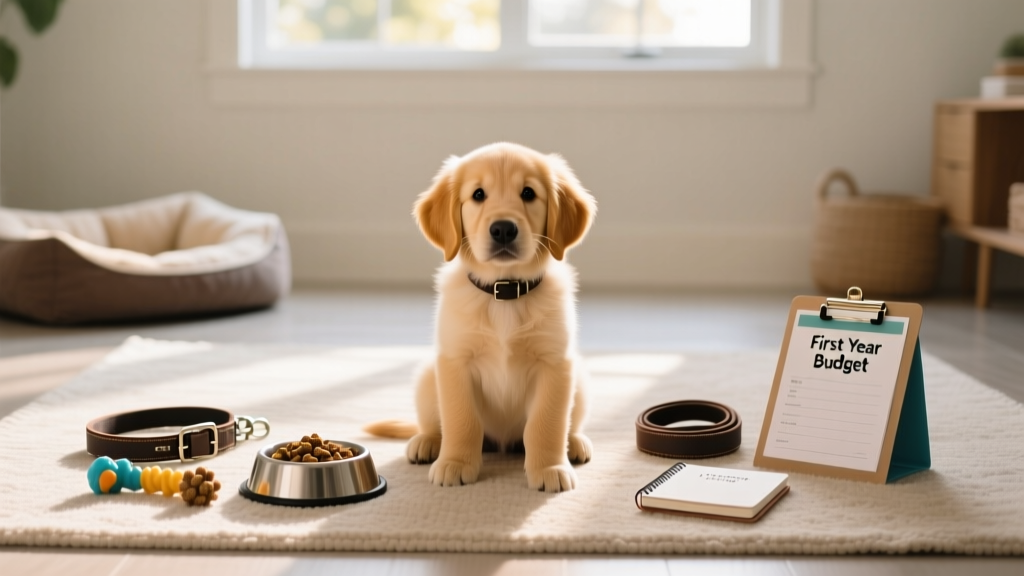
Puppy Sitting 101: A Week-by-Week Care Guide for Sitters & New Owners
Master puppy sitting with this detailed week-by-week guide covering feeding, potty training, vaccinations, socialization, and breed-specific milestones.

Whether you're stepping in to help a friend with their new puppy, starting a puppy sitting side business, or preparing to bring home your own dog, the first year of a puppy's life demands precision. Puppies aren't small adult dogs — they're developing organisms with rapidly shifting nutritional needs, narrow socialization windows, and immune systems that won't be fully protected until around 16 weeks of age. This guide gives you the exact timelines, portions, and troubleshooting frameworks that experienced puppy sitters and veterinary professionals rely on.
Disclaimer: This guide provides general puppy care education. Always consult your veterinarian for advice tailored to your puppy's specific breed, weight, and health status.
When Should You Bring a Puppy Home? The 8-Week Benchmark
Responsible breeders and rescue organizations typically release puppies between 8 and 10 weeks of age. The American Kennel Club notes that puppies separated from their litter before 7 weeks often develop behavioral issues including excessive biting, separation anxiety, and poor bite inhibition. The critical socialization period identified by veterinary behaviorists runs from approximately 3 to 14 weeks, meaning you have roughly a 6-week window after bringing an 8-week-old puppy home to expose them to the world in a structured, positive way.
Some toy breeds (Chihuahuas, Yorkshire Terriers, Pomeranians) benefit from staying with the breeder until 10–12 weeks due to their vulnerability to hypoglycemia and slower physical development. If you're puppy sitting a toy breed under 10 weeks, confirm the breeder or owner has established a feeding schedule with you — these puppies may need meals every 3–4 hours to maintain blood sugar.
Puppy Development Milestones: What to Expect at Every Stage
Puppy sitting becomes far less stressful when you know exactly what's developmentally appropriate at each age. Here's a concrete milestone timeline:
Age-Specific Milestone Timeline
Weeks 4–8 (Still with Breeder/Litter): Puppies learn bite inhibition from littermates, begin eating gruel-to-solid food transitions, start basic housetraining instincts (moving away from sleep area to eliminate), and develop coordinated movement. Eyes and ears fully functional. First deworming typically at 2, 4, 6, and 8 weeks.
Weeks 8–12 (Home Transition): Peak bonding period. Puppies are highly impressionable, curious, and relatively bold. Fear periods may occur around 8–10 weeks. Bladder capacity approximately 1 hour per month of age (so a 2-month-old puppy can hold it roughly 2 hours max). First DHPP vaccine due if not already given. Sleep needs: 18–20 hours per day.
Weeks 12–16 (Confidence Building): Puppies become more independent and test boundaries. Second fear period often hits around 12–14 weeks. Teething discomfort begins as adult teeth start pushing through gums. Bladder control extends to 3–4 hours. Puppy should have received second DHPP booster. Socialization urgency is highest during this window.
Weeks 16–24 (Juvenile Phase): Energy levels surge. Chewing intensifies as adult teeth fully erupt (usually complete by 6–7 months). Puppies may "forget" training cues temporarily — this is normal developmental regression, not stubbornness. Spay/neuter discussions with your veterinarian typically happen in this window. Crate training should be well-established.
Months 6–12 (Adolescence): Sexual maturity begins (intact males may start marking, females may enter first estrus cycle between 6–12 months depending on breed size). Large and giant breeds continue growing until 18–24 months. Energy peaks around 8–10 months. This is when many puppies are surrendered to shelters due to owners underestimating adolescent energy — structured exercise and continued training are essential.
Feeding Schedule: Exact Portions by Age and Weight
One of the most common puppy sitting mistakes is free-feeding or guessing portions. Puppies need measured, frequent meals to support rapid growth without overloading developing joints — especially in large breeds prone to hip dysplasia and developmental orthopedic disease.
| Age | Meals/Day | Small Breed (5–15 lb adult) | Medium Breed (25–50 lb adult) | Large Breed (60–100 lb adult) |
|---|---|---|---|---|
| 8–12 weeks | 4 | ¼–½ cup total/day | ¾–1¼ cups total/day | 1½–2½ cups total/day |
| 3–6 months | 3 | ⅓–⅔ cup total/day | 1–2 cups total/day | 2–3½ cups total/day |
| 6–12 months | 2 | ½–1 cup total/day | 1½–2½ cups total/day | 3–5 cups total/day |
Important feeding notes for puppy sitters:
- Use a large-breed puppy formula for dogs expected to reach 50+ lb as adults. These formulas have controlled calcium-to-phosphorus ratios (1.1:1 to 1.4:1) that reduce the risk of developmental bone disease, per the Merck Veterinary Manual.
- Look for the AAFCO statement on the food bag confirming it meets nutrient profiles for "growth" or "all life stages."
- Remove uneaten food after 15–20 minutes per meal. This establishes routine and makes appetite changes (an early illness indicator) easy to spot.
- Never supplement calcium without veterinary guidance — excess calcium in large-breed puppies is directly linked to osteochondrosis and hypertrophic osteodystrophy.
- Small-breed puppies under 4 months are at risk for hypoglycemia. If a toy breed puppy becomes lethargic, wobbly, or unresponsive, rub a small amount of Karo syrup or honey on their gums and contact a veterinarian immediately.
Potty Training Timeline: Realistic Expectations and Troubleshooting
Let's set the record straight: no puppy is reliably house trained in a weekend. A realistic potty training timeline looks like this:
- 8–12 weeks: Accidents every 1–2 days is normal. Puppy can hold bladder roughly 2 hours during the day, less during active play. Nighttime wake-ups at 2–3 AM for a potty break are expected.
- 3–4 months: Accidents drop to a few per week if you've been consistent. Puppy starts signaling (sniffing, circling, heading to the door). Nighttime stretches extend to 4–5 hours.
- 4–6 months: Most puppies are mostly reliable with 0–1 accidents per week. Still requires supervision — don't give full house freedom yet.
- 6–9 months: Generally reliable indoors, but adolescent regression can cause setbacks. Intact males may begin marking.
- 9–12 months: Fully house trained for most breeds, assuming consistent training. Some giant breeds mature more slowly.
Puppy Sitting Potty Protocol
- Take puppy out immediately upon waking, within 5–10 minutes after every meal, after every play session, and before bed.
- Use a consistent verbal cue ("go potty," "do your business") said while the puppy is eliminating — not after.
- Reward within 1–2 seconds of finishing with a high-value treat (small pieces of boiled chicken or commercial training treats under 3 calories each).
- Supervise or confine. If you can't watch the puppy, they should be in a crate or exercise pen. Unsupervised roaming is the #1 cause of potty training setbacks.
- Clean accidents with enzymatic cleaner (Nature's Miracle or Rocco & Roxie). Standard household cleaners leave residual uric acid that draws puppies back to the same spot.
Troubleshooting: If a previously trained puppy starts having accidents, rule out a urinary tract infection (common in puppies) with a vet visit before assuming it's behavioral. UTIs cause urgency and frequency that no amount of training will fix.
The Socialization Window (Weeks 3–14): Your Exposure Checklist
Research published in the Journal of Veterinary Behavior consistently shows that puppies with inadequate socialization during the 3–14 week critical period are significantly more likely to develop fear-based aggression, noise phobias, and anxiety disorders later in life. The American Veterinary Medical Association emphasizes that socialization should begin before puppies are fully vaccinated — the behavioral risk of under-socialization outweighs the disease risk when exposures are managed carefully.
How to socialize safely before full vaccination: Carry your puppy or use a stroller/wagon in public areas. Avoid dog parks and high-traffic pet areas until 1 week after the final puppy vaccine (typically around 17 weeks). Arrange playdates with known, fully vaccinated, temperament-tested adult dogs.
Socialization Exposure Checklist (Weeks 8–14)
Aim for positive, treat-paired exposure to the following. The goal is not just exposure — it's the puppy forming a positive emotional response to each stimulus.
- ☐ At least 10 different people (varying ages, ethnicities, hat-wearers, beard-wearers, people in wheelchairs, children)
- ☐ 5+ different floor surfaces (gravel, grass, metal grates, tile, wood, rubber mats)
- ☐ Household sounds: vacuum cleaner, blender, doorbell, hair dryer, thunderstorm recordings (play at low volume while feeding treats)
- ☐ Handling exercises: paw touching, ear inspection, mouth opening, nail clipping simulation, gentle restraint
- ☐ 3+ other vaccinated, friendly dogs in controlled settings
- ☐ Car rides (short trips ending in something pleasant — not just vet visits)
- ☐ Being alone in a crate for 10–30 minutes without distress
- ☐ Umbrellas opening, plastic bags rustling, balloons, fluttering flags
- ☐ People wearing costumes/uniforms (delivery drivers, joggers in reflective gear)
- ☐ Gentle grooming tools: soft brush, nail file, toothbrush introduced without force
Rule of thumb: If the puppy shows fear (cowering, tail tucking, refusal of treats), increase distance from the stimulus and let them observe from afar. Never force a puppy to approach something that frightens them — this creates lasting negative associations.
Vaccination Schedule: What Your Puppy Needs and When
As a puppy sitter, you don't need to make vaccine decisions — but you do need to know which vaccines have been given, which are pending, and what the puppy is protected against at any point. Keep the puppy's vaccine record accessible at all times.
| Age | Vaccine | Protects Against | Notes |
|---|---|---|---|
| 6–8 weeks | DHPP (1st dose) | Distemper, Hepatitis (Adenovirus), Parainfluenza, Parvovirus | Often given by breeder before pickup |
| 10–12 weeks | DHPP (2nd dose) + Bordetella (optional) | Same as above; Bordetella protects against kennel cough | Bordetella recommended if puppy will attend group classes or be boarded |
| 14–16 weeks | DHPP (3rd dose) + Rabies | Full core protection; Rabies required by law in most US states | Puppy considered fully protected ~1 week after this final dose |
| 12–16 months | DHPP booster + Rabies booster | Long-term immunity establishment | After this, boosters typically every 1–3 years depending on local law and vaccine type |
When can the puppy go outside and meet other dogs? The AKC recommends waiting until approximately one week after the final puppy vaccine series (around 17 weeks of age) before visiting dog parks, pet stores, or high-traffic public areas. However, controlled socialization in low-risk environments (your yard, a friend's vaccinated dog's home, carried outings) should begin immediately at 8 weeks. The socialization window closes around 14 weeks — waiting until 17 weeks to start all exposure creates a dangerous gap.
Crate Training Progression and Teething Relief (3–6 Months)
Crate training and teething are intertwined challenges during puppy sitting. A puppy in teething pain who is also struggling with crate confinement will make your job significantly harder. Address both simultaneously.
Crate Training Time Limits by Age
| Puppy Age | Max Daytime Crate Duration | Max Nighttime Duration |
|---|---|---|
| 8–10 weeks | 30–60 minutes | 2–3 hours (then potty break) |
| 11–14 weeks | 1–2 hours | 3–4 hours |
| 15–16 weeks | 2–3 hours | 4–5 hours |
| 4–6 months | 3–4 hours | 6–7 hours |
| 6+ months | 4–5 hours | 7–8 hours |
Crate training progression steps:
- Leave the crate door open with meals fed inside and high-value chews (stuffed Kong, bully stick) only available in the crate.
- Begin closing the door for 1–2 minutes while you sit nearby, gradually increasing duration over days.
- Step out of sight for 30 seconds, then return before the puppy panics. Extend absence in small increments.
- Never use the crate as punishment. The crate should predict good things — rest, food puzzles, safe chews.
Teething Timeline and Relief Strategies
Puppies have 28 deciduous (baby) teeth that begin erupting at 3–4 weeks and are fully in by 6–8 weeks. The 42 adult teeth begin pushing through at approximately 3–4 months, with the process usually complete by 6–7 months. During this window, puppies chew relentlessly because their gums are inflamed and uncomfortable.
Safe chew recommendations:
- Frozen Kong toys stuffed with plain yogurt or pumpkin puree (no xylitol) — the cold numbs sore gums.
- Carrot sticks (frozen) — low calorie, safe, and the crunching action helps loosen baby teeth.
- Benebone or Nylabone puppy-specific chews — choose the puppy formula (softer) and correct size for the breed.
- Wet washcloth twisted and frozen — supervise to prevent swallowing fabric pieces.
Avoid: Rawhide (choking and intestinal blockage risk), cooked bones (splintering), antlers and hooves (tooth fractures — these are harder than dog enamel), and any chew small enough to swallow whole.
🚨 Emergency Warning: If your puppy swallows a foreign object (sock, toy piece, rock, bone fragment), watch for vomiting, loss of appetite, abdominal pain, or failure to pass stool. Intestinal blockages in puppies can become life-threatening within 24–48 hours and surgical removal typically costs $2,000–$7,000. Contact your veterinarian or an emergency clinic immediately. If you suspect ingestion of a toxic substance, call ASPCA Animal Poison Control at (888) 426-4435 (24/7, consultation fee applies).
Common Puppy Problems: Biting, Whining, and Chewing Solutions
How to Stop Puppy Biting and Nipping
Puppy biting is not aggression — it's normal exploratory behavior and teething relief. Puppies learn bite inhibition (how soft their mouth can be) from littermates between weeks 4–8. When you're puppy sitting, you continue that education:
- Redirect to a toy. Every time teeth touch skin, say "oops" calmly, withdraw attention for 3–5 seconds, then offer an appropriate chew toy. Reward chewing on the toy with praise.
- Use time-outs, not punishment. If the puppy continues biting after two redirects, calmly place them in a playpen or crate for 30–60 seconds. This teaches that biting ends play — the same lesson littermates teach.
- Ensure adequate exercise and mental stimulation. Overtired and under-stimulated puppies bite more. A 12-week-old puppy needs approximately 15–25 minutes of structured activity per session, 3–4 times daily (short walks, training sessions, food puzzles).
- Never hold the mouth shut, alpha roll, or yell. These methods increase fear and can escalate biting. Positive reinforcement and LIMA (Least Intrusive, Minimally Aversive) methods are the standard recommended by veterinary behaviorists.
Nighttime Whining in the Crate
Nighttime whining in the first 1–3 weeks home is expected — the puppy has never slept alone. Strategies that work:
- Place the crate in or near your bedroom for the first 2 weeks, then gradually move it to the desired permanent location over several days.
- A Snuggle Puppy (a plush toy with a heartbeat simulator and heat pack) reduces separation distress in many puppies.
- Cover the crate with a light breathable blanket to create a den-like environment.
- If the puppy whines after a recent potty break and you're confident they don't need to eliminate, wait 2–5 minutes before responding. Responding immediately reinforces whining as a summoning tool.
Destructive Chewing
Puppies chew to explore, relieve teething pain, and expend energy. Management is more effective than correction:
- Puppy-proof the space: shoes, cords, remotes, and children's toys behind closed doors or in bins.
- Rotate 4–5 appropriate chew toys weekly to maintain novelty.
- Use Bitter Apple spray (Grannick's) on furniture legs and baseboards as a deterrent — test on a hidden area first to check for staining.
- Provide 2–3 daily mental enrichment sessions: frozen Kongs, snuffle mats, training sessions, or scatter feeding on a grassy area.
First-Year Cost Breakdown: Budgeting for Puppy Care
Whether you're advising a client as a puppy sitter or planning for your own puppy, understanding real costs prevents financial surprises. These ranges reflect 2025–2026 US pricing:
| Category | Low Estimate | Medium Estimate | High Estimate |
|---|---|---|---|
| Puppy purchase/adoption fee | $150 (rescue) | $1,500 (responsible breeder) | $4,000+ (rare/show breeds) |
| Veterinary (vaccines, wellness, spay/neuter) | $500 | $900 | $1,500 |
| Food (quality kibble, 12 months) | $300 | $550 | $900 |
| Supplies (crate, bed, leash, bowls, toys, gate) | $200 | $400 | $700 |
| Training (group classes or private sessions) | $150 | $400 | $1,200 |
| Preventives (flea/tick, heartworm, 12 months) | $200 | $350 | $500 |
| Pet insurance (annual premium) | $350 | $600 | $900 |
| TOTAL (excluding purchase price) | $1,700 | $3,200 | $5,700 |
Emergency veterinary visits (intestinal blockage surgery, parvovirus treatment, toxin ingestion) can add $1,500–$7,000+ per incident. Pet insurance purchased before any conditions develop typically covers 70–90% of these costs after deductible. Enrolling during puppyhood ensures no pre-existing condition exclusions.
Frequently Asked Questions About Puppy Sitting
How often should I feed my puppy at 10 weeks old?
At 10 weeks, feed 4 meals per day, spaced approximately 4 hours apart during waking hours (e.g., 7 AM, 11 AM, 3 PM, 7 PM). Divide the daily portion total equally across all four meals. Adjust portions weekly based on body condition — you should be able to feel ribs without pressing hard but not see them prominently.
When will my puppy be fully potty trained?
Most puppies achieve reliable house training between 4 and 6 months of age, though some small breeds take until 8–10 months due to smaller bladder capacity and faster metabolisms. "Fully trained" means fewer than one accident per month with consistent routine. Setbacks during adolescence (6–9 months) are common and temporary.
What should I do if the puppy I'm sitting gets sick?
Have the owner's veterinarian contact information and a signed authorization for treatment before you begin sitting. Know the location and hours of the nearest 24-hour emergency veterinary clinic. Symptoms requiring immediate vet attention include: repeated vomiting (3+ times in 24 hours), bloody diarrhea, lethargy lasting more than 12 hours, difficulty breathing, seizures, inability to stand, or refusal to eat for more than 24 hours in puppies under 4 months.
Can I take the puppy to a dog park before all vaccines are done?
No. Dog parks carry high risk for parvovirus, distemper, and parasites from unvaccinated dogs. Wait until approximately one week after the final DHPP vaccine at 14–16 weeks (so around 17 weeks of age). For socialization before that point, use controlled environments: carry the puppy in public, arrange playdates with known vaccinated dogs, and attend puppy classes that require proof of first vaccination.
How do I handle puppy biting during play?
Redirect every bite to an appropriate toy and reward toy-chewing with praise. If biting persists after two redirects, implement a brief 30–60 second time-out in a playpen. Ensure the puppy gets adequate physical exercise and mental enrichment — overtired puppies bite more. Never use physical punishment, which damages trust and can escalate aggression.
How much should I charge for puppy sitting services?
In 2025–2026, professional puppy sitting rates in the US typically range from $25–$50 per drop-in visit (30–45 minutes), $50–$85 per day for daycare-style sitting in your home, and $75–$150 per overnight. Puppies under 4 months command higher rates due to the frequency of potty breaks, feeding schedules, and supervision intensity required. Always require a pre-sit consultation to assess the puppy's needs and confirm vaccination status.
Aaron Whyte
All our authors care for dogs every day — read more of their work on the authors page.