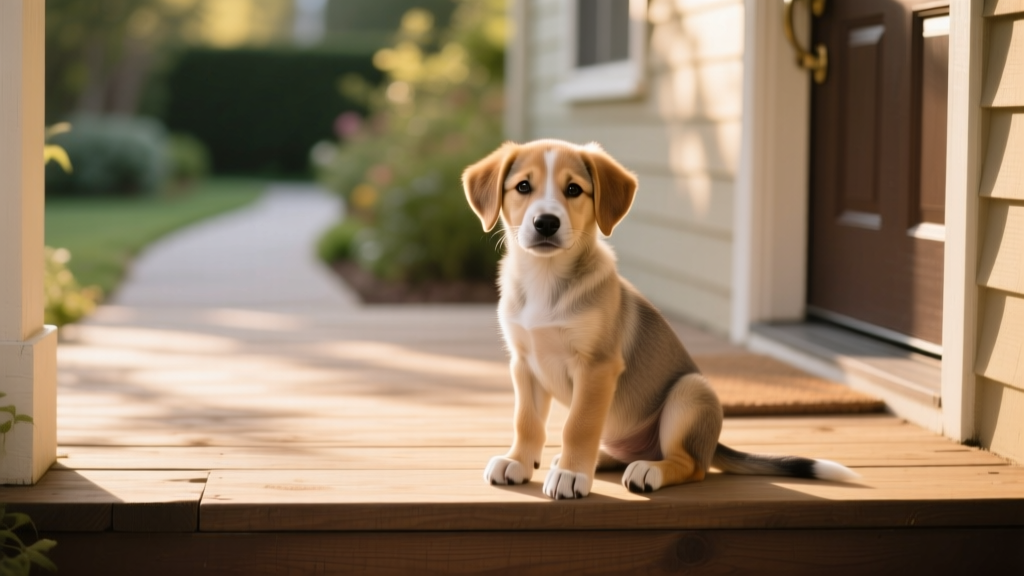
Puppy Munsterlander Care Guide: Milestones, Feeding & Training Timeline
Complete puppy Munsterlander guide covering age milestones, feeding schedules, vaccination timelines, potty training, socialization, and first-year costs for 2026.

Bringing home a Munsterlander puppy — whether the Large (Großer Münsterländer) or Small (Kleiner Münsterländer) variety — means preparing for an intelligent, high-energy pointing dog with serious field instincts. These German versatile hunting dogs mature slowly, both physically and mentally, and their puppyhood requires a structured approach that accounts for their athletic build, keen nose, and strong prey drive.
This guide walks you through every developmental stage of your puppy Munsterlander, from the moment you pick them up at 8 weeks through their first year, with breed-specific feeding portions, training timelines, and cost projections.
When Should I Bring My Munsterlander Puppy Home?
The optimal window to bring your Munsterlander puppy home is between 8 and 10 weeks of age. Reputable Munsterlander breeders — whether registered with the AKC (Foundation Stock Service for Large Munsterlanders) or through breed-specific clubs like the Small Munsterlander Club of North America — typically release puppies at 8 weeks minimum.
Some European-bred Munsterlander lines may be held until 10–12 weeks, particularly if the breeder follows extended socialization programs common in German breeding traditions (Welpenprägung). While this delays homecoming, these puppies often arrive with stronger environmental confidence.
Before pickup day, have these supplies ready:
- A 36-inch or 42-inch wire crate (they'll grow into it; use a divider panel for the first months)
- Enzymatic cleaner (Nature's Miracle or Rocco & Roxie, ~$12–18 per bottle)
- High-protein large-breed puppy food — look for AAFCO statement for growth, minimum 22% protein, with named animal protein as first ingredient
- Long-line leash (15–30 ft) for recall training in open areas
- Snuffle mat or food puzzle — Munsterlanders need nose-work outlets from day one
Munsterlander Puppy Development Milestones
Understanding what to expect at each stage prevents unnecessary panic and helps you set realistic goals. Munsterlanders are a slow-maturing breed; full physical maturity doesn't arrive until 18–24 months, and mental maturity often takes until age 3.
Weeks 4–8 (Still With Breeder)
Your puppy is learning bite inhibition from littermates, beginning solid food transitions, and experiencing the first critical socialization window. The breeder should be exposing puppies to varied surfaces (grass, gravel, tile), household sounds, and gentle handling. At this stage, puppies weigh approximately 4–8 lb (1.8–3.6 kg) depending on whether they are Small or Large Munsterlanders.
Weeks 8–12 (Homecoming & Bonding)
Expect clingy behavior, nighttime whining, and frequent potty breaks. Your puppy will sleep 18–20 hours per day. Weight at 8 weeks: roughly 6–10 lb (2.7–4.5 kg) for Small Munsterlanders, 8–14 lb (3.6–6.4 kg) for Large Munsterlanders. Focus on name recognition, crate acclimation, and gentle handling. Keep introductions to new people positive but not overwhelming — 2–3 visitors at a time, maximum.
Weeks 12–16 (Confidence Building)
Your Munsterlander puppy will become noticeably bolder. Prey drive may emerge early — watch for stalking behavior toward birds, squirrels, or even moving leaves. Begin structured short walks (5 minutes per month of age, so roughly 15–20 minutes per outing). Fear periods can occur around 12 weeks; avoid forcing your puppy toward things that frighten them. Instead, use high-value treats (freeze-dried liver, ~$8–12 for a 2 oz bag) to create positive associations.
Weeks 16–24 (Adolescent Energy Surge)
Energy levels spike. Your puppy will test boundaries, and previously reliable recall may deteriorate. This is normal for pointing breeds — independence is bred into them. Increase mental stimulation: hide-and-seek games with treats, introduction to field environments (tall grass, water edges), and short retrieve games with canvas bumpers. Teething peaks during this window. Weight at 6 months: approximately 30–40 lb (13.6–18.1 kg) for Small Munsterlanders, 45–60 lb (20.4–27.2 kg) for Large Munsterlanders.
Months 6–12 (Juvenile Phase)
Your Munsterlander will look increasingly adult but still act like a puppy. Growth plates remain open — avoid forced running, jumping from heights, or repetitive high-impact exercise until your vet confirms growth plate closure (typically around 14–18 months via X-ray). Sexual maturity may arrive: discuss spay/neuter timing with your veterinarian, as some evidence suggests waiting until after growth plate closure reduces orthopedic risks in large breeds. Males: 45–65 lb (20.4–29.5 kg); Females: 35–55 lb (15.9–24.9 kg) depending on variety.
Feeding Schedule & Portions by Age
Munsterlanders are active, athletic dogs that need quality nutrition without overfeeding — excess weight stresses developing joints and increases hip dysplasia risk, which is a known concern in the breed. Use a large-breed puppy formula (calcium content between 1.0–1.5% on a dry matter basis) for Large Munsterlanders. Small Munsterlanders can use a standard puppy formula, though large-breed formulas remain a safe choice.
| Age | Meals/Day | Small Munsterlander (cups/day) | Large Munsterlander (cups/day) |
|---|---|---|---|
| 8–12 weeks | 3–4 | ¾ – 1¼ | 1 – 2 |
| 3–6 months | 3 | 1¼ – 2 | 2 – 3½ |
| 6–12 months | 2 | 1½ – 2½ | 3 – 4½ |
| 12+ months | 2 | 1½ – 2¼ (adult) | 3 – 4 (adult) |
How to measure: Use a standard 8 oz measuring cup, not the scoop inside the kibble bag (which may vary). Portions above assume kibble with ~350–400 kcal/cup. If using a higher-calorie food, reduce volume proportionally.
Body Condition Score check: You should be able to feel your puppy's ribs without pressing hard, and see a visible waist when viewed from above. A BCS of 4–5 out of 9 is ideal for growing puppies. If ribs are difficult to feel, reduce portions by 10–15%.
Recommended brands meeting WSAVA guidelines with large-breed puppy formulations include Purina Pro Plan Large Breed Puppy, Royal Canin Large Puppy, and Hill's Science Diet Large Breed Puppy. Expect to spend $55–85 per 30 lb bag, lasting approximately 3–5 weeks depending on your puppy's variety and age.
Vaccination Schedule for Your Munsterlander Puppy
Munsterlander puppies follow the standard canine core vaccination protocol outlined by the AVMA and AAHA canine vaccination guidelines. Your veterinarian may adjust timing based on local disease prevalence and maternal antibody levels.
| Age | Vaccines | Notes |
|---|---|---|
| 6–8 weeks | DHPP (Distemper, Hepatitis/Adenovirus, Parainfluenza, Parvovirus) — 1st dose | Often given by breeder before pickup |
| 10–12 weeks | DHPP — 2nd dose; Bordetella (optional, recommended if attending puppy classes) | Leptospirosis series may begin in endemic areas |
| 14–16 weeks | DHPP — 3rd dose; Rabies (required by law in most US states) | Leptospirosis booster if series started; Lyme vaccine in tick-heavy regions |
| 12 months | DHPP booster; Rabies booster | After this, DHPP typically moves to 3-year intervals; Rabies per local law (1 or 3 year) |
Estimated vaccination costs: Individual vet visits for puppy vaccines typically run $25–50 per visit (exam fee) plus $20–40 per vaccine administered. Puppy vaccine packages at many clinics cost $150–300 for the full series. Low-cost vaccine clinics may offer DHPP for $15–25 per dose.
When can my puppy go outside and meet other dogs? Until your puppy has completed their full DHPP series (final dose at 14–16 weeks, with immunity developing approximately 2 weeks later), avoid dog parks, pet stores, and areas with unknown dog traffic. Controlled playdates with fully vaccinated, known-healthy adult dogs in private yards are generally safe. Puppy socialization classes that require proof of at least one DHPP dose and maintain sanitized environments are considered acceptable by the American Veterinary Society of Animal Behavior, which emphasizes that the risk of under-socialization outweighs disease risk in controlled settings.
Socialization Window: Weeks 3–14
The primary socialization period for all puppies closes around 12–14 weeks. For Munsterlanders — a breed with strong hunting instincts and potential wariness of strangers — deliberate early exposure is critical. Under-socialized Munsterlanders can develop nervousness around unfamiliar people, dogs, or environments.
Use this checklist to track exposures. Each item should be experienced at least 3–5 times during the window, always paired with treats and positive outcomes:
Potty Training Timeline & Troubleshooting
When will my Munsterlander puppy be fully potty trained? Most Munsterlander puppies achieve reliable house training between 4 and 6 months of age, though some may take until 8 months, particularly males. Munsterlanders are intelligent and typically learn quickly when a consistent routine is maintained.
Realistic bladder capacity by age:
- 8–10 weeks: 1–2 hours maximum between outings
- 10–14 weeks: 2–3 hours
- 3–4 months: 3–4 hours
- 5–6 months: 4–6 hours
- 6+ months: 6–8 hours (overnight)
Daily Potty Log Template (First 12 Weeks)
Track these data points for the first 12 weeks to identify your puppy's natural patterns:
- Time taken outside (record every outing)
- Result: Urinated / Defecated / Both / Neither
- Trigger: After waking / After eating / After play / Whining at door
- Accidents: Time, location, what happened before (helps identify triggers)
Most puppies need to eliminate within 15–20 minutes of eating, immediately upon waking, and after vigorous play. Use this pattern to preempt accidents.
Troubleshooting common issues:
- Frequent small accidents indoors: You're likely waiting too long between outings. Set a timer for 90-minute intervals for the first 2 weeks.
- Submissive urination when greeting: Common in young Munsterlanders. Ignore your puppy for the first 2–3 minutes when arriving home; greet calmly at their level without leaning over them.
- Refusing to go outside in rain: Munsterlanders have water-resistant coats and generally tolerate weather well, but puppies may be hesitant. Use a covered area initially, then gradually expose to open rain. Reward heavily for going in any weather.
- Nighttime accidents after sleeping through: Remove water 2 hours before bedtime. Take puppy out immediately before you sleep and immediately upon waking — no delays.
Crate Training Progression
Munsterlanders adapt well to crate training when introduced properly. A crate becomes their den and a critical management tool during the chewing and biting phases.
Crate size: For Large Munsterlanders, a 42-inch crate (with divider) purchased at the start will last through adulthood. For Small Munsterlanders, a 36-inch crate is appropriate. Your puppy should be able to stand, turn around, and lie down comfortably — but excess space in a puppy-sized crate invites elimination in one corner.
| Age | Maximum Crate Time (Daytime) | Maximum Crate Time (Overnight) |
|---|---|---|
| 8–10 weeks | 30–60 minutes | 2–3 hours (set alarm for potty break) |
| 10–14 weeks | 1–2 hours | 3–4 hours |
| 3–4 months | 2–3 hours | 5–6 hours |
| 5–6 months | 3–4 hours | 7–8 hours |
| 6+ months | 4–5 hours | 8 hours |
Important: Munsterlanders are active sporting dogs. Crating for maximum durations should be the exception, not the daily norm. If you work full-time, arrange a midday dog walker or come home for a break. Extended crating of an under-exercised Munsterlander puppy will result in frustration-based destruction and vocalization.
Teething Timeline & Relief Strategies
Munsterlander puppies begin losing baby teeth around 3–4 months, with the process largely complete by 6–7 months. During peak teething (4–5 months), expect increased chewing, mild gum bleeding, and temporary appetite changes.
Teething progression:
- 3–4 months: Incisors begin loosening; you may find tiny teeth in bedding or toys
- 4–5 months: Canines and premolars erupt; peak discomfort period
- 5–6 months: Molars come in; chewing intensity remains high
- 6–7 months: All 42 adult teeth should be in place — schedule a vet check to confirm no retained baby teeth (common in smaller-jawed dogs)
Safe chew recommendations by age:
- 8–16 weeks: Frozen washcloth twisted into a rope (supervised only), KONG Puppy (rubber, size Small for Small Munsterlander, Medium for Large) filled with soaked kibble and frozen — approximately $12–16 per KONG
- 4–6 months: Nylabone Puppy Chew (softer formula), Benebone Puppy ($14–20), frozen carrot sticks (supervise to prevent choking on large pieces)
- 6+ months: Transition to adult-weight Nylabone or yak cheese chews (Himalayan Dog Chew, ~$8–12 per piece). Avoid rawhide due to choking and blockage risk. Avoid cooked bones entirely — they splinter.
Common Munsterlander Puppy Problems & Solutions
Puppy Biting and Nipping
How do I stop puppy biting/nipping? Munsterlanders are mouthy by nature — they're bred to carry game. Biting peaks between 10 weeks and 5 months. Use these force-free methods:
- Redirect: When teeth touch skin, immediately offer an appropriate chew toy. Reward chewing on the toy with calm praise.
- Withdraw attention: If biting continues after one redirect, stand up, cross your arms, and be still for 10–15 seconds. Resume interaction only when puppy is calm. This mimics littermate behavior.
- Provide outlet: Structured tug-of-war with a fleece tug toy (2–3 sessions daily, 3–5 minutes each) channels mouthiness appropriately. Teach "drop it" using treat exchanges during tug.
- Never: Hold the muzzle shut, yell, use physical punishment, or bite back. These methods increase fear and can damage the human-dog bond. Positive reinforcement methods are recommended by the American Veterinary Society of Animal Behavior.
Whining and Vocalization
Munsterlanders are moderately vocal. Crate whining is expected for the first 1–2 weeks. Distinguish between attention-seeking whining (ignore until quiet, then reward silence) and distress whining (newly separated puppies may genuinely need reassurance). For the first 3–5 nights, placing the crate near your bed and gradually moving it to the desired location reduces separation anxiety.
Destructive Chewing
Peak chewing coincides with teething (4–6 months) but can persist through the first year if exercise and mental stimulation are insufficient. A Munsterlander puppy needs:
- Physical exercise: 5 minutes of structured walking per month of age, twice daily (so a 4-month-old gets ~20 minutes per walk)
- Mental stimulation: 15–20 minutes of nose work, puzzle feeders, or training sessions daily — this tires them more than physical exercise alone
- Management: Puppy-proof one room or use an exercise pen when unsupervised. Rotate chew toys every 2–3 days to maintain novelty.
Prey Drive and Chasing
Expect your Munsterlander puppy to fixate on birds, squirrels, and fast-moving objects as early as 10–12 weeks. This is breed-typical behavior, not a "problem" to eliminate. Channel it:
- Introduce structured fetch with canvas training bumpers ($10–18 for a 2-inch dummy)
- Practice "watch me" (eye contact) command around distractions, starting in low-distraction environments
- Use a long-line (15–30 ft) in open areas to practice recall without risking chase behavior
First-Year Cost Breakdown
Budgeting realistically for your Munsterlander puppy's first year prevents financial surprises. Costs below reflect 2026 US averages and vary by region (urban areas typically 20–40% higher).
| Category | Estimated Cost Range | Details |
|---|---|---|
| Puppy Purchase | $1,500 – $3,500 | Responsible breeders; Small Munsterlanders often higher due to rarity. Adoption/rescue: $300–600 |
| Veterinary (First Year) | $600 – $1,200 | Includes vaccine series, spay/neuter ($300–600), fecal tests, heartworm prevention, microchip |
| Food | $400 – $700 | Quality large-breed puppy food; Small Munsterlander on lower end |
| Supplies | $250 – $500 | Crate, bed, leashes, bowls, grooming tools, toys, training bumpers, exercise pen |
| Training | $200 – $600 | Puppy socialization class ($150–250 for 6-week course), optional basic obedience group class |
| Preventive Medications | $200 – $400 | Monthly heartworm + flea/tick prevention (NexGard, Simparica Trio, or similar; weight-based pricing) |
| Pet Insurance (Optional) | $360 – $600/year | $30–50/month for accident+illness plan; enroll during puppyhood to avoid pre-existing condition exclusions |
| Emergency Fund Reserve | $500 – $1,500 | Set aside for unexpected illness, foreign body ingestion, or injury |
Total first-year estimate: $3,510 – $8,500 (including puppy purchase). Ongoing annual costs after year one: approximately $1,500 – $2,800.
Frequently Asked Questions
How often should I feed my Munsterlander puppy at 10 weeks?
At 10 weeks, feed 3–4 meals per day. Divide the daily portion (approximately 1–1½ cups for a Small Munsterlander, 1½–2 cups for a Large Munsterlander) equally across meals. Space meals roughly 4–5 hours apart during waking hours. Free-feeding is not recommended for this breed, as Munsterlanders tend to eat enthusiastically and portion control helps prevent rapid growth.
My puppy bites everything — is this normal for Munsterlanders?
Yes. Munsterlanders are pointing/retrieving breeds with strong oral fixation. Biting peaks between 10 weeks and 5 months. Redirect to appropriate chews every time teeth contact skin, and provide structured tug games as an outlet. The behavior diminishes significantly after adult teeth are fully in (6–7 months), though some mouthiness persists into adulthood — it's a breed trait, not a flaw.
When can I start running with my Munsterlander?
Wait until your veterinarian confirms growth plate closure via X-ray, typically between 14–18 months for Large Munsterlanders, slightly earlier for Small Munsterlanders. Until then, stick to free-play in safe areas, structured walks, and swimming (which is low-impact and excellent for this water-loving breed). Forced running on hard surfaces before skeletal maturity increases the risk of joint damage.
Are Munsterlanders good with children?
Well-socialized Munsterlanders are generally excellent family dogs — patient, gentle, and playful. However, puppy Munsterlanders are energetic and mouthy, which can overwhelm toddlers. Supervise all interactions between puppies and children under 10. Teach children to respect the puppy's crate as a safe space and to avoid disturbing the puppy while sleeping or eating.
Should I get a Small or Large Munsterlander?
Small Munsterlanders (33–42 lb / 15–19 kg adult weight) suit active families with smaller homes or those wanting a more compact field dog. Large Munsterlanders (50–70 lb / 23–32 kg) are more substantial, often calmer indoors, and better suited to families with space and experience with larger sporting breeds. Both varieties share the same temperament profile: intelligent, biddable, affectionate, and driven in the field.
How do I introduce my Munsterlander puppy to water?
Start at 10–12 weeks with shallow, calm water — a kiddie pool or gently sloping pond edge. Never force or throw a puppy into water. Wade in yourself and encourage with a toy or treats. Most Munsterlanders take to water naturally, but individual confidence varies. Short, positive sessions (5–10 minutes) build enthusiasm. By 5–6 months, most Munsterlander puppies swim confidently.
For more information on Munsterlander breed standards and health testing requirements, visit the AKC Large Munsterlander page or consult the Merck Veterinary Manual for general canine developmental guidance. Always consult your veterinarian for personalized puppy care advice.
Dr. Hannah Wickes
All our authors care for dogs every day — read more of their work on the authors page.