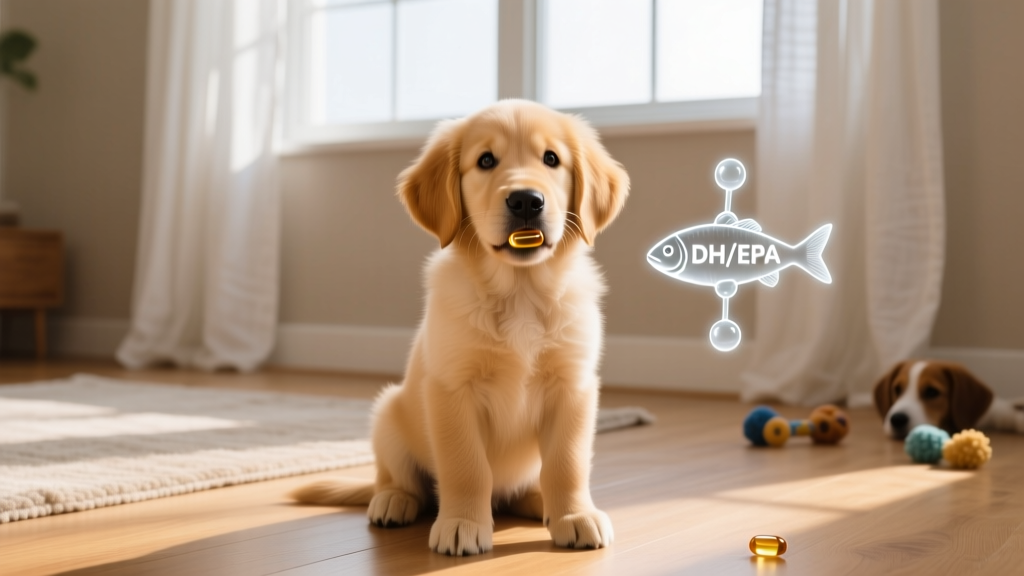
How Much Is That Puppy in the Window? First-Year Costs & Care Timeline
Wondering how much is that puppy in the window really costs?

So, How Much Is That Puppy in the Window — Really?
You've seen them: golden retriever puppies tumbling over each other behind pet store glass, French bulldog pups snoring in heated displays, Labradoodles with bows on their tiny collars. The price tag on that placard might read $1,200, $2,500, or even $4,800 — but that number is just the opening line of a much longer financial story. According to the ASPCA's pet care cost estimates, the first year of owning a medium-sized dog averages between $1,800 and $3,200 beyond the purchase price. For large breeds, that figure climbs to $2,500–$4,100.
Before you bring that puppy home, you need a realistic budget and a clear developmental roadmap. This guide covers every major milestone from weeks 4 through 12 months — feeding portions, vaccine names and dates, potty training expectations, and the socialization window that closes faster than most new owners realize.
First-Year Cost Breakdown: What That Puppy Actually Costs
The sticker price is just the beginning. Here's what first-year puppy ownership actually looks like in 2026, based on current veterinary pricing and retail costs for a medium-breed dog (40–60 lb adult weight):
| Category | Low Estimate | High Estimate | Notes |
|---|---|---|---|
| Puppy purchase/adoption | $200 (rescue) | $4,500+ (designer breeds) | Varies dramatically by source |
| Veterinary (first year) | $450 | $1,200 | Vaccines, spay/neuter, heartworm test, fecal exams |
| Food (puppy formula) | $320 | $780 | Premium brands $60–$90/bag, 3–5 bags/year |
| Preventive medications | $200 | $500 | Heartworm, flea/tick (NexGard, Simparica Trio) |
| Supplies (crate, bed, leash, bowls, toys) | $250 | $600 | Midwest iCrate ~$55, Kong Classic ~$15 |
| Training classes | $150 | $500 | Group puppy class $150–$250; private $80–$150/session |
| Pet insurance (optional) | $360 | $720 | $30–$60/month; enroll before first vet visit for best coverage |
| TOTAL (excluding purchase price) | $1,730 | $4,300 |
Emergency veterinary visits are the wildcard. A single episode of parvovirus treatment can cost $2,000–$5,000. Foreign body surgery averages $3,000–$7,000. This is why pet insurance or a dedicated emergency fund of at least $1,500 is not optional — it's essential.
Age-Specific Milestones: What to Expect Week by Week
Puppy development follows a remarkably predictable timeline. Here's what you should see at each stage, along with the actions you need to take.
Weeks 4–8: The Litter Phase (Breeder/Rescue Handles This)
During this period, puppies learn bite inhibition from littermates, begin weaning onto solid food, and receive their first deworming. The Merck Veterinary Manual notes that this is when primary socialization with the dam and siblings shapes future behavior. Puppies removed before 7 weeks show significantly higher rates of fear-based aggression and separation anxiety later in life.
- Eyes and ears: Fully open by week 3–4
- Weaning: Begins at week 4, complete by week 7–8
- First deworming: Typically at 2, 4, 6, and 8 weeks (pyrantel pamoate)
- First DHPP vaccine: At 6–8 weeks
- Weight milestone: Most medium breeds reach 3–5 lb by week 8
Weeks 8–12: Homecoming and Foundation
This is when most puppies join their new families. Expect 18–20 hours of sleep per day, frequent potty breaks (every 1–2 hours during the day), and the beginning of crate training. Your puppy will test boundaries — this is normal, not defiance.
- Sleep: 18–20 hours/day; enforce crate naps to prevent overtiredness (which triggers biting frenzies)
- Attention span: 3–5 minutes per training session, maximum
- Potty frequency: Every 1–2 hours, plus immediately after meals, naps, and play
- Teething begins: Deciduous (baby) teeth are fully in; gums may be sore
Weeks 12–16: The Fear Imprint Period
Between 8 and 11 weeks, and again around 6–14 months, puppies experience "fear imprint periods" where negative experiences can create lasting phobias. During weeks 12–16, keep all new exposures positive — use high-value treats (freeze-dried chicken, small cheese pieces) and never force interactions.
- Second and third DHPP vaccines: At 10–12 and 14–16 weeks
- Rabies vaccine: Typically at 12–16 weeks (varies by state law)
- Bladder control improving: Can hold for approximately 1 hour per month of age (a 3-month-old = ~3 hours max)
- Basic commands: Sit, name recognition, and "come" can be introduced with positive reinforcement
Weeks 16–24: Adolescence Begins
Your puppy will start testing rules, may seem to "forget" training, and will go through peak teething. This is the most common period for owner surrender — understanding that this phase is temporary and normal helps you push through.
- Adult teeth erupting: Begins around 3.5–4 months; all 42 adult teeth typically in by 6–7 months
- Spay/neuter window: Most veterinarians recommend between 6–9 months for medium breeds (discuss timing with your vet based on breed-specific orthopedic research)
- Energy surge: Exercise needs increase to 30–45 minutes of structured activity twice daily
Months 6–12: Settling Into Adulthood
Physical growth slows (large breeds continue growing until 18–24 months). Behavioral maturity lags behind physical maturity — expect puppy-like behavior until 18–24 months for most breeds.
Feeding Schedule: Exact Portions by Age and Weight
Underfeeding stunts growth; overfeeding accelerates it and increases orthopedic disease risk, particularly in large breeds. The following schedule assumes a high-quality, AAFCO-approved puppy formula (minimum 22% protein, 8.5% fat for growth per AAFCO nutrient profiles).
| Age | Meals Per Day | Daily Amount (Medium Breed, 40–60 lb adult) | Daily Amount (Large Breed, 70+ lb adult) |
|---|---|---|---|
| 8–12 weeks | 4 meals | 1 – 1½ cups total | 1½ – 2½ cups total (large-breed formula) |
| 12–16 weeks | 3 meals | 1½ – 2 cups total | 2½ – 3½ cups total |
| 4–6 months | 3 meals → 2 meals | 2 – 2¾ cups total | 3½ – 5 cups total |
| 6–12 months | 2 meals | 2½ – 3¼ cups total | 4 – 6 cups total |
How to measure: Use a standard 8 oz measuring cup, leveled off. Scooping with the kibble bag or a random kitchen cup leads to 20–30% overfeeding, the leading cause of puppy obesity. Monitor body condition score (BCS) — you should feel ribs without pressing hard, and see a visible waist when viewed from above.
Transitioning to adult food: Small and medium breeds transition at 10–12 months. Large and giant breeds should remain on large-breed puppy formula until 18–24 months to support controlled bone growth.
Vaccination Schedule: Exact Timing and Vaccine Names
Vaccines protect against diseases that are frequently fatal in puppies. The core vaccine series follows a strict timeline because maternal antibodies interfere with vaccine efficacy — this is why boosters are necessary at specific intervals.
| Age | Vaccine | What It Protects Against | Estimated Cost |
|---|---|---|---|
| 6–8 weeks | DHPP (1st dose) | Distemper, Hepatitis (Adenovirus-2), Parainfluenza, Parvovirus | $20–$40 |
| 10–12 weeks | DHPP (2nd dose) + Bordetella | Same as above + Kennel Cough (Bordetella bronchiseptica) | $35–$60 |
| 14–16 weeks | DHPP (3rd dose) + Rabies | Same as above + Rabies virus | $40–$75 |
| 12–16 weeks (optional) | Leptospirosis, Lyme, Canine Influenza | Lifestyle-dependent; discuss with your vet based on regional risk | $25–$45 each |
| 1 year (booster) | DHPP + Rabies (3-year) | Booster for all core vaccines | $50–$90 |
The Socialization Window: Weeks 3–14 (Don't Miss It)
According to the American Veterinary Medical Association (AVMA), the primary socialization period for puppies closes between 12 and 14 weeks of age. After this window, unfamiliar stimuli are more likely to trigger fear responses rather than curiosity. Missed socialization is the single leading behavioral reason for dog surrender to shelters.
Here's a concrete exposure checklist to complete before week 14. Every experience should be paired with high-value treats and kept under the puppy's fear threshold — if your puppy cowers, freezes, or tucks their tail, increase distance and go slower.
Socialization Checklist: 50+ Exposures by 14 Weeks
Surfaces (walk on): Grass, gravel, tile, hardwood, metal grates, wet pavement, sand, carpet, stairs
People: Children (supervised), elderly individuals, people wearing hats/sunglasses/masks, people in wheelchairs, delivery drivers, people with beards, tall people, people carrying umbrellas
Sounds: Vacuum cleaner, doorbell, thunderstorms (play recordings at low volume), traffic, construction noise, fireworks recordings, clapping, pots and pans dropping
Handling: Paw touching, ear examination, mouth opening, nail clipping practice, gentle restraint, towel wrapping, being lifted onto a table
Objects: Bicycles, skateboards, strollers, shopping carts, plastic bags blowing, balloons, flags, automatic doors
Animals: Vaccinated adult dogs (playdates, not dog parks), cats (if safe), livestock (from a distance), birds
Environments: Car rides, vet clinic (happy visits with treats only), outdoor café patios, parking lots, school playgrounds (from a distance during quiet hours)
Potty Training Timeline: Realistic Expectations
Let's dispel the myth: no puppy is reliably potty trained in a weekend. Full house training — meaning zero accidents for 30+ consecutive days — typically takes 4–6 months for most breeds, and up to 8–12 months for toy breeds with smaller bladders.
| Age | Max Bladder Hold Time | Expected Accident Rate | Your Action |
|---|---|---|---|
| 8–10 weeks | 45–60 minutes | 3–6 accidents/day is normal | Take out every 1 hour; supervise 100% or crate |
| 10–14 weeks | 1.5–2 hours | 1–3 accidents/day | Begin associating verbal cue with elimination |
| 3–4 months | 3–4 hours | 0–2 accidents/day | Extend interval gradually; reward outdoor success heavily |
| 4–6 months | 4–6 hours | 0–1 accidents/week | Begin longer crate periods; establish door-signal behavior |
| 6–12 months | 6–8 hours | Rare (stress/excitement only) | Maintain routine; regression may occur during adolescence |
Troubleshooting common problems:
- Puppy pees inside right after coming in from outside: Your puppy didn't associate outside with potty. Go back out immediately, wait 5 minutes, and reward with a high-value treat the instant they finish.
- Submissive urination when greeted: This is involuntary. Ignore the puppy for the first 2 minutes when you enter; greet calmly at their level without direct eye contact.
- Marking behavior (leg lifting on furniture): Interrupt with a neutral "oops," carry outside immediately, reward for finishing outdoors. Consider belly bands as a management tool, not a punishment.
Crate Training Progression and Time Limits
A crate is your puppy's den and your most effective management tool — but overuse creates distress. The general rule is one hour per month of age, up to a maximum. Never use the crate as punishment.
- 8–10 weeks: Maximum 30–60 minutes at a time during the day; overnight, expect 2–3 wake-ups for potty breaks
- 10–14 weeks: Maximum 1.5–2 hours during the day; overnight stretches of 3–4 hours become possible
- 3–4 months: Maximum 3–4 hours during the day; overnight 5–6 hours
- 4–6 months: Maximum 4–5 hours during the day; overnight 7–8 hours for most puppies
- 6+ months: Maximum 6 hours during the day (no dog should be crated longer than this without a break); overnight 8 hours is standard
Progression steps:
- Week 1: Feed all meals in the open crate; toss treats inside; leave door open
- Week 2: Close door during meals, open immediately after; begin 5-minute closed-door sessions while you sit nearby
- Week 3: Extend to 15–20 minutes; leave the room briefly; return before puppy vocalizes
- Week 4+: Gradually extend duration; begin leaving the house for short periods (5–10 minutes)
For whining: if the puppy has been recently pottied, fed, and exercised, brief whining (under 10 minutes) can be ignored. Persistent distress vocalizing may indicate the crate is too large (use a divider in a wire crate like the Midwest iCrate), the puppy needs to eliminate, or the introduction was rushed — go back a step.
Teething Timeline and Relief Strategies (3–6 Months)
Puppies have 28 deciduous teeth that begin erupting at 3–4 weeks. All 42 permanent teeth replace them between 3.5 and 7 months. During this window, your puppy will chew everything — not out of spite, but because counter-pressure on inflamed gums provides genuine relief.
Safe chew recommendations by age:
- 8–12 weeks: Kong Classic (puppy size) stuffed with soaked kibble and frozen; Nylabone Puppy Chew (softer formula); frozen wet washcloth (twisted and supervised)
- 3–4 months: Benebone Puppy (softer rubber); carrot sticks (supervised); bully sticks (limited to 10–15 minutes to prevent caloric overload)
- 5–7 months: Kong Classic (adult size, black rubber for aggressive chewers); Himalayan yak chews (supervised — remove small end pieces); West Paw Zogoflex Tux
What to avoid: Rawhide (choking and intestinal blockage risk), cooked bones (splinter), antlers (tooth fracture risk — the AVMA advises against hard chews that don't yield to fingernail pressure), and any toy small enough to swallow whole.
Common Puppy Problems and Solutions
Puppy Biting and Nipping
Mouthing is normal canine behavior — puppies explore the world with their mouths and lack the jaw control of adults. The goal is not to eliminate mouthing entirely (impossible) but to teach bite inhibition and redirect to appropriate items.
- Redirect: When teeth touch skin, say "ouch" in a calm tone, immediately offer a chew toy, and praise when they bite the toy instead
- Time-out protocol: If biting continues after 2 redirects, calmly place puppy in crate or pen for 30–60 seconds (this is a cool-down, not punishment), then resume play
- Manage arousal: Most biting happens when puppies are overtired or overstimulated. Enforce nap schedules — a crate nap often resolves "bitey" behavior within 10 minutes
- Never: Hold the mouth shut, push fingers into the throat, or use physical punishment. These methods increase fear and aggression, per the American Veterinary Society of Animal Behavior
Whining and Crying (Especially at Night)
Nighttime crying in the first 2–3 weeks home is nearly universal. Strategies that work:
- Place the crate in your bedroom for the first 2–4 weeks so your puppy can hear and smell you
- Use a Snuggle Puppy (with heartbeat simulator) or a warm water bottle wrapped in a towel
- Take the puppy out for a boring, no-play potty break when they wake — then immediately return to crate
- Gradually move the crate to the desired permanent location over 1–2 weeks once the puppy is settled
Destructive Chewing
Between 4–8 months, chewing peaks as adult teeth settle. Management is key: puppy-proof your home by removing shoes, cables, and remote controls from reach. Provide 5–7 appropriate chew options rotated weekly to maintain novelty. Confine to a puppy-safe area when unsupervised — this is not punishment, it's preventing rehearsal of unwanted behavior.
Frequently Asked Questions
When should I bring my puppy home?
Between 8 and 10 weeks is ideal for most breeds. Some toy breeds benefit from staying with the breeder until 10–12 weeks due to fragility and hypoglycemia risk. Never take a puppy before 7 weeks — early separation correlates with increased behavioral problems including resource guarding, fear biting, and separation anxiety.
How often should I feed my puppy?
At 8–12 weeks: 4 meals per day. At 12–16 weeks: 3 meals per day. At 4–6 months: transition to 2 meals per day. At 6+ months: 2 meals per day permanently. Free-feeding (leaving food out all day) is not recommended — it makes potty training unpredictable and contributes to obesity.
When will my puppy be fully potty trained?
Most puppies achieve reliable house training between 4 and 6 months, meaning fewer than one accident per month. Some breeds, particularly toy breeds and hounds, may take 8–12 months. Consistency is the single biggest factor — puppies with erratic schedules take significantly longer.
What vaccines does my puppy need and when?
Core vaccines: DHPP at 6–8, 10–12, and 14–16 weeks; Rabies at 12–16 weeks. Lifestyle vaccines (discuss with your vet): Bordetella, Leptospirosis, Lyme disease, and Canine Influenza (H3N2/H3N8). Your veterinarian will determine the appropriate protocol based on your puppy's exposure risk and local disease prevalence.
How do I stop puppy biting and nipping?
You can't stop it overnight, but you can manage and reduce it within 2–4 weeks using positive reinforcement. Redirect to appropriate chews, enforce nap schedules (overtired puppies bite more), and use brief time-outs (30–60 seconds in a pen) when biting persists after redirection. Puppy play with other vaccinated puppies also teaches bite inhibition naturally.
When can my puppy go outside and meet other dogs?
Your puppy can explore your own yard immediately (assuming no known parvo exposure). Public areas with unknown dog traffic (parks, pet stores, sidewalks with heavy dog walking) should be avoided until 2 weeks after the final DHPP vaccine at 14–16 weeks — meaning approximately 18 weeks of age. Controlled playdates with known, fully vaccinated adult dogs in private settings are safe and encouraged starting at 8 weeks to support the socialization window.
If your puppy shows any of these symptoms, do not wait: vomiting more than twice in 24 hours, bloody diarrhea (possible parvovirus), refusal to eat for more than 12 hours (especially in toy breeds — hypoglycemia risk), lethargy or inability to stand, bloated/distended abdomen, difficulty breathing, seizures, or suspected toxin ingestion.
ASPCA Animal Poison Control: (888) 426-4435 (24/7, consultation fee applies)
Pet Poison Helpline: (855) 764-7661
The puppy in the window may catch your eye, but it's the months of consistent care, training, and veterinary visits that determine whether that puppy becomes a well-adjusted companion or a source of frustration and expense. Budget realistically, plan for the developmental stages, and invest in prevention — it's always cheaper than treatment.
Dr. Hannah Wickes
All our authors care for dogs every day — read more of their work on the authors page.