Puppy Husky Care Guide: Milestones, Feeding, Training & First-Year Costs
Complete puppy husky guide covering age milestones, feeding schedules, potty training, vaccination timelines, socialization, and first-year cost breakdowns.

Bringing Home a Puppy Husky: What Makes This Breed Different
Siberian Huskies are not starter dogs dressed in wolf costumes. They are high-drive, vocal, escape-prone working dogs with a developmental trajectory that demands more from owners than most breeds. A puppy husky will test your patience with needle-sharp teeth, marathon howling sessions, and an uncanny ability to dismantle anything left unattended. Understanding the breed-specific timeline — from socialization windows to teething intensity — is what separates owners who thrive from those who surrender their dogs at eight months.
This guide maps out every critical phase of your Husky puppy's first year with concrete numbers, realistic timelines, and breed-specific troubleshooting. All health and vaccination guidance should be confirmed with your veterinarian, as individual puppies and regional disease risks vary.
When Should I Bring My Puppy Husky Home?
The AKC recommends that puppies remain with their litter until at least 8 weeks of age. For Siberian Huskies, many responsible breeders prefer to keep puppies until 10–12 weeks. This extended period allows critical bite inhibition learning from littermates — something your puppy husky desperately needs, because Huskies are notoriously mouthy dogs.
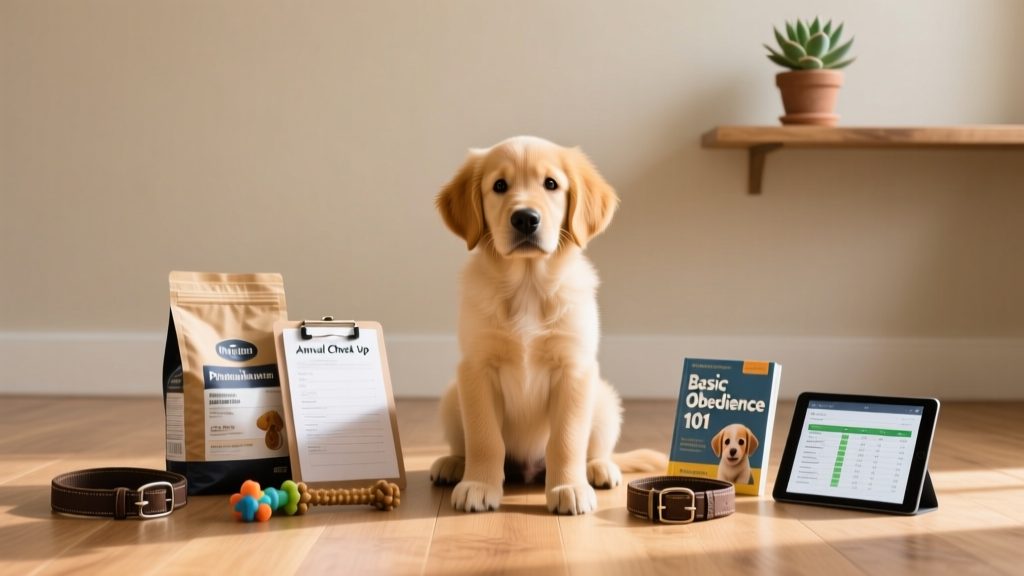
Before pickup day, have these supplies ready: a 36-inch wire crate (you'll use a divider as the puppy grows), a 6-foot leather or biothane leash, high-value training treats (Zuke's Mini Naturals or similar small-format treats), enzymatic cleaner (Nature's Miracle or Rocco & Roxie), and a long-line (15–30 feet) for recall practice in open areas.
Husky Puppy Milestones: Week-by-Week Development
Understanding what's normal at each stage prevents panic and helps you set appropriate expectations. Here's the developmental timeline specific to Siberian Huskies:
Weeks 4–8: Litter Life and Early Learning
Your puppy husky is still with the breeder during this period. Eyes and ears are fully functional. Puppies begin eating gruel transitioning to solid kibble, learn basic canine communication from their mother, and start developing bite inhibition through play. By week 6, a reputable breeder introduces novel surfaces (tarps, wobble boards, different flooring) and begins exposure to household sounds.
Weeks 8–12: The Adjustment Period
This is when most owners bring their puppy husky home. Expect 2–3 nights of crate crying (15–45 minutes per session is normal). Your puppy sleeps 18–20 hours per day but is intensely active during waking windows, which last 45–90 minutes. Fear periods commonly hit around week 8–10, so avoid overwhelming experiences like crowded pet stores or large parties.
Weeks 12–16: Confidence Building
Your Husky puppy gains coordination and boldness. This is prime training time — introduce marker words ("yes" or a clicker), lure basic positions (sit, down, stand), and begin name recognition games. Bladder control improves noticeably; most puppies can hold it 2–3 hours during the day by week 16. Expect a second fear period around 12–14 weeks.
Weeks 16–24: The Testing Phase
Independence emerges. Recall that worked perfectly at 14 weeks may suddenly fail as your puppy husky discovers that running is more rewarding than returning. This is the window where Husky owners must commit to long-line recall practice daily. Teething peaks between months 4–6, and chewing intensity can be destructive without management.
Months 6–12: Adolescence
Your Husky reaches 70–80% of adult size by 8 months. Males typically weigh 40–50 lb (18–23 kg) and females 30–42 lb (14–19 kg) at one year. Energy levels remain very high — plan for 60–90 minutes of structured activity daily (leash walks, flirt pole sessions, puzzle feeders), not counting free yard time. Sexual maturity arrives around 6–9 months; discuss spay/neuter timing with your veterinarian, as some evidence suggests waiting until 12–18 months for large-breed joint health benefits.
Husky Puppy Feeding Schedule: Portions by Age and Weight
Siberian Huskies are efficient metabolizers — they need fewer calories per pound than many similarly sized breeds. Overfeeding a puppy husky leads to rapid growth that stresses developing joints, increasing hip dysplasia risk. Feed a large-breed puppy formula (AAFCO-approved for growth) with calcium content between 1.2–1.8% on a dry matter basis.
| Age | Meals Per Day | Daily Portion (cups)* | Notes |
|---|---|---|---|
| 8–12 weeks | 3–4 | 1.5–2 cups | Moisten kibble with warm water for first 2 weeks home |
| 3–4 months | 3 | 2–2.5 cups | Transition to dry kibble fully |
| 4–6 months | 2–3 | 2.5–3.5 cups | Monitor body condition score; ribs should be easily felt |
| 6–12 months | 2 | 3–4 cups | Reduce to adult portions by 12 months |
*Portions based on a quality large-breed puppy kibble (e.g., Purina Pro Plan Large Breed Puppy, Royal Canin Siberian Husky Puppy, or Fromm Gold Large Breed Puppy). Always adjust based on your individual puppy's body condition score — a lean Husky puppy with visible waist tuck is healthier than a chunky one.
Vaccination Schedule for Your Puppy Husky
Siberian Huskies follow the standard core vaccination protocol, but because they're often taken to hiking trails, dog parks, and outdoor environments early, staying on schedule is critical. Your veterinarian may adjust timing based on local disease prevalence.
| Age | Vaccines | Purpose | Estimated Cost |
|---|---|---|---|
| 6–8 weeks | DHPP (1st dose) | Distemper, Hepatitis, Parainfluenza, Parvovirus | $25–$40 |
| 10–12 weeks | DHPP (2nd dose), Bordetella, Leptospirosis (if recommended) | Booster + kennel cough + bacterial infection protection | $40–$75 |
| 14–16 weeks | DHPP (3rd dose), Rabies | Final puppy booster + legally required rabies vaccine | $45–$85 |
| 12–16 months | DHPP booster, Rabies booster | First adult boosters | $50–$90 |
According to the AVMA vaccination guidelines, puppies are not considered fully protected against parvovirus and distemper until approximately 7 days after their final puppy series vaccine (typically around 16–17 weeks of age). Until then, avoid high-traffic dog areas like pet stores and dog parks.
Socialization Window: Weeks 3–14 (The Critical Period)
The primary socialization window closes around 12–14 weeks. For a breed as independent and prey-driven as the Siberian Husky, this period is non-negotiable. Puppies who miss varied exposure during this window are statistically more likely to develop fear-based reactivity, separation anxiety, and poor impulse control around small animals.
Your Husky Puppy Socialization Checklist
- ☑ Surfaces: Walk on grass, gravel, metal grates, wet pavement, snow, sand, and wobble surfaces (minimum 5 different textures)
- ☑ People: Meet at least 20 different people including children, elderly individuals, people wearing hats/sunglasses/uniforms, and people of different ethnicities
- ☑ Animals: Observe cats, small dogs, livestock, and wildlife from a safe distance (builds calm observation, not chase instinct)
- ☑ Sounds: Exposure to vacuum cleaners, thunderstorms (play recordings at low volume), traffic, sirens, doorbells, and fireworks audio
- ☑ Handling: Daily practice with paw handling, ear inspection, mouth opening, nail trimming simulation, and being gently restrained
- ☑ Environments: Car rides, outdoor café patios, parking lots, schoolyards (observe from distance), and friend's homes
- ☑ Novel objects: Umbrellas opening, balloons, plastic bags, bicycles, skateboards, and wheelchairs
Pair every new experience with high-value treats (boiled chicken, cheese, freeze-dried liver). If your puppy husky shows fear, increase distance and let them observe without forcing interaction. The goal is confidence, not flooding.
Potty Training Your Husky Puppy: Timeline and Troubleshooting
Siberian Huskies are generally clean dogs and pick up house training faster than some breeds — but their high energy and short attention spans mean consistency matters more than intelligence. Expect full reliability between 5–7 months of age. Some Husky puppies achieve daytime reliability by 4 months but still need overnight bathroom breaks until 6–7 months.
Realistic Potty Training Timeline
| Age | Bladder Capacity | Outdoor Trips Per Day | Accidents Expected |
|---|---|---|---|
| 8–10 weeks | 30–60 minutes | 12–15 | 1–3 daily (normal) |
| 10–14 weeks | 1–2 hours | 8–12 | 0–2 daily |
| 3–4 months | 2–3 hours | 6–8 | 0–1 daily |
| 4–6 months | 3–4 hours | 5–6 | Rare if consistent |
| 6–7 months | 5–6 hours | 4–5 | Fully reliable for most |
Breed-Specific Potty Training Troubleshooting
Problem: Submissive/excitement urination. Husky puppies often leak small amounts when greeting people. Do not punish this — it's involuntary. Ask guests to ignore the puppy for the first 2 minutes of arrival, greet outside, and avoid direct eye contact during greetings.
Problem: Refusing to potty on leash. Many Huskies dislike eliminating while restrained. Use a 10-foot biothane long-line in a designated potty area. Stand still and wait up to 10 minutes. Reward immediately with a treat and verbal marker the moment they finish.
Problem: Regression at 5–6 months. Adolescent Huskies sometimes "forget" training during hormonal surges. Return to frequent supervised outings, use enzymatic cleaner on any indoor accidents, and avoid free-roaming until reliability returns (typically 2–3 weeks).
Crate Training Progression: Time Limits by Age
A crate is essential for a puppy husky. This breed is notorious for destructive chewing, and unsupervised freedom before 12–18 months typically results in destroyed furniture, ingested foreign objects, and emergency vet visits. Use a 42-inch wire crate with a divider panel so you can adjust interior space as your puppy grows.
| Age | Maximum Daytime Crate Time | Overnight |
|---|---|---|
| 8–10 weeks | 1–1.5 hours | 3–4 hours (set alarm for potty break) |
| 10–14 weeks | 2–2.5 hours | 4–5 hours |
| 3–4 months | 3 hours | 6–7 hours |
| 4–6 months | 3–4 hours | 7–8 hours |
| 6+ months | 4–5 hours | 8 hours |
Build positive crate associations from day one: feed all meals inside the crate, provide a stuffed Kong or lick mat for settled chewing, and never use the crate as punishment. For Husky puppies who howl excessively in the crate, cover it with a breathable crate cover to reduce visual stimulation and place it in a low-traffic area where they can still hear you.
Teething Timeline and Safe Chew Strategies
Husky puppies begin losing deciduous (baby) teeth around 12–16 weeks, with the process completing by 6–7 months. During peak teething (months 3–6), your puppy will chew relentlessly to relieve gum discomfort. Without appropriate outlets, they will choose your baseboards, shoes, and electrical cords.
Safe Chew Recommendations by Stage
- 8–12 weeks: Soft rubber toys (Kong Classic, size small), frozen wet washcloths twisted into rope shape, Nylabone Puppy chew (softer formula)
- 3–4 months: Frozen carrot sticks, Benebone Puppy (softer rubber), Kong Classic stuffed with plain yogurt and frozen overnight
- 4–6 months: Bully sticks (supervised, remove at 2 inches), yak cheese chews (Himalayan Dog Chew brand), Kong Extreme (black rubber for aggressive chewers)
- 6+ months: Adult-weight Nylabone, antler alternatives (avoid real antlers — risk of tooth fractures), digestible dental chews approved by the Veterinary Oral Health Council (VOHC)
Common Puppy Husky Problems and Solutions
Biting and Nipping
Husky puppies are among the most mouthy breeds. Nipping is normal through 5–6 months but must be managed proactively. When teeth touch skin, say "ouch" in a flat tone, withdraw attention for 10–15 seconds, then redirect to an appropriate chew toy. If nipping escalates during excited play, the puppy is likely overstimulated — enforce a crate nap. Most biting diminishes significantly once adult teeth are fully in (around 7 months).
Howling and Vocalization
Your puppy husky will howl, whine, "talk," and scream. This is breed-typical communication, not a behavioral flaw. To prevent attention-demanding vocalization from becoming habitual, ignore whining when all needs are met (potty, food, exercise). Reward quiet behavior with treats and attention. Never yell at a howling Husky — they interpret this as you joining in.
Destructive Chewing
Beyond teething, Huskies chew out of boredom and excess energy. A puppy husky needs at minimum 30–45 minutes of structured physical activity plus 15–20 minutes of mental enrichment (snuffle mats, training sessions, food puzzles) daily. Rotate toys every 3–4 days to maintain novelty. Use bitter apple spray on furniture legs as a deterrent while teaching appropriate chew boundaries.
Escape Attempts
Even as puppies, Huskies show early signs of their legendary escape artistry. Check fence lines for gaps, never leave a puppy unattended in a yard (even briefly), and practice door-dash prevention by teaching a solid "wait" cue at thresholds. Microchip your puppy as soon as you bring them home — this breed has one of the highest lost-dog rates.
First-Year Cost Breakdown for a Husky Puppy
Budget realistically. The first year of Husky ownership is the most expensive, and underestimating costs leads to deferred care.
| Category | Low Estimate | High Estimate | Details |
|---|---|---|---|
| Puppy Purchase/Adoption | $300 (rescue) | $2,500 (AKC breeder) | Reputable breeders: $1,200–$2,500 |
| Veterinary (vaccines, spay/neuter, exams) | $600 | $1,400 | Includes heartworm prevention, flea/tick meds |
| Food (large-breed puppy formula) | $400 | $700 | Premium kibble at $55–$80/bag |
| Supplies (crate, leash, harness, toys, bed) | $250 | $500 | Ruffwear harness ~$50, Kong toys ~$30 |
| Training (group classes + private sessions) | $200 | $800 | Puppy socialization class + basic obedience |
| Grooming (brushes, deshedding tools, baths) | $80 | $200 | Huskies rarely need professional grooming |
| Pet Insurance (annual premium) | $400 | $800 | Trupanion, Healthy Paws, or similar |
| TOTAL | $2,230 | $6,900 | Median: ~$3,800 |
Emergency veterinary care is not included in these estimates. A single emergency visit for foreign body ingestion (common in chewing Husky puppies) can cost $2,000–$6,000. Pet insurance or a dedicated emergency fund of at least $1,500 is strongly recommended.
Frequently Asked Questions
How often should I feed my Husky puppy at 10 weeks old?
At 10 weeks, feed your puppy husky 3–4 meals per day, totaling approximately 1.5–2 cups of large-breed puppy kibble daily. Divide evenly across meals. Remove uneaten food after 15–20 minutes to establish meal routines rather than free-feeding.
When will my puppy husky be fully potty trained?
Most Husky puppies achieve reliable daytime house training between 5–7 months with consistent scheduling. Overnight reliability typically comes earlier, around 4–6 months. If accidents increase suddenly, rule out a urinary tract infection with your veterinarian before assuming it's behavioral regression.
How do I stop my Husky puppy from biting so hard?
Combine three strategies: (1) redirect every nip to an appropriate chew toy, (2) withdraw attention for 10–15 seconds when teeth touch skin, and (3) enforce mandatory naps — overtired puppies bite harder and more frequently. A puppy husky typically needs a nap after 60–90 minutes of awake time. Most nipping resolves by 7 months as adult teeth come in and bite inhibition matures.
What vaccines does my Husky puppy need and when?
The core protocol is DHPP at 6–8 weeks, 10–12 weeks, and 14–16 weeks, plus a rabies vaccine at 14–16 weeks. Non-core vaccines (Bordetella, Leptospirosis, Lyme) depend on your geographic area and lifestyle. Consult your veterinarian for a tailored schedule, especially if you plan to hike, visit dog parks, or board your dog.
When can my Husky puppy go to the dog park?
Wait until at least 7 days after the final DHPP booster at 16 weeks (so approximately 17 weeks minimum). Even then, dog parks carry risks for puppies — unpredictable adult dogs, disease exposure, and overwhelming stimulation. Structured puppy playgroups with vaccinated, temperament-tested dogs are a safer socialization option for the first 6 months.
Should I get pet insurance for my Husky puppy?
Yes. Enrolling while your puppy is young and healthy ensures pre-existing condition exclusions won't limit coverage later. Huskies are predisposed to conditions like hip dysplasia, eye disorders (cataracts, progressive retinal atrophy), and zinc-responsive dermatosis — all of which can require expensive treatment. Policies from providers like Trupanion, Lemonade, or ASPCA Pet Insurance typically cost $35–$70/month for a puppy.
Jonas Cole
All our authors care for dogs every day — read more of their work on the authors page.