Puppy Has Diarrhea but Still Playful? Complete Care Guide by Age
Your puppy has diarrhea but still playful? Learn age

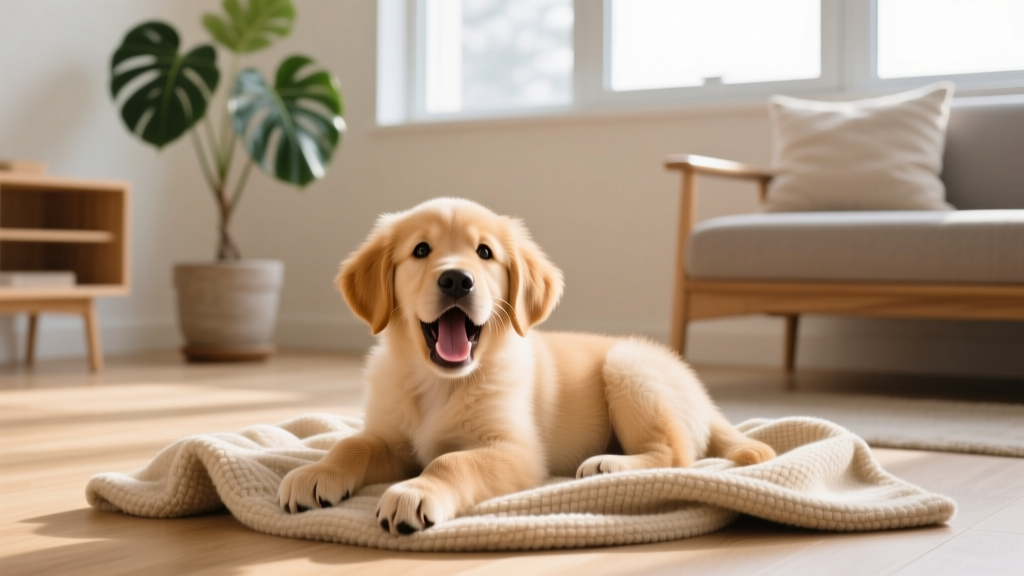
Your new puppy is bouncing off the walls, tail wagging, toys scattered everywhere — but there's a mess on the floor that definitely wasn't supposed to be there. If your puppy has diarrhea but still playful, you're in a common but confusing situation that nearly every puppy parent faces in the first few months. The good news? Energy and appetite are strong indicators that the issue is mild. The tricky part is knowing when loose stools are a normal adjustment and when they signal something that needs veterinary attention.
This guide walks you through exactly what to expect at every puppy stage — from 4 weeks to 12 months — with specific feeding portions, vaccination timelines, potty training benchmarks, and strategies for managing digestive upsets without losing your training momentum.
Why Your Puppy Has Diarrhea but Still Playful: Age-by-Age Breakdown
Diarrhea in puppies is surprisingly common, and the causes shift dramatically as your dog grows. According to the Merck Veterinary Manual, acute diarrhea in young dogs is most frequently linked to dietary changes, stress, parasites, or viral exposure — and a playful demeanor usually rules out the most dangerous causes like parvovirus in its advanced stages.
Weeks 4-8: Weaning and Transition Stress
At this age, puppies are transitioning from mother's milk to solid food. Their digestive systems are immature, and even a slight change in kibble brand can trigger loose stools. Common causes include:
- Introduction of solid food too quickly (should be gradual over 7-10 days)
- Intestinal parasites — roundworms and hookworms are present in an estimated 30-40% of puppies at birth (CDC)
- Stress from separation from littermates
- Overfeeding — a common mistake with eager eaters
Weeks 8-12: The "New Home" Adjustment Period
This is the most common window for diarrhea in newly adopted puppies. The combination of a new environment, new food, new people, and an incomplete vaccination status creates a perfect storm. Stress-induced colitis is the leading diagnosis for puppies presenting with soft stools but normal energy during this window.
Weeks 12-16: Exploration and Exposure
Your puppy is now more mobile, more curious, and more likely to put things in their mouth. Foreign object ingestion, exposure to new bacteria in the yard, and the second round of deworming can all trigger temporary digestive upset.
Weeks 16-24: Teething and Dietary Shifts
Teething stress can suppress appetite temporarily, and some puppies eat less consistently, leading to irregular bowel movements. This is also when many owners transition from puppy-specific formulas or increase portion sizes, both of which can cause loose stools.
Months 6-12: Hormonal and Growth Plateau Changes
As growth rate slows and spay/neuter happens, metabolism shifts. Overfeeding during this period often presents as soft stools rather than weight gain. Food sensitivities may also become apparent for the first time.
Feeding Schedule: Exact Portions by Age and Weight
Proper portioning is one of the most effective tools for managing puppy diarrhea. Overfeeding is the number one nutritional cause of loose stools in puppies that are otherwise healthy and playful.
| Age | Meals/Day | Toy Breed (5-15 lb adult) | Small Breed (15-30 lb) | Medium Breed (30-60 lb) | Large Breed (60-100+ lb) |
|---|---|---|---|---|---|
| 4-8 weeks | 4 (gruel/soaked kibble) | ⅓-½ cup total | ½-¾ cup total | ¾-1 cup total | 1-1½ cups total |
| 8-12 weeks | 4 | ½-¾ cup total | ¾-1¼ cups total | 1-2 cups total | 2-3 cups total |
| 12-16 weeks | 3 | ¾-1 cup total | 1-1½ cups total | 1½-2½ cups total | 2½-4 cups total |
| 16-24 weeks | 3 | ¾-1¼ cups total | 1½-2 cups total | 2-3½ cups total | 3-5 cups total |
| 6-12 months | 2 | ½-¾ cup total | 1-1¾ cups total | 2-3 cups total | 3-5 cups total |
Important: These are starting guidelines for AAFCO-approved puppy kibble. Always check your specific food's feeding chart, as caloric density varies widely — some formulas pack 350 kcal/cup while others reach 500 kcal/cup. If your puppy has diarrhea but is still playful, reduce portions by 10-15% for 24 hours and offer a bland diet option (boiled chicken and white rice, 1:2 ratio) for one or two meals before gradually reintroducing regular food.
Vaccination Schedule: Protecting Your Puppy During Vulnerable Weeks
Puppies with diarrhea during their vaccination window present a timing challenge. Most veterinarians recommend proceeding with core vaccines if the puppy is otherwise bright and eating — mild digestive upset is not a contraindication. However, moderate to severe diarrhea or any fever will typically delay vaccination by 1-2 weeks.
| Age | Vaccine | Notes |
|---|---|---|
| 6-8 weeks | DHPP (Distemper, Hepatitis, Parainfluenza, Parvovirus) — 1st dose | Often given by breeder/shelter before adoption |
| 10-12 weeks | DHPP — 2nd dose + Bordetella (optional) | Bordetella recommended if attending puppy classes or boarding |
| 14-16 weeks | DHPP — 3rd dose + Rabies (at or after 12 weeks, varies by state law) | Final DHPP booster is critical — maternal antibodies wane by this age |
| 12-16 months | DHPP booster + Rabies booster (1-year) | After this, DHPP typically goes to every 3 years |
According to the AVMA, puppies should receive their final DHPP dose at or after 16 weeks to ensure maternal antibodies don't interfere with immune response. Parvovirus — the most dangerous infectious cause of puppy diarrhea — is precisely why this schedule matters. A puppy with parvo will NOT be playful; they will be lethargic, vomiting, and producing bloody stools. If your puppy has diarrhea but still playful, parvo is unlikely but not impossible in early stages.
Potty Training Timeline: Realistic Expectations When Stools Are Loose
Here's the honest truth that most training guides gloss over: you cannot fully potty train a puppy with active diarrhea. The physical urgency overrides any learned behavior. What you can do is maintain your routine so that when stools firm up, your puppy picks up right where they left off.
Realistic Potty Training Milestones
- 8-10 weeks: Expect accidents every 1-2 hours. Take puppy out within 10 minutes of eating, drinking, waking, or playing.
- 10-14 weeks: Bladder control extends to roughly 2 hours. Most puppies begin signaling (sniffing, circling, heading to the door).
- 14-20 weeks: Accidents drop significantly if a consistent schedule is maintained. 3-4 hour intervals become manageable.
- 5-6 months: Most puppies can hold it 4-5 hours during the day. Overnight control (6-8 hours) typically develops around this age.
- 6-12 months: Considered "fully trained" for most breeds, though small breeds may take longer due to smaller bladder capacity.
Rule of thumb: A puppy can hold their bladder for approximately one hour per month of age, plus one. So a 3-month-old puppy can manage roughly 4 hours — but this assumes normal, formed stools. With diarrhea, cut that estimate in half.
Socialization Window (Weeks 3-14): What to Do When Your Puppy Is Sick
The primary socialization window closes around 14 weeks of age — a timeline that doesn't pause for diarrhea. The AKC emphasizes that missing this window can lead to lasting fear responses and behavioral issues that are far harder to address than a few days of loose stools.
Safe Socialization During Mild Diarrhea
If your puppy has diarrhea but still playful and energetic, you can continue controlled socialization with these modifications:
- Avoid dog parks and public grass areas — these carry parvovirus risk and you don't want your puppy's potentially infectious stool contaminating shared spaces
- Carry your puppy through pet-friendly stores (Home Depot, Tractor Supply) in a sling or cart — exposure to new sights, sounds, and surfaces without paw contact
- Invite vaccinated, healthy dogs to your home for supervised play on washable surfaces
- Expose to novel stimuli at home: different floor textures (tile, carpet, wood), sounds (vacuum, doorbell, thunderstorm recordings at low volume), people wearing hats/sunglasses/costumes, children (supervised, calm interactions)
- Car rides: short trips (5-10 minutes) to build positive associations — bring treats and a familiar blanket
Socialization Exposure Checklist (Weeks 3-14)
| Category | Specific Exposures | Target Count |
|---|---|---|
| People | Men, women, children, elderly, people in uniforms, people with mobility aids, different ethnicities | 15-20 different people |
| Surfaces | Gravel, grass, tile, wood, metal grates, wet surfaces, stairs | 8-10 surface types |
| Sounds | Vacuum, thunder, fireworks recordings, doorbell, clapping, power tools, traffic | 10+ sound types |
| Objects | Umbrellas opening, bags rustling, bicycles, skateboards, strollers, trash cans | 10+ novel objects |
| Other Animals | Friendly vaccinated dogs (various sizes), calm cats, livestock at a distance | 5-10 animal encounters |
| Handling | Paw touching, ear inspection, mouth opening, nail clipping simulation, bath introduction | Daily practice |
Crate Training Progression: Managing Diarrhea Overnight
Crate training and puppy diarrhea create a difficult situation — puppies instinctively avoid soiling their sleeping area, but diarrhea can override that instinct. If your puppy soils the crate, it's not a training failure; it's a physical limitation.
Crate Time Limits by Age
| Age | Maximum Daytime Crate Time | Maximum Overnight Crate Time |
|---|---|---|
| 8-10 weeks | 30-60 minutes | 2-3 hours (expect 1-2 overnight potty breaks) |
| 10-14 weeks | 1-2 hours | 3-4 hours |
| 14-18 weeks | 2-3 hours | 4-5 hours |
| 18-24 weeks | 3-4 hours | 6-7 hours |
| 6+ months | 4-5 hours | 7-8 hours |
During active diarrhea: Remove the crate divider to give your puppy more space, line the crate with washable towels instead of a bed (easier to change at 2 AM), and set an alarm for one extra overnight bathroom break. Place puppy pads just outside the crate door as a backup if you're dealing with a multi-day episode.
Teething Timeline (3-6 Months): Chewing, Stress, and Digestive Upset
Teething is an underappreciated cause of puppy diarrhea. The stress of gum pain can disrupt digestion, and puppies often chew on unsanitary objects (shoes, furniture legs, outdoor sticks) that introduce bacteria. Baby teeth begin falling out around 12-16 weeks, and the process continues until roughly 6 months when all 42 adult teeth should be in place.
Safe Chew Recommendations for Teething Puppies
- KONG Puppy (pink/blue rubber): Fill with plain pumpkin puree (not pie filling) and freeze — the cold soothes gums and pumpkin firms stools. Size XS for puppies under 15 lb, Small for 15-35 lb.
- Benebone Puppy Wishbone: Nylon-based, non-edible, bacon-flavored — satisfies chewing urge without adding unfamiliar ingredients to the digestive tract.
- Frozen washcloth: Wet a clean washcloth, twist into a rope, freeze for 2 hours. Supervise use and remove if pieces start tearing off.
- Nylabone Puppy Chew (Soft): Designed for teeth under 25 lb of bite force — gentler than adult versions.
Avoid: Rawhide (choking and blockage risk), hard antlers (tooth fractures), and any edible chews not specifically labeled for puppies under 6 months. If your puppy has diarrhea, pause all new chew introductions until stools normalize — you don't want to confuse the cause.
Common Puppy Problems and Solutions
Puppy Biting and Nipping
Mouthing peaks between 8-16 weeks and is completely normal. Puppies explore the world with their mouths, and littermates teach bite inhibition — a lesson you now need to continue. When teeth touch skin:
- Say "ouch" in a calm, slightly surprised tone (not a yell)
- Immediately redirect to an appropriate chew toy
- If biting continues, stand up and withdraw attention for 10-15 seconds
- Return and reward calm behavior with a treat or play
Never use physical punishment, alpha rolls, or muzzle-holding — these increase fear-based aggression and damage trust. The AKC recommends consistent redirection as the most effective force-free approach.
Whining in the Crate
Distinguish between protest whining (settles within 5-10 minutes) and distress whining (escalating, panting, throwing themselves against the crate). For protest whining, wait it out — rewarding silence with a treat teaches quiet behavior. For distress, the crate may be too large, too isolated, or introduced too quickly. Place the crate in your bedroom for the first 2-3 weeks so your puppy can hear and smell you.
Destructive Chewing
Puppies chew most intensely between 3-6 months during teething and again at 6-10 months during a second chewing phase linked to jaw development. Management is key: puppy-proof rooms by removing shoes, cords, and small objects; provide 4-5 rotating chew toys (novelty prevents boredom); and increase physical and mental exercise — a tired puppy chews less.
First-Year Cost Breakdown
Budgeting for a puppy's first year requires accounting for both predictable expenses and the inevitable "my puppy ate something weird" vet visits. Here's a realistic breakdown based on 2026 average US costs:
| Category | Low Estimate | Average Estimate | High Estimate |
|---|---|---|---|
| Initial vet visits (3-4 wellness exams) | $200 | $350 | $500 |
| Vaccinations (full puppy series) | $150 | $250 | $400 |
| Spay/neuter | $200 | $450 | $800 |
| Food (quality puppy kibble, 12 months) | $300 | $500 | $900 |
| Flea/tick/heartworm prevention | $150 | $250 | $400 |
| Supplies (crate, bed, bowls, leash, collar, toys) | $150 | $300 | $600 |
| Training classes (puppy kindergarten + basic) | $100 | $250 | $500 |
| Emergency/sick visits (diarrhea, infections, foreign objects) | $100 | $400 | $1,500+ |
| Microchipping | $25 | $50 | $75 |
| Total First Year | $1,375 | $2,800 | $5,675+ |
Pet insurance (typically $30-60/month for puppies) can offset emergency costs significantly. Most plans have a 14-day waiting period for illnesses, so enroll within the first week of bringing your puppy home.
When to Call the Vet vs. When to Monitor at Home
- Diarrhea contains blood (bright red or dark/tarry)
- Puppy becomes lethargic or stops playing
- Vomiting accompanies diarrhea
- Puppy refuses food or water for more than 12 hours
- Gums appear pale, gray, or brick-red (normal is bubblegum pink)
- Puppy is under 12 weeks and diarrhea persists beyond 24 hours
- You suspect ingestion of a toxic substance — call ASPCA Animal Poison Control at (888) 426-4435 (24/7, consultation fee applies)
- Puppy is playful, eating, and drinking normally
- Stools are soft but not watery
- No blood, no vomiting, no fever (normal puppy temperature: 100-102.5°F / 37.8-39.2°C)
- Episode started less than 24 hours ago
- Puppy is over 12 weeks old and current on vaccinations
Frequently Asked Questions
When should I bring my puppy home?
The ideal age to bring a puppy home is 8-10 weeks. Puppies separated before 8 weeks miss critical littermate socialization and are more prone to behavioral issues. Some breeders of toy breeds keep puppies until 10-12 weeks due to their fragility and hypoglycemia risk. Never accept a puppy younger than 7 weeks regardless of circumstances.
How often should I feed my puppy?
Feed 4 meals per day from 4-12 weeks, 3 meals per day from 12-24 weeks, and 2 meals per day from 6 months onward. Consistent meal timing (e.g., 7 AM, 12 PM, 5 PM, 9 PM for 4 meals) helps regulate digestion and makes potty training more predictable. Free-feeding (leaving food out all day) is not recommended — it makes it impossible to track appetite changes, which are an early illness indicator.
When will my puppy be fully potty trained?
Most puppies achieve reliable house training between 4-6 months, though small and toy breeds may take 8-12 months due to smaller bladder capacity. "Fully trained" means fewer than 1-2 accidents per month. If your puppy is still having frequent accidents after 6 months of consistent training, consult your veterinarian to rule out urinary tract infections or anatomical issues.
What vaccines does my puppy need and when?
Core vaccines include DHPP (Distemper, Hepatitis, Parainfluenza, Parvovirus) given at 6-8, 10-12, and 14-16 weeks, plus Rabies at 12-16 weeks. Non-core vaccines — Bordetella, Leptospirosis, Lyme, Canine Influenza — depend on your geographic area and lifestyle. Your veterinarian will recommend based on local disease prevalence.
How do I stop puppy biting and nipping?
Redirect every bite to an appropriate toy, withdraw attention for 10-15 seconds if biting continues, and reward gentle mouth behavior with treats and praise. Avoid physical punishment entirely. Most puppies significantly reduce mouthing by 5-6 months as adult teeth come in and they learn bite inhibition through consistent feedback.
When can my puppy go outside and meet other dogs?
Your puppy can explore your own yard immediately if no unvaccinated dogs have access to it. Public areas (parks, sidewalks, pet stores) should wait until 7 days after the final DHPP booster at 14-16 weeks — typically around 16-17 weeks of age. However, controlled socialization with known, fully vaccinated dogs in private settings can begin as early as 8 weeks. The AKC recommends balancing disease risk against the closing socialization window by choosing environments carefully.
Can I give my puppy over-the-counter anti-diarrhea medication?
Do not give human anti-diarrheal medications (Imodium, Pepto-Bismol) to puppies without explicit veterinary guidance. Pepto-Bismol contains salicylates, which can be toxic to dogs, and Imodium (loperamide) can cause dangerous complications in certain breeds with the MDR1 gene mutation (Collies, Australian Shepherds, and related herding breeds). Always consult your veterinarian before administering any medication to a puppy.
Anouk Beaumont
All our authors care for dogs every day — read more of their work on the authors page.