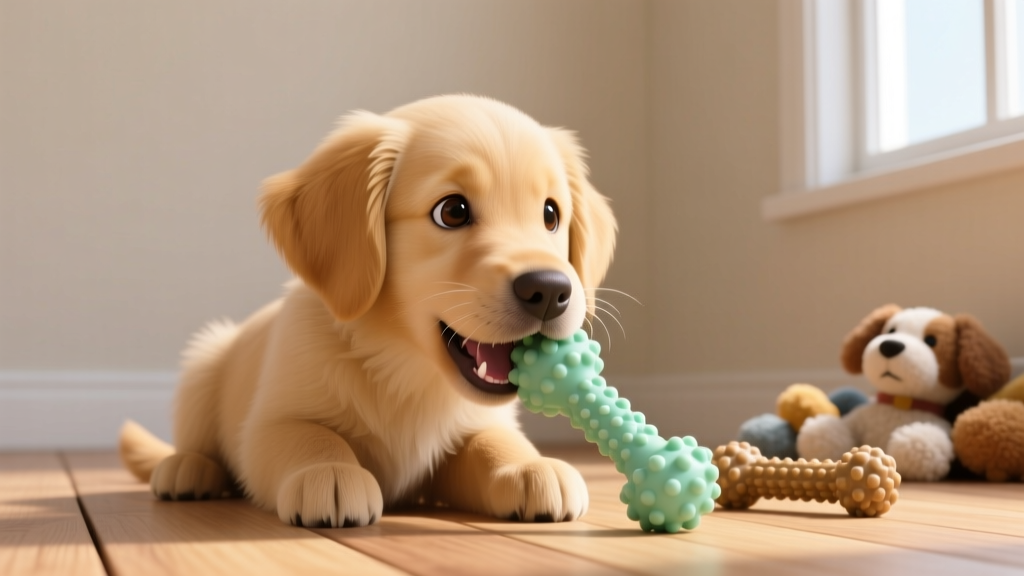
Pudelpointer Puppies: Complete Care Guide From 8 Weeks to Adulthood
Everything you need to raise pudelpointer puppies: feeding schedules, potty training timelines, vaccination charts, socialization checklists, and first-year costs.

The Pudelpointer is one of the most versatile hunting dogs in the world — a breed that combines the intelligence and trainability of the Poodle with the pointing instinct and field endurance of the Pointer. But raising pudelpointer puppies requires more than generic puppy advice. These are high-drive, deeply intelligent sporting dogs that need structured early development to become the steady, reliable companions they're known for.
Whether you've just reserved a pup from a breeder or you're preparing for your litter's arrival, this guide walks you through every developmental stage with breed-specific expectations, exact feeding amounts, vaccination timelines, and real cost figures for 2026.
When Should I Bring My Pudelpointer Puppy Home?
The optimal time to bring a Pudelpointer puppy home is between 8 and 10 weeks of age. While some states legally allow sales at 7 weeks, responsible Pudelpointer breeders typically keep pups until at least 8 weeks — and many hunting-line breeders prefer 9 to 10 weeks to ensure critical littermate socialization and early exposure to novel stimuli in the breeder's home.
Bringing a puppy home before 8 weeks risks incomplete bite inhibition learning (puppies learn to moderate jaw pressure from siblings between weeks 5-8) and weaker stress resilience. The AVMA recommends that puppies remain with their dam and littermates through at least 8 weeks for optimal behavioral development.
What to expect in the first 72 hours home: Your Pudelpointer puppy will likely sleep 18-20 hours per day, cry when left alone, and may have loose stools from diet transition stress. This is normal. Keep the environment quiet, limit visitors to one or two calm adults, and maintain the exact food the breeder was using for at least the first week.
Pudelpointer Puppy Development Milestones: Week by Week
Weeks 4–8 (Breeder's Home)
What's happening: Eyes and ears fully functional. Puppies begin exploring beyond the whelping box, learning bite inhibition from littermates, and experiencing their first fear period (weeks 8-10 overlap). The breeder should be introducing varied surfaces (grass, gravel, tarps), novel sounds (gunshots at distance for hunting lines, household noises), and individual human handling sessions.
Your role: If you visit before pickup, handle your puppy daily for short sessions. Ask the breeder about their Early Neurological Stimulation (ENS) and Early Scent Introduction (ESI) protocols — many quality Pudelpointer breeders follow the Bio-Sensor program.
Weeks 8–12 (Settling In)
What's happening: Peak socialization receptivity. Your puppy's brain is primed to form positive associations with new experiences. Bladder capacity is approximately 1 hour per month of age (so roughly 2 hours max at 8 weeks). Puppy will test boundaries and mouth everything.
Concrete expectations: Expect 3-5 accidents per day during potty training. Your puppy should learn their name within 5-7 days of consistent use. Crate tolerance of 30-60 minutes during the day is achievable by week 10. Teething discomfort begins around week 12 as adult teeth start pushing against baby tooth roots.
Breed-specific note: Pudelpointer puppies at this age often show early pointing behavior — freezing with one paw raised when they spot birds, leaves blowing, or even shadows. This is instinct, not trained behavior. Don't correct it; reward it with calm praise.
Weeks 12–16 (Building Foundations)
What's happening: Second fear period may emerge around 12-14 weeks. Puppy may suddenly become cautious about previously familiar objects or people. This is temporary and normal — do not force interactions. Let your puppy approach at their own pace and pair novel experiences with high-value treats (boiled chicken, freeze-dried liver).
Concrete expectations: Potty accidents should drop to 1-2 per day with consistent scheduling. Basic recall (coming when called) should be reliable indoors with low distraction. Your puppy can begin short, structured leash walks of 10-15 minutes. Attention span for training sessions: 3-5 minutes maximum.
Weeks 16–24 (Expanding the World)
What's happening: Adult teeth erupt (incisors first, then canines, then premolars). Puppy is now fully vaccinated and can safely explore public spaces. Prey drive intensifies — your Pudelpointer will begin showing serious interest in squirrels, birds, and fast-moving objects. This is the window to introduce structured field exposure for hunting-line dogs.
Concrete expectations: Your puppy can hold bladder for 4-6 hours during the day. Crate training should be reliable overnight (7-8 hours). Basic obedience (sit, down, stay for 30 seconds, recall with moderate distraction) should be fluent. Chewing of inappropriate items peaks around 5-6 months as adult teeth fully seat.
Months 6–12 (Adolescence)
What's happening: Sexual maturity (if not yet spayed/neutered). Hormonal surges may cause temporary regression in obedience — recall often deteriorates first. Energy levels increase dramatically; a bored adolescent Pudelpointer will find destructive outlets. Growth plates are still open; avoid repetitive high-impact exercise (no forced running, agility jumps, or long hikes on hard surfaces).
Concrete expectations: Full potty reliability by 6-7 months for most puppies. Adult coat begins replacing puppy coat around 8-10 months. Your dog should be capable of 45-60 minute structured exercise sessions. This is the ideal time to enroll in intermediate obedience or introductory field training classes.
Pudelpointer Puppy Feeding Schedule & Portions
Pudelpointers are medium-to-large sporting dogs. Adult males typically reach 55-70 lb (25-32 kg) and females 45-60 lb (20-27 kg). Feeding a large-breed puppy formula is critical to prevent rapid growth that can stress developing joints and increase hip dysplasia risk.
| Age | Meals/Day | Portion (cups/day) | Expected Weight | Notes |
|---|---|---|---|---|
| 8–12 weeks | 4 | 1.5–2 cups | 10–18 lb / 4.5–8 kg | Soak kibble in warm water for first week |
| 12–16 weeks | 3 | 2–2.5 cups | 18–28 lb / 8–13 kg | Transition to dry kibble |
| 16–24 weeks | 3 | 2.5–3.5 cups | 28–42 lb / 13–19 kg | Increase protein for growth phase |
| 6–9 months | 2 | 3–4 cups | 42–58 lb / 19–26 kg | Drop to 2 meals; monitor body condition |
| 9–12 months | 2 | 3–4 cups | 50–65 lb / 23–29 kg | Approaching adult weight |
Food selection criteria: Choose an AAFCO-certified large-breed puppy formula with calcium content between 1.0-1.5% on a dry matter basis and a calcium-to-phosphorus ratio of 1.1:1 to 1.4:1. Look for named animal protein as the first ingredient (chicken, lamb, or fish — not "meat meal"). Avoid grain-free formulas unless your veterinarian specifically recommends them, given the FDA's ongoing investigation into grain-free diets and dilated cardiomyopathy (DCM).
How often should I feed my puppy at each age? Four meals daily from 8-12 weeks, three meals from 12 weeks to 6 months, and two meals from 6 months onward. Never free-feed a Pudelpointer puppy — their food drive and intelligence mean they'll overeat, and large-breed puppies need controlled caloric intake to protect joint development.
Potty Training Timeline: Realistic Expectations
Pudelpointer puppies are generally quick to house-train thanks to their intelligence and sensitivity to routine. However, "quick" still means weeks, not days.
Pudelpointer Potty Training Timeline
- 8–10 weeks: Accidents every 1-2 hours. Take puppy out after every meal, nap, play session, and crate release. Expect 5-8 outdoor trips per day.
- 10–14 weeks: Accidents drop to 2-3 per day if schedule is consistent. Puppy begins showing pre-elimination signals (circling, sniffing, heading to door).
- 14–20 weeks: 1 accident per day or fewer. Puppy can hold for 3-4 hours during daytime. Nighttime holding reaches 5-6 hours.
- 5–7 months: Fully reliable for most puppies. Occasional marking behavior may emerge in intact males around 6 months.
When will my puppy be fully potty trained? Most Pudelpointer puppies achieve reliable house training between 5 and 7 months of age. Males sometimes take slightly longer due to emerging marking behavior. If your puppy is still having frequent accidents after 6 months, consult your veterinarian to rule out urinary tract infection or anatomical issues before assuming it's a behavioral problem.
Potty training troubleshooting for Pudelpointers:
- Submissive urination when greeting: Common in sensitive breeds. Ignore your puppy for the first 2 minutes when you arrive home. Greet calmly at their level without direct eye contact. This typically resolves by 6-8 months.
- Refusing to eliminate in rain: Pudelpointers have a water-resistant coat inherited from their Poodle ancestry, but puppies still dislike cold rain. Use a covered area or puppy umbrella. Never punish — pair outdoor elimination with high-value treats regardless of weather.
- Regression at 4-5 months: Often coincides with teething discomfort or increased independence. Tighten your schedule temporarily, increase outdoor frequency, and reward heavily for correct elimination.
Vaccination Schedule for Pudelpointer Puppies
Your Pudelpointer puppy's vaccination protocol follows the AAHA Canine Vaccination Guidelines, which classify vaccines as core (essential for all dogs) and non-core (based on lifestyle and risk exposure).
| Age | Core Vaccines | Non-Core (Lifestyle-Based) | Other Care |
|---|---|---|---|
| 6–8 weeks | DHPP (Distemper, Hepatitis, Parainfluenza, Parvovirus) — 1st dose | Bordetella (if group classes planned) | Deworming, fecal exam |
| 10–12 weeks | DHPP — 2nd dose | Leptospirosis (1st dose), Lyme (1st dose if tick-endemic area) | Heartworm test & prevention start |
| 14–16 weeks | DHPP — 3rd dose; Rabies (single dose, legally required) | Leptospirosis (2nd dose), Lyme (2nd dose), Bordetella booster | Spay/neuter discussion |
| 12 months | DHPP booster; Rabies booster (1-year or 3-year per local law) | Leptospirosis annual, Lyme annual, Bordetella (every 6-12 months) | Titers test option for DHPP |
When can my puppy go outside and meet other dogs? Your puppy can walk in your private yard immediately. However, avoid public dog areas (dog parks, pet stores, high-traffic sidewalks) until one week after the final DHPP dose at 14-16 weeks — roughly 17 weeks of age. Puppy socialization classes that require proof of at least one DHPP dose and maintain sanitized facilities are generally safe from 10 weeks onward, per the American Veterinary Society of Animal Behavior, which emphasizes that the risk of behavioral problems from inadequate socialization outweighs disease risk in controlled settings.
What vaccines does my puppy need and when? The core protocol is DHPP at 6-8, 10-12, and 14-16 weeks, plus Rabies at 14-16 weeks. Non-core vaccines like Leptospirosis, Lyme, and Bordetella depend on your geographic area and planned activities. Hunting-line Pudelpointers that will work in wetlands or wooded areas are strong candidates for Leptospirosis and Lyme vaccines. Always consult your veterinarian to tailor the protocol to your puppy's specific risk profile.
The Critical Socialization Window: Weeks 3–14
The primary socialization period for puppies closes between 12 and 14 weeks of age. After this window, novel experiences trigger caution rather than curiosity by default. For a breed like the Pudelpointer — which will encounter gunfire, boats, wildlife, livestock, and varied terrain throughout its working life — this window is especially important.
Pudelpointer Socialization Checklist (Weeks 3–14)
Expose your puppy to each of these in a positive, low-pressure way. Pair every new experience with treats and praise. Never force — let your puppy approach at their own pace.
- Surfaces: Grass, gravel, sand, mud, wet floor, metal grate, wooden bridge, tarp/plastic sheeting, snow (if seasonal)
- Sounds: Thunderstorm recordings (start at low volume), doorbell, vacuum, clapping, whistle, distant gunfire recording (for hunting lines — start at very low volume at 100+ yards distance, gradually decrease distance over weeks)
- People: Children (supervised), elderly individuals, people wearing hats/sunglasses/hoodies, people carrying umbrellas or bags, people of different ethnicities and body types
- Animals: Calm adult dogs (fully vaccinated), cats (if household has them), chickens or livestock (at safe distance, leashed), birds in the yard
- Objects: Bicycles, skateboards, strollers, lawn mowers (running, at distance), car rides, crates, grooming tables, nail clippers
- Handling: Paw touching, ear examination, mouth opening, tail handling, belly rubbing, being lifted, wearing a harness, wearing a coat/booties
- Environments: Different rooms in your house, garage, backyard, front yard, friend's house, car interior, vet clinic (happy visits with no procedures), outdoor café patio
Gunfire introduction for hunting-line Pudelpointers: This deserves special attention. Begin around 10-12 weeks by having a helper fire a .22 blank or cap gun at 100+ yards while your puppy is happily eating or playing. If your puppy shows no concern (continues eating/playing), gradually decrease distance by 10-15 yards per session over the following weeks. If your puppy shows fear (cowering, tail tucking, fleeing), immediately increase distance and proceed more slowly. Never fire a gun directly over a puppy's head — this is the fastest way to create permanent gun-shyness in a bird dog.
Crate Training Progression & Time Limits
Pudelpointers generally adapt well to crates because of their den-seeking instincts, but this breed's intelligence means they'll test whether whining gets them released. Consistency from day one is essential.
| Age | Max Daytime Crate Time | Overnight | Crate Size |
|---|---|---|---|
| 8–10 weeks | 30–60 minutes | 3–4 hours (set alarm for potty break) | 36" crate with divider |
| 10–14 weeks | 1–2 hours | 5–6 hours | 36" crate, adjust divider |
| 14–20 weeks | 2–3 hours | 6–7 hours | 42" crate (adult size for males) |
| 5–7 months | 3–4 hours | 7–8 hours | 42" crate, full space |
Important: A crate is not a substitute for exercise and mental stimulation. An under-exercised Pudelpointer puppy will develop crate anxiety, excessive barking, and destructive behavior regardless of how well you follow a training protocol. Ensure your puppy receives age-appropriate physical exercise and mental enrichment (food puzzles, scent games, short training sessions) before crating.
Teething Timeline & Relief Strategies
Pudelpointer puppies go through two teething phases:
- Weeks 3–6: Deciduous (baby) teeth erupt — 28 teeth total. You likely won't see this phase since it happens at the breeder's.
- Months 3–6: Adult teeth push out baby teeth — 42 permanent teeth. This is when chewing behavior intensifies dramatically.
What to expect during the 3–6 month teething phase: Increased chewing of furniture, shoes, hands, and leash. Mild gum bleeding (pink tinges on chew toys are normal). Temporary decrease in appetite as sore gums make kibble uncomfortable. Possible low-grade fever (up to 102.5°F / 39.2°C).
Safe chew recommendations:
- Frozen Kong Classic (black rubber, puppy size): Fill with soaked kibble mixed with plain yogurt and freeze overnight. Provides 20-30 minutes of soothing relief.
- Benebone Puppy Wishbone: Nylon chew with bacon flavor infused throughout. Durability rated for moderate chewers. Replace when significant wear appears.
- Frozen carrots: A low-calorie, edible option. Use whole large carrots (not baby carrots, which are a choking risk). Supervise to prevent large-piece swallowing.
- Wet washcloth method: Twist a clean washcloth, wet it, and freeze. The cold, textured surface massages gums. Supervise to prevent fabric ingestion.
Common Pudelpointer Puppy Problems & Solutions
Puppy Biting and Nipping
How do I stop puppy biting/nipping? Pudelpointer puppies mouth extensively — it's part of their retrieving heritage. The goal is not to eliminate mouthing entirely (which can cause behavioral suppression) but to teach bite inhibition and redirect to appropriate objects.
- When teeth touch skin: Say "oops" in a neutral tone, immediately stand up and withdraw attention for 10-15 seconds. Return and offer a chew toy. This mimics how littermates react to hard bites.
- Redirect, don't punish: Always have a toy available. When your puppy mouths your hand, present the toy and praise enthusiastically when they take it.
- Manage arousal levels: Biting intensifies when puppies are overtired or overstimulated. If nipping escalates, your puppy likely needs a nap — put them in their crate with a chew toy for a 30-60 minute rest.
- Never use: Alpha rolls, muzzle grabbing, holding the mouth shut, or any physical punishment. These methods damage trust and can create fear-based aggression. Use only positive reinforcement and redirection.
Whining and Vocalization
Pudelpointers are more vocal than many pointing breeds. Expect crate whining during the first 2-3 weeks home. The protocol: ensure your puppy's needs are met (potty, exercise, not ill) before crating. If whining begins after settling, wait for 3-5 seconds of silence before releasing — never release during active whining, as this reinforces the behavior. If whining persists beyond 3 weeks of consistent protocol, consult a certified professional dog trainer (CPDT-KA or IAABC credentialed).
Destructive Chewing
Beyond teething, adolescent Pudelpointers chew from boredom and excess energy. This breed needs minimum 60 minutes of structured activity daily by 6 months (split into two sessions). Rotate chew toys every 3 days to maintain novelty. Use bitter apple spray on furniture legs as a deterrent while providing more appealing alternatives. Puppy-proof your home by removing accessible shoes, cords, and small objects.
First-Year Cost Breakdown for a Pudelpointer Puppy
Raising a Pudelpointer puppy is a significant financial commitment. Here are realistic 2026 cost ranges based on national averages:
| Category | Low Estimate | High Estimate | Details |
|---|---|---|---|
| Puppy purchase price | $1,500 | $3,000 | From NAVHDA-registered breeder with health testing |
| Veterinary care (first year) | $600 | $1,200 | Vaccines, spay/neuter, heartworm prevention, fecal exams |
| Food (large-breed puppy formula) | $400 | $700 | Premium kibble at $50-$80/bag, 12-month supply |
| Supplies & gear | $350 | $600 | Crate, harness, leash, bowls, toys, grooming tools, bed |
| Training classes | $200 | $600 | Puppy kindergarten + basic obedience group classes |
| Pet insurance (annual) | $400 | $800 | Accident + illness plan, $250-$500 deductible |
| Total first year | $3,450 | $6,900 | Excluding emergency veterinary care |
Budget note: These figures do not include emergency veterinary care. A single emergency visit (foreign body ingestion, parvovirus treatment, or fracture repair) can cost $1,500-$5,000+. Pet insurance purchased before your puppy's first health issue can offset this significantly. Consider enrolling within the first 2 weeks home, before any pre-existing conditions are documented.
Frequently Asked Questions
Are Pudelpointer puppies good family dogs?
Yes, with proper exercise and training. Pudelpointers are loyal, affectionate with their families, and generally gentle with children they're raised alongside. However, they are not low-energy companion dogs — they need 60-90 minutes of daily structured activity by adulthood. Families who hike, hunt, run, or participate in dog sports are ideal matches. Sedentary households will struggle with this breed's physical and mental needs.
How much exercise does a Pudelpointer puppy need?
Follow the 5-minute-per-month-of-age rule for structured walks: a 4-month-old puppy gets approximately 20 minutes of leash walking per day, split into two sessions. Unstructured free play in a safe, fenced area can be longer. Avoid repetitive high-impact exercise (jumping, forced running on hard surfaces) until growth plates close around 14-18 months. Mental exercise — scent work, puzzle toys, short training sessions — is equally important and often more tiring than physical activity for this intelligent breed.
Do Pudelpointer puppies shed?
Pudelpointers have a wiry, medium-length coat that sheds minimally compared to most sporting breeds. Expect light seasonal shedding in spring and fall. Weekly brushing with a slicker brush and hand-stripping or professional grooming every 8-12 weeks keeps the coat healthy. Puppy coats are softer and may mat more easily — begin grooming routines early so your dog is comfortable with handling.
When should I spay or neuter my Pudelpointer?
Current veterinary research, including studies referenced by the American Kennel Club, suggests that for medium-to-large breeds, delaying spay/neuter until after skeletal maturity (12-18 months) may reduce the risk of certain orthopedic conditions like hip dysplasia and cranial cruciate ligament tears. However, intact dogs require strict management to prevent unplanned breeding. Discuss timing with your veterinarian based on your individual puppy's health, sex, and your management capabilities.
What should I look for in a Pudelpointer breeder?
Reputable Pudelpointer breeders in North America typically register with the North American Versatile Hunting Dog Association (NAVHDA) or the Verein Pudelpointer (VP). Look for breeders who perform OFA hip evaluations and genetic health testing on both parents, provide a written health guarantee, require a take-back clause (meaning they'll accept the dog back at any point in its life), and ask you detailed questions about your lifestyle and hunting/field experience. Expect to be placed on a waitlist — quality Pudelpointer litters are often reserved months in advance. Adoption through a breed-specific rescue is also a valid and commendable option.
Robin Maitland
All our authors care for dogs every day — read more of their work on the authors page.