Poison Puppy Symptoms: Recognizing Toxins in Your New Puppy
Learn to identify poison puppy symptoms at every developmental stage, from 4 weeks to 12 months. Includes toxin lists, emergency protocols.
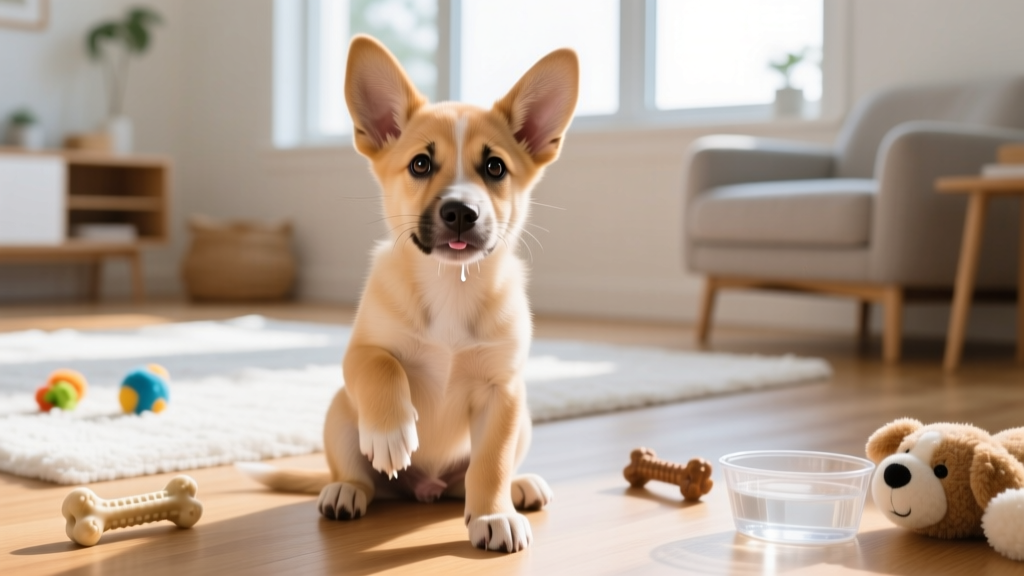
Bringing a new puppy home is thrilling, but their natural curiosity and habit of mouthing everything can lead to dangerous situations. Puppies explore the world with their mouths, and their smaller body weight means even tiny amounts of certain substances can cause serious harm. Understanding poison puppy symptoms — and knowing exactly when to act — is one of the most critical skills any new puppy owner can develop.
This guide walks you through toxin risks at every developmental stage, from the 4-week mark through your puppy's first year, combining age-specific milestones with practical prevention and emergency response strategies.
Why Puppies Are at Higher Risk for Poisoning
Puppies face elevated poisoning risk due to three converging factors: their low body weight (a 10-lb puppy can be seriously affected by amounts that a 70-lb adult dog might tolerate), their developmental drive to chew and mouth objects during teething, and their immature liver and kidney function, which limits their ability to metabolize and excrete toxins efficiently.
According to the ASPCA Animal Poison Control Center, puppies under 6 months of age represent a disproportionate share of toxic exposure calls. Their smaller size means the toxic dose threshold is reached much faster, and symptoms can escalate from mild to life-threatening within hours rather than days.
Recognizing Poison Puppy Symptoms by Severity
Symptoms of poisoning in puppies vary depending on the substance ingested, the dose relative to body weight, and how much time has passed since exposure. Here is what to watch for, organized by severity level:
| Severity | Symptoms | Action Required |
|---|---|---|
| Mild | Drooling, lip smacking, mild vomiting (1-2 episodes), decreased appetite, slight lethargy | Call poison control or your vet for guidance; monitor closely |
| Moderate | Repeated vomiting, diarrhea (possibly bloody), tremors, incoordination, excessive thirst/urination, pale gums | Call vet immediately; prepare to bring puppy in within 1-2 hours |
| Severe | Seizures, collapse, difficulty breathing, unresponsiveness, blood in vomit/stool, jaundice (yellow gums/eyes), bloated abdomen | Emergency vet visit NOW — do not wait |
- Seizures or uncontrollable tremors
- Difficulty breathing or blue-tinged gums
- Complete collapse or inability to stand
- Vomiting blood or coffee-ground material
- Known ingestion of rat poison, xylitol, chocolate (dark/baking), grapes/raisins, or antifreeze
Age-Specific Poison Risks and Milestones (4 Weeks to 12 Months)
Your puppy's poisoning risk profile changes as they develop. Here is a stage-by-stage breakdown of what to expect and what to watch for.
Weeks 4–8: The Transitional Stage
At this stage, puppies are typically still with the breeder or rescue, beginning the weaning process and exploring their immediate environment. Their primary poisoning risks include:
- Cleaning products on floors where puppies crawl (bleach, ammonia-based cleaners)
- Toxic plants within reach of the whelping area (lilies, pothos, philodendron)
- Human medications dropped on the floor — puppies this small (2-10 lbs depending on breed) can be affected by a single pill
Milestones: Eyes and ears fully functional by week 4; first solid food introduction around week 4-5; first deworming typically at 2, 4, 6, and 8 weeks; initial socialization begins with littermates and human handling.
Weeks 8–12: Homecoming and Peak Curiosity
This is when most puppies join their new families — and when poisoning incidents spike dramatically. Your puppy is exploring an entirely new environment with no established boundaries.
- Primary risks: Xylitol (sugar-free gum, peanut butter), chocolate, grapes/raisins, human medications left on counters, household plants, essential oils, rodent bait, slug/snail pellets in yards
- Behavioral note: Puppies this age mouth everything. A single piece of sugar-free gum containing xylitol can cause hypoglycemia in a 10-lb puppy within 30 minutes
Milestones: First DHPP vaccine at 6-8 weeks (or shortly after arrival); beginning crate training (2-3 hour maximum sessions); potty training initiation with outings every 1-2 hours; name recognition developing.
Weeks 12–16: Expanding Range
Your puppy is gaining confidence, venturing further in the home and yard, and their chewing intensity increases as baby teeth begin loosening.
- Primary risks: Garden chemicals (fertilizer, herbicides, cocoa mulch), antifreeze (sweet taste attracts puppies — even a teaspoon can be lethal to a small puppy), compost piles (moldy food contains tremorgenic mycotoxins that cause seizures)
- Environmental note: Puppies may access areas previously blocked as they grow tall enough to reach counter edges or push open unlatched cabinets
Milestones: Second DHPP at 10-12 weeks; third DHPP at 14-16 weeks; rabies vaccine at 12-16 weeks (varies by state law); socialization window closing around week 14; bite inhibition training critical during this period.
Weeks 16–24: Teething and Destructive Chewing Peak
This is the highest-risk window for poisoning incidents related to chewing. Puppies actively seek out objects to gnaw on to relieve teething discomfort.
- Primary risks: Chewing through containers of medications, vitamins, or supplements; gnawing on treated wood (pressure-treated lumber contains arsenic in older products); accessing laundry pods or dishwasher detergent packets; chewing on batteries (alkaline leakage causes oral burns)
- Size factor: Medium and large breed puppies (30-60+ lbs by this stage) can open containers, pull items off low shelves, and access areas small-breed puppies cannot reach
Milestones: Adult teeth erupting (3-6 months); spay/neuter typically scheduled around 6 months; increased independence and testing of boundaries; basic command reliability improving.
6–12 Months: Adolescent Exploration
Your puppy is now physically capable of accessing almost anything in your home. Counter-surfing, trash-raiding, and outdoor scavenging become primary poisoning vectors.
- Primary risks: Counter-surfing for human foods (chocolate, onions, garlic, macadamia nuts); raiding trash cans for cooked bones, spoiled food, or food wrappers with residue; ingesting recreational substances (marijuana toxicity calls have risen sharply — the Merck Veterinary Manual notes increasing incidence); eating wild mushrooms on walks
- Behavioral note: Adolescent puppies may develop resource guarding around stolen food items, complicating retrieval of dangerous objects
Milestones: Final DHPP booster at 16 weeks+; full vaccination status achieved; transition to adult food (breed-size dependent — large breeds may stay on puppy formula until 12-18 months); adolescent energy peak requiring 60-90+ minutes of daily exercise.
Feeding Schedule and Nutrition Safety by Age
Proper feeding reduces the likelihood that your puppy will scavenge for food — a major poisoning vector. Here is a feeding framework based on age and expected adult weight:
| Age | Meals Per Day | Small Breed (10-25 lb adult) | Medium Breed (26-60 lb adult) | Large Breed (61-100+ lb adult) |
|---|---|---|---|---|
| 8–12 weeks | 4 meals/day | ¼–½ cup per meal | ½–1 cup per meal | 1–1½ cups per meal |
| 12–16 weeks | 3 meals/day | ⅓–⅔ cup per meal | ¾–1¼ cups per meal | 1½–2½ cups per meal |
| 4–6 months | 3 meals/day | ½–¾ cup per meal | 1–2 cups per meal | 2–3½ cups per meal |
| 6–12 months | 2 meals/day | ½–1 cup per meal | 1½–2½ cups per meal | 2½–4 cups per meal |
Important: These are starting estimates. Adjust based on your puppy's body condition score (BCS) — you should be able to feel ribs without pressing hard but not see them prominently. Consult your veterinarian for breed-specific caloric targets. Always choose an AAFCO-certified puppy formula appropriate for your dog's expected adult size.
Food safety note: Never feed your puppy table scraps containing onions, garlic, grapes, raisins, macadamia nuts, chocolate, or xylitol-sweetened products. Even small amounts of these can trigger poison puppy symptoms within hours.
Vaccination Schedule: Protecting Your Puppy's Immune System
A puppy with a compromised immune system from toxin exposure is more vulnerable to infectious disease. Staying current on vaccines provides a critical safety net during the high-risk puppy months:
| Age | Vaccine | Purpose |
|---|---|---|
| 6–8 weeks | DHPP (1st dose) | Distemper, Hepatitis (Adenovirus), Parainfluenza, Parvovirus |
| 10–12 weeks | DHPP (2nd dose) + Bordetella (optional) | Booster for core vaccines; kennel cough protection if attending puppy classes |
| 14–16 weeks | DHPP (3rd dose) + Rabies | Final puppy core booster; rabies required by law (timing varies by state) |
| 12–16 months | DHPP booster + Rabies booster | First annual booster; subsequent boosters every 1-3 years depending on vaccine type |
Post-vaccine monitoring: Mild lethargy and soreness for 24-48 hours is normal. Contact your vet if you observe facial swelling, hives, vomiting, or collapse — these are allergic reactions requiring immediate treatment. Note that post-vaccine reactions can mimic some poison puppy symptoms, so mention recent vaccination when calling your vet.
Socialization Window (Weeks 3–14): Safe Exposure Checklist
The critical socialization period closes around 14 weeks. During this window, positive exposures shape your puppy's lifelong responses to the world. However, socialization outings also introduce poisoning risks — here is how to balance both:
- ✅ Different surfaces: Grass, gravel, pavement, sand — scan areas for discarded food, cigarette butts, or rodent bait stations first
- ✅ People of varied appearances: Children, elderly, people in hats/wheelchairs/uniforms — carry training treats to prevent ground-scavenging
- ✅ Other vaccinated dogs: Arrange playdates with known, vaccinated dogs rather than visiting dog parks (unknown vaccination status + potential toxin exposure from other dogs' environments)
- ✅ Novel sounds: Traffic, construction, thunderstorms (recordings), household appliances
- ✅ Handling exercises: Paw touching, ear examination, mouth opening — builds comfort for future vet visits and helps you check for oral toxin burns
- ❌ Avoid: Areas with visible rodent bait, recently treated lawns (wait 48-72 hours after chemical application), areas with unknown wild mushrooms, parking lots where antifreeze may have leaked
Potty Training Timeline and Troubleshooting
Potty training and poisoning prevention intersect more than you might think. A puppy with reliable outdoor habits is less likely to have indoor accidents near toxic substances stored in utility rooms or garages.
Realistic timeline expectations:
- 8–12 weeks: Accidents every 1-3 days is normal. Take puppy out every 1-2 hours, immediately after meals, after naps, and after play. Reward with treats within 2 seconds of elimination outdoors.
- 12–16 weeks: Bladder control improving. Expect 1-2 accidents per week. Overnight holding extends to 3-4 hours.
- 16–24 weeks: Most puppies show reliable signals (sniffing, circling, heading to door). Accidents drop to 1-2 per month.
- 6–12 months: Generally reliable with 0-1 accidents per month. Full reliability (holding 6-8 hours) typically achieved by 8-12 months for medium/large breeds; small breeds may take longer due to smaller bladder capacity.
Troubleshooting common issues:
- Submissive urination: Not a housetraining failure — ignore it, avoid direct eye contact when greeting, greet puppy at their level. Do not punish.
- Marking behavior (typically 6+ months): Increase supervision, interrupt and redirect outdoors, consider belly bands for males during training.
- Regression after illness or toxin exposure: GI upset from even mild poisoning can disrupt potty habits for 1-2 weeks. Return to more frequent outings and reward heavily.
Crate Training Progression and Safe Confinement
The crate is your single most effective tool for preventing poisoning when you cannot directly supervise your puppy. Here is a safe progression:
- 8–10 weeks: 30–60 minutes maximum during the day; overnight 2-3 hours before a potty break. Crate should be just large enough for puppy to stand, turn, and lie down — too large and they may eliminate in one corner.
- 10–14 weeks: 1–2 hours during the day; overnight 3-4 hours. Introduce feeding meals in the crate to build positive association.
- 14–20 weeks: 2–3 hours during the day; overnight 5-6 hours. Puppy should enter voluntarily for treats and chews.
- 5–6 months: 3–4 hours during the day; overnight 7-8 hours possible for most medium/large breeds.
- 6–12 months: Transition to pen or puppy-proofed room for longer absences. Crate remains a safe sleeping space.
Crate safety — poisoning hazards inside the crate:
- Remove collars with tags or buckles that could catch on crate wire
- Inspect chew toys before each crating session — discard any that can break into swallowable pieces
- Never leave rawhide, bully sticks, or marrow bones unattended in the crate (choking and intestinal blockage risk)
- Keep crate away from outlets, cords, and curtains the puppy could pull through bars
Teething Timeline (3–6 Months): Safe Chew Strategies
Teething drives the most intense chewing behavior your puppy will exhibit — and this is when poisoning from chewed containers, toxic wood, and swallowed objects peaks.
Teething progression:
- 3–4 months: Baby incisors begin loosening. You may find tiny teeth on the floor. Increased drooling and chewing.
- 4–5 months: Canines and premolars erupting. Peak discomfort. Blood-tinged drool is normal; active bleeding is not.
- 5–6 months: Adult teeth fully in by 6-7 months. Chew intensity gradually decreases.
Safe chew recommendations (and what to avoid):
- Kong Classic (stuff with puppy-safe peanut butter — check label for NO xylitol — and freeze)
- Nylabone Puppy Chew (specifically the puppy line, softer than adult versions)
- Frozen washcloth (wet, twist, freeze — supervise to prevent fabric ingestion)
- Benebone Puppy (softer rubber formula)
- Carrots (frozen whole baby carrots for small breeds, large carrots for bigger puppies)
- Rawhide (choking, blockage, chemical treatment concerns)
- Antlers and hooves (tooth fractures — puppy teeth are fragile)
- Sticks from yard (splinters; some wood species are toxic — black walnut, yew, black locust)
- Plastic bottles or shoes (ingestion of non-digestible fragments)
- Cooked bones of any kind (splinter and perforate intestines)
Common Puppy Problems with Poison Risk Implications
Puppy Biting and Nipping
Mouthing is normal puppy behavior, but it creates poisoning risk when puppies mouth toxic plants, chemical containers, or objects with toxic residue. Redirect biting to appropriate chew toys using positive reinforcement — the moment puppy mouths skin, say "oops" calmly, withdraw attention for 10-15 seconds, then offer a toy and reward when they chew it instead.
Never use: alpha rolls, muzzle grabbing, or physical punishment. These methods increase fear-based biting and damage the trust your puppy needs to come to you when they are in trouble (including after ingesting something dangerous).
Destructive Chewing
When puppies chew through containers, poisoning risk multiplies. Prevention strategies:
- Store all medications, vitamins, and supplements in locked cabinets or containers — child-proof caps are not puppy-proof (dogs can crush plastic bottles with their jaws)
- Use bitter apple spray on furniture legs and baseboards (test for surface damage first)
- Provide 3-5 approved chew toys rotated daily to maintain novelty
- Ensure adequate exercise — under-exercised puppies chew more (aim for 5 minutes per month of age, twice daily, for structured walks, plus free play)
Whining and Separation Distress
A distressed puppy left alone may chew objects they would otherwise ignore, including toxic items. Address whining through gradual desensitization: leave for 30 seconds, return before puppy escalates, gradually increase duration. Never punish whining — this increases anxiety and worsens the behavior.
First-Year Cost Breakdown
Budgeting for your puppy's first year helps you prepare for both routine care and emergency scenarios like poisoning treatment:
| Category | Estimated Cost Range | Notes |
|---|---|---|
| Veterinary (wellness visits, vaccines, spay/neuter) | $500–$1,200 | 3-4 puppy visits + spay/neuter; varies by region and clinic type |
| Food (AAFCO-certified puppy formula) | $300–$800 | Small breeds on lower end; large/giant breeds on higher end |
| Supplies (crate, bed, toys, bowls, leash/harness, gates) | $200–$500 | Initial setup; replacement toys add $50-100/year |
| Training (puppy class, socialization) | $150–$400 | 6-8 week group class; private sessions cost $75-150/session |
| Preventive medications (flea/tick, heartworm) | $200–$500 | Year-round prevention recommended in most US regions |
| Emergency fund (poisoning treatment, foreign body, illness) | $500–$3,000+ | Poisoning treatment averages $500-$5,000 depending on substance and severity; pet insurance can offset significantly |
| Total First Year (estimated) | $1,850–$6,400+ | Excludes purchase/adoption price |
Insurance consideration: Pet insurance premiums for puppies typically range from $25-$60/month depending on breed, location, and coverage level. Policies that cover accidental poisoning can reimburse 70-90% of emergency treatment costs. Enroll before any incidents occur — pre-existing conditions are universally excluded.
Top 15 Household Toxins for Puppies: Quick Reference
Keep this list accessible (printed on the fridge, saved on your phone). These are the most common substances involved in puppy poisoning cases:
- Xylitol — sugar-free gum, some peanut butters, baked goods. Causes rapid hypoglycemia and liver failure. Toxic dose: as low as 0.05 g/kg body weight.
- Chocolate — darker chocolate is more dangerous. Contains theobromine. Toxic dose varies: baking chocolate at 0.1 oz/lb body weight can cause symptoms.
- Grapes and raisins — cause acute kidney failure. No known safe dose; even 1-2 grapes may affect a small puppy.
- Antifreeze (ethylene glycol) — sweet taste attracts puppies. As little as 1 teaspoon per 10 lbs of body weight can be fatal.
- Rodenticides — anticoagulant types cause internal bleeding over 2-5 days; bromethalin types cause neurological symptoms within hours.
- NSAIDs — ibuprofen, naproxen. Even one 200mg ibuprofen tablet can cause kidney damage in a 10-lb puppy.
- Lilies — all parts toxic (more severe in cats but still dangerous to dogs in large amounts).
- Sago palm — seeds/nuts are most toxic; causes liver failure with 50% fatality rate even with treatment.
- Marijuana/THC products — edibles are especially dangerous due to high concentration plus chocolate/xylitol content.
- Essential oils — tea tree oil, eucalyptus, pennyroyal. Concentrated forms can cause liver damage and neurological symptoms.
- Cocoa mulch — contains theobromine like chocolate; puppies may ingest while exploring garden beds.
- Fertilizers and herbicides — particularly those containing organophosphates or metaldehyde (slug bait).
- Compost — moldy food produces tremorgenic mycotoxins causing severe tremors and seizures.
- Batteries — alkaline corrosion causes severe oral and esophageal burns when chewed.
- Human vitamins — iron supplements and prenatal vitamins are particularly dangerous in overdose.
When Can My Puppy Go Outside and Meet Other Dogs?
Until your puppy has received their final DHPP booster at 14-16 weeks (plus 1-2 weeks for immune response to develop), limit outdoor exposure to:
- Your own yard (if no unknown dogs have access)
- Carried outings in low-traffic areas for socialization
- Puppy classes that require proof of age-appropriate vaccination
Avoid dog parks, pet store floors, and high-traffic dog areas until fully vaccinated. Parvovirus can survive in soil for months and is often fatal in puppies — the risk outweighs socialization benefits in these environments.
Once fully vaccinated (typically around 16-18 weeks), gradually introduce your puppy to new environments. Continue scanning for toxin hazards: discarded food, wild mushrooms, standing water (leptospirosis risk), and areas with visible rodent bait stations.
Frequently Asked Questions
When should I bring my puppy home?
The American Kennel Club and most veterinary behaviorists recommend bringing puppies home between 8-10 weeks of age. This timing allows critical littermate socialization while still placing the puppy in their new home during the prime socialization window (which closes around 14 weeks). Some breeders of small/toy breeds retain puppies until 10-12 weeks due to their fragility and hypoglycemia risk.
How do I stop puppy biting and nipping?
Use a consistent redirection protocol: when teeth touch skin, say a calm marker word ("oops" or "too bad"), withdraw attention for 10-15 seconds (stand up, turn away), then redirect to an appropriate chew toy and reward enthusiastically when they chew it. Ensure all household members follow the same protocol. Most puppies show significant improvement by 16-20 weeks as adult teeth come in and bite inhibition training takes hold. Never hold the mouth shut, tap the nose, or use physical punishment.
When will my puppy be fully potty trained?
Most puppies achieve reliable housetraining between 6-12 months, with small breeds often taking longer (up to 12-14 months) due to smaller bladder capacity. Consistency in schedule, supervision, and positive reinforcement are the three factors that most predict success. If your puppy is not showing progress by 6 months, consult your veterinarian to rule out urinary tract infections or anatomical issues.
What should I do if my puppy eats something toxic?
First, identify what was ingested and estimate how much. Call ASPCA Poison Control at (888) 426-4435 or Pet Poison Helpline at (855) 764-7661 immediately — they will advise whether to induce vomiting at home (only with 3% hydrogen peroxide, 1 mL per pound of body weight, never more than 45 mL total, and only if instructed by a professional) or go directly to the emergency vet. Do NOT induce vomiting if your puppy ingested a corrosive substance (batteries, cleaning products) or is unconscious/seizing. Bring the packaging or a sample of the substance to the vet.
Are certain breeds more susceptible to poisoning?
While any puppy can be poisoned, breeds with high food drive and scavenging tendencies (Labrador Retrievers, Beagles, Golden Retrievers) statistically appear in more poisoning cases due to their willingness to eat almost anything they find. Brachycephalic breeds (French Bulldogs, Pugs) may be at higher risk from aspiration if vomiting is induced. However, individual temperament matters more than breed — any curious, mouthy puppy is at risk.
Disclaimer: This guide is for educational purposes and does not replace professional veterinary care. Always consult your veterinarian for diagnosis and treatment decisions related to your puppy's health. In any suspected poisoning emergency, contact poison control and your nearest emergency veterinary clinic immediately.
Jonas Cole
All our authors care for dogs every day — read more of their work on the authors page.