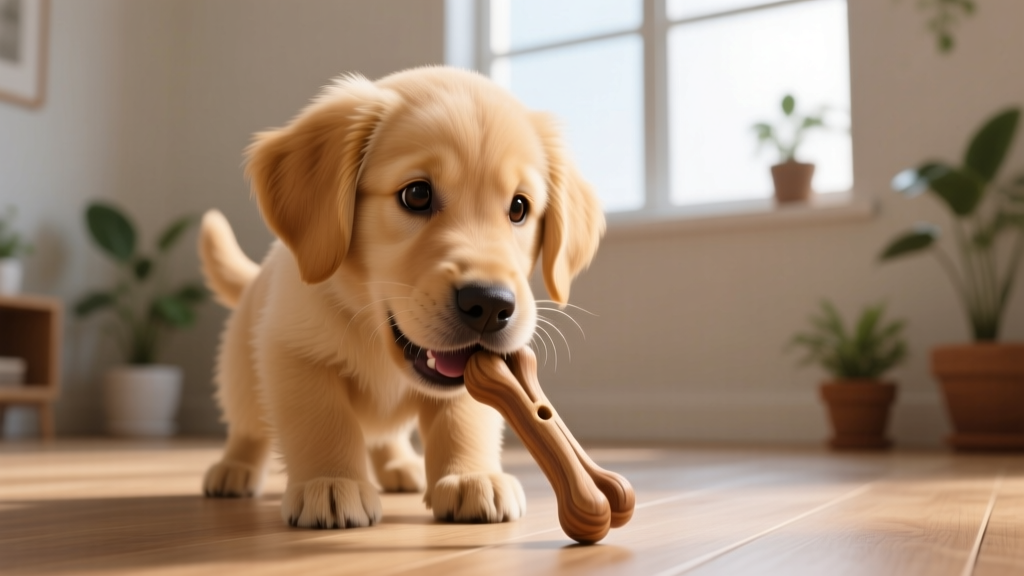
Pitbull Puppy Guide: Milestones, Feeding, Training & First-Year Costs
Complete pitbull puppy guide covering age milestones, feeding schedules, potty training, vaccinations, socialization, and first-year cost breakdown for new owners.

Bringing Home a Pitbull Puppy: What You Need to Know Before Day One
If you're preparing to raise a pitbull puppy — a term that typically refers to the American Pit Bull Terrier (APBT) and related breeds like the American Staffordshire Terrier, Staffordshire Bull Terrier, and American Bully — you're signing up for one of the most rewarding and physically demanding puppy-raising experiences in the dog world. These are stocky, powerful, intelligent dogs that mature into athletes weighing 30–85 lb (14–39 kg) depending on the specific breed line.
Pitbull-type puppies develop fast physically but mature slowly mentally. Most don't reach full emotional maturity until 2–3 years of age. That gap between physical power and impulse control is where most new owners run into trouble. This guide gives you a week-by-week, month-by-month roadmap so you know exactly what to expect — and what to do — at every stage.
When Should I Bring My Pitbull Puppy Home?
The ideal age to bring a pitbull puppy home is 8 to 10 weeks. Reputable breeders and responsible rescues will not release puppies before 8 weeks because the weeks 4–8 period is critical for littermate social development. During this window, puppies learn bite inhibition, social hierarchy, and canine communication from their mother and siblings.
Taking a pitbull puppy home before 8 weeks significantly increases the risk of behavioral problems later — especially inappropriate bite pressure and poor social skills with other dogs. Given the physical strength these dogs develop, solid bite inhibition learned in the litter is non-negotiable.
If you're adopting from a rescue that has puppies in foster homes, the foster caregiver can often provide detailed behavioral assessments that help you choose the right puppy for your household. A good breeder will have already begun early neurological stimulation (ENS) and early scent introduction (ESI) protocols during weeks 3–7.
Pitbull Puppy Age Milestones: Week-by-Week Expectations
Here's what to expect as your pitbull puppy grows through each developmental stage. These milestones are based on the APBT and American Staffordshire Terrier breed standards, with notes on variation across bully-type breeds.
Weeks 4–8: The Litter Learning Phase (With Breeder/Foster)
- Weight: 4–10 lb (1.8–4.5 kg) depending on breed line
- Key developments: Baby teeth fully erupted, learning bite inhibition from littermates, beginning to eat solid food (gruel → soft kibble), eyes and ears fully functional, startle reflex developing
- What the breeder should be doing: Introducing varied textures (grass, tile, carpet), novel sounds (vacuum, doorbell recordings), handling exercises (paw touching, ear handling, mouth opening), and first deworming at 2, 4, 6, and 8 weeks
- Your role: If visiting before pickup, handle the puppy gently for short sessions (5–10 minutes). Watch how the puppy recovers from being startled — confident recovery is a good temperament indicator.
Weeks 8–12: The Home Adjustment Window
- Weight: 8–18 lb (3.6–8.2 kg) — pitbull puppies gain roughly 1–2 lb per week during this phase
- Key developments: Fear imprint period begins (8–11 weeks). Experiences during this window have an outsized impact on lifelong temperament. Puppy will test boundaries, mouth everything, and have very short bladder control (30–60 minutes max while awake).
- Sleep needs: 18–20 hours per day. Overtired pitbull puppies become land sharks — biting intensifies when they need a nap.
- What you should be doing: Enforcing nap schedules in the crate, beginning name recognition, introducing collar/harness, starting potty training protocol (see below), and scheduling first vet visit within 48–72 hours of homecoming.
Weeks 12–16: The Confidence-Building Stage
- Weight: 15–30 lb (6.8–13.6 kg)
- Key developments: Second fear period may begin around 12 weeks. Puppy is more mobile, more curious, and more likely to get into trouble. Bladder control extends to 2–3 hours. Baby teeth may start loosening.
- Training readiness: This is the prime window for learning basic cues (sit, down, come, touch). Pitbull-type puppies are highly food-motivated and respond exceptionally well to marker-based positive reinforcement training.
- What you should be doing: Enrolling in a force-free puppy kindergarten class (ideally one that requires proof of vaccination), practicing short training sessions (3–5 minutes, 3–4 times daily), and continuing structured socialization.
Weeks 16–24: The Adolescent Transition
- Weight: 25–45 lb (11.3–20.4 kg)
- Key developments: Adult teeth fully in by 6–7 months. Sexual maturity begins (spay/neuter discussion with your vet should happen now). Energy levels surge. Attention span improves but distraction sensitivity increases. Some puppies experience a third fear period around 6 months.
- Physical changes: Chest begins to widen, head broadens (especially in males), muscle definition increases. Your puppy will start to look less like a puppy and more like a compact athlete.
- What you should be doing: Increasing physical exercise to 30–45 minutes of structured activity per day (leash walks, flirt pole, swimming), advancing training to include duration and distance, and beginning leash manners work before pulling habits solidify.
Months 6–12: The Teenage Phase
- Weight: 35–65 lb (15.9–29.5 kg) — males typically larger; breed-line variation is significant
- Key developments: This is where many pitbull owners report their puppy "forgot everything." Regression in training is normal during adolescence (6–18 months). Hormonal changes, if intact, drive roaming and same-sex aggression tendencies. Bone growth plates are still open — avoid forced running, jumping from heights, or repetitive high-impact exercise.
- What you should be doing: Maintaining training consistency (do NOT stop classes during regression), providing mental enrichment (food puzzles, scent work, training games), and scheduling spay/neuter if recommended by your veterinarian. Most veterinary behaviorists recommend waiting until at least 6 months, with some advocating for 9–12 months for pitbull-type breeds to allow growth plate closure.
Pitbull Puppy Feeding Schedule: Portions by Age and Weight
Pitbull-type puppies are prone to two opposing nutritional problems: underfeeding during rapid growth phases and overfeeding, which accelerates growth rate and stresses developing joints. Your goal is a steady, moderate growth curve — not maximum size.
Feed a food that meets AAFCO nutritional standards for growth (look for the AAFCO statement on the bag: "This product is formulated to meet the nutritional levels established by the AAFCO Dog Food Nutrient Profiles for growth"). For large-breed lines expected to exceed 50 lb (23 kg) at maturity, choose a large-breed puppy formula, which restricts calcium and phosphorus to protect developing bones.
| Age | Estimated Weight | Meals Per Day | Daily Portion (Dry Kibble) | Notes |
|---|---|---|---|---|
| 8–12 weeks | 8–18 lb (3.6–8.2 kg) | 3–4 | 1–1.5 cups (split across meals) | Moisten kibble with warm water if puppy struggles with hard pieces |
| 3–4 months | 15–25 lb (6.8–11.3 kg) | 3 | 1.5–2 cups | Transition to dry kibble; monitor body condition score (BCS) weekly |
| 4–6 months | 25–40 lb (11.3–18.1 kg) | 2–3 | 2–2.75 cups | Drop to 2 meals/day at 6 months; adjust based on BCS, not bag guidelines |
| 6–9 months | 35–55 lb (15.9–24.9 kg) | 2 | 2.5–3.5 cups | Consider large-breed formula if expected adult weight exceeds 50 lb |
| 9–12 months | 40–65 lb (18.1–29.5 kg) | 2 | 2.75–4 cups | Begin transition to adult food around 12 months (or 18 months for larger lines) |
Critical note on portions: Cup measurements vary significantly by kibble brand and caloric density. A cup of Orijen Puppy contains roughly 428 kcal, while a cup of Purina Pro Plan Puppy contains about 419 kcal. Always calculate portions based on your puppy's target daily caloric intake (your vet can calculate resting energy requirement using the formula: RER = 70 × (body weight in kg)^0.75, then multiply by 2.0–2.5 for growing puppies) rather than relying solely on the bag's feeding chart.
Body Condition Score (BCS) check: You should be able to feel your pitbull puppy's ribs without pressing hard, and see a visible waist when viewed from above. A BCS of 4–5 on a 9-point scale is ideal for growing puppies. Slightly lean is better than slightly overweight during growth.
Potty Training Your Pitbull Puppy: Realistic Timeline and Troubleshooting
Let's set expectations immediately: most pitbull puppies are not reliably house-trained until 4–6 months of age. Some achieve reliability by 4 months; others take until 8 months. Any guide promising full potty training in days or weeks is misleading you.
Pitbull-type puppies are physically robust and eager to please, which works in your favor. But their bladder capacity is small, and their impulse control is still developing. Success depends on management — preventing accidents before they happen — not punishment after the fact.
Bladder Capacity by Age
- 8–10 weeks: 30–45 minutes while awake, 1–2 hours while sleeping
- 10–12 weeks: 45–60 minutes while awake, 2–3 hours while sleeping
- 3–4 months: 1–2 hours while awake, 3–4 hours while sleeping
- 4–6 months: 2–3 hours while awake, 5–6 hours while sleeping
- 6+ months: 3–4 hours while awake, 6–8 hours while sleeping
The Potty Training Protocol
Take your puppy to the designated potty spot (outdoors, same location each time):
- Immediately upon waking from a nap or crate rest
- Within 5–10 minutes after every meal
- After every play session or period of high excitement
- After drinking a large amount of water
- Before being placed in the crate
- On a schedule every 30–60 minutes during active hours (set a timer)
When your puppy eliminates in the correct spot, mark the behavior with a verbal marker ("Yes!") the moment they finish, then deliver a high-value treat (small piece of chicken, cheese, or commercial training treat) within 1–2 seconds. Do not wait until you're back inside — the timing of the reward must be immediate.
Common Potty Training Problems and Solutions
| Problem | Likely Cause | Solution |
|---|---|---|
| Frequent small accidents indoors | Not going out often enough; puppy not fully emptying bladder outside | Increase outing frequency by 15–20 minutes; wait outside for 5+ minutes to allow full void; reward generously |
| Accidents in crate | Crate too large (puppy eliminates in one corner, sleeps in another); medical issue (UTI) | Resize crate using a divider so puppy can stand, turn, and lie down but no more; rule out UTI with vet visit |
| Submissive/excited urination when greeting | Normal developmental behavior in puppies under 6 months | Ignore puppy for first 2–3 minutes upon entering; greet calmly at puppy's level outdoors; never punish — this worsens the behavior |
| Regression after initial success | Normal during developmental transitions (4 months, 6 months); schedule changes; stress | Return to 8-week frequency protocol for 1–2 weeks; identify and address stressor; consult vet if accompanied by increased thirst or straining |
Socialization Window: The Most Critical 12 Weeks of Your Pitbull Puppy's Life
The primary socialization period for all dogs closes between 12 and 14 weeks of age (AVMA). After this window, unfamiliar stimuli are more likely to trigger fear responses rather than curiosity. For pitbull-type breeds, this window is especially important because:
- Adult pitbulls are powerful dogs — fear-based reactivity in a 60-lb dog is harder to manage than in a 15-lb dog.
- Breed stigma means your dog will encounter nervous people and reactive dogs regularly. A well-socialized pitbull handles these encounters with confidence rather than defensive arousal.
- Same-sex aggression tendencies in some pitbull lines can be mitigated (not eliminated) through early positive exposure to stable, vaccinated dogs of the same sex.
Socialization Exposure Checklist (Weeks 8–14)
Each item below should be experienced as a positive, low-pressure encounter — your puppy should be relaxed, curious, or neutral. If your puppy shows fear (cowering, tail tucking, refusal to take treats), increase distance from the stimulus and let them observe from a safe vantage point. Never force exposure.
Important vaccination constraint: Until your puppy has completed their DHPP series (typically at 16 weeks), avoid high-risk environments like dog parks, pet store floors, and areas with unknown dog traffic. You can still socialize extensively by carrying your puppy, using a sling or stroller, visiting friends' homes with known-vaccinated dogs, and attending structured puppy classes that require vaccination proof. The AVMA and the American Veterinary Society of Animal Behavior (AVSAB) both recommend that socialization begin before full vaccination is complete, with appropriate risk management.
Vaccination Schedule: What Your Pitbull Puppy Needs and When
Your veterinarian will customize a vaccination protocol based on your puppy's health status, local disease prevalence, and lifestyle. The schedule below represents the standard protocol recommended by the AKC and most veterinary practices. Always defer to your vet's specific recommendations.
| Age | Vaccine(s) | Type | Notes |
|---|---|---|---|
| 6–8 weeks | DHPP (Distemper, Hepatitis/Adenovirus, Parainfluenza, Parvovirus) | Core | Often administered by breeder/rescue; if not, schedule immediately upon pickup |
| 10–12 weeks | DHPP booster + Bordetella (optional, recommended if attending puppy classes) | Core + Non-core | Bordetella is intranasal or injectable; some vets also recommend Leptospirosis at this stage |
| 14–16 weeks | DHPP booster + Rabies (required by law in most US states) | Core | Rabies is typically given at 12–16 weeks depending on state law; this is the final DHPP in the puppy series |
| 12–16 months | DHPP booster + Rabies booster (1-year or 3-year, per local law) | Core | After this, DHPP and Rabies are typically boostered every 1–3 years depending on product and jurisdiction |
Non-core vaccines to discuss with your vet based on lifestyle:
- Leptospirosis: Recommended if your puppy will have access to standing water, wooded areas, or areas with wildlife/rodent exposure. Increasingly common in urban environments.
- Lyme disease: Recommended in tick-endemic regions (Northeast, Upper Midwest, Pacific Northwest).
- Canine influenza (H3N2/H3N8): Recommended if your puppy will attend daycare, boarding, or frequent group training classes.
Teething Timeline: Surviving Months 3–6
Pitbull puppies have 28 deciduous (baby) teeth that begin erupting around 3–4 weeks and are fully in by 6–8 weeks. These are needle-sharp — and when they start falling out to make room for 42 adult teeth, the chewing intensifies dramatically.
Teething Milestones
- 3–4 months: Incisors begin loosening. You may find tiny teeth on the floor or notice small amounts of blood on chew toys. This is normal.
- 4–5 months: Canines and premolars begin shedding. Chewing behavior peaks. Your puppy will seek relief by gnawing on everything — shoes, furniture edges, baseboards, your hands.
- 5–6 months: Most baby teeth have fallen out. Adult molars erupting. Some puppies retain baby teeth (especially canines) — if a baby tooth hasn't fallen out by 7 months and the adult tooth is visible beside it, your vet should extract the retained tooth to prevent malocclusion.
- 6–7 months: All 42 adult teeth should be fully erupted. Schedule a dental check at your next vet visit to confirm.
Safe Chew Recommendations for Teething Pitbull Puppies
Pitbull puppies have exceptionally strong jaw muscles even at 3–4 months. Choose chews that are durable enough to withstand serious chewing but not so hard that they risk tooth fractures.
- Kong Classic (red rubber, puppy size): Fill with a mixture of plain yogurt, mashed banana, and kibble, then freeze. Provides 15–30 minutes of soothing relief. Size up to Medium (red) by 4 months.
- Benebone Puppy Wishbone: Nylon chew flavored with real bacon or chicken. Designed for puppies under 6 months — softer than the adult version. Replace when significantly worn.
- Frozen wet washcloth: Soak a clean washcloth in water (or low-sodium chicken broth), twist into a rope, and freeze. Supervise use — remove once the puppy starts tearing pieces off.
- Bully sticks (6-inch, thin): Single-ingredient, fully digestible. Supervise all use and remove when the stick is small enough to swallow whole (about 2 inches remaining). Limit to 1 per day due to caloric density (~80–100 kcal per stick).
Crate Training Progression: Building a Safe Space
A crate is essential for potty training management, preventing destructive chewing when unsupervised, and giving your pitbull puppy a safe retreat. For a breed that will grow to 30–85 lb, invest in a 36-inch or 42-inch wire crate (MidWest iCrate or similar) with a divider panel so you can adjust the space as your puppy grows.
Crate Time Limits by Age
| Age | Maximum Continuous Crate Time (Daytime) | Maximum Overnight Crate Time | Notes |
|---|---|---|---|
| 8–10 weeks | 30–60 minutes | 3–4 hours (expect 1–2 nighttime potty breaks) | Crate should be near your bed for overnight reassurance |
| 10–12 weeks | 1–2 hours | 4–5 hours (1 nighttime potty break) | Begin moving crate to permanent location if desired |
| 3–4 months | 2–3 hours | 5–6 hours (may sleep through without a break) | Introduce a stuffed Kong when crating to build positive association |
| 4–6 months | 3–4 hours | 6–7 hours | If puppy whines after previously sleeping through, rule out need to eliminate before assuming protest |
| 6+ months | 4–5 hours | 7–8 hours | Maximum recommended daytime crating for any adult dog is 6 hours — arrange midday breaks for longer absences |
Crate Training Steps
- Days 1–3: Leave crate door open. Toss treats inside. Feed meals near the crate, then inside the crate with the door open. Never use the crate as punishment.
- Days 4–7: Close the door during meals. Open immediately when puppy finishes. Add a verbal cue ("crate" or "kennel") as puppy enters.
- Week 2: Close door after meals for 5–10 minutes while you sit nearby. Gradually increase duration.
- Week 3: Begin leaving the room for short periods (1–5 minutes) while puppy is crated. Return before puppy becomes distressed.
- Week 4+: Extend absences gradually. If puppy whines or barks, wait for a brief moment of silence before releasing (do not release during active distress — this reinforces the vocalization).
Common Pitbull Puppy Problems and Solutions
Problem 1: Excessive Biting and Mouthing
Pitbull puppies are mouthy dogs. Their breed heritage includes tenacity and a strong grip drive, which means mouthing behavior is more intense and persistent than in many other breeds. This is normal developmental behavior — it is not aggression.
Solution:
- Redirect every bite to an appropriate chew toy. When puppy mouths your hand, say "Oops!" in a neutral tone, withdraw your hand, and offer a toy. Praise enthusiastically when they chew the toy.
- If biting continues after redirection, implement a brief timeout: calmly leave the area for 15–30 seconds (step behind a baby gate). Return and resume interaction. This teaches that biting ends play.
- Ensure your puppy is getting adequate sleep. Overtired pitbull puppies bite more — enforce 1–2 hour nap periods in the crate every 2–3 hours during the day.
- Provide appropriate outlets for jaw exercise: tug toys (with rules — "drop it" on cue), frozen Kongs, and structured chew sessions.
Problem 2: Whining and Crying in the Crate
Solution:
- Rule out a potty need first. If your puppy was recently outside and is still whining, it's likely protest or anxiety, not a bladder issue.
- Cover the crate with a breathable blanket to reduce visual stimulation.
- Place a worn t-shirt with your scent in the crate.
- Use white noise or calm music (Through a Dog's Ear, available on streaming platforms) to mask household sounds.
- Do NOT let the puppy out while actively whining (unless you suspect a potty emergency). Wait for 3–5 seconds of quiet, then release.
Problem 3: Destructive Chewing
Pitbull puppies are powerful chewers with high persistence. A bored or under-exercised pitbull puppy will demolish baseboards, furniture legs, and shoes within minutes.
Solution:
- Manage the environment: use baby gates to restrict access, keep shoes in closed closets, and use bitter apple spray on furniture edges as a deterrent.
- Provide 3–5 appropriate chew options rotated weekly to maintain novelty.
- Increase mental stimulation: 10 minutes of training or nose work tires a puppy more than 30 minutes of physical exercise.
- Never leave a pitbull puppy unsupervised in an un-proofed room. Use the crate, an exercise pen, or a puppy-proofed room when you can't actively watch them.
First-Year Cost Breakdown: Budgeting for Your Pitbull Puppy
Raising a pitbull puppy is a significant financial commitment. Below is a realistic breakdown of first-year costs based on 2025–2026 US pricing. Costs vary by region, vet clinic, and the specific products you choose.
| Category | Items | Estimated Cost Range |
|---|---|---|
| Veterinary Care | Initial exam, DHPP series (3 visits), Rabies vaccine, Bordetella, fecal tests, deworming, heartworm prevention (12 months), flea/tick prevention (12 months) | $500–$900 |
| Spay/Neuter | Surgical sterilization (varies by sex, weight, and clinic; low-cost clinics may be available) | $200–$600 |
| Food | High-quality puppy food (12 months) + treats for training | $400–$700 |
| Supplies (Initial) | Crate (36–42"), exercise pen, collar, harness (front-clip recommended for leash training), leash (6-foot, not retractable), food/water bowls, bed, grooming brush, nail clippers, enzymatic cleaner | $250–$500 |
| Chew Toys & Enrichment | Kong toys (3–4), Benebone, tug toys, puzzle feeders, bully sticks, training treats | $150–$300 |
| Training | Puppy kindergarten class (6–8 weeks) + basic manners class (6–8 weeks) | $200–$500 |
| Microchip & Licensing | Microchip implantation + annual dog license (where required) | $50–$100 |
| Pet Insurance | Accident + illness policy (monthly premium × 12; recommended for pitbull-type breeds due to skin/allergy predispositions) | $480–$840 ($40–$70/month) |
| Emergency Fund | Set aside for unexpected illness, foreign body ingestion, or injury | $500–$1,000 (savings target) |
| Total Estimated First-Year Cost | $2,730–$5,340 | |
Cost-saving tips: Look for low-cost vaccination clinics through your local humane society or ASPCA partner clinic. Many municipalities offer free or discounted microchipping events. For spay/neuter, check if your city has a subsidized program — some cities offer pitbull-type breed sterilization at reduced rates to combat overpopulation.
Frequently Asked Questions
When can my pitbull puppy go outside and meet other dogs?
Your puppy can go outside in your own yard (if it's a private, fenced area with no unknown dog traffic) from day one. For public spaces, carry your puppy or use a stroller until the DHPP series is complete at 16 weeks. Structured puppy classes that require vaccination proof are generally safe from 10–12 weeks onward (after the first DHPP and Bordetella). Dog parks should be avoided until at least 2 weeks after the final DHPP booster at 16 weeks, and even then, choose low-traffic times and closely supervise interactions.
How do I stop my pitbull puppy from biting and nipping?
Redirect every bite to an appropriate toy, implement 15–30 second timeouts when biting persists, and enforce nap schedules (overtired puppies bite more). Expect mouthing to decrease significantly by 5–6 months as adult teeth come in and impulse control develops. If biting is intense, breaks skin regularly, or is accompanied by stiff body posture and growling over resources, consult a certified professional dog trainer (CPDT-KA) or veterinary behaviorist — these may indicate resource guarding or other behavioral concerns that benefit from early professional intervention.
How often should I feed my pitbull puppy at each age?
Feed 3–4 meals per day from 8–12 weeks, 3 meals per day from 3–4 months, and transition to 2 meals per day at around 6 months. Consistent meal timing (same hours each day) supports potty training predictability because puppies typically need to eliminate 5–30 minutes after eating.
When will my pitbull puppy be fully potty trained?
Most pitbull puppies achieve reliable house training between 4 and 6 months of age, provided you maintain a consistent schedule and management protocol. Some puppies, particularly males, may have occasional accidents until 8–9 months. If accidents persist beyond 6 months despite consistent training, consult your veterinarian to rule out medical causes such as urinary tract infections, ectopic ureters, or diabetes insipidus.
What vaccines does my pitbull puppy need and when?
Core vaccines include the DHPP series (given at 6–8, 10–12, and 14–16 weeks) and Rabies (given at 12–16 weeks, per state law). Non-core vaccines to discuss with your vet include Bordetella (recommended for puppies attending group classes), Leptospirosis (recommended for outdoor/wooded-area exposure), Lyme disease (tick-endemic regions), and Canine Influenza (daycare/boarding environments). See the vaccination table above for the complete schedule.
Should I get pet insurance for my pitbull puppy?
Yes — pitbull-type breeds are predisposed to several conditions that can be costly to treat, including skin allergies and atopic dermatitis (affecting an estimated 30%+ of APBTs), hip dysplasia, demodectic mange, and cruciate ligament injuries. Enrolling at 8–10 weeks, before any conditions are diagnosed, ensures coverage for these breed-associated conditions. Compare providers that do not exclude pitbull-type breeds (some insurers have breed-specific exclusions) — providers like Trupanian, Healthy Paws, and Lemonade typically cover pitbulls without breed restrictions.
Tom Renshaw
All our authors care for dogs every day — read more of their work on the authors page.