Pembrokeshire Corgi Puppy: Week-by-Week Care & Training Guide
Complete Pembrokeshire Corgi puppy guide covering milestones, feeding, potty training, vaccinations, socialization, and first-year costs.

Bringing home a Pembrokeshire Corgi puppy means preparing for one of the most spirited, intelligent, and strong-willed companions in the herding world. Corgis are not passive lap dogs — even at eight weeks old, they're assessing their environment, testing boundaries, and learning at a staggering pace. This guide maps out exactly what to expect from week 4 through month 12, with breed-specific strategies that account for the Corgi's herding instincts, food motivation, long spine, and big-dog attitude in a compact frame.
When to Bring Your Pembrokeshire Corgi Puppy Home
Responsible Pembrokeshire Corgi breeders typically release puppies between 8 and 10 weeks of age. While some states legally permit sales at 6 weeks, the American Kennel Club recommends waiting until at least 8 weeks, and many experienced Corgi breeders prefer 10 weeks. Here's why the extra two weeks matter for this breed specifically:
- Bite inhibition: Corgis are mouthy herding dogs. Weeks 6–8 with littermates teach critical bite suppression that you'd otherwise spend months correcting at home.
- Confidence building: Pembrokeshire Corgis can develop cautious or reactive tendencies if separated from their dam too early. The mother continues modeling calm behavior through week 9.
- First vaccinations: A puppy leaving at 8 weeks should have received their first DHPP shot (typically given at 6–8 weeks). A 10-week departure means they may also have their second round started.
Week-by-Week Milestones: What to Expect
Weeks 4–8 (Still with Breeder)
During this period, your Pembrokeshire Corgi puppy is undergoing rapid neurological development. The breeder should be implementing Early Neurological Stimulation (ENS) exercises and beginning socialization with novel surfaces, sounds, and gentle handling. By week 6, puppies should be eating gruel or softened kibble and showing interest in exploring beyond the whelping box. Ask your breeder for documentation of deworming (typically at 2, 4, 6, and 8 weeks) and a record of early exposures.
Weeks 8–12 (The Adjustment Window)
This is your critical bonding and baseline-training period. Expect:
- Sleep: 18–20 hours per day — Corgi puppies crash hard after stimulation
- Attention span: 3–5 minutes maximum for training sessions
- Biting/nipping: Peak herding instinct expression — they WILL grab ankles and pant legs
- House accidents: Every 1–2 hours; this is normal, not failure
- Fear periods: A developmental fear imprint period occurs around 8–11 weeks; avoid traumatic experiences
Weeks 12–16 (Building Foundations)
Your Corgi puppy's personality is emerging. You'll see:
- Improved bladder control (can hold 2–3 hours during the day)
- Understanding of basic cues: sit, name recognition, touch/target
- Testing behaviors: ignoring known cues, mouthing harder, resource guarding food or toys
- Teething discomfort begins (baby teeth loosening around 12–14 weeks)
Weeks 16–24 (The Adolescent Shift)
This is where many first-time Corgi owners feel overwhelmed. Adolescent Corgis are physically capable but emotionally inconsistent. Expect selective hearing on recall, renewed chewing phases, and the onset of herding behaviors directed at children, bicycles, or other pets. Consistency in training pays compounding dividends here.
Months 6–12 (Approaching Maturity)
Physical growth slows around 9–10 months (most Pembrokeshire Corgis reach adult height by 12 months, though they continue filling out until 18–24 months). Discuss spay/neuter timing with your veterinarian — many vets now recommend waiting until 9–12 months for small-to-medium breeds to allow growth plate closure. Continue advanced socialization and impulse-control work.
Feeding Schedule: Portions by Age and Weight
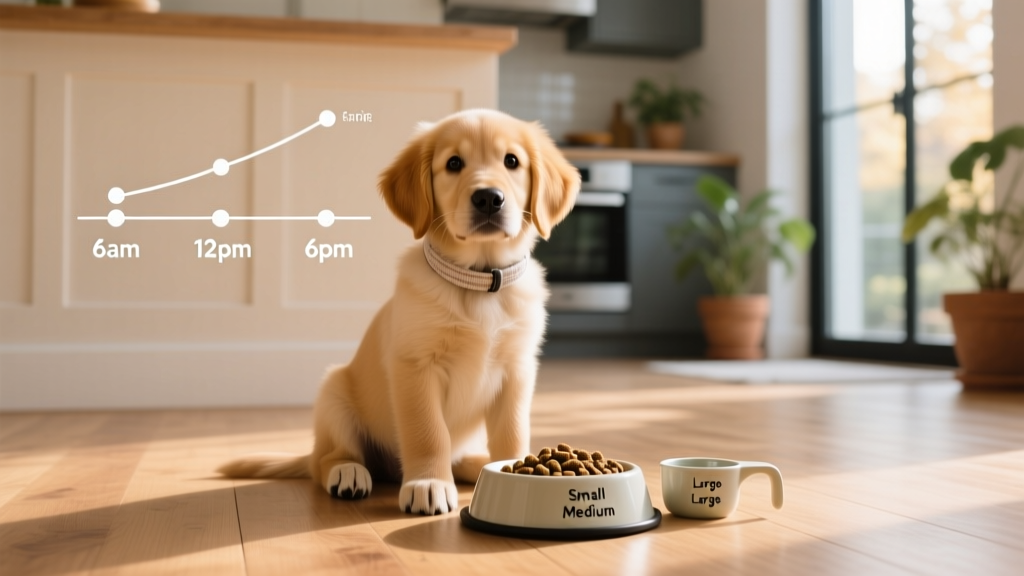
Pembrokeshire Corgis are prone to obesity, and excess weight directly stresses their long backs and short limbs. The Merck Veterinary Manual emphasizes that controlled growth feeding reduces the risk of orthopedic conditions. Feed a high-quality, AAFCO-certified puppy food formulated for small-to-medium breeds — avoid large-breed formulas (unnecessary for Corgis) and grain-free diets unless your vet recommends one due to confirmed allergy.
| Age | Typical Weight (lb/kg) | Daily Amount (cups) | Meals Per Day |
|---|---|---|---|
| 8–12 weeks | 8–14 lb / 3.6–6.4 kg | ¾ – 1 cup | 3–4 meals |
| 3–6 months | 14–22 lb / 6.4–10 kg | 1 – 1½ cups | 3 meals |
| 6–9 months | 20–26 lb / 9–11.8 kg | 1¼ – 1¾ cups | 2 meals |
| 9–12 months | 24–30 lb / 10.9–13.6 kg | 1½ – 2 cups | 2 meals |
Important: These are starting guidelines based on average kibble caloric density (~350–400 kcal/cup). Always adjust based on your individual puppy's body condition score (BCS). You should be able to feel ribs without pressing hard, and your puppy should have a visible waist when viewed from above. Consult your veterinarian to fine-tune portions — individual metabolism varies significantly.
Vaccination Schedule for Your Corgi Puppy
Your Pembrokeshire Corgi puppy's immune system is developing, and maternal antibodies wane unpredictably between 6 and 16 weeks. The American Veterinary Medical Association endorses the AAHA canine vaccination guidelines, which recommend serial puppy vaccinations to ensure protection regardless of when maternal antibodies drop.
| Age | Vaccines Administered | Notes |
|---|---|---|
| 6–8 weeks | DHPP (Distemper, Hepatitis, Parainfluenza, Parvovirus) — 1st dose | Usually given by breeder; verify records |
| 10–12 weeks | DHPP — 2nd dose; Bordetella (intranasal or injectable) | Required before group puppy classes |
| 14–16 weeks | DHPP — 3rd dose; Rabies (legally required, varies by state) | Final DHPP booster; some vets add Leptospirosis |
| 12–16 months | DHPP booster; Rabies booster; Bordetella (annual) | Transition to adult vaccination schedule |
Socialization Window: The Critical 3–14 Week Period
Canine behavioral science has established that the primary socialization window closes between 12 and 14 weeks of age. After this period, novel stimuli are more likely to trigger fear responses rather than curiosity. For Pembrokeshire Corgis — a breed prone to wariness with strangers and reactivity toward other dogs if under-socialized — this window is non-negotiable. The goal is positive exposure to 100+ novel experiences before week 14, prioritizing quality over quantity.
Corgi Puppy Socialization Checklist
| Category | Exposures to Provide (Before 14 Weeks) |
|---|---|
| People | Men with beards, children (supervised), people in hats/sunglasses, delivery workers, people using canes or wheelchairs, people of different ethnicities |
| Surfaces | Gravel, wet grass, metal grates, carpet, tile, sand, ramps/steps (low height for Corgi spine safety) |
| Sounds | Vacuum cleaner (at distance), thunderstorm recordings (low volume), doorbell, car engines, clapping, fireworks audio (desensitization protocol) |
| Handling | Paw touching, ear inspection, mouth opening, nail clipping practice, being held on side (grooming prep), harness/collar introduction |
| Animals | Fully vaccinated friendly dogs (1-on-1), cats (if in household), livestock at distance (Corgis are herders — early neutral exposure prevents chasing) |
| Environments | Car rides (short trips to fun destinations), outdoor café patios (carried if unvaccinated), vet clinic (happy visits, no procedures), elevator rides |
Method: Pair every new experience with high-value treats (small pieces of boiled chicken, freeze-dried liver, or string cheese). If your puppy shows fear, increase distance, lower intensity, and let them approach at their own pace. Never force a Corgi puppy into a frightening situation — flooding creates lasting phobias.
Potty Training Timeline and Troubleshooting
Realistic expectation: most Pembrokeshire Corgi puppies achieve reliable house training between 4 and 6 months of age, with occasional accidents possible until 8–9 months. Corgis are intelligent and can learn the concept quickly, but their small bladders and high metabolism mean physical capacity limits them for months.
Bladder Capacity Rule of Thumb
A puppy can typically hold their bladder for their age in months plus one hour during the day. So a 3-month-old Corgi can manage roughly 4 hours maximum — but you should take them out far more frequently (every 1–2 hours) to prevent accidents and reinforce the correct behavior.
Corgi-Specific Potty Training Strategies
- Use a consistent door and cue word: "Go potty" or "Do your business" — Corgis learn verbal cues quickly and will eventually signal by going to the door.
- Supervise or confine: When not in their crate or playpen, your puppy should be within eyesight at all times. Corgis are sneaky — they'll find a corner behind furniture.
- Reward immediately outdoors: Treat within 2 seconds of finishing, not after coming back inside. Use a treat they LOVE, reserved only for potty success.
- Clean accidents with enzymatic cleaner: Standard cleaners leave uric acid residue that draws puppies back to the same spot. Use products like Nature's Miracle or Rocco & Roxie.
- Nighttime protocol (8–12 weeks): Set an alarm for one overnight potty break (around 2–3 AM). Crate the puppy in your bedroom so you hear stirring.
Teething Timeline and Safe Chew Strategies
Corgi puppies begin teething around 3–4 months when their 28 baby teeth start loosening to make way for 42 adult teeth. The process typically concludes by 6–7 months. During this period, expect increased chewing, drooling, mild gum bleeding, and temporary reluctance to eat hard kibble.
Safe Chew Recommendations by Stage
- 3–4 months (early teething): Frozen damp washcloth (twisted into rope), rubber KONG Puppy (pink/blue, sized for small breeds) stuffed with soaked kibble and frozen, Benebone Puppy (wishbone shape, bacon-flavored)
- 4–5 months (peak discomfort): Nylabone Puppy Chew (softer formula), frozen carrot sticks (supervised), West Paw Zogoflex Toppl (interactive, freezable)
- 5–7 months (adult teeth erupting): Transition to medium-firm chews; avoid antlers, hooves, and weight-bearing bones from large animals (fracture risk for developing teeth)
Protect your belongings: Corgis are notoriously enthusiastic chewers. Use bitter apple spray on furniture legs and baseboards, provide 8–10 approved chew options rotated weekly to maintain novelty, and redirect every inappropriate chew to an approved alternative with enthusiastic praise.
Crate Training Progression and Time Limits
A crate is essential for your Pembrokeshire Corgi puppy's safety, house training success, and management when unsupervised. Corgis generally adapt well to crates because they're den-seeking dogs, but the introduction must be gradual and positive.
| Age | Maximum Crate Time (Day) | Maximum Crate Time (Night) | Recommended Crate Size |
|---|---|---|---|
| 8–10 weeks | 1–2 hours | 4–5 hours (with one potty break) | 24"L × 18"W × 21"H (with divider) |
| 11–14 weeks | 2–3 hours | 6–7 hours | Same, adjust divider |
| 3–6 months | 3–4 hours | 7–8 hours | 30"L × 19"W × 24"H (adult size) |
| 6+ months | 4–5 hours maximum | 8 hours | 30" or 36" depending on adult size |
Crate training method: Feed all meals in the crate with the door open for the first week. Progress to closing the door during meals, then adding 1-minute absences while the puppy eats. Build duration in 5-minute increments. Never use the crate as punishment — it must remain a positive sanctuary. A snuggle puppy heartbeat toy or a Kong filled with frozen peanut butter can ease early separation anxiety.
Common Pembrokeshire Corgi Puppy Problems and Solutions
Biting, Nipping, and Ankle Herding
This is the number one complaint from new Corgi puppy owners, and it's rooted in 1,000+ years of herding instinct. Corgis were bred to nip cattle heels — your ankles are the same height. Solutions:
- Redirect to toys: Always have a tug toy or chew within reach. When puppy mouths skin, say "Oops!" calmly, withdraw attention for 5 seconds, then offer the toy.
- Reverse time-outs: YOU leave the room for 10–15 seconds when bitten. This teaches that teeth on skin makes the fun stop. Consistency from all household members is critical.
- Manage the environment: Wear closed-toe shoes indoors during the peak biting phase (8–16 weeks). Keep a long tug toy dragging nearby for instant redirection.
- Never use physical punishment: Alpha rolls, muzzle grabbing, or hitting escalate biting in herding breeds and damage trust. Positive reinforcement and management work reliably.
Whining and Crying (Especially at Night)
Expect 3–7 nights of vocalization when your puppy first comes home. Strategies:
- Place the crate next to your bed for the first 2 weeks so your puppy can smell and hear you
- Use a ticking clock or heartbeat toy to simulate littermate presence
- Take a potty break if whining persists more than 15 minutes (puppies this age genuinely need to go), then return to crate without play or extended attention
- Do not release from the crate during crying — wait for 3 seconds of silence first, even if you have to wait it out
Destructive Chewing
Corgis have powerful jaws for their size and will demolish baseboards, remote controls, and shoes if left unsupervised. Prevention: crate or playpen confinement when you cannot actively supervise, provide 2–3x more approved chews than you think necessary, and rotate toys weekly. Bitter sprays on forbidden items help but are not a substitute for management.
First-Year Cost Breakdown
Budgeting accurately prevents surprises. Below are realistic 2026 cost ranges for a Pembrokeshire Corgi puppy's first year in the United States. Costs vary by region — urban areas (NYC, SF, LA) trend toward the high end, while rural and midwestern areas trend lower.
| Category | Estimated Cost | Details |
|---|---|---|
| Puppy purchase | $2,000 – $4,500 | Reputable AKC breeder with health testing (OFA hips, DM genetic test, eye clearance); rescue adoption $300–$600 |
| Veterinary (wellness) | $600 – $1,200 | Puppy vaccine series, spay/neuter ($300–$700), fecal tests, heartworm prevention, microchip |
| Food | $400 – $700 | Quality puppy food transitioning to adult food at 10–12 months; treats included |
| Supplies | $400 – $800 | Crate, playpen, harness (front-clip recommended), leash, bed, bowls, grooming tools, enzymatic cleaner, chew toys, puzzle feeders |
| Training | $200 – $600 | Group puppy class ($150–$250 for 6-week course); optional private sessions for herding behaviors |
| Pet insurance | $360 – $600 | Monthly premium $30–$50; Corgis are prone to IVDD and hip dysplasia — insurance is strongly recommended |
| Total first year | $3,960 – $8,400 | Excluding puppy purchase price; emergency vet visits not included |
Frequently Asked Questions
How do I stop my Corgi puppy from biting and nipping?
Combine management (wearing shoes, keeping tug toys accessible), redirection (offer approved chew when puppy mouths skin), and consequence (withdraw attention for 10–15 seconds). All household members must respond identically. Expect improvement by 16–20 weeks as adult teeth erupt and puppy learns bite inhibition through consistent feedback. If biting intensifies after 5 months or involves growling and hard biting, consult a certified positive-reinforcement trainer.
How often should I feed my Corgi puppy?
Feed 3–4 meals daily from 8–12 weeks, reduce to 3 meals from 3–6 months, and transition to 2 meals per day from 6 months onward. Consistent meal timing (e.g., 7 AM, 12 PM, 5 PM) supports predictable potty scheduling and helps monitor appetite as a health indicator. Free-feeding (leaving food out all day) is strongly discouraged with Corgis due to their tendency toward overeating and obesity.
When will my Corgi puppy be fully potty trained?
Most Pembrokeshire Corgi puppies achieve reliable house training between 4 and 6 months, with occasional accidents possible through 8–9 months, especially during excitement or routine changes. Males may take slightly longer than females. If accidents increase after initial success, rule out urinary tract infection with your veterinarian before assuming it's behavioral.
What vaccines does my Corgi puppy need and when?
Core vaccines follow a series: DHPP at 6–8 weeks, 10–12 weeks, and 14–16 weeks, with a booster at 12–16 months. Rabies is legally required and typically given at 14–16 weeks (timing varies by state). Bordetella is recommended before group classes. Your veterinarian may also recommend Leptospirosis or Lyme disease vaccines based on your geographic area and lifestyle exposure.
When can my puppy meet other dogs and go to public places?
After the final DHPP booster at 14–16 weeks (plus 5–7 days for full immunity), your puppy can safely visit dog parks, attend group classes, and walk on public sidewalks. Before that, carry your puppy for exposure to new environments and arrange controlled playdates with known, fully vaccinated dogs in private settings. The socialization window closes around 14 weeks, so don't wait until full vaccination to begin safe socialization — balance disease risk with behavioral development by consulting your veterinarian.
This guide provides general educational information about Pembrokeshire Corgi puppy care. Always consult your veterinarian for individualized health advice, vaccination protocols, and nutritional guidance specific to your puppy.
Marcus Aldridge
All our authors care for dogs every day — read more of their work on the authors page.