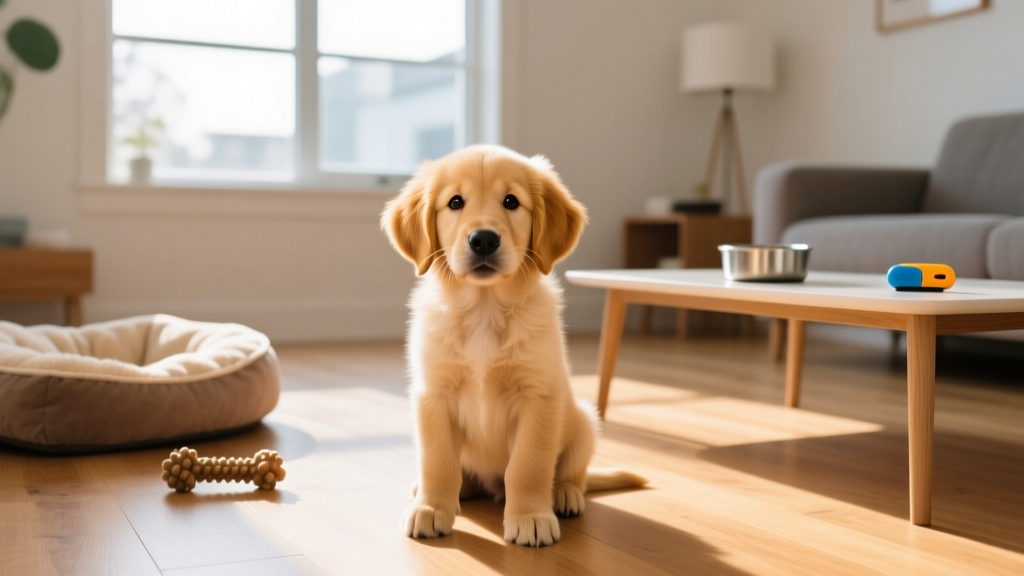
Pembroke Welsh Corgi Puppies: Week-by-Week Care, Feeding & Training Guide
Complete guide to raising Pembroke Welsh Corgi puppies: age-specific milestones, feeding schedules, potty training timelines, vaccination plans, and first-year costs.

Bringing home a Pembroke Welsh Corgi puppy is a commitment that extends well beyond the first adorable weeks. Corgis are intelligent, high-energy herding dogs with specific developmental needs — from their rapid socialization window to their tendency toward obesity and spinal issues. This guide walks you through every critical stage from weeks 4 through 12 months with concrete expectations, exact feeding amounts, and breed-specific troubleshooting so you can raise a healthy, well-adjusted Corgi.
When to Bring Your Pembroke Welsh Corgi Puppy Home
Responsible AKC-registered breeders will not release a Pembroke Welsh Corgi puppy before 8 weeks of age, and many reputable Corgi breeders prefer to wait until 10–12 weeks. The additional weeks with the litter are critical: between weeks 4–8, puppies learn bite inhibition from littermates, develop basic canine communication skills, and receive their first round of vaccinations.
A Corgi puppy taken home at 8 weeks will typically weigh 5–7 lb (2.3–3.2 kg). One going home at 12 weeks may weigh 8–12 lb (3.6–5.4 kg) and will already have better bladder control and a more established temperament. If you are a first-time owner, a 10–12 week puppy can be easier to manage than an 8-week-old, though you will have slightly less of the primary socialization window remaining.
Age-Specific Milestones for Corgi Puppies
Corgis mature at a different pace than many breeds. They are physically smaller than large breeds but have the mental intensity of a working dog. Here is what to expect at each stage:
Adult Pembroke Welsh Corgis typically weigh 25–30 lb (11.3–13.6 kg) for males and 24–28 lb (10.9–12.7 kg) for females, standing 10–12 inches (25–30 cm) at the shoulder per the AKC breed standard.
Feeding Schedule: Portions by Age and Weight
Corgis are notoriously food-motivated and prone to obesity, which is devastating for their long spines. Overfeeding a puppy accelerates growth and increases risk for intervertebral disc disease (IVDD), a condition Corgis are genetically predisposed to due to their chondrodysplastic (dwarf) body structure.
Feed a high-quality, AAFCO-approved puppy food formulated for small-to-medium breeds. Look for guaranteed analysis showing minimum 22% protein and 8.5% fat for growth. Avoid large-breed puppy formulas — they are designed to slow growth in dogs over 50 lb and are not appropriate for Corgis.
These amounts are starting points. Your individual puppy's metabolism, activity level, and the caloric density of your chosen food will affect the correct portion. A good rule: you should be able to feel your Corgi puppy's ribs without pressing hard, and they should have a visible waist when viewed from above. Consult your veterinarian at each wellness visit to assess body condition score.
Potty Training Timeline and Troubleshooting
Corgis are intelligent and generally pick up potty training faster than some breeds, but their small bladders and high metabolism mean frequent outings in the early months. Set realistic expectations: most Pembroke Welsh Corgi puppies are reliably house-trained by 4–6 months, with occasional accidents through 8 months. Claims of full training in 3 days are unrealistic for any breed.
Structured potty schedule for an 8–12 week Corgi puppy:
- Immediately upon waking (morning)
- Within 10–15 minutes after every meal
- After every play session or training session
- After every nap
- Before crating
- Before bedtime
- Once during the night (set an alarm for 2–3 AM until puppy sleeps through)
Corgi-specific potty training challenges:
- Stubbornness in bad weather: Corgis have short legs and low-slung bodies. Rain, snow, and wet grass are unpleasant on their bellies. Consider a covered potty area or use a real-grass potty pad system (like Fresh Patch or DoggieLawn) on a balcony for apartment dwellers.
- "Just one more sniff" syndrome: Corgis are scent-driven. They may refuse to potty because they are busy investigating. Use a consistent potty spot and a verbal cue ("go potty") to build the association.
- Submissive/excitement urination: Some Corgi puppies leak small amounts when greeting. This is not a training failure — it is a physiological response that typically resolves by 6–12 months. Keep greetings calm and low-key.
Accident protocol: Clean all accidents with an enzymatic cleaner (Nature's Miracle or Rocco & Roxie) to eliminate odor markers. Never punish a puppy for an accident you discover after the fact — they cannot connect the punishment to the action. If you catch them mid-act, interrupt with a calm "oops" and carry them outside immediately.
Socialization Window: The Critical Weeks 3–14
The American Veterinary Society of Animal Behavior (AVSAB) identifies weeks 3–14 as the primary socialization period — the window when puppies form lasting impressions about what is safe and normal. For Corgis, this is especially important because their herding heritage can predispose them to wariness of strangers, reactivity to fast-moving objects (bikes, children, cars), and territorial barking if under-socialized.
Before your puppy is fully vaccinated, the AVSAB recommends socialization in controlled, low-risk environments rather than waiting until all vaccines are complete. Puppy classes (requiring at least one DHPP), visits to vaccinated friends' homes, and carrying your puppy in a sling through public areas are all safe strategies.
Corgi puppy socialization checklist (weeks 8–14):
- People: Meet at least 20 different people — tall, short, wearing hats, sunglasses, hoodies, uniforms, carrying bags or umbrellas, using wheelchairs or walkers, children of various ages (supervised)
- Dogs: Supervised play with 5–10 fully vaccinated, temperament-tested adult dogs and puppies of various breeds and sizes
- Surfaces: Walk on grass, gravel, metal grates, wet pavement, carpet, tile, wooden floors, tarps
- Sounds: Vacuum cleaner, doorbell, thunder (play recordings at low volume), traffic, fireworks (low volume), clapping, children shouting
- Handling: Daily gentle handling of paws, ears, mouth, tail area; practice nail trimming motions with treats; introduce toothbrush
- Environments: Car rides (short trips ending in fun, not just vet visits), pet-friendly stores, outdoor patios, elevator rides, different rooms in your home
- Objects: Bicycles, skateboards, strollers, trash cans, plastic bags blowing in wind, automatic doors
Vaccination Schedule: What, When, and Why
Your Corgi puppy will receive a series of core vaccines at specific intervals. Maternal antibodies interfere with vaccine response in young puppies, which is why boosters are given every 2–4 weeks until approximately 16 weeks of age. The AAHA Canine Vaccination Guidelines recommend the following core protocol:
Non-core vaccines to discuss with your veterinarian based on lifestyle and geographic risk: Leptospirosis (recommended if your Corgi will hike near water or live in areas with wildlife), Lyme disease (tick-endemic regions), and Canine Influenza (if attending daycare or group classes). Your vet will determine which are appropriate for your puppy's risk profile.
When can your puppy go outside and meet other dogs? After the second DHPP at 10–12 weeks, supervised outings in controlled environments (puppy classes, private yards of vaccinated dogs) are generally safe. Avoid high-traffic dog areas (dog parks, pet store floors) until 1 week after the final DHPP at 16 weeks. Parvovirus can survive in soil for over a year and is the primary risk in uncontrolled environments.
Teething Timeline and Relief Strategies
Corgi puppies begin teething around 3–4 months as their 28 baby teeth are replaced by 42 adult teeth. The process is typically complete by 6–7 months. During this period, expect intense chewing behavior, mild gum bleeding (normal), and possible reduced appetite.
Teething stages:
- 3–4 months: Incisors begin loosening. Puppy seeks out things to chew. Introduce rubber chew toys (Kong Classic Puppy, West Paw Zogoflex).
- 4–5 months: Canines and premolars erupt. Peak chewing destruction. Remove access to shoes, cords, furniture edges. Offer frozen carrots, frozen washcloth (wet, twisted, and frozen), or a Kong stuffed with peanut butter and frozen.
- 5–6 months: Molars come in. Check weekly for retained baby teeth — Corgis occasionally hold onto canine baby teeth, which can cause misalignment and require veterinary extraction ($150–$400 per tooth).
- 6–7 months: All adult teeth should be in. If baby teeth remain past 7 months, consult your veterinarian.
Safe chew recommendations for Corgi puppies:
- Kong Classic Puppy (size Small or Medium) — fill and freeze for extended engagement
- Benebone Puppy Wishbone — appropriately sized for Corgi jaws
- Nylabone Puppy Chew (soft flex variety) — discard when worn down to small pieces
- Frozen carrots or apple slices (remove seeds) — natural, low-calorie option
Avoid: Rawhide (choking and intestinal blockage risk), antlers or hooves (too hard for developing teeth — can cause slab fractures), and cooked bones (splinter hazard).
Crate Training Progression and Time Limits
Crate training is essential for Corgi puppies — it aids potty training, prevents destructive chewing when unsupervised, and provides a safe den. Corgis generally accept crates well if introduced positively, but their intelligence means they will test boundaries.
Crate size: Use a 30-inch crate (such as the MidWest iCrate or Frisco Double Door) with an adjustable divider panel. The crate should be large enough for your adult Corgi to stand, turn around, and lie down — but not so large they can potty in one corner and sleep in another. A divider lets the crate grow with your puppy.
Time limits by age:
- 8–10 weeks: 30–60 minutes maximum during the day (except overnight sleep). Crate for naps only.
- 10–14 weeks: 1–2 hours during the day. Overnight stretches of 4–5 hours are achievable.
- 3–4 months: 2–3 hours during the day. Most puppies sleep 6–8 hours overnight.
- 4–6 months: 3–4 hours during the day. Overnight sleep of 8 hours is typical.
- 6+ months: Up to 4–5 hours during the day is acceptable. No dog should be crated longer than 5 hours regularly during waking hours.
Crate training steps for Corgis:
- Leave the crate door open with a soft blanket and a stuffed Kong inside. Let the puppy explore voluntarily.
- Feed all meals inside the crate with the door open, then gradually close the door during meals.
- Begin closing the door for 5-minute intervals while you remain in the room. Reward quiet behavior.
- Increase duration to 15, then 30 minutes while you step out of sight briefly.
- Build to 1–2 hour absences. Always leave a safe chew toy for engagement.
If your Corgi puppy whines in the crate: First, ensure they have been pottied, exercised, and are not in physical distress. If you are confident they are safe, wait for a brief moment of silence (even 3 seconds) before releasing them. Releasing a whining puppy teaches them that whining opens the door. For overnight whining, a crate cover can reduce visual stimulation and promote sleep.
Common Corgi Puppy Problems and Solutions
Pembroke Welsh Corgis are herding dogs, and many "problem" behaviors are simply breed traits expressing themselves in a domestic setting. Understanding the root cause is the first step to management.
How to stop puppy biting and nipping: Corgi puppies use their mouths to interact with the world, and their herding genetics amplify this tendency. The most effective approach is a combination of redirection and consequence. When teeth touch skin, make a high-pitched "ouch" sound (mimicking a littermate's yelp), stand up, and turn away for 15–30 seconds. Then return and offer a toy. Consistency across all family members is critical — if one person allows mouthing and another doesn't, the puppy will be confused and the behavior will persist. Expect improvement over 2–4 weeks of consistent practice. If biting intensifies or breaks skin beyond puppy-level nipping by 16 weeks, consult a certified positive reinforcement trainer.
First-Year Cost Breakdown
Budgeting accurately prevents surprises. Here is a realistic first-year cost estimate for a Pembroke Welsh Corgi puppy in the United States (2026 pricing):
This range does not include emergency veterinary visits. Corgi puppies are curious chewers and can ingest foreign objects; a single emergency visit for intestinal blockage surgery can cost $2,000–$5,000. Pet insurance purchased at 8–10 weeks (before any pre-existing conditions develop) is strongly recommended for this breed given their lifetime risk of IVDD, which can require $3,000–$8,000 in surgical treatment.
Frequently Asked Questions
How often should I feed my Corgi puppy at 8 weeks old?
At 8 weeks, feed 3–4 meals per day, totaling approximately ¾ to 1 cup of high-quality puppy kibble. Space meals 4–5 hours apart during waking hours. Consistent meal timing aids potty training predictability — puppies typically need to eliminate 10–20 minutes after eating.
When will my Corgi puppy be fully potty trained?
Most Pembroke Welsh Corgi puppies are reliably house-trained by 4–6 months with a consistent schedule. However, expect occasional accidents through 8 months, especially during excitement, routine changes, or illness. Some Corgis take longer due to their stubborn temperament — this is normal and not a sign of failure.
What vaccines does my Corgi puppy need and when?
Core vaccines include DHPP (Distemper, Hepatitis, Parainfluenza, Parvovirus) given at 6–8 weeks, 10–12 weeks, and 14–16 weeks. Rabies is given at 14–16 weeks. Bordetella (kennel cough) is recommended if attending puppy classes. Consult your veterinarian about lifestyle-based vaccines like Leptospirosis and Lyme.
How do I stop my Corgi puppy from nipping ankles?
Ankle nipping is a herding instinct. Redirect the behavior to an appropriate toy immediately, teach a solid "leave it" cue using positive reinforcement, and avoid running or fast movement that triggers chase drive until your puppy has developed impulse control through structured training. Consistent redirection typically shows improvement within 2–4 weeks.
When can my puppy go to the dog park?
Wait until at least 1 week after the final DHPP vaccine at 14–16 weeks — so approximately 17 weeks of age. Even then, dog parks carry risks for a young Corgi: rough play with larger dogs can injure their long spine, and unvaccinated dogs may be present. Supervised playdates with known, vaccinated dogs are a safer alternative during the first year.
Should I get pet insurance for my Corgi puppy?
Yes, strongly recommended. Pembroke Welsh Corgis have elevated risk for IVDD (intervertebral disc disease), hip dysplasia, and degenerative myelopathy. Enrolling at 8–10 weeks, before any conditions are documented, ensures the broadest coverage. Average monthly premiums for a Corgi puppy range from $35–$60 depending on deductible and reimbursement level.
Anouk Beaumont
All our authors care for dogs every day — read more of their work on the authors page.