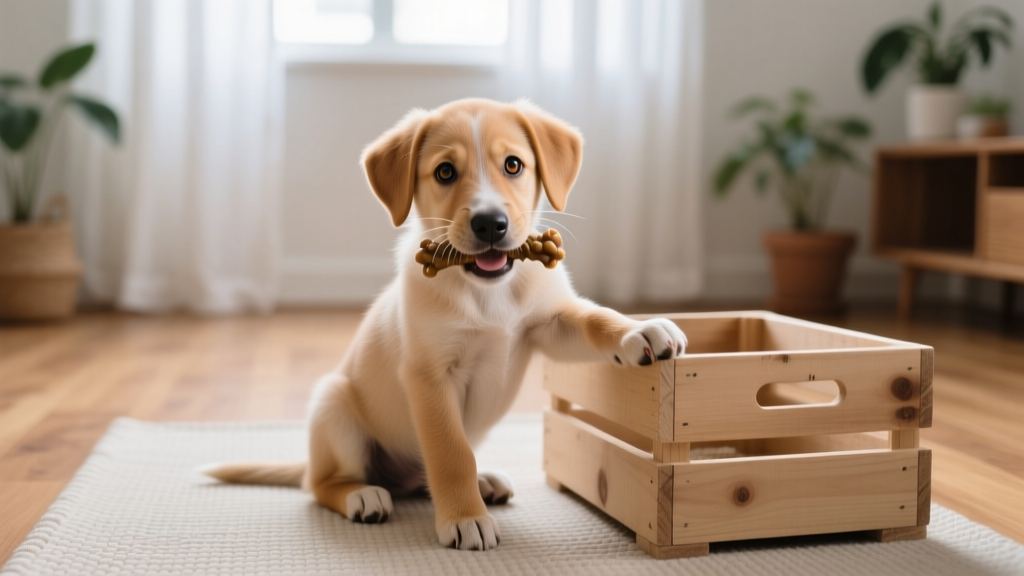
Old English Sheepdog Puppies: The Complete Week-by-Week Care Guide
Everything you need to raise Old English Sheepdog puppies: feeding schedules, vaccination timelines, potty training, socialization, and first-year costs.

Bringing Home Old English Sheepdog Puppies: What to Expect
Old English Sheepdogs — those shaggy, bobtailed clowns of the dog world — are among the most charismatic puppies you'll ever meet. But behind that adorable teddy-bear face is a large-breed herding dog that grows fast, thinks independently, and requires deliberate early care to become the steady companion the breed is known for.
This guide walks you through every developmental stage from week 4 through month 12, with breed-specific feeding portions, vaccination dates, socialization checklists, and realistic timelines that account for the OES temperament. Whether you're picking up your puppy next week or researching before committing, you'll find concrete numbers and actionable steps here — not generic puppy platitudes.
The optimal age is 8 to 10 weeks. Responsible OES breeders often keep puppies until 9–10 weeks because the breed matures slowly and benefits from extra littermate socialization. Never take a puppy before 8 weeks — the critical socialization period (weeks 3–14, per the AVMA) requires time with the mother and siblings to learn bite inhibition and canine communication.
Old English Sheepdog Puppy Milestones: Week by Week
OES puppies grow rapidly in their first six months, often gaining 3–5 lb per week during peak growth phases. Here's what each developmental window looks like for this breed specifically.
Weeks 4–8: The Litter Period (With the Breeder)
- Weight: 5–12 lb (2.3–5.4 kg) — puppies roughly double birth weight by week 5
- Senses: Full hearing and vision; startle responses to loud sounds emerge
- Social: Littermate play intensifies — puppies learn bite inhibition from siblings yelping
- Food: Weaning onto softened kibble (large-breed puppy formula) by week 6
- What you should see from the breeder: Early neurological stimulation (ENS), exposure to varied surfaces, household sounds, and gentle handling by multiple people
Weeks 8–12: Home Adjustment & Bonding
- Weight: 12–25 lb (5.4–11.3 kg)
- Behavior: Fear periods can occur around 8–10 weeks — your puppy may suddenly seem startled by objects or sounds they previously ignored. Keep experiences positive; never force interactions.
- Sleep: 18–20 hours per day is normal — OES puppies burn enormous energy during short wake windows
- Training: Begin name recognition, sit, and "come" using food rewards (small training treats, 3–5 calories each)
- Grooming: Start daily brushing sessions of 5 minutes to build tolerance — the adult coat will begin replacing the puppy coat around 6–8 months
Weeks 12–16: Confidence Building
- Weight: 25–40 lb (11.3–18.1 kg)
- Behavior: Second fear period may hit around 12–14 weeks. Teething begins — expect increased chewing and mouthing.
- Training: Introduce leash walking indoors, "leave it," "drop it," and crate settling. Keep sessions under 5 minutes.
- Social: Puppy kindergarten classes (force-free, positive reinforcement only) can begin after the second DHPP vaccine
- Grooming: Introduce nail trimming, ear cleaning, and teeth brushing routines now while the puppy is still manageable in size
Weeks 16–24: The Adolescent Transition
- Weight: 40–65 lb (18.1–29.5 kg)
- Behavior: Increased independence, testing boundaries, possible regression in previously learned commands. This is normal for herding breeds — stay consistent with training.
- Physical: Adult teeth fully in by 6 months. Growth plates still open — avoid repetitive high-impact exercise (jumping off furniture, jogging on hard surfaces) until cleared by your vet, typically around 12–18 months for large breeds.
- Coat: Puppy coat begins transitioning to the adult double coat. Matting risk increases dramatically — daily brushing becomes non-negotiable.
Months 6–12: Approaching Maturity
- Weight: 60–85 lb (27.2–38.6 kg) — males typically larger; AKC breed standard puts adults at 60+ lb for females, 65+ lb for males
- Behavior: Sexual maturity (if intact) — discuss spay/neuter timing with your vet; current research suggests waiting until 12–18 months for large breeds to allow growth plate closure
- Training: Can handle longer sessions (15–20 minutes). Begin advanced obedience, recall reliability, and herding instinct introduction if desired.
- Exercise: 45–60 minutes of structured activity daily, split into multiple sessions. Off-leash play in secure areas is ideal.
Feeding Schedule for Old English Sheepdog Puppies
Old English Sheepdogs are prone to gastric dilatation-volvulus (GDV/bloat), a life-threatening emergency where the stomach twists. This makes feeding management critical. Always use a large-breed puppy formula (AAFCO-certified, with controlled calcium-phosphorus ratios of approximately 1.2:1) to support steady bone growth without overloading developing joints.
- Use a slow-feeder bowl or snuffle mat — OES puppies tend to inhale food
- Never exercise your puppy for 1 hour before or 2 hours after meals
- Split daily portions into 3–4 small meals rather than 1–2 large ones
- Do not elevate the food bowl — research from Merck Veterinary Manual indicates elevated bowls may actually increase bloat risk
| Age | Estimated Weight | Daily Amount | Meals Per Day | Per Meal |
|---|---|---|---|---|
| 8–12 weeks | 12–25 lb (5.4–11.3 kg) | 2–3 cups | 4 | ½–¾ cup |
| 3–4 months | 25–40 lb (11.3–18.1 kg) | 3–4 cups | 3 | 1–1⅓ cups |
| 4–6 months | 40–55 lb (18.1–24.9 kg) | 3½–5 cups | 3 | 1¼–1⅔ cups |
| 6–9 months | 55–75 lb (24.9–34 kg) | 4–5½ cups | 2 | 2–2¾ cups |
| 9–12 months | 65–85 lb (29.5–38.6 kg) | 4–6 cups | 2 | 2–3 cups |
How often should I feed my Old English Sheepdog puppy? At 8–12 weeks, feed 4 meals daily. Drop to 3 meals at 3 months, then transition to 2 meals at 6 months. Never feed just once daily — the bloat risk makes this dangerous for deep-chested breeds like the OES.
Monitor your puppy's body condition score (BCS) weekly. You should be able to feel ribs easily without pressing hard, and see a visible waist when viewed from above. Adjust portions up or down by 10–15% based on individual metabolism — these charts are starting points, not prescriptions.
Vaccination Schedule for Old English Sheepdog Puppies
Your OES puppy arrives with maternal antibodies that gradually wane, which is why vaccines are given in a series. The AKC core vaccination protocol protects against diseases that are particularly devastating to young puppies with immature immune systems.
| Age | Vaccines Administered | What It Protects Against |
|---|---|---|
| 6–8 weeks | DHPP (1st dose) | Distemper, Hepatitis (Adenovirus), Parainfluenza, Parvovirus |
| 10–12 weeks | DHPP (2nd dose), Bordetella | Core boost + kennel cough (recommended before puppy classes) |
| 14–16 weeks | DHPP (3rd dose), Rabies | Final core series + legally required rabies protection |
| 12–16 months | DHPP booster, Rabies booster | First annual/3-year boosters (duration varies by vaccine brand) |
Optional vaccines to discuss with your vet: Leptospirosis (if in an area with wildlife/water exposure), Lyme disease (if in a tick-endemic region), and Canine Influenza (H3N2/H3N8, if attending daycare or boarding). Your veterinarian will tailor the protocol to your geographic risk profile.
After the second DHPP vaccine (around 12 weeks), your puppy can begin controlled socialization in low-risk environments: puppy classes where all attendees are vaccinated, playdates with known healthy adult dogs, and walks in your own yard. Avoid dog parks, pet store floors, and high-traffic public areas until one week after the final DHPP at 16 weeks. Parvovirus can survive in soil for over a year and is lethal to unvaccinated puppies.
Socialization Window: Weeks 3–14 (The Critical Period)
The American Veterinary Society of Animal Behavior (AVSAB) identifies weeks 3–14 as the primary socialization window — after this closes, puppies become naturally more cautious about novel experiences. For Old English Sheepdogs, who can develop wariness of strangers and territorial behavior if under-socialized, this window is especially important.
Aim for 5–10 new positive experiences per day during weeks 8–14. Keep every encounter positive — if your puppy shows fear, increase distance and use high-value treats (boiled chicken, cheese) to create positive associations.
Potty Training Your Old English Sheepdog Puppy
When will my puppy be fully potty trained? Realistically, most OES puppies achieve reliable house training between 4 and 6 months of age. Some individuals — particularly males — may take until 8 months. Large breeds have larger bladders, which helps, but their stubborn streak means consistency matters more than biology.
The Potty Training Protocol
- Take your puppy out on a fixed schedule: immediately upon waking, after every meal, after play sessions, after crate time, and before bed. For an 8–12 week old, that's every 1–2 hours during the day.
- Use a consistent cue word ("go potty") while they're eliminating, then reward immediately with a treat + praise within 2 seconds of finishing.
- Supervise or confine at all times. If you can't watch them, they're in the crate or a puppy-proofed pen. Unsupervised freedom is the #1 cause of potty training setbacks.
- Clean accidents with enzymatic cleaner (Nature's Miracle or Rocco & Roxo) — ammonia-based cleaners actually attract dogs back to the same spot.
| Time | Activity | Went Outside? | Result | Notes |
|---|---|---|---|---|
| 7:00 AM | Wake up → outside | Yes | ✅ Pee + poop | — |
| 8:30 AM | After breakfast | Yes | ✅ Pee | — |
| 10:00 AM | After play | Yes | ❌ Nothing | Crate for 30 min, try again |
| 10:45 AM | After crate | Yes | ✅ Pee | — |
Troubleshooting: If your OES puppy is having frequent accidents despite a strict schedule, rule out a urinary tract infection with your vet (common in puppies, ~$50–80 for urinalysis). Submissive urination — common in soft-tempered breeds like the OES — is not a house-training failure. Avoid greetings that cause over-excitement; greet calmly and take them outside immediately.
Crate Training Progression & Time Limits
Crate training serves dual purposes for OES puppies: potty training support and a safe retreat when the household gets chaotic. This breed bonds closely with family and can develop separation anxiety if never taught to self-soothe.
| Puppy Age | Maximum Daytime Crate Time | Overnight |
|---|---|---|
| 8–10 weeks | 1–2 hours | 3–4 hours (set alarm for potty break) |
| 11–14 weeks | 2–3 hours | 4–5 hours |
| 15–16 weeks | 3–4 hours | 5–6 hours |
| 4–6 months | 4–5 hours | 7–8 hours |
| 6–12 months | 5–6 hours | 8 hours |
Crate training steps:
- Week 1: Leave the crate door open. Feed meals inside. Toss high-value treats (frozen Kong stuffed with peanut butter and kibble) into the crate. Never use the crate as punishment.
- Week 2: Close the door for 5-minute intervals while you're in the room. Gradually increase to 15 minutes, then 30 minutes.
- Week 3: Leave the room for short periods (5–10 minutes). Return before the puppy becomes distressed. Build up to 30-minute absences.
- Week 4+: Extend absences to 1–2 hours. If the puppy whines, wait for a 3-second pause in vocalization before opening the door — this teaches that quiet earns freedom, not barking.
Recommended crate size: A 42-inch wire crate (e.g., MidWest iCrate or Frisco Double Door) with a divider panel. The crate should allow your OES to stand, turn around, and lie down — but not so large that they can eliminate in one corner and sleep in another. You'll need the full 42-inch size for adulthood, so the divider is essential during puppyhood.
Teething Timeline & Relief Strategies
Old English Sheepdog puppies begin losing baby teeth around 12–16 weeks, with all 42 adult teeth typically in by 6–7 months. During this period, your puppy will chew everything — shoes, baseboards, hands — to relieve gum pressure.
Teething Phases
- 3–4 months: Incisors loosen first. You may find tiny teeth in bedding or toys. Increased drooling and pawing at the mouth.
- 4–5 months: Canines and premolars erupt. This is peak chewing intensity — puppy will seek out the most resistance-providing objects.
- 5–7 months: Molars come in. Retained baby teeth (especially canines) are common in OES — if you see two teeth in one position, your vet may need to extract the baby tooth to prevent crowding and dental disease.
Safe Chew Recommendations
- Frozen Kong Classic (puppy size): Stuff with plain yogurt and blueberries, freeze overnight. Provides 20–30 minutes of soothing chewing.
- Benebone Puppy Wishbone: Nylon chew designed for teething puppies — softer than adult versions, with ridges that massage gums.
- Frozen carrots: Large whole carrots (never baby carrots — choking risk). Cheap, low-calorie, and the cold numbs sore gums.
- Nylabone Puppy Chew Keys: Textured surface helps clean emerging teeth. Replace when worn down to nubs.
Common Old English Sheepdog Puppy Problems & Solutions
Puppy Biting and Nipping
How do I stop puppy biting/nipping? OES puppies were bred to herd livestock, which means mouthing and nipping at heels is instinctive — not aggression. Here's the force-free protocol:
- Redirect: When teeth touch skin, say "ouch" in a calm voice, withdraw attention for 10 seconds, then offer an appropriate chew toy. Reward when they chew the toy.
- Time-outs: If biting continues after 3 redirects, calmly place the puppy in their crate or a playpen for 2–3 minutes. This teaches that biting ends play — not through punishment, but through natural consequences.
- Manage arousal: OES puppies bite most when overtired or overstimulated. If your puppy turns into a land shark, they likely need a nap, not more training. Enforce 2-hour nap intervals in the crate.
- Teach "gentle": Hold a treat in a closed fist. Wait for the puppy to lick or nose-touch instead of biting. Mark with "yes" and open your hand to deliver. Progress to open-palm delivery only when teeth haven't touched skin for 3 consecutive sessions.
Whining and Vocalization
OES are a vocal breed — they "talk," grumble, and howl. Puppy whining in the crate during the first two weeks is normal and expected. Respond to needs (potty breaks) but don't reward demand-whining with attention. Wait for a brief silence, then reward. If whining escalates into panic (scratching, self-injury, prolonged screaming), consult a certified force-free trainer — early separation anxiety intervention prevents lifelong issues.
Destructive Chewing
Beyond teething, OES puppies chew out of boredom. This is a working breed that needs mental stimulation. Provide puzzle feeders (Outward Hound Nina Ottosson Dog Brick, $25–35), frozen Kongs, and sniffing games (scatter kibble in grass). A tired puppy is a well-behaved puppy — but "tired" means mentally engaged, not just physically exercised.
First-Year Cost Breakdown for an Old English Sheepdog
Budgeting accurately prevents sticker shock. These estimates reflect 2025–2026 US pricing for a large-breed puppy in a suburban area. Costs will be 15–30% higher in major metro areas.
| Category | Items | Estimated Cost |
|---|---|---|
| Purchase/Adoption | Responsible breeder (health-tested parents, OFA hips/thyroid) | $1,800–$3,500 |
| Veterinary | Wellness exams (3–4 visits), vaccine series, heartworm test, fecal exams, spay/neuter | $800–$1,400 |
| Food | Large-breed puppy kibble (~$60–80/bag, 4–5 bags over the year) | $300–$500 |
| Preventive Medications | Heartworm (Heartgard Plus), flea/tick (NexGard or Simparica Trio), deworming | $250–$450 |
| Supplies | 42" crate, bed, bowls, leash/harness (Ruffwear Front Range), grooming tools (slicker brush, undercoat rake, grooming table), enzymatic cleaner, baby gates | $400–$700 |
| Training | Puppy kindergarten (6–8 weeks), basic obedience group class | $200–$500 |
| Grooming | Professional grooming every 6–8 weeks starting at 6 months (5–6 sessions) | $450–$750 |
| Insurance/Emergency Fund | Pet insurance (Trupanion, Healthy Paws: $40–70/month) or self-funded emergency reserve | $480–$840 |
| Total Estimated First-Year Cost | $4,680–$8,640 | |
Ongoing annual costs after year one typically run $2,500–$4,000, with grooming being the single largest recurring expense for this breed. The shaggy OES coat requires professional grooming every 6–8 weeks unless you commit to learning home grooming (a significant time investment — plan 2–3 hours per full groom session).
Frequently Asked Questions
Are Old English Sheepdogs good for first-time dog owners?
They can be, but they're not the easiest choice. The grooming demands (daily brushing, regular professional grooming), exercise needs (45–60 minutes daily), and stubborn herding-breed temperament require commitment. First-time owners who invest in puppy classes and professional grooming support do well — but if you want a low-maintenance dog, consider a different breed.
How big will my OES puppy get?
Adult males typically weigh 65–100 lb (29.5–45.4 kg) and stand 22+ inches at the shoulder. Females are 60–85 lb (27.2–38.6 kg) and 21+ inches. You can estimate adult weight by doubling the puppy's weight at 16 weeks, though this is approximate — genetics, nutrition, and whether the puppy is from show or working lines all influence final size.
When should I start grooming my OES puppy?
Begin daily brushing from the day you bring them home, even though the puppy coat is relatively low-maintenance. Schedule the first professional grooming appointment at 4–5 months — early exposure to clippers, dryers, and grooming tables prevents fear later. Ask the groomer to do a "puppy cut" (light trim, bath, nail clip) rather than a full show-style groom for the first few visits.
Do Old English Sheepdog puppies shed a lot?
Puppy coat shedding is moderate, but when the adult double coat comes in around 6–10 months, expect significant shedding. During this transition, daily brushing with an undercoat rake and slicker brush is essential to prevent painful matting close to the skin. Many owners describe this as the "ugly duckling" phase — the coat can look patchy and uneven for several weeks.
What health tests should the breeder have done on the parents?
Per the Orthopedic Foundation for Animals (OFA) and the Old English Sheepdog Club of America, recommended health clearances include: hip dysplasia evaluation (OFA or PennHIP), thyroid panel (autoimmune thyroiditis is prevalent in the breed), cerebellar degeneration DNA test, and annual eye exams by a veterinary ophthalmologist (CERF). Ask to see certificates — a reputable breeder will provide them willingly.
Should I get pet insurance for my OES puppy?
Strongly recommended. OES are predisposed to hip dysplasia (surgery: $3,000–$7,000 per hip), immune-mediated hemolytic anemia (IMHA, treatment: $5,000–$15,000), and GDV/bloat (emergency surgery: $3,000–$7,000). Enrolling at 8–10 weeks, before any pre-existing conditions develop, ensures the broadest coverage. Compare plans at the North American Pet Health Insurance Association (NAPHIA) comparison tool.
Anouk Beaumont
All our authors care for dogs every day — read more of their work on the authors page.