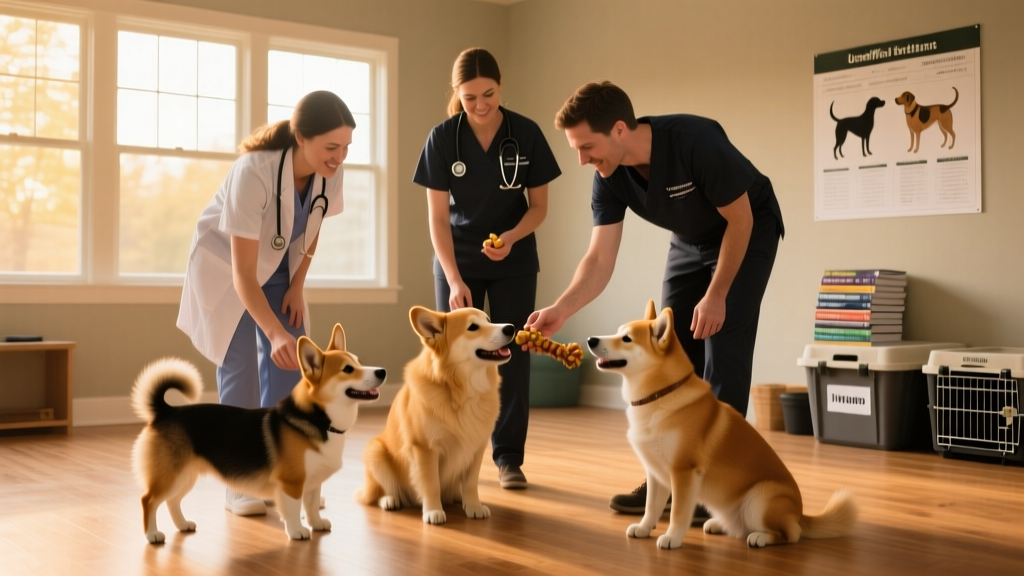
Norfolk Terrier Puppies: Complete Week-by-Week Care & Training Guide
Everything you need to raise Norfolk Terrier puppies: age-specific milestones, feeding schedules, vaccination timelines, potty training, and first-year costs.

Norfolk Terrier puppies pack an outsized personality into a compact, 11-to-12-pound frame. Bred originally as ratters in East Anglia, England, these small-but-scrappy dogs retain a bold terrier drive that shapes everything from how they learn to how they play. Raising a Norfolk Terrier puppy successfully means understanding the breed's specific developmental windows, energy patterns, and health predispositions — not just following generic puppy advice.
This guide walks you through every critical stage from week 4 through month 12, with breed-specific feeding portions, training timelines, socialization checklists, and real cost expectations. Whether you're bringing home an 8-week-old puppy or preparing for a litter, you'll find actionable data here that accounts for the Norfolk's unique temperament and physiology.
When Should I Bring My Norfolk Terrier Puppy Home?
The ideal age to bring a Norfolk Terrier puppy home is 10 to 12 weeks. While many breeders release puppies at 8 weeks, Norfolk Terriers are small dogs that mature slightly slower in terms of confidence and immune resilience compared to larger breeds. Reputable Norfolk breeders — particularly those registered with the AKC Norfolk Terrier breed standard — often retain puppies until 10-12 weeks to ensure they've received two rounds of core vaccinations and have passed the peak of early fear imprinting.
Bringing your puppy home at 10-12 weeks offers concrete advantages for this breed:
- Better bite inhibition: Norfolk Terriers are mouthy dogs by nature (terrier heritage). Extra weeks with littermates teach them to moderate jaw pressure during play.
- Stronger immune baseline: Two DHPP vaccinations completed before leaving the breeder means fewer vulnerable weeks in your home environment.
- Smoother crate adjustment: Breeders who begin crate conditioning at 6-7 weeks produce puppies that adapt to confinement with less distress vocalization.
If you do bring a puppy home at 8 weeks, plan for a 2-week decompression period with minimal visitors, no dog park visits, and a consistent daily routine. Avoid overwhelming a young Norfolk — their boldness can mask stress, which often shows up later as reactivity or resource guarding.
Norfolk Terrier Puppy Milestones: Week by Week
Understanding what to expect at each developmental stage prevents unnecessary worry and helps you time training interventions correctly. Norfolk Terriers follow the standard canine developmental timeline but with breed-specific quirks worth noting.
Weeks 4–8: Litter Life & Early Learning (Breeder's Domain)
During this period, your puppy is still with the breeder. Key developments include:
- Deciduous (baby) teeth fully erupted — 28 teeth by week 6
- Startle reflex diminishes; puppies begin exploring beyond the whelping box
- Solid food transition complete by week 6 (puppy mush → dry kibble)
- First DHPP vaccine typically administered at 6-8 weeks
- Introduction to novel surfaces (grass, gravel, tile) — critical for Norfolk Terriers, who can develop surface aversions if not exposed early
- Littermate play teaches bite inhibition — expect yelping and tumbling
What you should verify with the breeder: deworming at 2, 4, 6, and 8 weeks; first vaccination record; introduction to crate; exposure to household sounds (vacuum, doorbell, TV).
Weeks 8–12: Homecoming & Foundation Building
This is the most impressionable period. Your Norfolk puppy will:
- Sleep 18-20 hours per day in short bursts (45-90 minutes awake between naps)
- Test boundaries with nipping, jumping, and mouthing — normal terrier behavior, not aggression
- Begin forming primary attachments to household members
- Have a bladder capacity of roughly 20-30 minutes per month of age (so ~1 hour max at 8 weeks)
- Experience first fear period (8-10 weeks) — avoid traumatic experiences like harsh punishment or forced interactions
Training focus: Name recognition, hand-feeding for bonding, gentle handling exercises (paw touching, ear inspection, mouth opening) to prepare for grooming.
Weeks 12–16: Confidence & Skill Building
Your puppy's personality becomes more defined. Expect:
- Increased independence — your Norfolk may start ignoring recall cues they previously followed
- Teething discomfort begins (~14 weeks) with increased chewing and drooling
- Bladder control improves to 2-3 hours between outings
- Second fear period may emerge around 14-16 weeks — keep socialization positive, never forced
- Prey drive becomes visible — chasing leaves, shadows, small moving objects
Training focus: Impulse control games (wait for food, leave-it), leash walking foundations, crate duration building.
Weeks 16–24 (4–6 Months): The Terrier Teenager
This stage tests patience. Your Norfolk will:
- Complete teething by 6 months — adult teeth (42 total) fully in by 24 weeks
- Reach approximately 70-80% of adult weight (expect 8-10 lbs / 3.6-4.5 kg)
- Show increased distractibility outdoors — terrier nose and prey drive compete for attention
- Begin testing household rules more deliberately
- Sexual maturity begins in intact dogs — discuss spay/neuter timing with your vet (typically 6-9 months for small breeds)
Training focus: Reliable recall with high-value rewards, advanced impulse control, supervised off-leash time in secure areas only.
Months 6–12: Adolescent Consolidation
Your Norfolk approaches adult size and temperament:
- Full adult weight reached: 11-12 lbs (5-5.4 kg), height 9-10 inches (23-25 cm) at shoulder
- Energy remains high but attention span lengthens
- Coat transitions from puppy softness to the wiry adult texture — hand-stripping may begin around 9-12 months
- Adult personality solidifies — confident, alert, affectionate with family, potentially reserved with strangers
Training focus: Polishing manners, advanced tricks (Norfolks excel at agility foundations), continued socialization with novel dogs and environments.
Norfolk Terrier Puppy Feeding Schedule
Norfolk Terriers are small, active dogs with fast metabolisms. Underfeeding leads to hypoglycemia risk in young puppies, while overfeeding contributes to the patellar luxation and hip issues the breed is predisposed to. Use the schedule below as a starting point and adjust based on your puppy's body condition score — you should feel ribs easily without seeing them prominently.
| Age | Meals Per Day | Estimated Daily Portion (Dry Kibble) | Notes |
|---|---|---|---|
| 8–12 weeks | 4 meals | ⅓ to ½ cup/day (divided into 4) | Use small-breed puppy formula; kibble size matters for tiny mouths |
| 12–16 weeks | 3 meals | ½ to ⅔ cup/day (divided into 3) | Growth spurt — appetite may increase noticeably |
| 4–6 months | 3 meals | ⅔ to ¾ cup/day (divided into 3) | Monitor weight weekly; adjust if BCS exceeds 5/9 |
| 6–9 months | 2 meals | ¾ cup/day (divided into 2) | Transition to adult food around 9-12 months |
| 9–12 months | 2 meals | ½ to ¾ cup/day (adult formula) | Adult maintenance — adjust for activity level |
Food selection criteria: Choose a kibble with an AAFCO statement for growth (puppy) or all life stages. First ingredient should be a named animal protein (chicken, lamb, salmon). For Norfolk Terriers specifically, look for small-breed formulations with kibble pieces sized under ½ inch — brands like Royal Canin Small Puppy, Hill's Science Diet Small Paws Puppy, or Purina Pro Plan Small Breed Puppy are formulated for tiny jaws and higher metabolic rates.
Treats: Should not exceed 10% of daily caloric intake. For a Norfolk puppy, that's roughly 15-20 calories in treats per day — about 2-3 small training treats (e.g., Zuke's Mini Naturals at ~3 calories each).
Vaccination Schedule for Norfolk Terrier Puppies
Norfolk Terrier puppies follow the standard AVMA-recommended core vaccination protocol. Because Norfolks are small dogs, some veterinarians prefer to space vaccines 3-4 weeks apart rather than the standard 2-week intervals to reduce the risk of mild adverse reactions (lethargy, soreness, low-grade fever), which are slightly more common in toy and small breeds.
| Age | Vaccines Administered | Protection Against |
|---|---|---|
| 6–8 weeks | DHPP (1st dose) | Distemper, Hepatitis (Adenovirus-2), Parainfluenza, Parvovirus |
| 10–12 weeks | DHPP (2nd dose), Bordetella (optional, based on exposure risk) | Same core diseases + kennel cough |
| 14–16 weeks | DHPP (3rd/final puppy dose), Rabies (required by law in most states) | Full core immunity + rabies |
| 12–16 months | DHPP booster, Rabies booster, Bordetella (if applicable) | Long-term immunity maintenance |
Important notes for Norfolk owners:
- Leptospirosis: Discuss with your vet based on your area. If you live near standing water, farms, or areas with rodent activity, this non-core vaccine may be recommended.
- Lyme disease: Norfolk Terriers are active outdoor dogs. If you're in a tick-endemic region (Northeast, Upper Midwest, Pacific Northwest), the Lyme vaccine is worth discussing.
- Post-vaccine monitoring: Watch for facial swelling, hives, vomiting, or collapse within 24 hours — these are signs of anaphylaxis requiring immediate emergency vet care. Mild lethargy and soreness at the injection site are normal and typically resolve within 24-48 hours.
- Titers testing: After the full puppy series, you can ask your vet about a titers test (antibody level check) instead of automatic boosters at 1 year — this measures whether your dog has maintained adequate immunity.
Potty Training Your Norfolk Terrier: Timeline & Troubleshooting
Norfolk Terriers are intelligent but can be willful about house training — a common trait among terrier breeds. Their small bladder capacity means more frequent outings, and their sensitivity to cold/wet weather can make them reluctant to go outside in rain or snow. Set realistic expectations: most Norfolk Terrier puppies achieve reliable house training between 4 and 6 months of age, with occasional accidents possible until 8-9 months.
Potty Training Log Template
Track the following for your first 4 weeks to identify your puppy's natural elimination rhythm:
- Time of outing (especially after waking, eating, drinking, playing)
- Result: urination, defecation, both, or nothing
- Location: specific spot in yard or on pad
- Reward given: treat + verbal praise immediately upon completion
- Accidents: time, location, what happened 30 minutes prior
Most Norfolk puppies develop a predictable pattern within 2-3 weeks of consistent logging. Use this data to preempt accidents rather than react to them.
Breed-specific potty training tips:
- Covered elimination area: If you live in a rainy climate, a covered porch or patio section encourages your Norfolk to go out even in drizzle. These dogs notoriously "hold it" in bad weather, leading to indoor accidents.
- Bell training: Hang a small bell (e.g., Potty Bells by Mighty Paws) on your door handle at nose height. Norfolk Terriers learn to ring it to signal they need out — most pick this up within 2-4 weeks of consistent pairing.
- Crate as a tool: Dogs naturally avoid soiling their sleeping area. Between outings, confine your puppy to a properly sized crate (just large enough to stand, turn, and lie down). See the crate training section below.
- Enzyme cleaner is mandatory: Use a product like Nature's Miracle or Rocco & Roxie Stain & Odor Remover on any accident. Standard household cleaners don't break down uric acid crystals, and your Norfolk's nose will detect residual odor and return to that spot.
Troubleshooting common setbacks:
- Submissive urination: Common in young Norfolks when greeting. Don't scold — it makes it worse. Greet calmly, avoid direct eye contact initially, and take puppy outside immediately upon arrival.
- Excitement urination: Similar to submissive urination but triggered by high arousal. Keep greetings low-key and take puppy out before exciting events (guests arriving, walks).
- Regression at 6-8 months: Adolescent Norfolks sometimes "forget" training. Return to the basics — more frequent outings, higher-value rewards, and patience. This phase typically lasts 2-4 weeks.
Socialization Window: Weeks 3–14 Checklist
The primary socialization window for puppies closes around 14 weeks of age. After this period, novel experiences trigger caution rather than curiosity by default. For Norfolk Terriers — a breed that can be reserved with strangers and territorial with other dogs if under-socialized — this window is critical. The goal is not to overwhelm your puppy but to create a catalog of positive associations with the sights, sounds, and experiences they'll encounter throughout life.
Norfolk Terrier Socialization Checklist
Aim to expose your puppy to each category below before 14 weeks. Every exposure should be paired with treats and praise. If your puppy shows fear (cowering, tucked tail, refusing treats), increase distance and let them observe from safety.
People (aim for 10+ different individuals):
- ☐ Children (supervised, calm interactions — ages 5+)
- ☐ Tall men with deep voices
- ☐ People wearing hats, sunglasses, hoodies
- ☐ People using mobility aids (wheelchair, crutches, cane)
- ☐ Delivery drivers at the door
- ☐ People of different skin tones and appearances
Environments:
- ☐ Car rides (short trips to pleasant destinations)
- ☐ Parking lots with shopping carts
- ☐ Grass, gravel, sand, wet surfaces, metal grates
- ☐ Elevators or stairs
- ☐ Outdoor seating areas at cafes (carry puppy if unvaccinated)
- ☐ Grooming table handling (even if just at home)
Sounds:
- ☐ Thunderstorm recordings at low volume (pair with treats)
- ☐ Vacuum cleaner (operate in another room, gradually closer)
- ☐ Doorbell and knocking
- ☐ Fireworks recordings at low volume
- ☐ Traffic noise, sirens, construction sounds
Other animals (only with fully vaccinated, known-temperament dogs):
- ☐ Calm adult dogs of various sizes
- ☐ Puppies in a structured puppy class (after 2nd DHPP)
- ☐ Cats (supervised, if household has cats)
Body handling:
- ☐ Paw touching and nail inspection
- ☐ Ear examination and gentle cleaning
- ☐ Mouth opening and tooth inspection
- ☐ Gentle restraint (hugging, holding still for 5 seconds)
- ☐ Brush/hand-stripping tool introduction
When can your puppy go outside and meet other dogs? After the second DHPP vaccination (typically at 10-12 weeks), your puppy can safely interact with fully vaccinated dogs in controlled settings — puppy classes, playdates with known dogs, and walks in low-traffic areas. Avoid dog parks until the full series is complete (after the 14-16 week DHPP), as parvovirus can survive in soil for months and unvaccinated dogs pose a transmission risk. You can carry your unvaccinated puppy in public spaces (stores, outdoor cafes) for socialization exposure at any age — just keep them off the ground and away from unknown dogs.
Crate Training Progression & Teething Relief
Norfolk Terriers generally adapt well to crate training because they're den-oriented dogs that seek cozy, enclosed spaces. However, their terrier independence means they'll vocalize protest if they feel confinement is unfair. The key is gradual duration building and never using the crate as punishment.
Crate Training Time Limits by Age
| Puppy Age | Max Crate Time (Daytime) | Max Crate Time (Overnight) | Recommended Crate Size |
|---|---|---|---|
| 8–10 weeks | 30–45 minutes | 2–3 hours (set alarm) | 18" × 12" × 14" with divider |
| 10–12 weeks | 45–60 minutes | 3–4 hours | Same, divider adjusted |
| 3–4 months | 1–2 hours | 5–6 hours | Remove divider as puppy grows |
| 4–6 months | 2–3 hours | 6–7 hours | 22" × 13" × 16" (adult size) |
| 6+ months | 3–4 hours | 7–8 hours | Full-size crate, no divider |
Crate selection tip: A MidWest iCrate or Frisco double-door crate in the 22-inch size works well for adult Norfolk Terriers. Use the included divider panel to shrink the space for young puppies — too much room allows them to eliminate in one corner and sleep in another.
Teething Timeline & Relief (3–6 Months)
Norfolk Terrier puppies begin losing deciduous teeth around 12-14 weeks, with the process completing by approximately 24 weeks (6 months). During this period, expect:
- Increased chewing on furniture, shoes, hands — provide alternatives before damage occurs
- Drooling and occasional blood on chew toys (normal)
- Temporary decrease in appetite as gums are sore
- "Puppy breath" becoming noticeably unpleasant
- Found teeth on the floor (many puppies swallow them — also normal and harmless)
Safe chew recommendations for teething Norfolk puppies:
- Kong Classic (XS or Small): Fill with soaked kibble and freeze for 2-4 hours. The cold numbs sore gums and the mental engagement of extracting food provides relief.
- Benebone Puppy (Small): Nylon chew with bacon or chicken flavor infused — softer than adult versions, designed for puppy teeth.
- Frozen washcloth: Wet a clean washcloth, twist into a rope, freeze for 1 hour. Supervise use and remove if threads begin to come loose.
- Yak cheese chews (small size): Long-lasting, fully digestible, and naturally hard enough to satisfy the chewing urge without risking tooth fractures.
Common Norfolk Terrier Puppy Problems & Solutions
Norfolk Terriers bring specific behavioral challenges rooted in their terrier heritage. Understanding the "why" behind each behavior helps you choose effective, force-free solutions.
Puppy Biting & Nipping
Why it happens: Norfolk Terriers were bred to grab and kill vermin. Mouthing and biting are hardwired behaviors, not signs of aggression. Puppies explore the world with their mouths, and terrier breeds tend to be more persistent about it than, say, a Cavalier King Charles Spaniel.
How to stop it:
- Redirect: When teeth touch skin, say "oops" in a neutral tone and immediately offer an appropriate chew toy. Reward enthusiastically when they chew the toy instead.
- Time-outs: If redirecting doesn't work after 2-3 attempts, calmly place your puppy in their crate or a pen for 30-60 seconds. This teaches that biting ends play, not that biting gets a reaction.
- Satisfy the drive: Provide structured "legal" biting outlets — tug toys with rules (drop-it command), flirt poles (supervised), and food-dispensing puzzle toys.
- Consistency across household: Everyone must follow the same protocol. If one person allows mouthing and another doesn't, the puppy won't learn the boundary.
Expect biting to peak around 12-16 weeks and gradually diminish as adult teeth come in and impulse control develops. Most Norfolk Terriers significantly reduce mouthing by 6-7 months with consistent training.
Excessive Whining & Vocalization
Why it happens: Norfolk Terriers are vocal dogs. They whine to communicate needs, express excitement, and signal frustration. Crate whining in the first 2-3 weeks is normal — your puppy is adjusting to a new environment without littermates.
How to manage it:
- Distinguish need from want: If your puppy has been out recently, fed, watered, and played with, whining in the crate is likely protest — not a need. Wait for 3-5 seconds of silence before releasing them.
- Cover the crate: A breathable crate cover (like the MidWest QuietTime crate cover) reduces visual stimulation and helps many Norfolks settle faster.
- White noise: A fan or white noise machine near the crate masks household sounds that trigger alert whining.
- Enrichment before crating: A mentally tired puppy (10-15 minutes of training or puzzle work) settles more easily than a physically tired but mentally under-stimulated one.
Destructive Chewing
Why it happens: Beyond teething, Norfolk Terriers chew from boredom and instinct. A puppy left alone for 3+ hours without appropriate outlets will find their own entertainment — usually with your furniture.
Solutions:
- Rotate 5-6 approved chew toys every 2-3 days to maintain novelty
- Provide a frozen Kong or lick mat (e.g., Hyper Pet IQ Lick Mat) when leaving the house
- Use bitter apple spray (Grannick's Bitter Apple) on furniture legs and baseboards as a deterrent — reapply weekly
- Increase physical exercise and mental stimulation: two 15-20 minute walks plus a 10-minute training session daily
First-Year Cost Breakdown for a Norfolk Terrier Puppy
Budgeting accurately prevents surprises. Norfolk Terriers are relatively low-maintenance compared to giant breeds (lower food costs) but their grooming needs and potential health screenings add expenses. Below is a realistic first-year cost range based on 2026 US pricing.
| Category | Low Estimate | Medium Estimate | High Estimate | Notes |
|---|---|---|---|---|
| Puppy purchase / adoption | $500 (rescue) | $2,500 (breeder) | $4,000+ (show-line breeder) | Norfolk Terriers are a relatively rare AKC breed; waitlists of 6-18 months are common |
| Veterinary (vaccines, exams, spay/neuter) | $600 | $900 | $1,400 | Includes 3-4 wellness visits, full vaccine series, heartworm test, intestinal parasite screen, spay/neuter |
| Food & treats | $240 | $360 | $500 | Small dogs eat less — premium small-breed kibble at $2-4/lb |
| Supplies (crate, bed, leash, bowls, toys) | $200 | $350 | $500 | One-time purchases; higher end includes GPS collar, camera, premium bed |
| Grooming (hand-stripping / professional) | $0 (DIY) | $300 (quarterly) | $600 (monthly) | Norfolk wire coats need hand-stripping 2-4× per year; few groomers offer this — budget $75-150 per session |
| Training (puppy class, private sessions) | $150 (group class) | $400 | $800+ | Group puppy class + 2-4 private sessions for terrier-specific challenges |
| Pet insurance (annual premium) | $360 | $500 | $720 | Small breed puppy rates — $30-60/month depending on coverage level |
| Preventive medications (flea/tick, heartworm) | $180 | $250 | $350 | NexGard, Simparica Trio, or Interceptor Plus — lower cost for small dogs due to weight-based dosing |
| TOTAL FIRST YEAR | $2,230 | $5,560 | $8,870+ | Excludes emergency vet visits |
Emergency fund recommendation: Set aside $1,000-2,000 for unexpected veterinary costs. Norfolk Terriers are generally healthy, but puppies of any breed can ingest foreign objects, develop infections, or suffer injuries. Common puppy emergencies include intestinal blockages from swallowed toys ($2,000-5,000 surgery) and parvovirus treatment ($1,500-3,000 if not fully vaccinated).
Frequently Asked Questions
How often should I feed my Norfolk Terrier puppy at each age?
Feed 4 meals per day from 8-12 weeks, 3 meals per day from 12 weeks to 6 months, then transition to 2 meals per day from 6 months onward. Norfolk Terrier puppies have small stomachs and high metabolisms — skipping meals or feeding too infrequently can cause blood sugar drops, especially in puppies under 12 weeks.
When will my Norfolk Terrier puppy be fully potty trained?
Most Norfolk Terriers achieve reliable house training between 4 and 6 months with consistent scheduling and positive reinforcement. Some individuals may have occasional accidents until 8-9 months, particularly during excitement or environmental changes. If your puppy is still having frequent accidents after 6 months of consistent training, consult your veterinarian to rule out urinary tract infections or anatomical issues.
What vaccines does my Norfolk Terrier puppy need and when?
Core vaccines include DHPP (Distemper, Hepatitis, Parainfluenza, Parvovirus) given as a series at 6-8, 10-12, and 14-16 weeks, plus Rabies at 14-16 weeks. Non-core vaccines like Bordetella, Leptospirosis, and Lyme disease depend on your geographic area and lifestyle. Your veterinarian will tailor the protocol to your puppy's risk factors.
How do I stop my Norfolk Terrier puppy from biting?
Use a consistent redirect-and-reward approach: when teeth touch skin, say "oops," offer a chew toy, and praise enthusiastically when they bite the toy instead. If biting persists, implement a brief 30-60 second time-out in the crate. Never hit, hold the mouth shut, or use alpha rolls — these methods damage trust and can increase fear-based aggression. Biting typically diminishes significantly by 6-7 months with consistent training.
When can my Norfolk Terrier puppy go outside and meet other dogs?
After the second DHPP vaccination (around 10-12 weeks), your puppy can safely interact with fully vaccinated dogs in controlled environments like puppy classes and private playdates. Avoid dog parks and high-traffic public areas until the complete vaccine series is finished at 14-16 weeks. You can carry your unvaccinated puppy in public for socialization exposure at any age.
Are Norfolk Terriers good with children?
Norfolk Terriers are generally affectionate and playful with respectful children. However, their small size (11-12 lbs) makes them vulnerable to injury from rough handling, and their terrier nature means they may snap if their ears or tail are pulled. They're best suited for families with children ages 8 and up who understand how to interact gently with small dogs. Always supervise interactions between any dog and young children.
Do Norfolk Terriers need professional grooming?
The Norfolk's wiry, weather-resistant coat requires hand-stripping 2-4 times per year to maintain proper texture and color. Clipping the coat (rather than hand-stripping) softens it and can cause it to lose its protective qualities. Finding a groomer skilled in hand-stripping terrier coats can be challenging and may cost $75-150 per session. Some owners learn to hand-strip at home using a stripping knife (e.g., Mars Coat King) — YouTube tutorials from AKC grooming resources and terrier-specific grooming workshops are good starting points.
Key Takeaways for Norfolk Terrier Puppy Owners
- Bring your puppy home at 10-12 weeks for optimal socialization and health foundation
- Feed small-breed puppy formula in 3-4 daily meals, adjusting portions by body condition score
- Complete the DHPP series and Rabies vaccine by 16 weeks before unrestricted outdoor access
- Maximize the 3-14 week socialization window with diverse, positive exposures
- Expect 4-6 months for reliable potty training with consistent scheduling
- Budget $2,200-8,800+ for the first year depending on source, grooming, and care choices
- Use positive reinforcement methods exclusively — terriers shut down under aversive training
Beth Carrasco
All our authors care for dogs every day — read more of their work on the authors page.