Mini Australian Puppies: The Complete First-Year Care Guide
Everything you need to raise mini australian puppies — age milestones, feeding schedules, potty training, vaccines, socialization, and first-year costs.

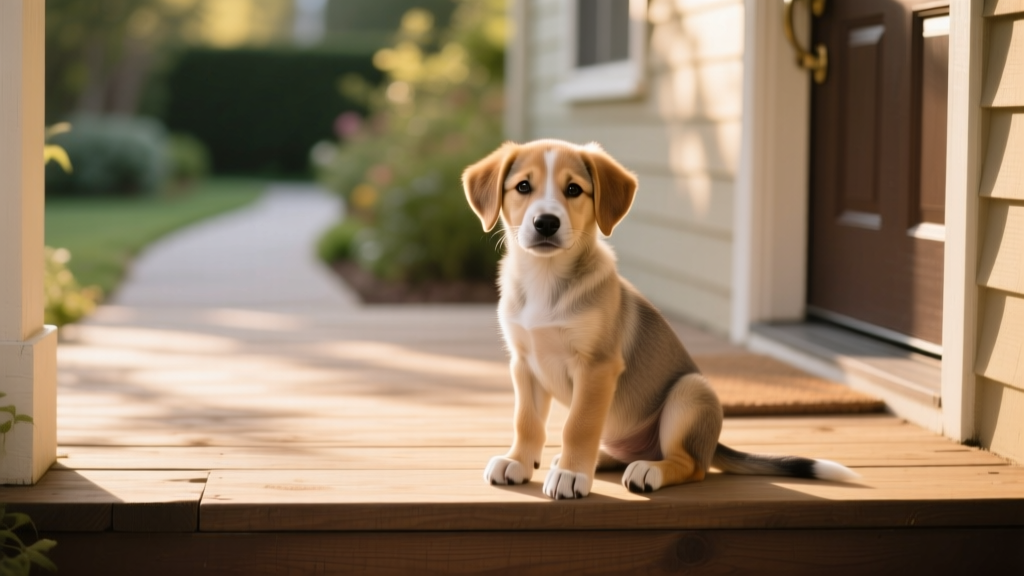
Mini Australian Shepherds — sometimes called Mini Aussies — pack the intelligence, herding drive, and loyalty of a full-size Australian Shepherd into a 20–40 lb package. That compact size makes mini australian puppies appealing to apartment dwellers and first-time owners, but don't let the smaller stature fool you. These are high-drive working dogs that need structured guidance from day one.
This guide covers every developmental stage from the day you bring your Mini Aussie home through their first birthday, with breed-specific advice on feeding, training, socialization, and health. All recommendations assume you're working alongside a licensed veterinarian for medical decisions.
When to Bring Your Mini Aussie Puppy Home
Responsible breeders of mini australian puppies will not release puppies before 8 weeks of age. The American Kennel Club and the AKC's puppy placement guidelines recommend 8–12 weeks as the ideal window.
Weeks 6–8 are a critical littermate socialization period. Puppies removed too early miss bite-inhibition lessons from siblings and the dam, which often translates to harder nipping and difficulty settling. If a breeder offers you a Mini Aussie at 5 or 6 weeks, treat this as a red flag.
Mini Australian Puppy Milestones: Week by Week
Mini Aussies mature slightly faster than giant breeds but slower than toy breeds. Expect your puppy to reach adult size (height) by 10–12 months, with filling-out continuing to 18 months.
| Age Range | Weight Estimate | Key Milestones | What to Expect |
|---|---|---|---|
| 4–8 weeks | 3–8 lb (1.4–3.6 kg) | Weaning, littermate play, first deworming | Puppy is with breeder; learning bite inhibition from siblings |
| 8–12 weeks | 8–15 lb (3.6–6.8 kg) | First vet visit, DHPP #1, home transition | Fear imprint period — keep experiences positive; frequent potty breaks |
| 12–16 weeks | 15–20 lb (6.8–9 kg) | DHPP #2 and #3, socialization peak | Teething begins; attention span lengthens; testing boundaries |
| 16–24 weeks | 20–30 lb (9–13.6 kg) | Rabies vaccine, spay/neuter consult | Adolescent energy surges; recall may regress; chewing peaks |
| 6–12 months | 25–40 lb (11.3–18.1 kg) | Adult teeth fully in, sexual maturity | Herding behaviors emerge (heel-nipping, circling); settle training critical |
Feeding Schedule and Portions for Mini Australian Puppies
Mini Aussies are prone to rapid growth if overfed, which can stress developing joints. Feed a small-breed puppy formula that meets AAFCO's growth/all-life-stages nutrient profile. Look for guaranteed analysis showing 22–28% crude protein and 8–17% crude fat.
| Age | Meals Per Day | Daily Total (Approx.) | Notes |
|---|---|---|---|
| 8–12 weeks | 4 | ¾–1 cup (170–225 g) | Soften kibble with warm water if needed |
| 12–16 weeks | 3 | 1–1¼ cups (225–280 g) | Transition to dry kibble fully |
| 4–6 months | 3 | 1¼–1¾ cups (280–395 g) | Adjust based on body condition score (BCS 4–5/9) |
| 6–12 months | 2 | 1½–2 cups (340–450 g) | Begin transitioning to adult formula at 10–12 months |
These are starting estimates. An active 15 lb Mini Aussie at 4 months burning energy through agility foundation work will need more than a sedentary counterpart. Use the rib-check method: you should feel ribs without pressing hard but not see them prominently.
Vaccination Schedule for Mini Australian Puppies
Your vet will tailor this schedule to your region's disease prevalence, but the core protocol follows AVMA and AAHA canine vaccination guidelines. Mini Aussies have no breed-specific vaccine contraindications, but MDR1 gene mutation carriers (roughly 20% of Mini Aussies, per Washington State University's veterinary genetics lab) should be flagged before any sedation or ivermectin-class drug use.
| Age | Vaccine | Notes |
|---|---|---|
| 6–8 weeks | DHPP #1 (Distemper, Hepatitis/Adenovirus, Parainfluenza, Parvovirus) | Often administered by breeder before pickup |
| 10–12 weeks | DHPP #2; Bordetella (optional, recommended for group classes) | Bordetella is intranasal or injectable; mild sneezing is normal for 24–48 hours post-intranasal |
| 14–16 weeks | DHPP #3; Rabies (required by law in most US states) | Final DHPP booster ensures maternal antibody interference has cleared |
| 12–16 months | DHPP booster; Rabies booster (1-year or 3-year depending on product) | After this, DHPP moves to every 3 years; discuss titer testing as an alternative |
Estimated cost for the full puppy vaccine series: $150–$300 depending on your clinic and region. Low-cost vaccine clinics may offer the series for $75–$120.
Socialization Window: Weeks 3–14
The primary socialization period closes around 14 weeks. For mini australian puppies — a breed with natural wariness of strangers and strong herding instincts — this window is non-negotiable. Under-socialized Mini Aussies are disproportionately represented in reactivity and fear-based aggression cases.
Before DHPP #3 is complete (around 16 weeks), avoid high-risk areas like dog parks and pet store floors. Instead, carry your puppy or use a stroller for controlled exposure.
Socialization Exposure Checklist
- Surfaces: grass, gravel, metal grates, wet pavement, sand, tile, wood floors
- Sounds: vacuum, thunderstorm recordings (start at low volume), traffic, doorbells, children yelling, clippers, hair dryers
- People: children under 10, tall men, people wearing hats/sunglasses/hoodies, people using wheelchairs or crutches, delivery drivers
- Animals: calm adult dogs (fully vaccinated), cats (controlled introduction), livestock if accessible
- Handling: paw touching, ear inspection, mouth opening, nail clipping simulation, collar/harness manipulation
- Environments: car rides, vet lobby (carry in), outdoor café patio, friend's house, elevator
Aim for 3–5 novel exposures per day, each paired with high-value treats (boiled chicken, freeze-dried liver). If your puppy shows fear — tucked tail, flattened ears, refusal to take food — increase distance and let them observe. Never force interaction.
Potty Training Timeline and Troubleshooting
Mini Aussies are intelligent and typically learn potty routines faster than many breeds, but "fully trained" means 4–6 months of consistent routine, not a weekend. Small bladders mean frequent trips early on.
| Age | Maximum Bladder Hold Time | Outing Frequency |
|---|---|---|
| 8–10 weeks | 1–2 hours | Every 1–2 hours + after every meal, nap, and play session |
| 10–14 weeks | 2–3 hours | Every 2–3 hours; overnight crate break needed |
| 14–20 weeks | 3–4 hours | Every 3–4 hours; overnight hold becomes possible for some |
| 5–6 months | 5–6 hours | 4–5 outings per day; most can sleep 7–8 hours overnight |
| 6–12 months | 6–8 hours | 3–4 outings per day; reliable overnight hold |
Common Mini Aussie potty problems:
- Submissive/excitement urination: Common in young Mini Aussies. Keep greetings low-key — ignore the puppy for 2–3 minutes after arriving home, then greet calmly at their level.
- Marking indoors (especially males, 5+ months): Neutering before 6–8 months reduces but doesn't eliminate marking. Supervise closely and interrupt with a neutral "oops" then redirect outside.
- Regression at 4–5 months: Coincides with increased independence and exploration. Return to frequent outings and reinforce with high-value treats for outdoor elimination.
Crate Training Progression
Crate training is essential for Mini Aussies, who can develop destructive behaviors quickly when left unconfined as puppies. The crate should be a 30-inch wire or plastic crate (suitable for adult Mini Aussie dimensions of 14–18 inches at the shoulder) with a divider panel for growing puppies.
| Age | Maximum Daytime Crate Duration | Overnight Duration |
|---|---|---|
| 8–10 weeks | 1–2 hours | 3–4 hours (set alarm for potty break) |
| 10–14 weeks | 2–3 hours | 4–5 hours |
| 14–20 weeks | 3–4 hours | 6–7 hours |
| 5–6 months | 4–5 hours | 7–8 hours |
| 6–12 months | 5–6 hours | 8 hours |
Never use the crate as punishment. Feed meals inside it with the door open, provide a stuffed Kong or lick mat, and practice short absences while your puppy is relaxed — not only when you're actually leaving.
Teething Timeline and Relief Strategies
Mini Aussie puppies begin losing deciduous (baby) teeth around 12–16 weeks, with adult teeth fully erupted by 6–7 months. The peak chewing urgency hits between 3–5 months.
Safe chew options for teething Mini Aussies:
- Frozen carrots — cheap, low-calorie, and the cold numbs sore gums
- Kong Classic (puppy rubber, blue/pink) stuffed with plain yogurt and banana, then frozen
- Benebone Puppy Wishbone — nylon chew sized for puppies under 30 lb
- Wet washcloth, twisted and frozen — supervise to prevent shredding and ingestion
Avoid: rawhide (choking and intestinal blockage risk), antlers and weight-bearing bones (tooth fractures), and any chew smaller than your puppy's muzzle width. If your puppy swallows a large piece of any chew material, contact your vet or the ASPCA Animal Poison Control at (888) 426-4435 (24/7, consultation fee applies).
Common Mini Aussie Puppy Problems and Solutions
Nipping and Herding Behavior
Mini Aussies were bred to herd livestock by nipping at heels. Your puppy will likely try this with children, running adults, and other pets. This is not aggression — it's instinct — but it must be redirected.
Solution: When teeth touch skin, say "oops" in a neutral tone and immediately withdraw attention for 10–15 seconds (step over a baby gate or turn away). Redirect to a tug toy. Teach children to stop moving when nipped — running triggers the herding chase. Reward four-on-the-floor behavior with treats.
Excessive Whining in the Crate
Mini Aussies are velcro dogs that bond intensely. Crate whining is usually protest or anxiety, not a potty signal (if you've timed outings correctly).
Solution: Wait for 3–5 seconds of silence before releasing from the crate. Covering the crate with a breathable blanket reduces visual stimulation. A Snuggle Puppy (with heartbeat simulator) can help the first 1–2 weeks. Avoid releasing during active whining — this reinforces the behavior.
Destructive Chewing
A bored Mini Aussie puppy will dismantle baseboards, shoes, and furniture within minutes. This breed needs mental work, not just physical exercise.
Solution: Provide 2–3 food puzzle toys daily (Kong Wobbler, Outward Hound Nina Ottosson puzzles). Rotate chews to maintain novelty. Puppy-proof one room completely rather than trying to protect the whole house. A tired puppy is a good puppy — 5 minutes of structured training tires a Mini Aussie more than 20 minutes of free running.
When Can Your Puppy Go Outside and Meet Other Dogs?
This is the most common question new Mini Aussie owners ask. The answer balances disease risk with the closing socialization window.
Before DHPP #2 (around 10–12 weeks): Carry your puppy in public. Avoid ground contact at dog parks, pet stores, and rest stops. Backyard exposure to your own vaccinated dogs is safe.
After DHPP #2 (10–12 weeks): Controlled walks on low-traffic residential sidewalks are acceptable. Puppy socialization classes that require proof of at least one DHPP vaccine are recommended by the Merck Veterinary Manual as beneficial and generally safe.
After DHPP #3 (14–16 weeks): Full public access is appropriate, including dog parks — though many trainers recommend avoiding dog parks entirely for Mini Aussies due to their herding style, which can trigger conflict with other dogs. Structured playdates with known, vaccinated dogs are preferable.
First-Year Cost Breakdown for a Mini Australian Puppy
| Category | Estimated Cost Range | Details |
|---|---|---|
| Puppy purchase (responsible breeder) | $1,500–$3,500 | Health-tested parents, OFA/PennHIP clearances, AKC registration, take-back clause |
| Adoption (rescue) | $200–$600 | Typically includes spay/neuter, initial vaccines, microchip |
| Veterinary (vaccines, exams, fecal tests) | $400–$800 | 3–4 puppy visits plus spay/neuter ($300–$700) |
| Food (small-breed puppy formula) | $300–$500 | Quality brands: $45–$70 per 25 lb bag lasting 6–8 weeks |
| Supplies (crate, harness, leash, toys, bed, gates) | $250–$500 | Initial setup; ongoing toy replacement $15–$30/month |
| Training (puppy class + group manners) | $200–$500 | 6–8 week group classes at $150–$250 per session block |
| Pet insurance (optional but recommended) | $360–$600 | $30–$50/month; Mini Aussies are predisposed to hip dysplasia and eye conditions |
| Grooming | $200–$400 | Mini Aussies need professional grooming every 8–12 weeks ($50–$80/session) or DIY with quality tools |
Total first-year estimate: $2,850–$6,800 (excluding purchase price). Pet insurance is strongly recommended — Mini Aussies carry genetic predispositions to hip dysplasia, progressive retinal atrophy (PRA), and epilepsy, all of which can require expensive long-term management.
Frequently Asked Questions About Mini Australian Puppies
When should I bring my mini australian puppy home?
Between 8–10 weeks of age. This aligns with the end of the littermate socialization period and the start of your critical socialization window. Puppies released before 8 weeks often show increased fear and bite-inhibition deficits.
How often should I feed my puppy at each age?
Four meals daily from 8–12 weeks, three meals from 12 weeks to 6 months, then two meals from 6 months onward. Always feed measured portions of a small-breed puppy formula meeting AAFCO growth standards.
When will my puppy be fully potty trained?
Most Mini Aussies are reliably house-trained by 5–6 months with a consistent schedule. Occasional accidents during excitement or illness may continue through 8–10 months. If accidents persist past 6 months despite consistent routine, consult your vet to rule out urinary tract infections or anatomical issues.
What vaccines does my puppy need and when?
The core series is DHPP at 6–8, 10–12, and 14–16 weeks, plus Rabies at 14–16 weeks. Bordetella is recommended if attending group classes. Your vet may also recommend Leptospirosis or Lyme vaccines depending on your region and lifestyle.
How do I stop puppy biting and nipping?
Withdraw attention immediately when teeth touch skin — step behind a gate or turn away for 10–15 seconds. Redirect to an appropriate chew toy. Teach children to freeze rather than run. Consistency across all household members is essential. Nipping typically decreases significantly by 5–6 months as adult teeth come in and impulse control improves.
When can my puppy go outside and meet other dogs?
Carry your puppy in public from day one for socialization exposure. Controlled ground-level walks on quiet sidewalks are safe after DHPP #2 (around 10–12 weeks). Full public access, including parks, is safe after DHPP #3 (14–16 weeks). Structured playdates with known, vaccinated dogs are preferable to dog parks for this breed.
Robin Maitland
All our authors care for dogs every day — read more of their work on the authors page.