Long Haired German Shepherd Puppies: Complete Care & Milestone Guide
Everything you need to raise long haired German Shepherd puppies: age milestones, feeding schedules, vaccination timelines, potty training, and first-year costs.
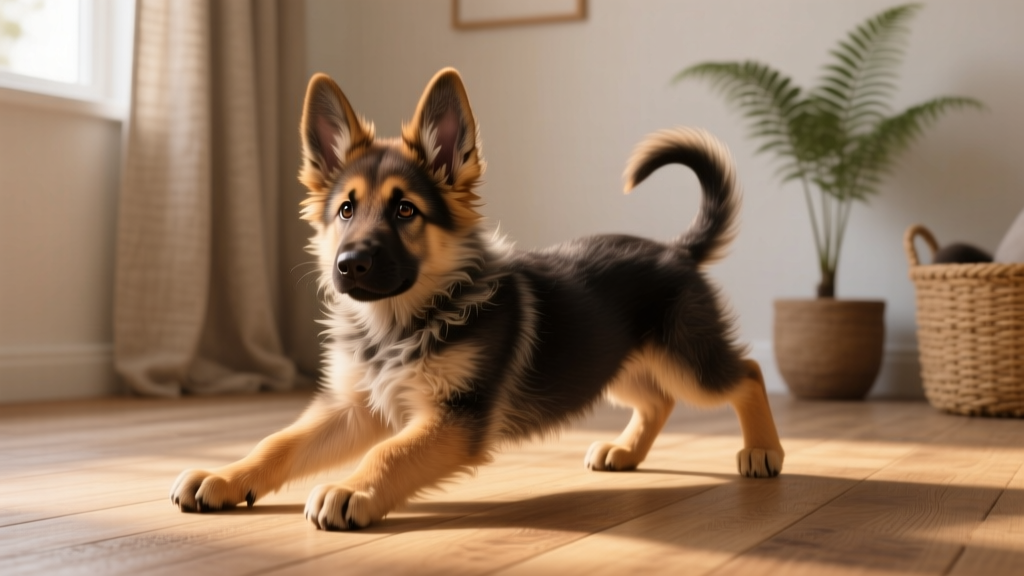
Long haired German Shepherd puppies are strikingly beautiful, but their plush coats and intense working-dog temperament demand a level of preparation that goes well beyond what most first-time owners expect. Unlike their short-coated counterparts, long haired GSDs lack a dense undercoat in many lines, which changes their grooming needs, cold-weather tolerance, and shedding patterns from puppyhood onward. Combined with the breed's hallmark intelligence, drive, and sensitivity, raising one of these puppies requires a structured plan from day one.
This guide walks you through every critical stage — from the moment you bring your puppy home through the end of the first year — with breed-specific timelines, feeding portions, training frameworks, and real cost data so there are no surprises.
When to Bring Your Long Haired German Shepherd Puppy Home
The AKC recommends that puppies remain with their mother and littermates until at least 8 weeks of age. For German Shepherds specifically, many responsible breeders keep puppies until 9 or even 10 weeks. Here's why that extra time matters:
- Weeks 4–8 (with breeder): Puppies learn bite inhibition from littermates, begin socialization with humans, and start the weaning process. A good breeder introduces novel surfaces, sounds, and gentle handling exercises during this window.
- Weeks 8–12 (the fear imprint period): This is when your puppy forms lasting associations. Bringing them home at 8 weeks means you control their environment during this sensitive period. However, some breeders prefer to keep puppies through 10 weeks to navigate the first fear period (typically 8–11 weeks) in a controlled setting.
What to verify before pickup: Your breeder should provide documentation of at least one DHPP vaccine (given at 6–8 weeks), a deworming record (pyrantel pamoate at 2, 4, 6, and 8 weeks), and a veterinary wellness exam. For long haired lines, ask whether both parents have been tested for degenerative myelopathy (DM) and whether hip/elbow scores from the Orthopedic Foundation for Animals (OFA) are available.
Age-Specific Milestones: What to Expect Week by Week
German Shepherds mature slower than many breeds, both physically and mentally. Your long haired GSD puppy won't reach full emotional maturity until roughly 2.5 to 3 years. Here's what each stage looks like:
| Age Range | Weight Range (lb / kg) | Key Milestones | Your Priorities |
|---|---|---|---|
| Weeks 4–8 | 5–16 lb / 2.3–7.3 kg | Weaning complete; littermate socialization; first DHPP vaccine; deciduous teeth fully erupted | Handled daily by breeder; exposed to varied surfaces and sounds |
| Weeks 8–12 | 16–30 lb / 7.3–13.6 kg | Peak socialization window; rapid bonding; first fear period (8–11 weeks); bladder control ~1 hour per month of age | Name recognition; crate introduction; socialization checklist; second DHPP |
| Weeks 12–16 | 30–45 lb / 13.6–20.4 kg | Socialization window closing; improved bladder control (2–3 hours); teething begins; testing boundaries | Basic cues (sit, down, come); leash walking; third DHPP; rabies vaccine |
| Weeks 16–24 | 45–65 lb / 20.4–29.5 kg | Adult teeth erupting; second fear period possible (around 6 months); growth plates still open; coat begins transitioning from puppy fuzz | Impulse control training; continued positive exposures; spay/neuter discussion with vet |
| 6–12 Months | 55–85 lb / 25–38.5 kg | Sexual maturity; adolescent testing phase; long coat fully developing (feathering on legs, chest, tail); nearing adult height by 10–12 months | Advanced training classes; structured exercise (not forced running); grooming routine solidified |
Feeding Schedule: Exact Portions by Age and Weight
German Shepherds are prone to rapid growth-related orthopedic issues, including hip dysplasia and panosteitis. The goal is steady, controlled growth — not maximum growth. Feed a large-breed puppy formula that meets AAFCO nutrient profiles for "growth" or "all life stages" and contains controlled calcium (1.0–1.5% on a dry matter basis).
| Age | Meals Per Day | Approximate Daily Amount | Notes |
|---|---|---|---|
| 8–12 weeks | 4 meals | 1.5–2.5 cups/day (split into 4 feedings of ~0.4–0.6 cups each) | Soak kibble in warm water if puppy struggles to chew; transition from breeder's food over 7 days |
| 12–16 weeks | 3 meals | 2.5–3.5 cups/day (split into 3 feedings of ~0.8–1.2 cups each) | Monitor body condition score (BCS); ribs should be palpable but not visible |
| 4–6 months | 3 meals | 3–4.5 cups/day (split into 3 feedings of ~1–1.5 cups each) | Growth rate slows slightly; adjust based on BCS, not age alone |
| 6–12 months | 2 meals | 3.5–5 cups/day (split into 2 feedings of ~1.75–2.5 cups each) | Transition to adult large-breed formula around 12–15 months per your vet's recommendation |
Portion precision matters. These ranges assume a large-breed puppy kibble with approximately 350–400 kcal/cup. Always check your specific food's feeding chart and adjust based on your puppy's body condition. An overweight GSD puppy puts excess stress on developing joints — a major risk factor for hip dysplasia, which affects roughly 19% of German Shepherds according to OFA data.
Vaccination Schedule and When Your Puppy Can Go Outside
One of the most common questions new GSD owners ask is: "When can my puppy go outside and meet other dogs?" The answer requires balancing disease protection with the critical socialization window.
| Age | Vaccines | Outside Access |
|---|---|---|
| 6–8 weeks | DHPP (Distemper, Hepatitis/Adenovirus, Parainfluenza, Parvovirus) — 1st dose; Bordetella (optional, recommended if attending puppy classes) | Breeder's controlled environment only |
| 10–12 weeks | DHPP — 2nd dose; Leptospirosis (2-dose series, 1st dose); Lyme disease vaccine (if in endemic area, per vet recommendation) | Carried outings for socialization (parks on blanket, outdoor cafés); avoid dog parks and unknown dogs. Private yard is okay if no unknown dogs have access. |
| 14–16 weeks | DHPP — 3rd (final puppy) dose; Rabies (required by law in most US states); Leptospirosis 2nd dose (if started) | Full outdoor access typically safe 1 week after final DHPP (~17 weeks). Dog parks okay after full series completion, but many trainers recommend structured playdates over dog parks for GSDs. |
The socialization paradox: The AVMA and the American Veterinary Society of Animal Behavior (AVSAB) both emphasize that the risk of behavioral problems from inadequate socialization outweighs the disease risk for puppies who have had at least their first DHPP vaccine. Carry your puppy, use a stroller, or visit controlled environments — just don't wait until 17 weeks to start exposing them to the world.
Socialization Window: Your 3–14 Week Checklist
The primary socialization period for puppies closes around 12–14 weeks. For a breed as alert and protective as the German Shepherd, this window is non-negotiable. An undersocialized GSD is significantly more likely to develop fear-based reactivity, which is far harder to rehabilitate than to prevent.
Target: 100+ positive exposures by 14 weeks. Each exposure should be paired with high-value treats (boiled chicken, small cheese pieces) and should end before the puppy shows stress signals (lip licking, yawning, tucked tail, freezing).
- Men with hats, beards, sunglasses
- Children of various ages (supervised)
- People in wheelchairs, using crutches
- Umbrellas opening and closing
- Vacuum cleaners, blenders, thunder sounds
- Car rides (short, positive destinations)
- Grass, gravel, metal grates, wet surfaces
- Elevators, automatic doors, stairs
- Other vaccinated, friendly adult dogs
- Cats (if household has them)
- Vet visits (happy visits, no procedures)
- Grooming tools: brush, nail clippers, ear cleaner
- Being handled: paws, ears, mouth, tail
- Different collar/harness types
- Sitting calmly on a mat while activity happens nearby
Long haired GSD-specific note: Begin handling their ears, paw fur, and tail feathering daily from 8 weeks. These dogs often develop sensitivity to grooming if it isn't introduced as a normal, rewarding experience during puppyhood. Use a soft slicker brush and reward after every 3–5 strokes.
Potty Training Timeline and Troubleshooting
When will my puppy be fully potty trained? Realistically, most German Shepherd puppies achieve reliable house training between 5 and 7 months of age. Some may have occasional accidents until 9–10 months, especially males as they begin marking behavior around sexual maturity.
The general rule: a puppy can hold their bladder for approximately one hour per month of age, plus one. So a 3-month-old puppy can hold it for roughly 4 hours maximum — but you should take them out far more frequently than that to build the habit.
| Age | Max Hold Time | Recommended Outing Frequency | Nighttime Expectation |
|---|---|---|---|
| 8–10 weeks | 1–2 hours | Every 30–60 minutes while awake; immediately after eating, drinking, playing, napping | 1–2 overnight wake-ups expected; set alarm for 2–3 AM |
| 10–14 weeks | 2–3 hours | Every 1–1.5 hours while awake | 1 overnight wake-up; may begin sleeping 5–6 hour stretches |
| 3–4 months | 3–4 hours | Every 1.5–2 hours while awake | Most puppies sleep 6–8 hours overnight |
| 5–7 months | 5–7 hours | Every 2–3 hours; developing reliable signaling | Sleeping through the night consistently |
Troubleshooting common potty training issues:
- Submissive urination when greeted: Common in GSD puppies. Ignore the puppy for the first 2 minutes when arriving home; greet calmly at their level without looming over them. This typically resolves by 6–8 months.
- Excitement urination during play: Take more frequent potty breaks during active play sessions. Don't punish — it's involuntary.
- Regression after progress: Often coincides with fear periods or environmental changes. Return to higher-frequency outings for 1–2 weeks.
Crate Training Progression and Time Limits
Crate training is essential for German Shepherds — this is a breed that benefits enormously from having a defined "den" and from the management a crate provides during the destructive chewing phase. Use a 42-inch wire crate (the adult size for most GSDs) with a divider panel to adjust the space as your puppy grows.
Crate time limits by age:
- 8–10 weeks: 30–60 minutes maximum during the day; overnight as needed (expect whining — take out for potty, return to crate immediately)
- 10–14 weeks: 1–2 hours during the day; overnight stretches increasing
- 3–4 months: 2–3 hours during the day; overnight 6–8 hours
- 5–6 months: 3–4 hours during the day; overnight 8 hours
- 7+ months: 4–5 hours maximum during the day; never crate a dog for 8+ hours while you're at work without a midday break
Building positive crate association: Feed all meals in the crate with the door open for the first 2 weeks. Introduce stuffed Kongs (frozen with peanut butter and kibble) as crate-only enrichment. Never use the crate as punishment. If your puppy whines after being settled and pottied, wait for 3–5 seconds of silence before releasing — releasing mid-whine teaches that noise opens the door.
Teething Timeline and Safe Chew Strategies
German Shepherd puppies begin losing their 28 deciduous (baby) teeth around 12–16 weeks, with all 42 adult teeth typically erupted by 6–7 months. The peak chewing intensity occurs between 4 and 6 months.
Teething relief strategies:
- Frozen washcloths: Wet a clean washcloth, twist into a rope, freeze, and supervise chewing. Replace once thawed.
- Benebone Wishbone or Nylabone Puppy Chew: Sized appropriately for your puppy's current weight (check packaging — a 20 lb puppy needs the "small" or "puppy" version, not the adult large).
- Frozen carrots: A low-calorie, safe option that provides gentle gum pressure.
- West Paw Toppl: Stuffable rubber toy that can be frozen with yogurt or pureed pumpkin.
What to avoid: Rawhide (choking and blockage risk), antlers and weight-bearing bones (tooth fracture risk in young puppies with developing teeth), and any chew toy small enough to be swallowed whole. If you find a baby tooth on the floor, don't worry — this is normal. However, if you notice adult teeth erupting while baby teeth are still firmly in place ("retained deciduous teeth"), mention it at your next vet visit; surgical extraction may be needed.
Common Puppy Problems: Breed-Specific Solutions
Puppy Biting and Nipping
How do I stop puppy biting/nipping? German Shepherd puppies are mouthy — this is a herding breed that was selected to use their mouths. Biting peaks between 8 and 16 weeks and can be intense.
- Redirect to a toy: Every time teeth touch skin, say "oops" calmly, withdraw attention for 5 seconds, then offer an appropriate chew toy. Reward chewing on the toy with praise.
- Time-outs: If redirecting fails after 2–3 attempts in a session, calmly place the puppy in a pen or crate for 30–60 seconds to decompress. This is not punishment — overtired puppies bite more, and GSD puppies often don't self-regulate sleep.
- Enforce naps: A puppy that's been awake for more than 1.5–2 hours is likely overtired. Crate them for a 1–2 hour nap. Many "behavior problems" dissolve after sleep.
- Never use physical punishment: Alpha rolls, muzzle grabbing, or hitting will damage your GSD's trust and can create defensive aggression. Force-free methods build a confident, cooperative dog.
Whining and Vocalization
GSDs are vocal dogs. Crate whining at night typically improves within 5–7 nights if you follow a consistent routine (last potty at 11 PM, crate covered with a breathable blanket, white noise machine nearby). Daytime demand whining should be ignored — rewarding vocalization with attention, even negative attention, reinforces it.
Destructive Chewing
Long haired GSD puppies will chew baseboards, shoes, and furniture if left unsupervised. Management is the solution: puppy-proof one or two rooms, use baby gates, and provide a rotation of 5–7 appropriate chew toys (rotating keeps novelty high). The intense chewing phase typically subsides significantly by 8–10 months once adult teeth are fully set.
First-Year Cost Breakdown
Budgeting realistically prevents surrender — German Shepherds are among the most commonly surrendered breeds when owners underestimate costs. Here's a 2026 estimate for the first year:
| Category | Items | Estimated Cost Range |
|---|---|---|
| Puppy Purchase | Responsible breeder (health-tested parents, AKC registered) OR rescue/adoption fee | $1,500–$3,500 (breeder) / $200–$600 (rescue) |
| Veterinary Care | Wellness exams (3–4 visits), puppy vaccine series, rabies, fecal tests, deworming, heartworm prevention, spay/neuter | $800–$1,500 |
| Food | Large-breed puppy formula, transitioning to adult formula; treats for training | $500–$900 |
| Supplies | 42-inch crate with divider, 6-foot leash, harness, grooming tools (slicker brush, undercoat rake), chew toys, baby gates, potty supplies, bed | $350–$600 |
| Training | Puppy socialization class, basic obedience (group or private); optional board-and-train | $200–$600 (group) / $1,000–$2,500 (private/board-and-train) |
| Pet Insurance | Accident + illness policy (recommended for GSDs given hip/elbow/digestive predispositions) | $40–$75/month ($480–$900/year) |
| Grooming | Long haired GSDs need regular brushing (3–4x/week at home); professional grooming optional for sanitary trims | $0–$400 (home grooming to occasional professional) |
| Total Estimated First Year | $4,230–$8,600+ |
Emergency veterinary visits are not included in this range. A single emergency visit for bloat (GDV), foreign body ingestion, or parvovirus treatment can cost $2,000–$7,000+. This is why pet insurance, purchased before any conditions develop, is strongly recommended for this breed.
Frequently Asked Questions
How often should I feed my long haired German Shepherd puppy at 10 weeks old?
At 10 weeks, feed 4 meals per day, totaling approximately 1.5–2.5 cups of large-breed puppy kibble daily (roughly 0.4–0.6 cups per meal). Adjust based on your puppy's body condition score — you should be able to feel ribs easily without pressing hard, and the puppy should have a visible waist when viewed from above.
When can my long haired GSD puppy go to the dog park?
Wait until at least one week after the final DHPP vaccine, which is typically around 17 weeks of age. Even then, many behaviorists recommend structured playdates with known, vaccinated dogs over public dog parks for German Shepherds, as dog parks can reinforce reactive behavior in herding/guarding breeds.
Does the long coat require special grooming from puppyhood?
Yes. Start brushing 3–4 times per week with a soft slicker brush from 8 weeks onward to build tolerance. Long haired GSDs don't typically have the dense undercoat of standard GSDs, so they shed less seasonally but need consistent detangling, especially behind the ears, in the armpits, and on the rear feathering. Never shave a long haired GSD — the coat provides temperature regulation and skin protection.
My puppy is limping — should I be worried?
Intermittent lameness in a growing GSD puppy could indicate panosteitis (inflammation of the long bones, common between 5–14 months), hip dysplasia, or a simple soft tissue injury. While panosteitis is self-limiting, any lameness lasting more than 48 hours, accompanied by swelling, or causing the puppy to refuse to bear weight warrants a veterinary exam. Consult your veterinarian rather than waiting it out.
Are long haired German Shepherds recognized by the AKC?
Yes. Long coats are a recognized but faulted variety in the AKC German Shepherd breed standard. They can be registered and participate in all AKC events (obedience, agility, rally, tracking, herding) but are disqualified from conformation shows. The long coat is caused by a recessive gene (FGF5), and two short-coated carriers can produce long haired puppies.
How much exercise does my long haired GSD puppy need?
Follow the "5 minutes per month of age, twice daily" guideline as a starting point: a 4-month-old gets roughly 20 minutes of structured exercise (walking, training games) twice daily. Avoid forced running, jumping from heights, or repetitive fetch on hard surfaces until growth plates close (typically 14–18 months for large breeds). Mental exercise — puzzle feeders, training sessions, sniff walks — tires a GSD puppy more effectively than physical exercise alone.
Beth Carrasco
All our authors care for dogs every day — read more of their work on the authors page.


