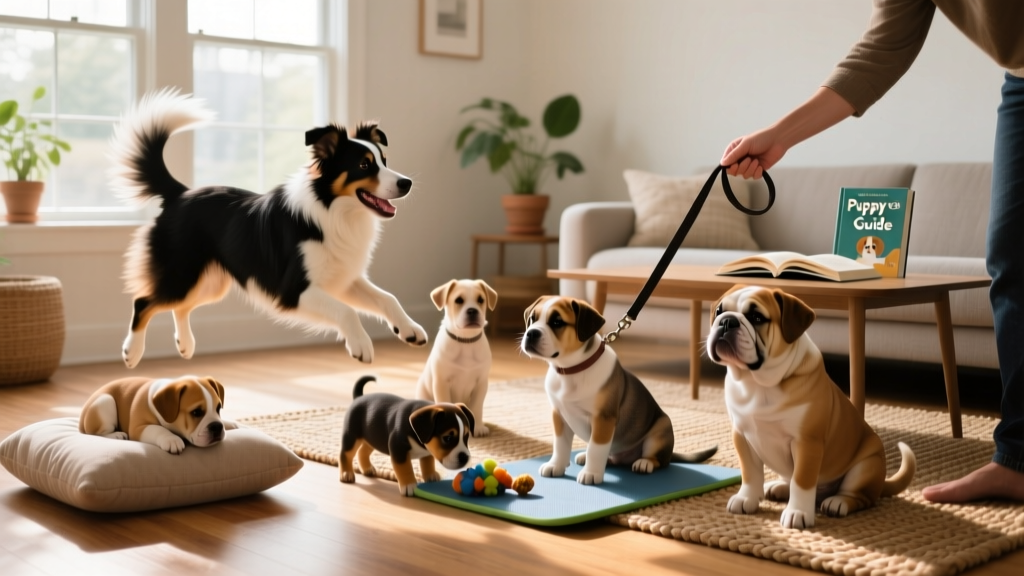
King Charles Spaniel Cavalier Puppies
Your week-by-week guide to raising King Charles Spaniel Cavalier puppies — milestones, feeding, potty training, vaccines, socialization, and first-year costs.

When Should You Bring Your Cavalier King Charles Spaniel Puppy Home?
The ideal window to bring a Cavalier King Charles Spaniel puppy home is between 8 and 10 weeks of age. While some breeders release puppies at 8 weeks, many reputable Cavalier breeders prefer to hold them until 10–12 weeks. This isn't arbitrary — Cavaliers are a brachycephalic-adjacent breed with sensitive temperaments, and those extra weeks with the litter allow for crucial bite inhibition learning and littermate socialization that you simply cannot replicate at home.
Before pickup day, confirm your breeder has completed the puppy's first DHPP vaccination (typically given at 6–8 weeks), a first deworming round, and a veterinary wellness exam. Ask for written records. If you're adopting through a Cavalier rescue such as those affiliated with the American Cavalier King Charles Spaniel Club, expect the puppy to have similar baseline care completed.
Cavalier Puppy Milestones: Week by Week
Cavalier King Charles Spaniel puppies develop on a fairly predictable timeline, but individual variation is normal — especially between the smaller "Blenheim" and larger "Tri-color" lines. Here's what to expect at each stage.
Weeks 4–8: The Breeder's Window
During this period your puppy is still with the breeder or rescue. Eyes and ears are fully open, deciduous (baby) teeth are erupting, and the puppy is learning canine communication through play with littermates. By week 6, most Cavalier puppies are fully weaned onto softened kibble. The critical socialization period begins around week 3, so responsible breeders are exposing puppies to household sounds, different textures, and gentle handling. Weight at 8 weeks typically ranges from 3–5 lb (1.4–2.3 kg).
Weeks 8–12: Home Adjustment
This is the bonding and acclimation phase. Your Cavalier puppy will sleep 18–20 hours per day. Expect the "fear imprint period" (roughly 8–11 weeks) — avoid traumatic experiences like aggressive grooming or loud environments. Puppy weight at 12 weeks should be approximately 5–8 lb (2.3–3.6 kg). Baby teeth are fully in (28 deciduous teeth), and the puppy can handle short training sessions of 3–5 minutes.
Weeks 12–16: Confidence Building
Your puppy's personality emerges in full. Cavaliers at this stage are eager to please and respond beautifully to positive reinforcement — food motivation is typically very high. Bladder control improves but is not reliable. Weight reaches approximately 7–11 lb (3.2–5 kg). You'll notice increased exploration and the beginnings of leash-walking competence.
Weeks 16–24: The Teenage Phase
Adult teeth begin erupting around 16 weeks (teething peaks at 4–5 months). Your Cavalier may temporarily "forget" trained cues — this is normal adolescent regression. Energy levels increase, but Cavaliers are not high-endurance dogs; 20–30 minutes of structured activity twice daily is appropriate. Weight at 6 months averages 10–14 lb (4.5–6.4 kg).
Months 6–12: Approaching Adulthood
Most Cavaliers reach close to their adult size by 10–12 months. Adult weight per the AKC breed standard is 13–18 lb (5.9–8.2 kg) with a height of 12–13 inches (30–33 cm) at the withers. Spay/neuter is typically performed between 6–9 months — discuss timing with your veterinarian, as some research suggests waiting until after growth plates close may benefit joint health in small breeds.
Feeding Schedule for Cavalier King Charles Spaniel Puppies
Cavaliers are prone to obesity as adults, so establishing measured feeding habits early is critical. Choose a small-breed puppy formula that carries an AAFCO statement of nutritional adequacy for growth. Target a formula with 22–28% crude protein and 8–15% crude fat on a dry-matter basis.
| Age | Meals Per Day | Portion Per Meal (Dry Kibble) | Daily Total |
|---|---|---|---|
| 8–12 weeks | 4 meals | ¼ cup | 1 cup |
| 12–16 weeks | 3 meals | ⅓ cup | 1 cup |
| 4–6 months | 3 meals | ⅓ – ½ cup | 1 – 1½ cups |
| 6–9 months | 2 meals | ½ – ⅔ cup | 1 – 1⅓ cups |
| 9–12 months | 2 meals | ½ – ¾ cup | 1 – 1½ cups |
Important: These are baseline portions for an average Cavalier puppy. Adjust based on body condition score (BCS) — you should be able to feel ribs without pressing hard, and see a visible waist when viewed from above. Transition to an adult small-breed formula between 10–12 months. Always consult your veterinarian if your puppy is gaining too quickly or refusing food for more than 24 hours.
Potty Training Timeline and Realistic Expectations
Cavalier King Charles Spaniels are generally cooperative to house train, but their small bladders mean frequent trips outside are non-negotiable in the early months. Here's a realistic timeline — not the "trained in a weekend" promises you'll see online.
The Bladder Rule
A puppy can hold their bladder for approximately one hour per month of age, plus one. A 3-month-old Cavalier can hold for roughly 4 hours during the day — but you should still take them out every 1–2 hours to reinforce the habit and prevent accidents before they happen.
Daily Potty Schedule Template
- Immediately upon waking (morning and after every nap)
- Within 15–20 minutes after each meal
- After every play session
- Before crating
- Before bedtime — take a final trip outside as late as possible
Troubleshooting Common Issues
Submissive urination: Very common in young Cavaliers. This is not a house-training failure — it's an emotional response. Avoid direct eye contact or leaning over the puppy when greeting. Crouch sideways and offer a treat at floor level. Most outgrow this by 6–8 months.
Excitement urination: Similar mechanism. Keep greetings calm and low-key. Take the puppy outside immediately when guests arrive rather than letting them get worked up indoors.
Nighttime accidents after 5 months: Rule out a urinary tract infection (UTI) with your vet — Cavaliers, especially females, are somewhat prone to UTIs. If health checks are clear, reduce water intake 90 minutes before bed and add a late-night potty break.
Socialization Window: Weeks 3–14
The American Veterinary Medical Association and the American Veterinary Society of Animal Behavior both emphasize that the primary socialization period for puppies closes around 12–14 weeks. For Cavaliers — a breed selected for centuries to be companionable and gentle — positive early exposures are what cement their famously sweet temperament. Miss this window and you risk a timid, reactive adult dog.
Cavalier Socialization Checklist (Weeks 8–14 at Home)
- ☐ Meet at least 10 different people (varying ages, heights, ethnicities, wearing hats/glasses/coats)
- ☐ Gentle handling of paws, ears, mouth, and tail daily (prepares for grooming and vet exams)
- ☐ Exposure to household sounds: vacuum cleaner (start at low volume from another room), doorbell, TV, washing machine
- ☐ Walk on different surfaces: tile, carpet, grass, gravel, metal grates
- ☐ Ride in the car 3–5 times for short positive trips (not just to the vet)
- ☐ Meet 2–3 vaccinated, friendly adult dogs in controlled settings
- ☐ Experience being alone in a safe space for 5–15 minutes (builds independence; Cavaliers are prone to separation anxiety)
- ☐ Encounter an open umbrella, a rolling suitcase, and a person on a bicycle (from a safe distance)
- ☐ Visit a veterinary clinic for a "happy visit" — just treats and praise, no procedures
- ☐ Gentle introduction to a brush and nail clippers (touch without cutting)
Key principle: Every new experience should be paired with high-value treats (small pieces of boiled chicken or commercial training treats). If your puppy shows fear, increase distance and let them observe. Never force a Cavalier puppy into a scary situation — this breed's sensitivity means forced exposure can create lasting phobias.
Vaccination Schedule for Cavalier Puppies
Your veterinarian will tailor the vaccine protocol to your region and your puppy's risk profile, but the core schedule follows guidelines established by the AVMA and the American Animal Hospital Association (AAHA). Below is the standard framework for a Cavalier King Charles Spaniel puppy.
| Age | Vaccine | Type | Notes |
|---|---|---|---|
| 6–8 weeks | DHPP (Distemper, Hepatitis, Parainfluenza, Parvovirus) | Core | Usually given by breeder before pickup |
| 10–12 weeks | DHPP booster + Bordetella (kennel cough) | Core + Lifestyle | Bordetella recommended if attending puppy classes |
| 14–16 weeks | DHPP final booster + Rabies | Core | Rabies required by law in most US states |
| 12–16 weeks (optional) | Leptospirosis, Lyme disease | Lifestyle | Discuss with your vet based on local prevalence |
Crate Training Progression for Cavaliers
Cavaliers can adapt well to crate training, but their strong attachment to people means you'll need to build positive associations gradually. The crate should never be used as punishment.
Time Limits by Age
| Age | Maximum Daytime Crate Time | Maximum Nighttime Crate Time |
|---|---|---|
| 8–10 weeks | 30–60 minutes | 2–3 hours (expect a midnight potty break) |
| 10–14 weeks | 1–2 hours | 3–4 hours |
| 3–4 months | 2–3 hours | 5–6 hours |
| 5–6 months | 3–4 hours | 7–8 hours |
| 6+ months | 4–5 hours | 8 hours |
Progression steps: Start by feeding meals inside the open crate. Then close the door during meals. Next, leave the room for 30 seconds while the puppy is inside with a stuffed Kong, gradually extending absences. A crate size of 24 inches long × 18 inches wide × 21 inches high fits most adult Cavaliers; for puppies, use a divider panel in a crate this size so the space grows with them.
Teething Timeline and Relief Strategies
Cavalier puppies begin losing their 28 deciduous teeth around 12–16 weeks, with the process largely complete by 6–7 months when all 42 adult teeth have erupted. Peak discomfort typically hits between 4 and 5 months.
What to Expect
- Increased chewing on everything — shoes, furniture edges, your hands
- Small amounts of blood on chew toys (normal; a few drops is not concerning)
- Temporary decrease in appetite as gums are sore
- Occasional "puppy breath" odor as teeth loosen
Safe Relief Strategies
Frozen washcloth: Soak a clean washcloth in water, twist into a rope, and freeze. Let your puppy chew under supervision. The cold numbs sore gums.
Rubber chew toys: Kong Classic (size Small, red rubber) filled with plain yogurt and frozen, or the Nylabone Puppy Chew in lamb flavor. Avoid hard nylon bones and real antlers — Cavalier teeth are relatively small and can fracture on excessively hard surfaces.
Chilled carrots: Full-size carrots kept in the fridge offer a crunchy, low-calorie chew option. Always supervise to prevent choking.
Common Cavalier Puppy Problems and Solutions
Puppy Biting and Nipping
Cavalier puppies mouth and nip — it's how they explore and play. However, the solution is never to yelp loudly, hold the mouth shut, or use physical corrections. These methods can damage the trust-based bond this breed thrives on.
What works: When teeth touch skin, immediately stop all interaction — stand up, cross your arms, and be still for 10–15 seconds (a "time-out" from fun). Then redirect to an appropriate chew toy and reward chewing on the toy with praise. Consistency from every household member is essential. Most Cavaliers significantly reduce mouthing by 5–6 months when adult teeth are in.
Separation Anxiety Whining
This breed was literally developed to sit on royal laps. Independence does not come naturally. Start with 30-second alone sessions in the crate while you're in the next room, and build up over weeks. Leave a piece of clothing that smells like you in the crate. If whining escalates to panic (destruction, self-injury, prolonged screaming), consult a certified professional dog trainer (CPDT-KA) or veterinary behaviorist early — separation anxiety rarely resolves on its own and worsens with time.
Destructive Chewing
Cavaliers are moderate chewers compared to breeds like Labs, but a bored or anxious puppy will still destroy baseboards and remote controls. Management is the answer: puppy-proof one or two rooms using baby gates, provide a rotation of 4–5 appropriate chew toys (rotating keeps novelty high), and ensure your puppy gets adequate physical exercise (two 15–20 minute walks daily for a puppy over 4 months) and mental stimulation (snuffle mats, food puzzles, short training sessions).
First-Year Cost Breakdown for a Cavalier King Charles Spaniel
Budgeting realistically prevents unpleasant surprises. The following reflects 2026 average US pricing for a Cavalier puppy in a moderate cost-of-living area. Urban centers (NYC, SF, Seattle) will run 20–40% higher on veterinary and grooming costs.
| Category | Low Estimate | High Estimate | Details |
|---|---|---|---|
| Puppy purchase (breeder) | $2,500 | $4,500 | Health-tested AKC breeder; rescue adoption $300–$600 |
| Veterinary (wellness + vaccines) | $500 | $900 | 3 puppy visits, DHPP series, rabies, fecal tests, heartworm prevention |
| Spay/neuter | $300 | $700 | Varies by clinic; pre-anesthetic bloodwork recommended |
| Food (12 months) | $300 | $550 | Quality small-breed puppy → adult formula |
| Supplies (crate, bed, leash, bowls, toys, gates) | $200 | $450 | One-time purchases; budget more for premium brands |
| Grooming | $200 | $500 | Cavaliers need brushing 3–4×/week; professional bath/trim every 6–8 weeks optional |
| Training (puppy class + basic obedience) | $150 | $400 | Group classes; private sessions cost more |
| Pet insurance (annual premium) | $400 | $700 | Strongly recommended for Cavaliers due to mitral valve disease risk |
| TOTAL (excluding puppy purchase) | $2,050 | $4,200 |
Frequently Asked Questions
How often should I feed my Cavalier puppy at 10 weeks?
At 10 weeks, feed 4 meals per day, approximately ¼ cup of small-breed puppy kibble per meal (1 cup total daily). Space meals roughly 4 hours apart during waking hours — for example, 7 AM, 11 AM, 3 PM, and 7 PM. Always provide fresh water, but you can remove the water bowl 90 minutes before bedtime to reduce overnight potty needs.
When will my Cavalier puppy be fully potty trained?
Most Cavalier King Charles Spaniels achieve reliable house training between 4 and 6 months of age. "Reliable" means fewer than one accident per month with consistent routine. If your puppy is still having daily accidents past 6 months, consult your veterinarian to rule out UTIs or other medical causes before assuming it's a behavioral issue.
How do I stop my Cavalier puppy from biting my hands?
Use the redirect-and-withdraw method: when teeth touch skin, immediately stop interaction for 10–15 seconds, then offer an appropriate chew toy. Reward chewing on the toy with calm praise. Never hit, yell, or hold the puppy's mouth shut — these methods damage trust and can increase fear-based biting. Most Cavaliers naturally reduce mouthing by 5–6 months as adult teeth come in.
What vaccines does my Cavalier puppy need and when?
The core schedule includes DHPP at 6–8, 10–12, and 14–16 weeks, plus Rabies at 14–16 weeks. Lifestyle vaccines (Bordetella, Leptospirosis, Lyme) depend on your area and activities. Your veterinarian will customize the protocol. Never skip the final DHPP booster at 14–16 weeks — maternal antibodies can interfere with earlier doses, making the final booster essential for full immunity.
When can my Cavalier puppy go to the dog park?
Wait until at least one week after the final DHPP booster (typically given at 14–16 weeks), so around 17 weeks of age at the earliest. Even then, dog parks carry risks of injury and disease exposure for a small 10–12 lb puppy. Many experienced Cavalier owners prefer controlled playdates with known, vaccinated dogs in fenced yards instead of public dog parks.
Tom Renshaw
All our authors care for dogs every day — read more of their work on the authors page.