King Charles Cavalier Puppy: Week-by-Week Care & Training Guide
Complete king charles cavalier puppy guide covering milestones, feeding schedules, potty training, vaccinations, socialization, and first-year costs.

When Should You Bring Your Cavalier Puppy Home?
The ideal age to bring a Cavalier King Charles Spaniel puppy home is between 8 and 10 weeks. Reputable breeders typically hold puppies until at least 8 weeks — some prefer 10 to 12 weeks for Cavaliers, given their sensitive temperament and the breed's slower emotional maturation compared to hardier sporting breeds. The AKC recommends that puppies remain with their littermates through the primary socialization period (weeks 3–5) to learn bite inhibition and canine communication.
Bringing a Cavalier puppy home before 8 weeks increases the risk of fear-based behaviors, separation anxiety, and poor bite inhibition — issues this breed is already predisposed to. If your breeder suggests 12 weeks, consider it a gift: those extra weeks with the litter often produce a more confident, well-adjusted companion.
King Charles Cavalier Puppy Milestones: Week by Week
Weeks 4–8: The Litter Phase (Breeder's Domain)
During this window, your puppy is still with the breeder. Key developmental events include:
- Week 4: Baby teeth begin erupting; puppies start lapping gruel (puppy mush mixed with warm water).
- Week 5–6: Play-fighting intensifies — this is where bite inhibition foundations are laid. Puppies learn that biting too hard ends play.
- Week 7–8: Fear imprint period begins. Negative experiences during this week can create lasting phobias. A quality breeder introduces novel surfaces (tarps, wobble boards), sounds (vacuum, doorbell recordings at low volume), and gentle handling of paws, ears, and mouth.
Weeks 8–12: The Homecoming Window
This is your puppy's most impressionable period in your home. Expect:
- Sleep: 18–20 hours per day. Your puppy will need enforced naps every 1–2 hours.
- Crying at night: Normal for the first 3–7 nights. A Snuggle Puppy with a heartbeat simulator ($30–$45) can ease the transition.
- Chewing: Teething discomfort begins around week 10. Expect mouthing of hands, shoes, and furniture.
- Potty frequency: Every 30–60 minutes when awake. Yes, really.
Weeks 12–16: Confidence Building
Your Cavalier puppy becomes more exploratory and responsive to training:
- Can learn sit, down, and name recognition reliably.
- Attention span extends to 5–10 minutes per training session.
- Second fear imprint period may occur around week 14 — previously confident puppies may suddenly startle at familiar objects.
- Bladder control improves to approximately 1 hour per month of age (3 months = ~3 hours max hold time).
Weeks 16–24: The Adolescent Transition
This is where many first-time Cavalier owners feel blindsided:
- Teething peak: Adult teeth erupt between 4–6 months, causing intense chewing urges.
- "Selective hearing": Previously reliable recall may temporarily deteriorate.
- Coat change: Puppy coat begins transitioning to adult feathering; grooming needs increase.
- Energy shifts: Expect 30–45 minutes of active play needs per day, broken into sessions.
Months 6–12: Approaching Maturity
Cavaliers mature emotionally slower than many breeds — don't expect full behavioral maturity until 18–24 months. During this phase:
- Spay/neuter is typically performed between 6–9 months (consult your veterinarian on timing, as some evidence supports waiting until after growth plate closure).
- Adult exercise routines can be established: 30–45 minutes of walking plus play, twice daily.
- Heart screening should be discussed with your vet — mitral valve disease (MVD) is the breed's most significant health concern, and early baseline monitoring is valuable.
Feeding Schedule: Portions by Age and Weight
Cavalier King Charles Spaniels are a small-to-medium breed, typically reaching 13–18 lb (5.9–8.2 kg) as adults. Their feeding needs change rapidly during puppyhood. Choose an AAFCO-approved small-breed puppy formula with a named first protein (chicken, lamb, or salmon) and DHA for brain development.
| Age | Meals Per Day | Portion Per Meal (approx.) | Total Daily Amount | Notes |
|---|---|---|---|---|
| 8–12 weeks | 4 | ¼ – ⅓ cup | 1 – 1⅓ cups | Moisten kibble with warm water for easier chewing |
| 12–16 weeks | 3 | ⅓ – ½ cup | 1 – 1½ cups | Begin transitioning to dry kibble if desired |
| 4–6 months | 3 | ½ – ⅔ cup | 1½ – 2 cups | Monitor body condition score; adjust if ribs aren't palpable |
| 6–9 months | 2 | ¾ – 1 cup | 1½ – 2 cups | Transition to 2 meals/day; reduce portions if weight gain occurs |
| 9–12 months | 2 | ¾ – 1 cup | 1½ – 2 cups | Begin transition to adult formula at 10–12 months |
These are starting points. Individual caloric needs vary based on activity level, metabolism, and whether your puppy is on the larger or smaller end of the breed standard. A body condition score (BCS) of 4–5 out of 9 is ideal — you should feel ribs easily without excess fat covering, and see a visible waist when viewed from above. Cavaliers are prone to obesity in adulthood, so establishing portion control habits early prevents lifelong weight struggles.
Vaccination Schedule for Your Cavalier Puppy
The AVMA and the American Animal Hospital Association (AAHA) recommend the following core vaccination protocol for puppies. Your veterinarian may adjust timing based on local disease prevalence and your puppy's individual risk factors.
| Age | Vaccine | What It Protects Against |
|---|---|---|
| 6–8 weeks | DHPP (1st dose) | Distemper, Hepatitis (Adenovirus), Parainfluenza, Parvovirus |
| 10–12 weeks | DHPP (2nd dose) | Booster for above; immune response strengthens |
| 10–12 weeks | Bordetella (optional, lifestyle-dependent) | Kennel cough — recommended if attending puppy classes or boarding |
| 14–16 weeks | DHPP (3rd dose) | Final puppy series booster |
| 14–16 weeks | Rabies (required by law) | Rabies virus — legally mandated in all US states |
| 12–16 months | DHPP + Rabies booster | First annual/3-year booster depending on vaccine type |
Non-core vaccines your vet may recommend: Leptospirosis (especially in areas with standing water or wildlife exposure), Lyme disease (tick-endemic regions), and Canine Influenza (H3N2/H3N8, if in a high-density dog area).
Socialization Window: Weeks 3–14 (The Critical Period)
The primary socialization window closes around 14 weeks. After this, your Cavalier becomes naturally more cautious toward novel stimuli. This doesn't mean socialization stops — it means the ease of forming positive associations decreases dramatically. The Merck Veterinary Manual emphasizes that puppies exposed to diverse, positive experiences during this window show significantly lower rates of fear-based aggression and anxiety in adulthood.
Cavaliers are generally eager to please and people-oriented, which makes socialization somewhat easier than with independent breeds. However, their sensitivity means you must keep all experiences positive — forced interactions or overwhelming exposure can backfire into fear responses.
Your Socialization Checklist
Aim for 2–3 novel, positive experiences per day during weeks 8–14. Carry high-value treats (small pieces of boiled chicken or freeze-dried liver) to pair with every new stimulus.
| Category | Specific Exposures | Target |
|---|---|---|
| People | Men with beards, children (supervised), people in hats/sunglasses, tall people, people using mobility aids | 10+ different people |
| Surfaces | Gravel, wet grass, metal grates, tile, carpet, wobble board, plastic tarp | 8+ surfaces |
| Sounds | Vacuum, thunderstorm recordings (low volume), doorbell, traffic, fireworks recordings, clapping | 6+ sounds, always at low volume with treats |
| Handling | Paw touching, ear inspection, mouth opening, nail trimming practice, being held on back | Daily 5-minute handling sessions |
| Other Animals | Fully vaccinated adult dogs (known health status), cats (supervised), livestock if accessible | 5+ positive dog interactions |
| Environments | Car rides, pet store (carried), outdoor café (on blanket), friend's house, elevator | 5+ locations |
| Objects | Umbrellas opening, balloons, bicycles, skateboards, strollers, plastic bags blowing | 8+ novel objects |
Pre-vaccination safety: Until your puppy has completed the full DHPP series (after 16 weeks), avoid dog parks, pet store floors, and areas with unknown dog traffic. You can socialize safely by carrying your puppy, using a stroller, or visiting homes of dogs with known vaccination status. Puppy classes that require proof of first DHPP vaccination and maintain sanitized facilities are generally considered safe by veterinary behaviorists after the first vaccine at 6–8 weeks.
Potty Training: Realistic Timeline and Troubleshooting
Let's set expectations clearly: most Cavalier King Charles Spaniel puppies are reliably house trained between 4 and 6 months of age. Some individuals — particularly smaller or later-maturing puppies — may take until 8 months. This is normal and not a reflection of your training ability.
The Bladder Math
A general guideline for maximum bladder hold time is 1 hour per month of age:
- 8 weeks (2 months): 2 hours maximum — but practically, every 30–60 minutes when awake
- 12 weeks (3 months): 3 hours maximum
- 16 weeks (4 months): 4 hours maximum
- 6 months: 6–7 hours (overnight sleep becomes possible)
A Practical Potty Training Protocol
- Take puppy out immediately after waking, eating, drinking, playing, and crate release.
- Use a consistent cue word ("go potty," "do your business") as they eliminate — not before.
- Reward within 2 seconds of completion with a high-value treat and verbal praise.
- Supervise or confine at all times. Unsupervised roaming is the #1 cause of potty training setbacks.
- Track patterns — most puppies develop predictable elimination rhythms within 5–7 days.
Common Potty Training Troubles with Cavaliers
Submissive/excited urination: Cavaliers are prone to this, especially during greetings. It's involuntary — not a training failure. Solution: greet calmly, avoid looming over the puppy, take them outside immediately upon your arrival, and never punish accidents (punishment worsens submissive urination).
Regression at 4–5 months: Just when you think you've succeeded, accidents may resume. This often coincides with the teething distraction period and increased independence. Return to higher-frequency outdoor trips and tighter supervision for 1–2 weeks.
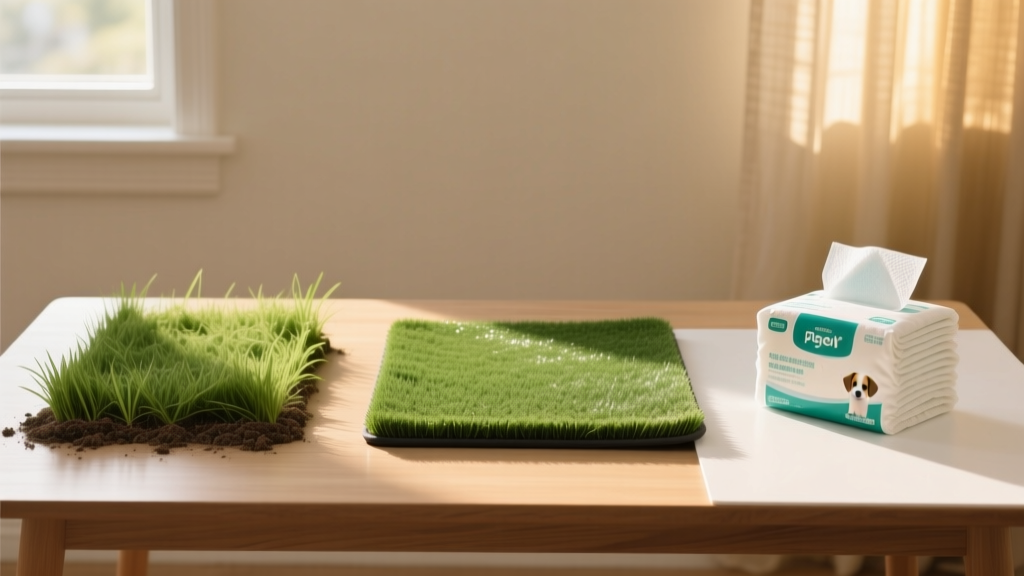
Rain aversion: Many Cavaliers dislike wet weather. If your puppy refuses to eliminate in rain, consider a covered potty area, an umbrella escort, or a dog raincoat. Don't wait it out — a puppy that holds too long risks urinary tract infections.
Crate Training Progression: Building a Safe Haven
Cavaliers are companion dogs bred to sit on laps — they genuinely want to be near you. This makes crate training both easier (they settle well when comfortable) and harder (separation distress is real). The crate should never be used as punishment.
| Age | Maximum Crate Time (Daytime) | Maximum Crate Time (Night) | Crate Size Recommendation |
|---|---|---|---|
| 8–10 weeks | 30–60 minutes | 2–3 hours (expect night wakings) | Small (24" L × 18" W × 21" H) with divider |
| 10–14 weeks | 1–2 hours | 3–4 hours | Same crate, adjust divider as puppy grows |
| 14–16 weeks | 2–3 hours | 4–5 hours | Divider can begin opening up |
| 4–6 months | 3–4 hours | 6–7 hours | Full crate size (24" × 18" × 21") |
| 6–12 months | 4–5 hours | 7–8 hours | Full crate or transition to pen/exercise pen |
Progression steps:
- Days 1–3: Crate door open, meals inside, treats tossed in. Puppy enters voluntarily.
- Days 4–7: Door closed for 1–5 minutes while you're in the room. Treat through bars.
- Week 2: Door closed for 10–15 minutes, you step briefly out of sight, then return before puppy cries.
- Week 3–4: Gradually extend absence duration. If puppy cries, wait for a 3-second pause before opening — don't reward crying, but don't ignore distress either.
If your Cavalier puppy screams persistently in the crate despite gradual training, consider that separation anxiety is highly prevalent in this breed. Consult a certified professional dog trainer (CPDT-KA) or veterinary behaviorist rather than letting the puppy "cry it out" — prolonged panic can create lasting anxiety associations.
Teething Timeline and Relief Strategies
Cavalier puppies go through two teething phases:
- Deciduous (baby) teeth eruption: 3–6 weeks of age (mostly complete before you bring puppy home)
- Adult teeth eruption: 3–6 months — this is the phase that affects your furniture and fingers
During months 3–6, your puppy will lose 28 baby teeth and gain 42 adult teeth. Expect:
- Increased chewing and mouthing
- Bleeding gums (small amounts on chew toys — this is normal)
- Temporary "puppy breath" odor increase
- Possible decreased appetite for hard kibble (moisten with warm water if needed)
- Retained baby teeth — Cavaliers are prone to this; if a baby tooth hasn't fallen out within 2 weeks of the adult tooth erupting beside it, your vet should extract it to prevent orthodontic problems
Safe Chew Recommendations
- Frozen Kong Classic (puppy size): Stuff with plain yogurt and mashed banana, freeze overnight. The cold soothes inflamed gums. ($12–$15)
- Benebone Puppy Wishbone: Nylon chew designed for puppies under 30 lb. Softer than adult versions. ($13–$18)
- Bully sticks (6-inch, thin): Fully digestible, long-lasting. Supervise to prevent choking on small end pieces. ($4–$7 each)
- Wet washcloth twist: Wet a clean washcloth, twist into a rope, freeze. Supervise use and discard if threads come loose. (Nearly free)
Avoid: Rawhide (choking and intestinal blockage risk), antlers and weight-bearing bones (tooth fractures), and any chew small enough to swallow whole.
Common Cavalier Puppy Problems and Solutions
Puppy Biting and Nipping
Cavalier puppies are mouthy — not aggressive, but enthusiastic. Their bite inhibition develops through consistent feedback:
- Redirect: When teeth touch skin, immediately offer a chew toy. Praise when they bite the toy instead.
- Withdraw attention: If redirecting fails, stand up and walk away for 10–15 seconds. This mimics littermate behavior — puppies learn that biting ends play.
- Never use physical punishment: Holding the mouth shut, tapping the nose, or alpha rolls increase fear and can trigger defensive biting. Positive reinforcement and redirection are the only methods recommended by veterinary behaviorists.
Whining and Crying
Cavaliers are velcro dogs. Whining typically signals one of four needs:
- Potty — take outside immediately
- Hunger/thirst — check feeding schedule
- Overtiredness — enforce a nap in the crate
- Attention-seeking — wait for a moment of quiet, then reward
Separation Distress
This breed bonds intensely. To prevent full-blown separation anxiety:
- Practice departures daily — leave for 1 minute, 5 minutes, 15 minutes, building up gradually.
- Never make departures or arrivals dramatic. Ignore the puppy for 5 minutes before leaving and after returning.
- Provide a food puzzle (Kong, snuffle mat) when you leave to create a positive association.
- Consider doggy daycare 1–2 days per week if you work full-time — Cavaliers left alone 8+ hours daily are at high risk for anxiety disorders.
First-Year Cost Breakdown
Budgeting realistically prevents financial stress and ensures your Cavalier receives proper care. Costs below reflect 2026 US averages and can vary by region.
| Category | Low End | Mid Range | High End | Notes |
|---|---|---|---|---|
| Puppy purchase (responsible breeder) | $2,500 | $3,500 | $5,000+ | Health-tested parents (heart, hips, eyes, DE); AKC registration |
| Adoption (breed rescue) | $300 | $600 | $1,000 | Cavalier-specific rescues; typically includes vetting |
| Veterinary care (wellness + vaccines) | $600 | $900 | $1,400 | 3–4 wellness visits, DHPP series, rabies, fecal tests, spay/neuter |
| Heart screening (echocardiogram) | $250 | $400 | $600 | Baseline cardiac evaluation — strongly recommended for Cavaliers |
| Food (quality puppy formula) | $350 | $500 | $700 | $30–$60/month for premium small-breed puppy food |
| Supplies (crate, bed, leash, bowls, toys) | $200 | $400 | $700 | Initial setup; quality items last years |
| Grooming | $300 | $500 | $800 | $50–$70 per session, every 6–8 weeks; or home grooming |
| Training (group classes) | $150 | $300 | $600 | Puppy kindergarten + basic manners; private sessions cost more |
| Pet insurance (annual premium) | $400 | $600 | $900 | Enroll early — MVD is a pre-existing condition exclusion if symptoms appear first |
| Preventive medications | $200 | $350 | $500 | Heartworm, flea/tick prevention year-round |
Total first-year range (purchased from breeder): $5,550 – $10,500+
Total first-year range (adopted from rescue): $2,850 – $7,000+
The single most impactful financial decision is pet insurance. Cavaliers have a >50% lifetime risk of mitral valve disease, and cardiac treatment can exceed $10,000. Enrolling at 8–10 weeks, before any heart murmur is detected, ensures cardiac conditions are covered.
Frequently Asked Questions
When can my Cavalier puppy go outside and meet other dogs?
Your puppy can explore your own yard (if fenced and free of unknown dog traffic) immediately. For public spaces and dog-to-dog interactions, wait until at least 7 days after the second DHPP vaccination (typically around 12–13 weeks). Full protection isn't achieved until the 16-week DHPP is complete. Puppy classes with vaccination requirements and sanitized facilities are an acceptable exception — the socialization benefit outweighs the minimal disease risk in controlled environments.
How do I stop my Cavalier puppy from biting my hands?
Redirect every bite to an appropriate chew toy and withdraw attention (stand up, walk away for 10–15 seconds) if biting continues. Consistency from all household members is essential — if one person allows mouthing, the puppy will continue. Most Cavaliers outgrow heavy mouthing by 5–6 months with consistent redirection. If biting intensifies rather than decreases after 16 weeks, consult a certified positive-reinforcement trainer.
How often should I feed my 10-week-old Cavalier puppy?
At 10 weeks, feed 4 meals per day, approximately ¼ to ⅓ cup of small-breed puppy kibble per meal (total 1 to 1⅓ cups daily). Space meals roughly 4 hours apart during waking hours. Always provide fresh water. If your puppy leaves food consistently, slightly reduce portions rather than leaving kibble out — free feeding leads to poor appetite regulation.
When will my Cavalier puppy be fully potty trained?
Most Cavaliers are reliably house trained by 4–6 months, with occasional accidents possible until 8 months. Submissive/excitement urination may persist longer — this is a physiological response, not a training issue. If your puppy is still having frequent accidents after 6 months of consistent training, have your veterinarian check for urinary tract infections or anatomical issues.
What vaccines does my Cavalier puppy need and when?
Core vaccines include DHPP (Distemper, Hepatitis, Parainfluenza, Parvovirus) at 6–8 weeks, 10–12 weeks, and 14–16 weeks, plus Rabies at 14–16 weeks. Non-core vaccines like Bordetella, Leptospirosis, and Lyme are based on lifestyle and regional risk. Your veterinarian will tailor the protocol to your puppy's specific needs.
Robin Maitland
All our authors care for dogs every day — read more of their work on the authors page.