King Cavalier Spaniel Puppy: Week-by-Week Care & Training Guide
Complete king cavalier spaniel puppy guide covering milestones, feeding schedules, potty training, vaccinations, socialization, and first-year costs.

The King Charles Spaniel—often called the "king cavalier spaniel" by owners blending the English Toy Spaniel and Cavalier King Charles Spaniel lineage—produces one of the most affectionate, people-oriented puppies you'll ever raise. But their sweet temperament doesn't mean they raise themselves. These brachycephalic-leaning toy breeds have specific developmental needs, fragile early joints, and a socialization window that closes faster than most owners realize.
This guide walks you through every critical stage from week 4 through month 12, with exact feeding portions, vaccine timelines, and real-world troubleshooting for the problems king cavalier spaniel puppy owners actually face. All health and medical guidance here is educational—always consult your veterinarian for decisions specific to your individual puppy.
When Should You Bring Your King Cavalier Spaniel Puppy Home?
The ideal age to bring your puppy home is 8 to 10 weeks. While some breeders release puppies at 8 weeks, many responsible Cavalier and English Toy Spaniel breeders hold puppies until 10–12 weeks. There's a good reason: toy breeds mature more slowly emotionally, and those extra weeks with littermates teach critical bite inhibition and canine communication skills.
Before pickup day, prepare a confinement area (exercise pen or small room), a properly sized crate (24-inch for most Cavaliers and English Toy Spaniels—enough room to stand, turn, and lie down but not so large they can soil one end), and schedule a veterinary wellness exam within 48 hours of arrival.
Age-Specific Milestones: What to Expect Each Week
King cavalier spaniel puppies follow a fairly predictable developmental arc, but toy breeds hit certain stages slightly later than larger dogs. Here's what's actually normal:
| Age Range | Physical Milestones | Behavioral Milestones | Your Job |
|---|---|---|---|
| Weeks 4–8 | Deciduous teeth erupting, eyes fully functional, coordination improving daily, weight ~2–4 lb | Learning bite inhibition from littermates, startle reflex to loud sounds, following moving objects | If still with breeder: verify early neurological stimulation (ENS) protocol, ask about sound exposure |
| Weeks 8–12 | Rapid growth phase, weight ~4–7 lb, sleeping 18–20 hours/day, full set of baby teeth | Fear imprint period (8–11 weeks)—negative experiences can create lasting phobias, bonding intensely with primary caregiver | Keep experiences positive, avoid overwhelming environments, begin name recognition and handling exercises |
| Weeks 12–16 | Weight ~6–10 lb, adult coat beginning to replace puppy coat, bladder capacity increasing | Testing boundaries, short attention spans (3–5 minutes), beginning to understand cause-and-effect | Short training sessions (3 min, 3x/day), introduce grooming tools, expand socialization exposures |
| Weeks 16–24 | Teething begins (~16 weeks), weight ~8–13 lb, growth rate slowing, adult teeth pushing in | Second fear period (often 6–8 months), increased independence, may "forget" trained cues temporarily | Provide appropriate chew outlets, revisit basic cues with high-value rewards, maintain socialization |
| 6–12 Months | Approaching adult weight (13–18 lb for Cavaliers, 8–14 lb for English Toy Spaniels), sexual maturity (discuss spay/neuter timing with vet) | Adolescent testing, energy peaks around 7–9 months, settling into adult temperament by 12 months | Increase exercise duration, enroll in intermediate training class, transition to adult food around 10–12 months |
Feeding Schedule: Exact Portions by Age and Weight
King cavalier spaniel puppies need a small-breed puppy formula with an AAFCO statement confirming complete and balanced nutrition for growth. Small-breed kibble pieces are critical—standard kibble can be too large for their compact mouths, and large-breed puppy formulas have calcium-phosphorus ratios designed for slow growth that don't match toy breed needs.
Feed measured meals rather than free-feeding. Cavaliers are notoriously food-motivated and prone to obesity, which directly worsens their breed-specific risk for mitral valve disease and joint problems.
| Puppy Age | Expected Weight | Meals Per Day | Daily Total (Dry Kibble) | Per Meal |
|---|---|---|---|---|
| 8–12 weeks | 3–6 lb / 1.4–2.7 kg | 4 meals | ⅓ – ½ cup | ~2 Tbsp per meal |
| 12–16 weeks | 6–9 lb / 2.7–4.1 kg | 3 meals | ½ – ⅔ cup | ~3 Tbsp per meal |
| 4–6 months | 8–12 lb / 3.6–5.4 kg | 3 meals | ⅔ – ¾ cup | ~¼ cup per meal |
| 6–9 months | 10–15 lb / 4.5–6.8 kg | 2 meals | ¾ – 1 cup | ⅜ – ½ cup per meal |
| 9–12 months | 12–18 lb / 5.4–8.2 kg | 2 meals | ¾ – 1 cup | ⅜ – ½ cup per meal |
Important: These are starting points. Adjust based on your puppy's body condition score (BCS)—you should feel ribs easily without pressing but not see them prominently. Brands like Royal Canin Small Puppy, Hill's Science Diet Small Paws Puppy, and Purina Pro Plan Toy Breed Puppy are formulated for this size class. Treats should never exceed 10% of daily caloric intake.
Vaccination Schedule: What Your King Cavalier Spaniel Puppy Needs and When
Your puppy arrives with maternal antibodies that gradually wane, which is why vaccines are given in a series. The American Veterinary Medical Association outlines core and non-core vaccines based on lifestyle risk.
| Age | Vaccine | Type | Notes |
|---|---|---|---|
| 6–8 weeks | DHPP (Distemper, Hepatitis/Adenovirus, Parainfluenza, Parvovirus) | Core — Dose 1 | Often given by breeder; verify records at pickup |
| 8–10 weeks | Bordetella (Kennel Cough) | Non-core | Required for grooming salons, puppy classes, boarding |
| 10–12 weeks | DHPP Dose 2; Leptospirosis Dose 1 (if recommended) | Core + Lifestyle | Lepto is relevant if you hike, live near standing water, or have rodent exposure |
| 12–14 weeks | Leptospirosis Dose 2; Lyme (if in endemic area) | Non-core | Lyme vaccine recommended in Northeast, Upper Midwest, Pacific Northwest |
| 14–16 weeks | DHPP Dose 3; Rabies | Core | Rabies is legally required; DHPP final puppy dose ensures immunity after maternal antibodies decline |
| 12–16 months | DHPP booster; Rabies booster (1-year or 3-year depending on jurisdiction) | Core | First annual boosters establish long-term immunity schedule |
When can your puppy go outside and meet other dogs? The critical balance is between disease risk and socialization. The Merck Veterinary Manual notes that maternal antibodies can interfere with vaccines until approximately 14–16 weeks. Until your puppy completes the DHPP series at 14–16 weeks, avoid high-risk areas: dog parks, pet store floors, and unknown dogs of unclear vaccination status. You can safely socialize in controlled settings—carry your puppy through shopping centers, invite fully vaccinated adult dogs to your home, and attend puppy classes that require proof of vaccination.
The Socialization Window (Weeks 3–14): Your Checklist
This is the single most time-sensitive aspect of raising your king cavalier spaniel puppy. The primary socialization period closes around 14 weeks—after this window, unfamiliar stimuli trigger fear rather than curiosity. Cavaliers and English Toy Spaniels are generally sociable, but without structured exposure, they can develop fear-based barking, stranger anxiety, or handling sensitivity (which makes vet visits and grooming miserable).
Socialization Exposure Checklist (Aim for 100+ Experiences by Week 14)
Surfaces: Grass, gravel, tile, carpet, metal grates, wet pavement, bubble wrap, wobbly boards
People: Children (supervised), elderly individuals, people in hats/sunglasses/uniforms, tall people, people using wheelchairs or crutches, delivery workers
Animals: Fully vaccinated adult dogs (various sizes), cats (if safe), livestock from a distance
Sounds: Vacuum cleaner, doorbell, thunderstorm recordings (start at low volume), traffic, construction noise, fireworks audio, children screaming
Handling: Ear inspection, paw handling, mouth opening, nail clipping simulation, being lifted onto exam table, wearing a harness, having collar grabbed gently
Environments: Car rides (short trips to fun destinations), outdoor café patios, friends' houses, parking lots, vet clinic waiting room (social visits, not just for shots)
Objects: Umbrellas opening, garbage cans, plastic bags fluttering, balloons, bicycles, skateboards
Rule of thumb: Every new experience should be paired with treats and praise. If your puppy shows fear (cowering, tail tucked, freezing), increase distance from the stimulus and let them observe. Never force a frightened puppy closer to something scary—that creates a negative imprint during the most vulnerable developmental window.
Potty Training Timeline: Realistic Expectations
King cavalier spaniel puppies are generally eager to please, but toy breeds have small bladders and fast metabolisms. Expect full potty reliability between 5 and 7 months—not the "trained in a week" timelines some blogs promise. Accidents are normal through 6 months, and occasional setbacks happen during developmental leaps.
How often should you take your puppy out?
- 8–12 weeks: Every 30–60 minutes while awake, plus immediately after eating, waking from naps, and play sessions
- 12–16 weeks: Every 60–90 minutes while awake
- 4–6 months: Every 2 hours while awake
- 6+ months: Every 3–4 hours during the day
Bladder capacity rule: A puppy can typically hold urine for approximately one hour per month of age (so a 3-month-old holds about 3 hours maximum). Overnight, most puppies can hold slightly longer because metabolism slows during sleep.
Potty Training Log Template
Track these data points for the first 4 weeks to identify your puppy's patterns:
- Time out: When you took puppy to potty spot
- Result: Pee / Poop / Nothing
- Time of last meal/water: Helps predict timing
- Accidents: Time, location, what puppy was doing right before
After 2 weeks of logging, you'll see clear patterns. Most puppies need to go 10–20 minutes after eating and within 5 minutes of waking.
Troubleshooting common issues:
- Submissive/excitement urination: Common in Cavaliers. Don't punish—greet calmly, take puppy outside immediately upon arriving home, avoid direct eye contact during greetings until bladder control matures.
- Regression at 4–5 months: Often coincides with teething distraction or increased independence. Return to more frequent outings and higher-value treats for outdoor elimination.
- Only peeing on pee pads: If you started with pads, gradually move the pad closer to the door, then outside. Remove pads once the puppy reliably goes outdoors.
Crate Training Progression and Time Limits
A crate is your puppy's safe den, not a punishment space. For king cavalier spaniel puppies, crate training supports potty training (dogs avoid soiling their sleeping area) and prevents destructive chewing when unsupervised.
Maximum crate time by age:
- 8–10 weeks: 30–60 minutes during the day (except overnight sleep)
- 10–14 weeks: 1–2 hours during the day
- 3–4 months: 2–3 hours during the day
- 5–6 months: 3–4 hours during the day
- 6+ months: 4–5 hours maximum (dogs need movement, social interaction, and mental stimulation)
Overnight expectations: An 8-week-old puppy will likely need one middle-of-night potty break. Set an alarm for 3–4 hours after bedtime. By 12–14 weeks, most can sleep 6–7 hours overnight. Place the crate in your bedroom initially—the sound and scent of your presence reduces separation distress. You can gradually move the crate to a permanent location once your puppy settles easily.
Crate training steps:
- Leave the crate door open with meals served inside and high-value chews (frozen Kong stuffed with puppy-safe peanut butter) placed in the back.
- Close the door for 30 seconds while puppy eats, then open. Gradually increase duration.
- Step away from the crate for 1 minute while puppy is settled with a chew. Return before they fuss.
- Build to leaving the room for 5, 10, 15 minutes. Always return before anxiety builds.
- Begin short departures from the house (5 minutes, then 15, then 30).
If your puppy cries in the crate: wait for a 10-second pause in vocalization before opening the door. Releasing during crying teaches that crying opens the door. However, if crying escalates to panic (frantic scratching, drooling, self-injury), the progression was too fast—go back a step.
Teething Timeline and Relief Strategies (3–6 Months)
Your king cavalier spaniel puppy's 28 deciduous (baby) teeth begin falling out around 12–16 weeks, and the 42 adult teeth are typically fully erupted by 6–7 months. The most intense chewing and discomfort occurs between 3 and 5 months.
Safe chew options ranked by age:
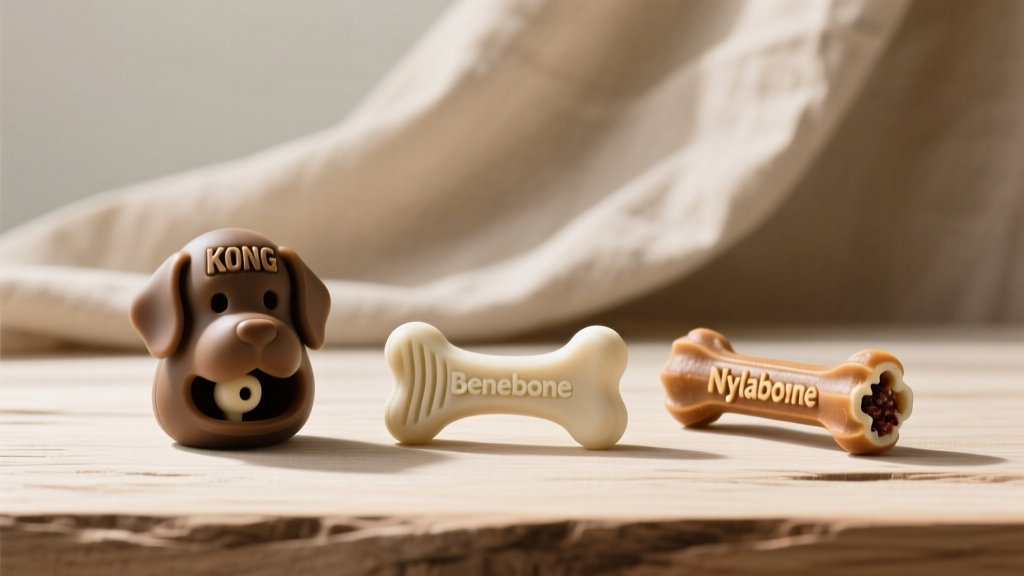
- 3–4 months: Frozen washcloths (soak in water or low-sodium chicken broth, twist, freeze), rubber teething rings designed for puppies (Kong Puppy, Nylabone Puppy), chilled carrot sticks
- 4–5 months: Bully sticks (supervised—remove when small enough to swallow), Yak cheese chews (soak to soften for small mouths), Benebone Puppy
- 5–7 months: Standard Kongs (size Small for Cavaliers), dental chews sized for small breeds (VOHC-approved options like Greenies Teenie size)
Never give: Rawhide (choking and intestinal blockage risk), cooked bones (splintering), antlers or hooves (tooth fractures—Cavalier teeth are relatively delicate), ice cubes (too hard for puppy teeth). If you see a baby tooth that hasn't fallen out while the adult tooth is erupting alongside it (a "retained deciduous tooth"), this is common in toy breeds and requires veterinary extraction to prevent crowding and malocclusion.
Common Puppy Problems and Breed-Specific Solutions
How do I stop puppy biting and nipping?
Cavalier and English Toy Spaniel puppies mouth less aggressively than retrievers or herding breeds, but they still nip during play. The solution leverages how littermates teach bite inhibition:
- When teeth touch skin, say "Oops!" in a neutral tone and immediately withdraw attention for 10–15 seconds (stand up, turn away, or step over a baby gate).
- Return and redirect to an appropriate chew toy. Praise enthusiastically when they chew the toy.
- If nipping escalates when puppy is overtired (very common at 8–12 weeks), this signals need for an enforced nap in the crate. Overtired puppies bite more, not less.
Never hold the mouth shut, slap the nose, or use bitter sprays on hands. These aversive methods increase fear and can damage the trust-based bond these sensitive breeds need.
Excessive whining:
King cavalier spaniel puppies are velcro dogs—they want physical contact. Whining when separated is normal early on. Build tolerance gradually: sit near the puppy but don't touch them for 2 minutes, then 5, then move to the other side of the room. Reward calm, quiet behavior with treats tossed to their bed. Teach "settle" as a trained behavior, not just a hoped-for one.
Destructive chewing beyond teething:
If your 6–9 month old is chewing furniture and shoes, assess three things: (1) Are they getting enough physical exercise? Cavaliers need 30–45 minutes daily by this age. (2) Are they getting mental stimulation? Food puzzles, sniff walks, and 5-minute training sessions tire a puppy more than a walk alone. (3) Is the environment managed? If shoes are accessible, the problem is management, not defiance. Use baby gates and closed doors until the chewing phase passes (usually by 10–12 months).
First-Year Cost Breakdown
Budgeting realistically prevents surprise expenses. Here's what king cavalier spaniel puppy owners typically spend in year one (US averages, 2026 pricing):
| Category | Low Estimate | Mid Estimate | High Estimate | Details |
|---|---|---|---|---|
| Puppy Purchase/Adoption | $300 (rescue) | $2,500 | $4,500+ | AKC-registered breeders with health testing: $2,500–$4,500; show-line: higher |
| Veterinary (wellness + vaccines) | $400 | $700 | $1,200 | Includes initial exam, vaccine series, fecal tests, deworming, spay/neuter ($300–$700) |
| Food (12 months) | $250 | $400 | $650 | Small-breed puppy formula, then adult transition at 10–12 months |
| Supplies (initial) | $200 | $400 | $700 | Crate, bed, harness, leash, bowls, gates, toys, grooming tools |
| Training | $0 (DIY) | $300 | $800 | Group puppy class ($150–$300/6-week session), private sessions ($80–$150/hour) |
| Pet Insurance (annual) | $350 | $500 | $750 | Strongly recommended for Cavaliers given mitral valve disease predisposition |
| Grooming | $100 | $300 | $600 | Cavaliers need professional grooming every 6–8 weeks; English Toy Spaniels less frequently |
| TOTAL (excluding puppy cost) | $1,300 | $2,600 | $4,700 | Does not include emergency vet visits ($500–$3,000+ per incident) |
Set aside an emergency fund of at least $1,000–$2,000 or enroll in pet insurance before your puppy's first vet visit. Pre-existing conditions are excluded from coverage, so earlier enrollment means broader protection—especially important for a breed predisposed to cardiac disease.
Frequently Asked Questions
When should I bring my king cavalier spaniel puppy home?
Between 8 and 12 weeks. Responsible breeders of toy breeds often keep puppies until 10–12 weeks to ensure emotional maturity. Never accept a puppy younger than 8 weeks.
How often should I feed my 10-week-old puppy?
Four meals per day, spaced roughly 4 hours apart during waking hours (e.g., 7 AM, 11 AM, 3 PM, 7 PM). Each meal should be approximately 2 tablespoons of small-breed puppy kibble, adjusted based on the feeding guide on your specific food's packaging and your puppy's body condition.
When will my puppy be fully potty trained?
Most king cavalier spaniel puppies achieve reliable house training between 5 and 7 months. Some males take slightly longer. Consistency in schedule and supervision is the single biggest factor in speed of training.
What vaccines does my puppy need and when?
Core vaccines include DHPP (given at 6–8, 10–12, and 14–16 weeks) and Rabies (14–16 weeks). Non-core vaccines like Bordetella, Leptospirosis, and Lyme depend on your geographic area and lifestyle. Your veterinarian will recommend based on local disease prevalence.
How do I stop my king cavalier spaniel puppy from biting?
Use the withdraw-and-redirect method: when teeth touch skin, calmly withdraw attention for 10–15 seconds, then return and offer an appropriate chew toy. Ensure your puppy is getting enough sleep (18–20 hours/day for young puppies)—overtired puppies bite significantly more.
When can my puppy go outside and meet other dogs?
You can begin controlled socialization immediately in low-risk environments (your yard, friends' homes with vaccinated dogs, carried through public spaces). Avoid high-risk areas like dog parks and pet stores until the DHPP series is complete at 14–16 weeks. Puppy socialization classes that require vaccination proof are generally safe from 10 weeks onward.
Jonas Cole
All our authors care for dogs every day — read more of their work on the authors page.