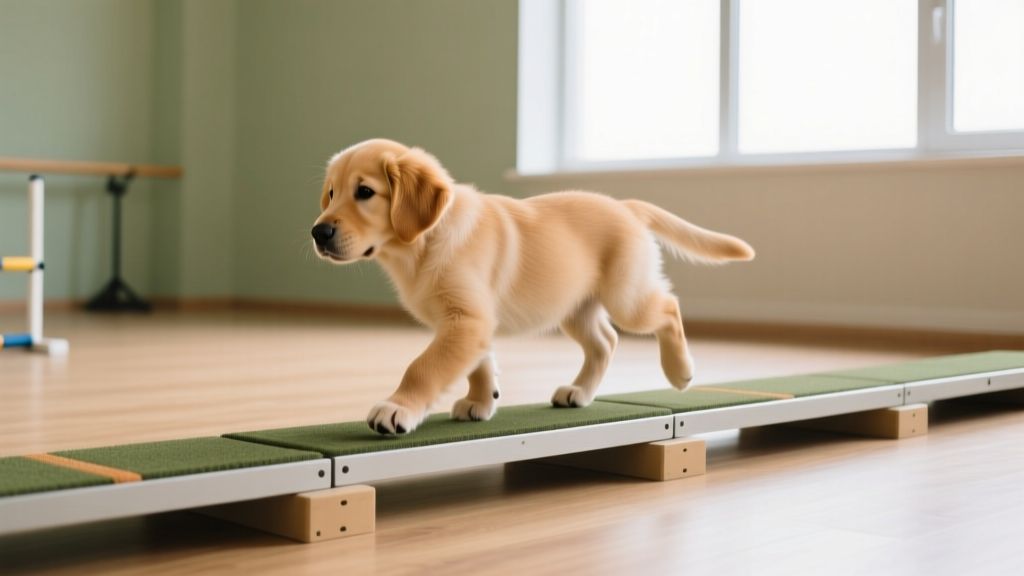
King Cavalier Puppy: Complete Week-by-Week Care & Training Guide
Everything you need to raise a King Cavalier puppy: week-by-week milestones, feeding schedules, vaccination timelines, potty training, and first-year costs.

If you've just brought home a King Cavalier puppy—or you're preparing to—you're in for one of the most rewarding experiences in dog ownership. The Cavalier King Charles Spaniel (often shortened to "King Cavalier" by devoted owners) is a toy breed known for its gentle temperament, expressive eyes, and deep attachment to its people. But their small size and breed-specific health considerations mean your puppy's first year requires precision care.
This guide walks you through every critical stage of your King Cavalier puppy's development, from the moment you bring them home through adolescence. You'll find exact feeding portions, vaccination weeks, crate training time limits, and real cost figures so you can plan with confidence.
When Should You Bring Your King Cavalier Puppy Home?
The ideal age to bring a King Cavalier puppy home is 8 to 10 weeks. While some breeders release puppies at 8 weeks, many reputable Cavalier breeders prefer to keep puppies until 10 or even 12 weeks. This extra time with the litter provides critical socialization with littermates and the dam, which reduces fear-based behaviors later in life.
Cavaliers are a toy breed, and toy breeds mature slightly slower emotionally than larger breeds. A 10-week-old Cavalier puppy typically weighs between 3 and 5 pounds (1.4–2.3 kg) and has better bladder control and stress resilience than one separated at 8 weeks.
What to verify before pickup:
- First DHPP vaccination administered (usually at 6–8 weeks)
- Deworming protocol completed (typically pyrantel pamoate at 2, 4, 6, and 8 weeks)
- Veterinary health certificate dated within 10 days
- Written health guarantee covering mitral valve disease and syringomyelia for a minimum of 2 years
- AKC registration paperwork or application
King Cavalier Puppy Milestones: Week by Week
Understanding what's developmentally normal at each stage prevents unnecessary panic and helps you set realistic expectations. Here's what to expect as your King Cavalier puppy grows.
Weeks 4–8: The Breeder's Window
During this period, your puppy is still with the breeder. Key developments include:
- Week 4: Eyes and ears fully functional; puppy begins exploring beyond the whelping box
- Week 5: First solid food introduced (gruel made from puppy kibble soaked in warm water or puppy milk replacer)
- Week 6: Social hierarchy emerges among littermates; bite inhibition begins through play
- Week 7: Fear imprint period begins—negative experiences during this week can have lasting effects
- Week 8: Ready for separation from litter; first DHPP vaccine typically given
Weeks 8–12: Home Adjustment Period
This is your puppy's biggest transition. Expect the following:
- Sleep: 18–20 hours per day is normal—Cavalier puppies tire quickly
- Weight: Expect 3–6 lb (1.4–2.7 kg); gain of roughly 0.5–1 lb per week
- Behavior: Crying at night is typical for 3–7 nights; follow-and-watch behavior intensifies (this breed bonds deeply)
- Teething: Baby teeth are in; chewing on fingers begins
- House training: Bladder capacity is approximately 1 hour per month of age (so 2 hours maximum at 8 weeks)
Weeks 12–16: Confidence Building
- Weight: 6–10 lb (2.7–4.5 kg)
- Energy: Noticeable increase; 15–20 minute play sessions 3–4 times daily
- Training: Can reliably learn sit, down, and come with positive reinforcement
- Fear period: A secondary fear imprint period often occurs around 12 weeks—avoid traumatic vet visits or grooming sessions if possible
- Social behavior: Greeting strangers with tail wags; may begin showing attachment to one person
Weeks 16–24: The Adolescent Shift
- Weight: 10–14 lb (4.5–6.4 kg), approaching adult size
- Teething: Adult teeth erupt (see teething section below)
- Behavior: Testing boundaries; may "forget" previously learned commands
- Exercise: Structured walks of 20–30 minutes become appropriate (avoid forced running on hard surfaces to protect developing joints)
- Coat: Adult coat begins replacing puppy fuzz; feathering starts on ears, chest, and legs
6–12 Months: Approaching Maturity
- Weight: 13–18 lb (5.9–8.2 kg)—the AKC breed standard calls for 13–18 lb at maturity
- Height: 12–13 inches (30–33 cm) at the shoulder
- Spay/neuter: Most veterinarians recommend between 6–9 months for Cavaliers; discuss timing with your vet as some evidence supports waiting until after growth plate closure
- Behavior: Energy stabilizes; Cavaliers are not high-drive dogs and typically settle into a calm, lap-friendly routine by 10–12 months
- Health screening: Your vet may recommend a baseline cardiac exam—Cavaliers are predisposed to mitral valve disease, and early monitoring establishes a baseline
Feeding Schedule: Exact Portions by Age and Weight
Cavaliers are prone to obesity, which worsens their risk for heart disease and joint problems. Precise feeding from puppyhood sets lifelong habits. Feed a high-quality, AAFCO-approved small-breed puppy formula.
| Age | Meals Per Day | Portion Per Meal | Daily Total (approx.) | Notes |
|---|---|---|---|---|
| 8–12 weeks | 4 | ¼ cup (28 g) | 1 cup | Soak kibble in warm water for easier digestion |
| 12–16 weeks | 3 | ⅓ cup (37 g) | 1 cup | Transition to dry kibble if desired |
| 4–6 months | 3 | ⅓–½ cup (37–56 g) | 1–1.5 cups | Adjust based on body condition score |
| 6–9 months | 2 | ½ cup (56 g) | 1 cup | Begin transitioning to adult formula at 9 months |
| 9–12 months | 2 | ½ cup (56 g) | 1 cup | Switch to small-breed adult formula |
Body Condition Score check: You should be able to feel (but not see) your puppy's ribs. A visible waist when viewed from above indicates healthy weight. If ribs are difficult to feel, reduce portions by 10%. If the spine and hip bones are prominent, increase by 10% and consult your vet.
Recommended brands (small-breed puppy formulas with AAFCO statement for growth): Royal Canin Cavalier King Charles Spaniel Puppy (breed-specific kibble shape), Hill's Science Diet Small Paws Puppy, or Purina Pro Plan Small Breed Puppy. Expect to spend $45–$70 per 5-lb bag in 2026.
Vaccination Schedule: What Your King Cavalier Puppy Needs and When
Your puppy's vaccination timeline is non-negotiable for disease prevention. Here's the standard protocol recommended by the American Veterinary Medical Association:
| Age | Vaccine | What It Protects Against | Typical Cost |
|---|---|---|---|
| 6–8 weeks | DHPP (1st dose) | Distemper, Hepatitis (Adenovirus), Parainfluenza, Parvovirus | $25–$40 |
| 10–12 weeks | DHPP (2nd dose) + Bordetella | Core diseases + Kennel Cough | $40–$65 |
| 14–16 weeks | DHPP (3rd dose) + Rabies | Core diseases + Rabies (legally required) | $45–$75 |
| 12–16 weeks (optional) | Leptospirosis (2-dose series, 3 weeks apart) | Bacterial infection from contaminated water/urine | $30–$45 per dose |
Important: Your King Cavalier puppy is NOT fully protected until 2 weeks after the final DHPP booster at 14–16 weeks. Until then, avoid dog parks, pet store floors, and areas where unknown dogs have eliminated. Carrying your puppy in a sling or visiting friends' homes with fully vaccinated dogs is safe and supports socialization.
Socialization Window: Weeks 3–14 Checklist
The American Veterinary Society of Animal Behavior identifies the primary socialization period for puppies as 3 to 14 weeks. For Cavaliers—a breed that can develop separation anxiety and timidity if under-socialized—this window is especially critical.
Check off each exposure by 14 weeks. Keep all experiences positive—use treats and praise. If your puppy shows fear, increase distance and go slower.
- ☐ Met 10+ different people (children, elderly, men with hats/beards, people in wheelchairs)
- ☐ Experienced 5+ floor surfaces (tile, hardwood, gravel, grass, metal grates)
- ☐ Heard household sounds: vacuum, doorbell, thunder (play recordings at low volume)
- ☐ Ridden in a car (minimum 3 short trips, not just to the vet)
- ☐ Been gently handled: ears touched, paws held, mouth opened, tail touched
- ☐ Met 3+ friendly, vaccinated adult dogs
- ☐ Seen an umbrella opened, a person on a skateboard, a bicycle passing
- ☐ Experienced being alone in a crate for 15–30 minutes without distress
- ☐ Visited a grooming table or elevated surface (prep for future grooming sessions)
- ☐ Encountered a person wearing sunglasses, a mask, or a bulky coat
When can your puppy go outside and meet other dogs? After the final DHPP vaccine at 14–16 weeks plus a 2-week waiting period (so roughly 16–18 weeks), your puppy can safely visit dog parks, attend puppy classes, and interact with unknown dogs. Before that, controlled exposure to known-vaccinated dogs in clean environments is acceptable and encouraged.
Potty Training Timeline: Realistic Expectations
Cavalier King Charles Spaniels are moderately easy to house-train compared to other toy breeds, but "easy" still means 3 to 6 months of consistent effort. Any source promising a fully potty-trained puppy in days is misleading you.
| Age | Bladder Capacity | Expected Accidents/Week | Milestone |
|---|---|---|---|
| 8–10 weeks | 1–2 hours | 5–10 | Learning to go on designated surface |
| 10–14 weeks | 2–3 hours | 2–5 | Beginning to signal (whining, circling) |
| 14–20 weeks | 3–4 hours | 1–2 | Reliably going outside when taken |
| 5–6 months | 4–5 hours | 0–1 | Near-reliable with schedule |
| 6–8 months | 5–6 hours | 0 (occasional regression) | Fully trained in most cases |
Protocol that works for Cavaliers:
- Take puppy outside within 5 minutes of: waking up, eating, drinking, or finishing a play session
- Use a consistent verbal cue ("go potty") while they eliminate
- Reward immediately with a high-value treat (small piece of boiled chicken or training treat under 3 calories)
- Supervise 100% when loose indoors—use a crate or exercise pen when you cannot watch
- Never punish accidents after the fact; Cavaliers are sensitive and punishment damages the bond and increases anxiety-based submissive urination
Troubleshooting submissive urination: Cavaliers are prone to this. If your puppy squats and leaks when greeted, avoid direct eye contact and crouch sideways. Greet calmly and let the puppy approach you. Most outgrow this by 8–12 months.
Crate Training Progression and Time Limits
A crate is essential for your Cavalier's safety and house training. Cavaliers generally accept crates well because they're den-oriented dogs that seek enclosed, cozy spaces. Use a crate sized for a small adult dog (24" × 18" × 21") with a divider panel so you can adjust space as your puppy grows.
| Age | Maximum Daytime Crate Time | Maximum Nighttime Crate Time |
|---|---|---|
| 8–10 weeks | 1–2 hours | 3–4 hours (expect one overnight potty break) |
| 10–14 weeks | 2–3 hours | 4–5 hours |
| 14–18 weeks | 3–4 hours | 5–6 hours |
| 4–6 months | 4–5 hours | 6–7 hours |
| 6+ months | 5–6 hours | 7–8 hours |
Crate training steps:
- Days 1–3: Leave crate door open; feed meals inside; toss treats in for puppy to retrieve
- Days 4–7: Close door while puppy eats; open immediately after; gradually extend closed time to 5 minutes post-meal
- Week 2: Practice 10–15 minute sessions while you're home and visible; reward quiet behavior
- Week 3: Leave the room for 5–10 minutes while puppy is crated; return before distress escalates
- Week 4+: Build duration gradually; never use the crate as punishment
Cavalier-specific note: This breed is prone to separation anxiety. If your puppy screams in the crate for more than 20 minutes consistently, consult a certified force-free trainer. Pushing through prolonged distress can worsen anxiety. A veterinary behaviorist can help if needed.
Teething Timeline and Relief Strategies
Your King Cavalier puppy will go through two teething phases:
- 3–4 weeks: Deciduous (baby) teeth erupt—usually handled by the breeder
- 3–6 months: Adult teeth push out baby teeth—this is YOUR teething phase
During the 3–6 month window, expect:
- Increased chewing on furniture, shoes, and hands
- Small amounts of blood on chew toys (normal)
- Missing baby teeth on the floor (many are swallowed—also normal)
- Mild gum redness and decreased appetite for 1–2 days per tooth
Safe chew recommendations for small-breed puppies:
- KONG Puppy (Size XS or S): Fill with frozen plain yogurt or peanut butter (xylitol-free); $8–$12
- Nylabone Puppy Chew (Petite): Softer formula for developing teeth; $5–$8
- Frozen washcloth: Wet a clean washcloth, twist into a rope, freeze for 2 hours—supervise use and discard if threads come loose
- Benebone Puppy (Small): Nylon chew with bacon flavor infused; $12–$15
Retained baby teeth: Cavaliers sometimes retain deciduous canine teeth alongside adult teeth. If you see a double row of teeth after 6 months, your vet should extract the retained tooth to prevent misalignment and periodontal disease. Extraction typically costs $100–$300 per tooth.
Common King Cavalier Puppy Problems and Solutions
Puppy Biting and Nipping
Cavalier puppies are mouthy but not aggressive. Their nipping is exploratory and play-driven. To stop it:
- Redirect: When teeth touch skin, say "ouch" in a calm tone, withdraw attention for 10 seconds, then offer a chew toy
- Consistency: Every family member must respond the same way—mixed signals prolong the behavior
- Timeouts: If nipping persists after 3 redirects, place puppy in a playpen for a 2-minute calm-down period (not the crate—keep the crate positive)
- Expected timeline: Nipping decreases significantly by 5–6 months as adult teeth settle; some residual mouthing may continue until 8 months
Nighttime Whining
Most King Cavalier puppies whine for the first 3–7 nights. Strategies:
- Place crate in your bedroom for the first 2 weeks so your puppy can hear and smell you
- Use a Snuggle Puppy (heartbeat toy, ~$30) to simulate littermate warmth
- Take puppy out for a boring, no-play potty break if whining continues past 2 hours
- Gradually move the crate to the desired permanent location over 2–3 weeks
Destructive Chewing
Cavaliers are moderate chewers (less intense than retrievers or shepherds), but an under-stimulated puppy will chew baseboards and shoes. Prevention:
- Provide 4–6 appropriate chew toys rotated every 3 days to maintain novelty
- Ensure minimum 30–45 minutes of active engagement daily (training, play, walks)
- Use bitter apple spray ($8–$12) on furniture legs as a deterrent during the chewing phase
First-Year Cost Breakdown
Budgeting accurately prevents financial stress. Here's a realistic 2026 estimate for a King Cavalier puppy's first year in the United States:
| Category | Items | Estimated Cost |
|---|---|---|
| Purchase/Adoption | Reputable breeder: $2,500–$4,500; Rescue: $300–$800 | $300–$4,500 |
| Veterinary (preventive) | 3 puppy visits, vaccines, deworming, fecal tests, heartworm start | $400–$700 |
| Spay/Neuter | Typical small-breed procedure | $300–$600 |
| Food | Small-breed puppy + transition to adult (~15 bags/year) | $350–$550 |
| Supplies | Crate, bed, bowls, leash/harness, grooming tools, toys, gates | $250–$500 |
| Grooming | Professional bath/trim every 6–8 weeks (6 sessions/year) | $300–$500 |
| Training | Group puppy class (6–8 weeks) + optional private session | $150–$400 |
| Pet Insurance | Annual premium (recommended for Cavaliers due to heart disease risk) | $400–$700 |
| Emergency Fund | Set aside for unexpected illness or injury | $500–$1,000 |
Total first-year estimate: $2,950–$9,450 depending on purchase source and your region. Ongoing annual costs after year one typically range from $1,800–$3,200.
Why pet insurance matters for Cavaliers: Mitral valve disease affects an estimated 50% of Cavaliers by age 5 and over 90% by age 10, according to the Merck Veterinary Manual. Treatment in later years (medications like pimobendan, echocardiograms, specialist visits) can exceed $5,000–$10,000 annually. Enrolling your puppy in pet insurance before any cardiac diagnosis is critical—pre-existing conditions are excluded by all major insurers.
Frequently Asked Questions
How often should I feed my 8-week-old King Cavalier puppy?
Feed 4 meals per day, approximately ¼ cup of small-breed puppy kibble per meal (1 cup total daily). Space meals roughly 4 hours apart during waking hours—for example, 7 AM, 11 AM, 3 PM, and 7 PM. Remove food after 15 minutes to establish a schedule and aid house training.
When will my King Cavalier puppy be fully potty trained?
Most Cavaliers are reliably house-trained between 5 and 8 months of age with a consistent schedule. Some individuals may take up to 10 months. "Fully trained" means zero accidents for 4 consecutive weeks. Occasional regression during adolescence (6–9 months) is normal—return to a tighter schedule and more frequent outings until reliability returns.
How do I stop my King Cavalier puppy from biting my hands?
Use the redirect method: say "ouch" calmly, pull your hand away, and immediately offer an appropriate chew toy. Reward chewing the toy with praise. If biting continues after three redirects, give a 2-minute timeout in a playpen. Never hit, hold the mouth shut, or use alpha rolls—these methods increase fear and can trigger defensive biting in this sensitive breed. Expect improvement by 5–6 months.
What vaccines does my King Cavalier puppy need?
Core vaccines are DHPP (at 6–8, 10–12, and 14–16 weeks) and Rabies (at 14–16 weeks, then per local law). Non-core vaccines your vet may recommend based on lifestyle include Bordetella (kennel cough), Leptospirosis, and Lyme disease. Discuss your puppy's specific risk profile with your veterinarian at the first visit.
When can my King Cavalier puppy go to the dog park?
Wait until 2 weeks after the final DHPP vaccine, which typically falls around 16–18 weeks of age. Before that, carry your puppy in public spaces, visit friends with vaccinated dogs, and attend structured puppy socialization classes (which usually require proof of at least the first DHPP dose). Dog parks carry parvovirus risk until full immunity is established.
Is the King Cavalier puppy a good first dog?
Yes—Cavaliers are widely regarded as excellent first dogs due to their gentle temperament, eagerness to please, and moderate exercise needs. They respond well to positive reinforcement training and adapt to apartment or house living. The main considerations are their strong need for companionship (they do poorly left alone for 8+ hours daily) and their breed-specific health risks, particularly mitral valve disease and syringomyelia, which require proactive veterinary monitoring throughout life.
Beth Carrasco
All our authors care for dogs every day — read more of their work on the authors page.