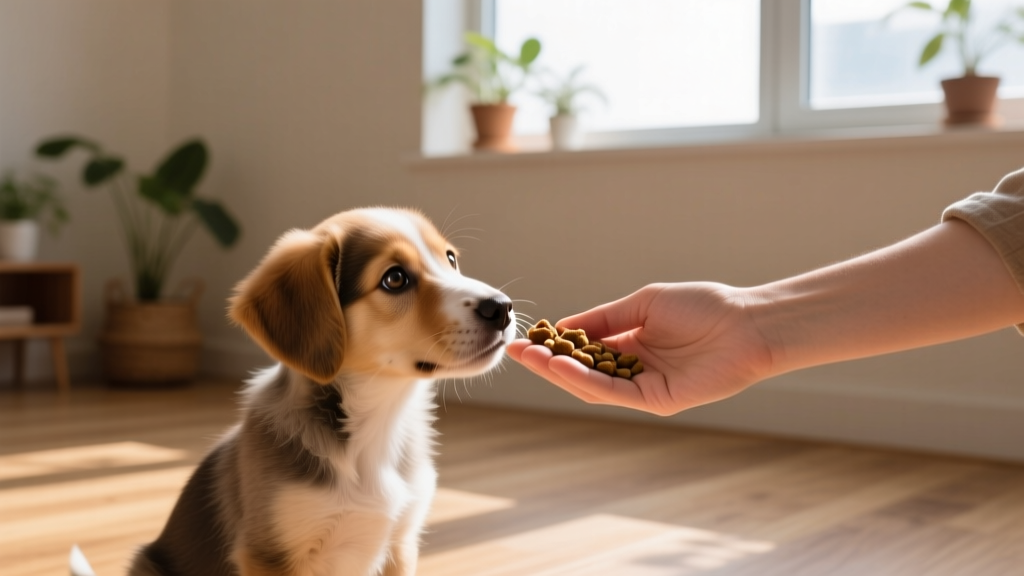
Jack Russell Terrier Puppy: The Complete Week-by-Week Care Guide
Your complete Jack Russell Terrier puppy guide covering milestones, feeding, potty training, socialization, and costs from 8 weeks to adulthood.

Bringing home a Jack Russell Terrier puppy means signing up for one of the most energetic, intelligent, and relentlessly curious companions in the dog world. Originally bred for fox hunting in 19th-century England, these compact athletes pack enormous drive into a 9-to-15-pound frame. That heritage shapes everything about raising a JRT puppy — from their need for structured mental stimulation to their legendary digging and prey instincts.
This guide walks you through every developmental stage with specific timelines, portions, training protocols, and cost expectations tailored to the breed. Whether you are preparing for pickup day or already navigating the chewing phase, you will find actionable benchmarks rather than generic advice.
When Should I Bring My Jack Russell Terrier Puppy Home?
The optimal window for bringing a Jack Russell Terrier puppy home is 8 to 10 weeks of age. While some breeders release puppies at exactly 8 weeks, many reputable JRT breeders hold puppies until 10 weeks to complete early socialization litter-mate play, which teaches bite inhibition and canine communication skills that are difficult to replicate in a single-dog household.
Bringing a puppy home before 8 weeks risks behavioral deficits. The American Veterinary Medical Association notes that the primary socialization period (3–14 weeks) is when puppies form lasting associations with novel stimuli. Weeks 8–12 are particularly critical for human bonding and environmental confidence.
- Health certificate from breeder's veterinarian (within 10 days of sale)
- Record of deworming treatments (typically at 2, 4, 6, and 8 weeks)
- First DHPP vaccine documentation (usually given at 6–8 weeks)
- Microchip registration paperwork
- Small bag of the food the breeder has been feeding (for a 7-day transition)
- Scented blanket or towel from the litter for comfort
Jack Russell Terrier Puppy Milestones: Week by Week
Understanding what is developmentally normal at each stage prevents unnecessary panic and helps you set realistic expectations. JRT puppies mature slightly faster behaviorally than larger breeds but remain physically adolescent longer than many owners expect.
| Age Range | Weight Range | Key Milestones & Expectations |
|---|---|---|
| Weeks 4–8 | 1.5–4 lb (0.7–1.8 kg) | Eyes/ears fully open; litter play teaches bite inhibition; deciduous teeth erupting; breeder begins crate exposure and name recognition; first DHPP vaccine at 6–8 weeks |
| Weeks 8–12 | 4–7 lb (1.8–3.2 kg) | Fear imprint period peaks (8–11 weeks) — avoid traumatic experiences; begin house training routine; short 5-minute walks; second DHPP at 10–12 weeks; start handling exercises (paw, ear, mouth touches) |
| Weeks 12–16 | 7–10 lb (3.2–4.5 kg) | Socialization window closing; final DHPP at 14–16 weeks; rabies vaccine at 12–16 weeks (varies by state law); puppy kindergarten classes safe after full vaccination; leash training begins in earnest |
| Weeks 16–24 | 10–14 lb (4.5–6.4 kg) | Teething peak (3–6 months); prey drive emerges strongly — begin recall training with long line; chewing intensity increases; testing boundaries; second fear period may appear around 6 months |
| Months 6–12 | 12–15 lb (5.4–6.8 kg) | Approaching adult size by 9–10 months; spay/neuter typically scheduled 6–9 months; energy levels remain extremely high; impulse control training critical; agility foundations can begin on low-impact equipment |
Feeding Schedule: Portions, Frequency, and Food Selection
Jack Russell Terrier puppies need a small-breed puppy formula that supports their rapid metabolism. Because JRTs are prone to obesity as adults, establishing portion control early prevents lifelong weight struggles. The American Kennel Club recommends feeding based on projected adult weight, not current appetite.
Projected adult weight for a Jack Russell Terrier is 9–15 lb (4–7 kg) depending on lineage. Working-line JRTs tend toward the higher end; show-line dogs are often more compact.
| Age | Meals Per Day | Daily Portion (Dry Kibble) | Notes |
|---|---|---|---|
| 8–12 weeks | 4 meals | ½ to ¾ cup total per day | Soak kibble in warm water for first week if transitioning |
| 3–6 months | 3 meals | ¾ to 1 cup total per day | Increase if ribs become visible; decrease if waist disappears |
| 6–12 months | 2 meals | 1 to 1¼ cups total per day | Transition to adult formula at 10–12 months |
Look for a food that carries an AAFCO statement for growth or all life stages. Recommended small-breed puppy formulas include Royal Canin Small Puppy, Hill's Science Diet Small Paws Puppy, and Purina Pro Plan Small Breed Puppy. A JRT puppy eating a complete and balanced commercial diet does not need calcium or other supplements — excess calcium can actually disrupt bone development in small breeds.
Socialization Window: Weeks 3–14 Exposure Checklist
The socialization window is the single most important developmental period for your Jack Russell Terrier puppy. JRTs have strong terrier instincts — without proper early exposure, those instincts can harden into reactivity toward other dogs, obsession with small animals, or fear-based aggression.
According to the Merck Veterinary Manual, puppies that do not receive adequate socialization during the 3–14 week critical period are significantly more likely to develop fear and aggression problems later in life.
Aim for positive exposure to each category before 14 weeks. Never force interactions — let your puppy observe and approach voluntarily. Pair all new experiences with high-value treats.
Surfaces (walk on):
- Gravel, grass, wet pavement, metal grates, wooden decking, plastic tarps, tile floors
People:
- Children (supervised, calm), men with hats/beards, people in uniforms, people using canes/wheelchairs, delivery workers
Animals (visual exposure is fine if not fully vaccinated):
- Cats (through window or carrier), other small dogs, large dogs (calm adults), livestock at a distance
Sounds:
- Thunderstorm recordings (low volume), vacuum cleaner, doorbell, car horns, children playing, fireworks recordings, clapping
Handling:
- Nail trimming practice (touch paws daily), ear examination, mouth opening, being held on side, collar/harness manipulation, towel wrapping
Environments:
- Car rides (short trips), outdoor café patio, pet store (after vaccinations), friend's house, groomer visit (happy visit only), veterinary office (positive visits)
Critical JRT-specific note: Because Jack Russells have intense prey drive, early positive exposure to cats and small animals is essential if you plan to live with them. Introduce through barriers first (baby gate, crate) and reward calm observation. Never allow chasing — even in play — as this reinforces the very behavior you want to manage.
Vaccination Schedule for Your Jack Russell Terrier Puppy
Your JRT puppy follows the standard core vaccination protocol, but their small size means you should discuss vaccine scheduling with your veterinarian — some vets prefer spacing vaccines two weeks apart in toy and small breeds to reduce the risk of adverse reactions.
| Age | Vaccines Administered | Notes |
|---|---|---|
| 6–8 weeks | DHPP (Distemper, Hepatitis/Adenovirus, Parainfluenza, Parvovirus) — 1st dose | Usually given by breeder before pickup |
| 10–12 weeks | DHPP — 2nd dose; Bordetella (optional, recommended if attending puppy classes) | Avoid dog parks until series is complete |
| 14–16 weeks | DHPP — 3rd dose; Rabies (12–16 weeks per state law) | Full protection achieved ~2 weeks after final DHPP |
| 12–16 months | DHPP booster; Rabies booster (1-year or 3-year depending on vaccine type) | Discuss titer testing as alternative to future boosters with your vet |
Leptospirosis and Lyme vaccines are non-core and depend on your geographic risk. If you live in an area with ticks or near standing water where wildlife congregates, discuss these with your veterinarian. For a small breed like the JRT, your vet may recommend a specific leptospirosis vaccine formulation with fewer reactive components.
Mild lethargy and soreness at the injection site for 24 hours is normal. Contact your veterinarian immediately if your puppy experiences facial swelling, hives, vomiting, difficulty breathing, or collapse. Small breeds have a statistically higher rate of vaccine reactions. Your vet can pre-medicate with an antihistamine for future visits if your JRT has had a reaction.
Potty Training Timeline and Troubleshooting
Jack Russell Terriers are intelligent and can learn house routines quickly, but their small bladders and high metabolism mean frequent output. Expect realistic timelines rather than quick fixes.
Typical potty training timeline for a JRT puppy:
- 8–12 weeks: Accidents every few days are normal. Bladder capacity is approximately 1 hour per month of age (a 2-month-old puppy can hold it roughly 2 hours maximum during the day).
- 3–4 months: Noticeable improvement if you maintain a consistent schedule. Accidents typically happen when routine breaks down.
- 4–6 months: Most JRTs are reliably house trained during the day with scheduled outings. Nighttime reliability often comes earlier than daytime.
- 6–8 months: Full reliability for most puppies. Some males may begin marking indoors around this age — address immediately with increased supervision and enzymatic cleaner.
JRT Potty Training Protocol:
- Take puppy to the same outdoor spot after every meal, nap, play session, and crate release.
- Use a consistent cue word ("go potty") as they begin to eliminate.
- Reward immediately after elimination with a high-value treat and verbal praise — deliver the treat outdoors, not after coming back inside.
- Supervise 100% of indoor time or confine to a crate/small pen when you cannot watch.
- Clean all accidents with an enzymatic cleaner (Nature's Miracle or Rocco & Roxie) to remove scent markers.
Track these data points for the first 3 weeks to identify your puppy's natural schedule:
- Time fed → Time of elimination (most puppies go 15–30 minutes after eating)
- Time of last water intake → Time of urination
- Location of accidents (same spot = residual scent issue)
- Circumstances (after play? after excitement? unsupervised time?)
After 2–3 weeks of logging, you will see patterns that let you proactively take your puppy out before accidents occur.
Common JRT potty training problems: Jack Russells are notorious for "submissive urination" when greeting. This is not a house training failure — it is an emotional response. Keep greetings calm, avoid direct eye contact during hellos, and take the puppy outside immediately when guests arrive. Most puppies outgrow this by 6–8 months.
Crate Training, Teething, and Managing Puppy Problems
Crate Training Progression
A crate is essential for a JRT puppy — these dogs are natural den-seekers, and a crate provides a safe retreat when their environment becomes overstimulating. Never use the crate as punishment.
| Age | Maximum Crate Time (Day) | Overnight Expectation |
|---|---|---|
| 8–10 weeks | 1–2 hours maximum | Expect 1–2 nighttime bathroom breaks; crate next to your bed |
| 10–14 weeks | 2–3 hours maximum | 1 nighttime break; begin moving crate to permanent location |
| 3–6 months | 3–4 hours maximum | Most sleep 6–7 hours overnight by 4 months |
| 6–12 months | 4–5 hours maximum | 8 hours overnight is typical |
For a Jack Russell Terrier, choose a crate sized for their adult dimensions: a 24-inch crate (suitable for dogs up to 25 lb) is ideal. Use a divider panel to reduce the space while the puppy is small — too much room invites elimination in one corner and sleeping in another.
Teething Timeline (3–6 Months)
JRT puppies begin losing deciduous teeth around 12–16 weeks, and the process intensifies through 6 months. You will find tiny teeth on the floor, notice increased chewing, and possibly see mild gum bleeding — all normal. Provide safe outlets:
- Kong Classic (small, red rubber): Fill with soaked kibble and freeze for 20 minutes. The cold numbs gums while the puzzle aspect drains energy.
- Benebone Puppy Wishbone: Designed for puppies under 15 lb with softer nylon that will not damage emerging adult teeth.
- Frozen washcloth: Wet a clean washcloth, twist into a rope, and freeze. Supervise use and remove if pieces tear off.
- West Paw Zogoflex Tux: Stuffable, dishwasher-safe, and appropriately sized for small breeds.
Avoid: Rawhide (choking and intestinal blockage risk), antlers (tooth fractures), and any chew toy harder than your fingernail. If you cannot dent the surface with your thumbnail, it is too hard for a puppy's developing teeth.
Stopping Puppy Biting and Nipping
Jack Russell Terrier puppies bite — a lot. Their terrier heritage means they were bred to grab and hold prey, so mouthing is deeply ingrained. The goal is not to eliminate mouthing entirely (impossible in a young puppy) but to teach bite inhibition: softening jaw pressure when touching human skin.
Protocol for puppy biting:
- When teeth touch skin, say "ouch" in a calm, slightly surprised tone — not a yell.
- Immediately withdraw attention for 10–15 seconds (stand up, turn away, or step behind a baby gate).
- Return and redirect to an appropriate chew toy.
- If biting continues, the puppy is likely overtired. JRT puppies become mouthier when exhausted — enforce a nap in the crate (most puppies this age need 18–20 hours of sleep per day).
Never hold the puppy's mouth shut, shake them, or use physical punishment. These methods increase fear and can escalate biting into defensive aggression. Positive reinforcement and consistent withdrawal of attention teach bite inhibition far more effectively.
Managing Destructive Chewing and Digging
JRTs dig. It is not a flaw — it is a feature of a breed that was sent underground after foxes. Provide an approved digging outlet: a sandbox or a designated garden corner where you bury toys and treats. Redirect digging in unwanted areas by leading the puppy to the approved spot and rewarding enthusiastically.
For general destructive chewing, puppy-proof at JRT height (anything within 18 inches of the floor is fair game). Rotate chew toys every 3 days to maintain novelty, and ensure your puppy receives adequate physical exercise (minimum 30–45 minutes of structured activity daily for puppies, plus mental enrichment through puzzle feeders and short training sessions).
When Can My Jack Russell Terrier Puppy Go Outside and Meet Other Dogs?
This is one of the most common questions new JRT owners ask, and the answer requires balancing disease risk against the critical socialization window.
Before full vaccination (before 16 weeks + 2 weeks):
- Your puppy can walk in your own yard if no unvaccinated dogs have access to it.
- Carry your puppy in a sling or backpack to public places for visual and auditory socialization without ground contact.
- Arrange playdates with fully vaccinated, healthy adult dogs in private yards.
- Avoid dog parks, pet store floors, and any area where unknown dogs congregate.
After full vaccination (approximately 18 weeks):
- Dog parks are technically accessible but not recommended for a young JRT — their small size and terrier confidence can lead to trouble with larger dogs.
- Structured puppy classes are ideal: all participants are vaccinated, and a trainer supervises interactions.
- Begin leash walks in your neighborhood, gradually increasing distance and distraction level.
Always consult your veterinarian about local disease prevalence. Parvovirus survives in soil for months to years, and areas with high stray-dog populations carry elevated risk. Your vet can advise on when your specific neighborhood is safe for ground-level exploration.
First-Year Cost Breakdown for a Jack Russell Terrier Puppy
Budgeting accurately prevents sticker shock. JRTs are relatively inexpensive to feed (small dog = less food) but their energy and intelligence demand investment in training and enrichment. The following reflects 2026 pricing ranges for the US market.
| Category | Low Estimate | High Estimate | Details |
|---|---|---|---|
| Puppy purchase/adoption | $350 (rescue) | $2,500 (AKC breeder) | Responsible breeders health-test parents for patellar luxation, deafness, and primary lens luxation |
| Veterinary (first year) | $500 | $1,200 | Includes puppy vaccine series, spay/neuter, fecal tests, heartworm prevention |
| Food (first year) | $250 | $500 | Small-breed puppy formula transitioning to adult; premium brands cost more |
| Supplies | $300 | $600 | Crate, harness, leash, puzzle toys, enzymatic cleaner, grooming tools, baby gates |
| Training | $150 | $800 | Puppy kindergarten ($150–$250 for 6 weeks); private sessions if needed ($75–$150/session) |
| Pet insurance (optional) | $360/year | $720/year | $30–$60/month; enroll before any conditions are documented |
| Total first year | $1,910 | $6,320 | Excluding purchase price; annual ongoing cost drops to ~$800–$1,500 |
One often-overlooked expense for JRT owners: fence repairs and yard restoration. These dogs are escape artists who will test every gap in your fencing. Budget for secure, dig-proof fencing (hardware cloth buried 12 inches along the fence line) if your yard is not already JRT-proofed. A 6-foot fence is recommended — JRTs are surprisingly capable jumpers and climbers.
Frequently Asked Questions
How often should I feed my Jack Russell Terrier puppy at each age?
Feed 4 meals per day from 8–12 weeks, 3 meals per day from 3–6 months, and transition to 2 meals per day from 6 months onward. Divide the daily portion equally across meals. For example, a 4-month-old eating ¾ cup per day would get ¼ cup at each of three meals.
When will my Jack Russell Terrier puppy be fully potty trained?
Most JRT puppies achieve reliable daytime house training between 4–6 months with consistent scheduling. Full reliability, including no marking and no accidents during schedule disruptions, typically solidifies by 6–8 months. Males may take slightly longer due to marking behavior that emerges around sexual maturity.
What is the best way to exercise a Jack Russell Terrier puppy without damaging growing joints?
Follow the "5 minutes per month of age" guideline for structured walks: a 3-month-old gets 15-minute walks, a 4-month-old gets 20-minute walks. Supplement with free play in a secure yard, puzzle feeders, sniffaris (slow leash walks focused on scent exploration), and short training sessions. Avoid forced running, jumping from heights, and repetitive fetch on hard surfaces until growth plates close around 12 months.
Are Jack Russell Terriers good with children?
JRTs can be excellent family dogs, but they are not naturally gentle with toddlers. Their high energy, mouthy play style, and low tolerance for ear-pulling mean they do best with children ages 8 and up who understand how to interact respectfully with dogs. Always supervise all interactions between puppies and young children — never leave them alone together regardless of breed.
Should I get pet insurance for my Jack Russell Terrier puppy?
Yes, enrolling before any health conditions are documented is strongly recommended. JRTs are predisposed to primary lens luxation (PLL), patellar luxation, and Legg-Calvé-Perthes disease — conditions that may require surgery costing $2,000–$5,000 per eye or joint. Insurance premiums for small breeds are among the lowest available, typically $30–$60 per month for accident-and-illness coverage.
My JRT puppy whines in the crate at night — what should I do?
First, rule out a bathroom need: if it has been more than 2–3 hours since the last outing, take the puppy out silently (no talking, no play, lights low), then return to the crate. If the puppy has recently eliminated and is whining for attention, wait for a brief pause in vocalization (even 3 seconds) before offering quiet reassurance. This teaches that silence — not noise — earns your response. Covering the crate with a breathable blanket can reduce visual stimulation and help the puppy settle.
This guide provides general educational information and does not replace professional veterinary advice. Always consult your veterinarian for health decisions specific to your Jack Russell Terrier puppy, including vaccination timing, nutrition adjustments, and any concerning symptoms.
Aaron Whyte
All our authors care for dogs every day — read more of their work on the authors page.