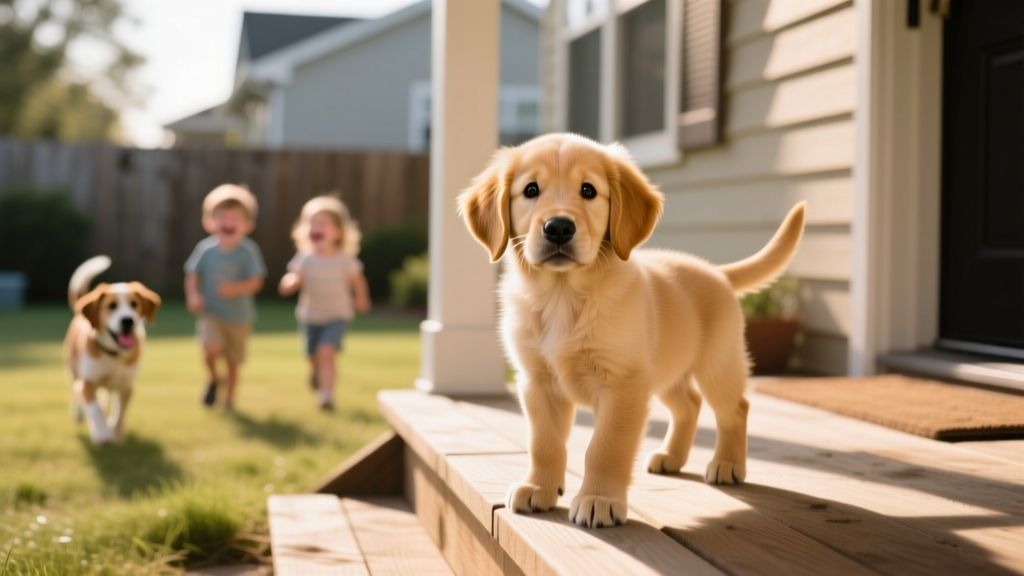
How to Breed a Puppy Responsibly: A Complete First-Year Raising Guide
Learn how to breed a puppy responsibly with age-specific milestones, feeding schedules, vaccination timelines, socialization checklists, and first-year cost breakdowns.

Understanding What It Means to Raise a Puppy Properly
If you've found yourself searching for guidance on how to breed a puppy — whether you're a first-time owner welcoming a new litter, an accidental-breeder situation, or someone preparing to bring home a pup from a responsible source — this guide covers the critical first year of canine development with exact timelines, measurements, and costs.
Raising a puppy from 4 weeks through 12 months involves precise nutritional transitions, vaccination windows that cannot be missed, and a socialization period that closes permanently around 14 weeks. Missing these windows creates behavioral and health consequences that persist into adulthood. This guide gives you the specific data points you need at each stage.
Age-Specific Puppy Milestones: Week by Week
Every puppy develops on a predictable neurological and physical timeline. Here's what to expect at each critical stage, based on developmental research from the Merck Veterinary Manual.
Weeks 4–8: The Transitional and Early Socialization Period
- Week 4: Puppies begin weaning. Introduce gruel (puppy kibble soaked in warm water or puppy-specific milk replacer like Esbilac). Eyes fully open, hearing develops. First wobbly steps.
- Weeks 4–5: Deciduous (baby) teeth erupt — incisors first, then canines. Puppies begin play-biting littermates, learning bite inhibition naturally.
- Weeks 5–6: Puppies eat gruel 3–4 times daily. Begin human handling sessions (minimum 5 minutes, 3x daily). Introduce varied textures: towels, cardboard, rubber mats.
- Weeks 6–7: First deworming typically administered (pyrantel pamoate at 5 mg/kg). Puppies show distinct personalities. Fear periods can begin as early as week 8.
- Week 8: Puppies should be eating solid puppy food. Ready for first DHPP vaccine. Ideal homing age for most breeds.
Weeks 8–12: Primary Socialization Window (Critical)
- Week 8–9: First veterinary wellness exam. First DHPP (Distemper, Hepatitis, Parainfluenza, Parvovirus) vaccine administered. Begin crate training in 5-minute increments.
- Weeks 9–10: Peak of primary socialization period. Puppy is most receptive to novel experiences. Introduce 5–7 new people, surfaces, sounds, and objects per week minimum.
- Weeks 10–12: Second DHPP vaccine. Puppies can begin short leash walks (5 minutes per month of age rule = ~10 minutes). Begin name recognition and sit training using food lures.
- Behavioral note: The first fear imprint period (8–11 weeks) means traumatic experiences during this window can create lasting phobias. Keep all introductions positive — never force interactions.
Weeks 12–16: Building Confidence and Boundaries
- Weeks 12–14: Third DHPP vaccine. Socialization window begins closing around week 14 — intensify exposure efforts. Puppy can begin supervised outdoor exploration in low-risk areas (your yard, not dog parks).
- Weeks 14–16: Rabies vaccine administered (legally required in all US states). Puppy begins testing boundaries — expect increased mouthing, jumping, and selective hearing on recall.
- Physical development: Puppy reaches approximately 60% of adult weight by 16 weeks for small breeds, 50% for large breeds. Growth plates remain open — avoid forced exercise like jogging or repetitive jumping.
Weeks 16–24 (4–6 Months): Adolescence Begins
- 16–20 weeks: Baby teeth begin loosening. You may find teeth on the floor or notice increased chewing. Adult incisors erupt first.
- 20–24 weeks: Most baby teeth replaced by adult teeth (42 total). If baby canines haven't fallen out by 6 months (retained deciduous teeth), consult your vet — common in small breeds like Yorkies, Chihuahuas, and Pomeranians.
- Behavioral shift: Second fear period typically occurs between 6–14 months. Puppy may suddenly fear previously familiar objects or people. Respond with patience and counter-conditioning, not force.
- Spay/neuter discussion: For large breeds (over 50 lb / 23 kg adult weight), the AVMA and recent orthopedic research suggest delaying gonadectomy until growth plates close (12–18 months) to reduce hip dysplasia and cruciate ligament injury risk. For small breeds, 6 months remains standard. Consult your veterinarian for breed-specific timing.
Months 6–12: Teenage Phase and Maturity
- 6–8 months: Adolescent energy peaks. Increase mental enrichment (snuffle mats, frozen Kongs, puzzle feeders) to prevent destructive behavior. Training regression is normal — revisit basics with patience.
- 8–10 months: Larger breeds continue growing. Males may begin marking territory. Females of small breeds may experience first estrus (heat cycle) as early as 6 months; large breeds typically 12–24 months.
- 10–12 months: Transition from puppy food to adult food for small/medium breeds (under 50 lb / 23 kg). Large and giant breeds should remain on large-breed puppy formula until 18–24 months to support controlled growth.
Feeding Schedule: Exact Portions by Age and Weight
Puppies require precise caloric intake to support growth without causing developmental orthopedic disease (especially in large breeds). The following schedule assumes an AAFCO-certified complete-and-balanced puppy food with a caloric density of approximately 350–400 kcal per cup.
| Age | Meals/Day | Small Breed (under 20 lb / 9 kg adult) | Medium Breed (20–50 lb / 9–23 kg) | Large Breed (50–100 lb / 23–45 kg) |
|---|---|---|---|---|
| 4–6 weeks | 3–4 (gruel) | ¼–½ cup gruel per meal | ½–¾ cup gruel per meal | ¾–1 cup gruel per meal |
| 6–12 weeks | 4 | ¼–⅓ cup dry per meal | ½–¾ cup dry per meal | 1–1½ cups large-breed puppy per meal |
| 3–6 months | 3 | ⅓–½ cup per meal | ¾–1¼ cups per meal | 1½–2½ cups large-breed puppy per meal |
| 6–12 months | 2 | ½–¾ cup per meal | 1–1¾ cups per meal | 2–3½ cups large-breed puppy per meal |
Potty Training Timeline: Realistic Expectations and Troubleshooting
Puppies develop bladder control at a rate of approximately one hour per month of age. A 2-month-old puppy can hold urine for roughly 2 hours; a 4-month-old for about 4 hours. Full reliable house training typically takes 4–6 months, with some small breeds requiring up to 12 months due to smaller bladder capacity.
Potty Training Progression
| Age | Max Hold Time | Outdoor Trips/Day | Expectation |
|---|---|---|---|
| 8–10 weeks | 1–2 hours | 12–15 (including overnight) | Accidents every day — this is normal |
| 10–14 weeks | 2–3 hours | 8–12 | Fewer accidents if schedule is consistent |
| 3–4 months | 3–4 hours | 6–8 | Beginning to signal (sniffing, circling, going to door) |
| 4–6 months | 4–6 hours | 5–6 | Mostly reliable with occasional regression |
| 6–12 months | 6–8 hours | 4–5 | Fully reliable for most breeds |
Troubleshooting Common Potty Training Problems
Submissive urination (common in 2–5 month puppies): Puppy pees when greeted or scolded. This is involuntary — not a training failure. Solution: greet puppy calmly at their level, avoid direct eye contact, take them outside immediately upon arriving home. Most outgrow this by 6–12 months.
Excitement urination: Similar to submissive but triggered by high arousal. Manage by keeping greetings low-key and taking puppy outside before exciting activities.
Regression at 4–6 months: Previously reliable puppy begins having accidents. Common causes: urinary tract infection (get a urinalysis from your vet), hormonal changes, or increased freedom before readiness. Return to a stricter schedule for 2 weeks.
Crate accidents overnight: If your puppy soils the crate, the crate may be too large (use a divider), the puppy was left too long, or there's a medical issue. A properly sized crate should allow the puppy to stand, turn around, and lie down — nothing more.
Socialization Window: Weeks 3–14 Exposure Checklist
The primary socialization period (approximately weeks 3–14) is the single most important developmental window in your puppy's life. Research published in the Journal of Veterinary Behavior demonstrates that puppies with inadequate socialization during this period are significantly more likely to develop fear-based aggression, separation anxiety, and noise phobias in adulthood.
The AKC recommends exposing your puppy to a minimum of 100 new experiences before 16 weeks. Here is your structured checklist:
People (Minimum 15 Different Types)
- Children ages 2–5 (supervised, calm interactions)
- Children ages 6–12
- Tall men (over 6 ft / 183 cm)
- People wearing hats, sunglasses, hoodies
- People using wheelchairs, crutches, or walkers
- People with deep voices and high-pitched voices
- People of different skin tones and ethnic appearances
- Delivery workers in uniform
- People carrying umbrellas, bags, or backpacks
Surfaces and Environments (Minimum 12)
- Gravel, mulch, sand, wet grass
- Metal grates, wooden bridges
- Tile floors, hardwood, linoleum
- Elevated surfaces (grooming table, bench — always supervised)
- Car rides (start with 2-minute trips, build to 15 minutes)
- Automatic doors, revolving doors
Sounds (Minimum 10 — Use Recordings at Low Volume First)
- Thunder, fireworks (start at 20% volume, pair with treats)
- Vacuum cleaner, hair dryer, blender
- Doorbell, knocking, alarms
- Construction noise, sirens, traffic
- Other dogs barking (recordings)
Handling and Body Awareness (Daily, 5+ Minutes)
- Paw handling (all four paws, 10 seconds each)
- Ear examination and gentle cleaning
- Mouth opening and tooth inspection
- Tail touching and gentle restraint
- Nail trimming simulation (touch clippers to nails without cutting)
- Brushing with soft-bristle brush
Vaccination Schedule: Exact Timing and Vaccine Names
The following core and non-core vaccination schedule follows guidelines from the American Veterinary Medical Association (AVMA) and the American Animal Hospital Association (AAHA) Canine Vaccination Guidelines. Your veterinarian may adjust timing based on local disease prevalence and your puppy's individual risk factors.
| Age | Vaccine | Type | Notes |
|---|---|---|---|
| 6–8 weeks | DHPP (1st dose) | Core | Distemper, Adenovirus (Hepatitis), Parainfluenza, Parvovirus |
| 8–10 weeks | Bordetella (optional) | Non-core | Recommended if attending puppy classes or boarding |
| 10–12 weeks | DHPP (2nd dose) | Core | Leptospirosis may be added based on risk assessment |
| 12–14 weeks | Leptospirosis (1st dose, if indicated) | Non-core | Recommended in areas with wildlife exposure or standing water |
| 14–16 weeks | DHPP (3rd dose) + Rabies | Core | Rabies required by law in all US states; typically 1-year license initially |
| 16–18 weeks | Leptospirosis (2nd dose) + Lyme (if indicated) | Non-core | Lyme recommended in Northeast, Upper Midwest, and Pacific Coast |
| 12–16 months | DHPP booster + Rabies booster | Core | After this, DHPP typically moves to 3-year intervals |
Teething Timeline: Months 3–6 Relief Strategies
Puppies have 28 deciduous (baby) teeth that are gradually replaced by 42 permanent teeth. The teething process causes gum inflammation, increased chewing drive, and sometimes mild bleeding — all normal. Here's the exact eruption and shedding timeline:
- 3–4 weeks: Deciduous incisors erupt (12 total)
- 3–5 weeks: Deciduous canines erupt (4 total)
- 4–6 weeks: Deciduous premolars erupt (12 total)
- 12–16 weeks: Permanent incisors replace baby incisors
- 16–20 weeks: Permanent canines replace baby canines
- 20–24 weeks: Permanent premolars and molars erupt (all 42 adult teeth in place by ~6 months)
Safe Chew Recommendations by Age
- 8–12 weeks: Soft rubber toys (Kong Classic, size XS/S), chilled damp washcloths (twist and freeze), Nylabone Puppy Chew (soft formula). Avoid hard nylon, antlers, and cooked bones — puppy teeth fracture easily.
- 3–5 months: Kong Classic stuffed with soaked kibble and frozen, Benebone Puppy (softer rubber), Whimzees Puppy chews (vegetable-based, digestible). Supervise all chewing sessions.
- 5–6 months: Transition to standard Kong (medium for most breeds), West Paw Zogoflex Hurley, bully sticks (limit to 1 per day, supervise to prevent choking on small ends). Remove any chew that fits entirely in the puppy's mouth.
Crate Training Progression: Time Limits by Age
A crate is a management tool and safe space, not a punishment device. Puppies should be introduced to the crate using positive reinforcement — meals fed inside, treats tossed in, door left open initially. Here's the maximum recommended continuous crating time:
| Age | Max Daytime Crate Time | Max Overnight Crate Time | Notes |
|---|---|---|---|
| 8–10 weeks | 30–60 minutes | 2–3 hours (set alarm) | Expect crying — this is normal. Reward quiet moments. |
| 10–14 weeks | 1–2 hours | 3–4 hours | Begin building duration gradually in 15-minute increments |
| 3–4 months | 2–3 hours | 5–6 hours | Puppy should enter crate willingly for treats/meals |
| 4–6 months | 3–4 hours | 6–8 hours | Most puppies sleep through the night by 4 months |
| 6+ months | 4–5 hours max | 8 hours | Never exceed 5 hours daytime — arrange midday potty break |
Important: No puppy or adult dog should be crated for more than 8 hours total overnight or 5 hours during the day on a regular basis. Extended crating leads to anxiety, muscle atrophy, and behavioral deterioration. If your work schedule requires longer absences, arrange a dog walker, daycare, or a puppy-proofed pen area with a potty station.
Common Puppy Problems and Solutions
Puppy Biting and Nipping
All puppies mouth and bite — it's how they explore the world and play. Bite inhibition (learning to control jaw pressure) is normally taught by littermates during weeks 4–8. When you bring puppy home, you continue this education.
What works (positive reinforcement approach):
- When teeth touch skin, say "ouch" in a calm, slightly high-pitched voice and immediately stop interaction for 10–15 seconds (stand up, turn away)
- Redirect to an appropriate chew toy — reward chewing the toy with praise
- Provide adequate physical and mental exercise — overtired puppies bite more (puppies need 18–20 hours of sleep per day)
- Use a playpen for mandatory naps when puppy becomes a "land shark" — this is usually exhaustion, not aggression
What does NOT work: Holding the mouth shut, pushing fingers into the throat, alpha rolls, or any physical punishment. These methods increase fear and can escalate biting behavior. If biting persists past 5 months or involves hard bites that break skin, consult a certified professional dog trainer (CPDT-KA) or veterinary behaviorist.
Whining and Crying (Especially at Night)
Nighttime crying during the first 2–3 weeks home is normal — your puppy has never been alone. Strategies:
- Place the crate near your bed for the first week, then gradually move it to the desired location over 2–3 weeks
- Use a Snuggle Puppy (heat pack and simulated heartbeat toy, ~$30–$40) to mimic littermate comfort
- Ensure puppy has been exercised, fed, and toileted within 30 minutes of bedtime
- If crying continues after 30 minutes and needs have been met, wait it out — responding teaches that crying earns attention
- Exception: if puppy hasn't been out in 2+ hours, take them out silently (no play, no lights, straight back to crate)
Destructive Chewing
Puppies chew to explore, relieve teething pain, and expend energy. Management is the solution:
- Puppy-proof your home: use bitter apple spray on furniture legs, block access with baby gates, remove shoes and cords
- Provide 5–7 appropriate chew options rotated weekly to maintain novelty
- Supervise or confine — a puppy should never have unsupervised house access until 12–18 months
- Increase daily enrichment: frozen food-dispensing toys, snuffle mats, training sessions (5 minutes, 3x daily)
First-Year Cost Breakdown
Budgeting accurately for a puppy's first year prevents financial stress and ensures consistent care. The following ranges reflect 2026 US pricing based on national averages.
| Category | Low Estimate | Medium Estimate | High Estimate | Details |
|---|---|---|---|---|
| Veterinary (wellness + vaccines) | $400 | $650 | $900 | Includes 3 wellness exams, DHPP series, rabies, fecal tests, deworming |
| Spay/Neuter | $200 | $500 | $800 | Varies by size; laparoscopic spay costs more |
| Food (12 months) | $300 | $550 | $900 | Small breed: ~$25–40/mo; Large breed: ~$50–75/mo |
| Supplies (crate, bed, toys, leash, bowls) | $200 | $400 | $700 | Wire crate ($50–80), orthopedic bed ($40–100), harness ($25–50) |
| Training (group classes or private) | $150 | $350 | $800 | 6-week group class ($150–250); private sessions ($80–150/hr) |
| Preventive medications (flea/tick, heartworm) | $150 | $250 | $400 | NexGard, Simparica Trio, or Interceptor Plus — weight-based pricing |
| Pet insurance (optional but recommended) | $360 | $600 | $900 | $30–75/month; enroll before first illness for pre-existing condition coverage |
| Total First Year | $1,760 | $3,300 | $5,400 | Excludes puppy purchase price and emergency vet visits |
Emergency veterinary visits (foreign body ingestion, parvovirus, fracture) can add $1,000–$5,000+ in a single incident. Pet insurance or a dedicated emergency fund of at least $2,000 is strongly recommended.
Frequently Asked Questions
When should I bring my puppy home?
The optimal age to bring a puppy home is 8 weeks for most breeds. Some responsible breeders of toy breeds (Chihuahuas, Yorkshire Terriers) keep puppies until 10–12 weeks due to fragility and hypoglycemia risk. Never take a puppy before 7 weeks — they miss critical littermate bite inhibition learning and may develop behavioral problems. State laws vary: some states prohibit sale before 8 weeks.
How often should I feed my puppy at each age?
Feed 4 meals daily from 6–12 weeks, reduce to 3 meals from 3–6 months, and transition to 2 meals from 6 months onward. Small breeds under 5 lb (2.3 kg) may need 4 meals through 4 months to prevent hypoglycemia. Always divide the daily total into the appropriate number of meals rather than increasing total food volume.
When will my puppy be fully potty trained?
Most puppies achieve reliable house training between 4–6 months of age, with small breeds sometimes taking up to 12 months. Consistency in schedule, supervision, and positive reinforcement for outdoor elimination are the three factors that determine speed. Expect occasional accidents through the first year — this is normal development, not failure.
What vaccines does my puppy need and when?
Core vaccines include DHPP at 6–8, 10–12, and 14–16 weeks, plus rabies at 14–16 weeks. Non-core vaccines (bordetella, leptospirosis, Lyme) are recommended based on lifestyle and geographic risk. Your veterinarian will create a customized schedule. Never skip or delay core vaccines — parvovirus has a mortality rate of up to 91% in untreated puppies.
How do I stop puppy biting and nipping?
Use redirection and time-outs rather than punishment. When teeth touch skin, say "ouch" calmly, withdraw attention for 10–15 seconds, then offer a chew toy. Ensure your puppy gets 18–20 hours of sleep daily (overtired puppies bite more), adequate physical exercise, and mental enrichment. Biting typically decreases significantly by 5–6 months as adult teeth come in and impulse control develops.
When can my puppy go outside and meet other dogs?
Your puppy can explore your own yard immediately (assuming no known parvo exposure). Public areas with unknown dog traffic (parks, pet stores, sidewalks) should be avoided until 7 days after the final DHPP at 14–16 weeks. However, supervised playdates with fully vaccinated, healthy adult dogs in private homes are safe and recommended starting at 8 weeks to support socialization. Puppy kindergarten classes that require proof of first DHPP are also considered safe by the AVSAB.
Robin Maitland
All our authors care for dogs every day — read more of their work on the authors page.