How Often Should You Bathe a Puppy? Golden Retriever Puppy Care Guide
Learn how often you should bathe a Golden Retriever puppy plus a full first-year care guide covering feeding, vaccines, potty training, and costs.
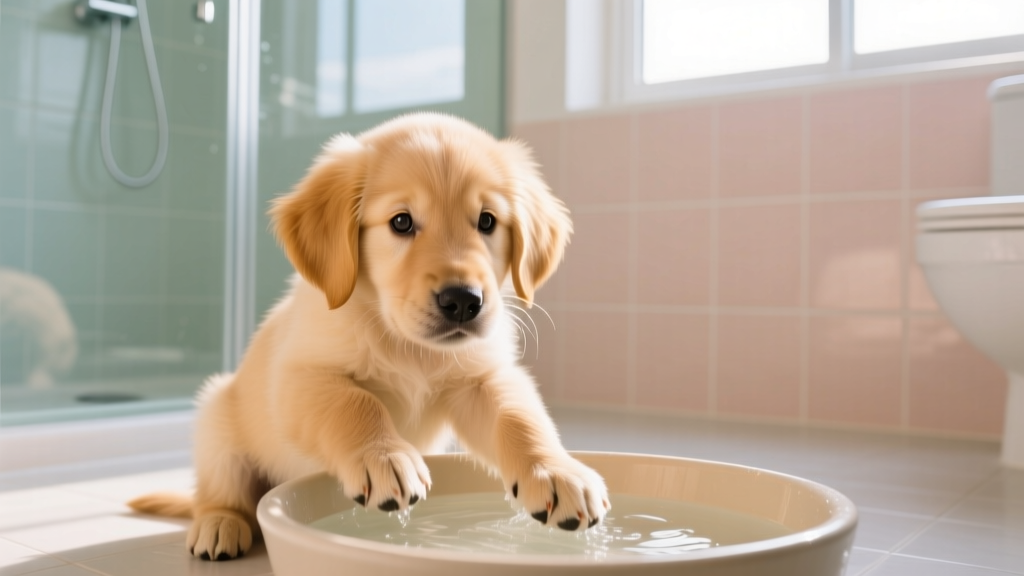
The Golden Retriever Puppy Bathing Schedule: What You Actually Need to Know
If you've just brought home a Golden Retriever puppy, you're probably wondering how often you should bathe them — especially given the breed's famous double coat and love of mud puddles. The short answer: bathe your Golden Retriever puppy every 4 to 6 weeks during the first year, unless they get visibly dirty or roll in something offensive. Over-bathing strips the natural oils from their water-resistant topcoat and can lead to dry, flaky skin — a particular concern for Goldens, which are already predisposed to atopic dermatitis and hot spots.
| Age | Bath Frequency | Notes |
|---|---|---|
| 8–12 weeks | Spot-clean only | Use damp washcloth; avoid full immersion until vaccines begin |
| 12–16 weeks | 1 full bath | First proper bath — use puppy-specific oatmeal shampoo |
| 4–6 months | Every 4–6 weeks | Establish routine; brush thoroughly before bathing |
| 6–12 months | Every 4–6 weeks | Adult coat coming in; increase brushing to 3–4x/week |
Golden Retrievers have a dense, water-repellent outer coat and a soft undercoat. Their skin produces sebum that maintains this protective barrier, and frequent bathing disrupts that balance. According to the American Kennel Club, Goldens should be brushed several times per week to manage shedding and prevent mats — brushing actually reduces the need for baths by distributing oils and removing debris.
Use a shampoo formulated specifically for puppies (pH-balanced around 7.0, compared to human shampoo at 5.5). Brands like Earthbath Oatmeal & Aloe Puppy Shampoo or Burt's Bees Puppy Shampoo are widely recommended. Always rinse thoroughly — residual shampoo is a leading cause of post-bath skin irritation in double-coated breeds.
Golden Retriever Puppy Milestones: Week by Week
Understanding your Golden's developmental stages helps you set realistic expectations. This breed matures slowly — many Goldens retain puppy-like energy and mouthiness well into their second year.
- Weeks 4–8 (Breeder Stage): Puppies learn bite inhibition from littermates, begin eating softened kibble, and start early socialization with novel surfaces and sounds. Weight: 4–10 lb (1.8–4.5 kg). Responsible breeders follow Puppy Culture or Avidog protocols.
- Weeks 8–12 (Home Transition): Critical bonding period. Puppy learns household routines, crate introduction begins. Expect 3–5 lb weight gain. Sleep needs: 18–20 hours/day. Fear imprint period begins around week 8 — avoid traumatic experiences.
- Weeks 12–16 (Foundation Training): Short training sessions (3–5 minutes, 3–4x/day). Begin leash introduction indoors. Puppy can hold bladder approximately 1 hour per month of age + 1 (so ~4 hours at 16 weeks). Second fear period may occur around 14–16 weeks.
- Weeks 16–24 (Adolescence Begins): Baby teeth start falling out around 16 weeks. Adult teeth fully in by 6 months. Energy surges — increase mental enrichment. Spay/neuter discussions with your vet typically happen in this window.
- Months 6–12 (Junior Stage): Sexual maturity (6–9 months). Adult coat replaces puppy fuzz — expect heavier shedding. Growth plates still open; avoid forced running or high-impact jumping until 12–18 months per Merck Veterinary Manual. Target weight by 12 months: 50–65 lb (23–29 kg) for females, 55–75 lb (25–34 kg) for males.
Feeding Your Golden Retriever Puppy: Portions and Schedule
Golden Retrievers are prone to rapid growth-related orthopedic problems, including hip and elbow dysplasia. Feeding a large-breed puppy formula that limits calcium and caloric density is essential. Look for an AAFCO statement specifying "growth" or "all life stages" for large-breed puppies (expected adult weight over 70 lb / 32 kg).
| Age | Meals/Day | Daily Amount (Large-Breed Puppy Kibble) | Expected Weight Range |
|---|---|---|---|
| 8–12 weeks | 3–4 | 1.5–2 cups/day | 10–22 lb (4.5–10 kg) |
| 3–6 months | 3 | 2–3 cups/day | 22–45 lb (10–20 kg) |
| 6–9 months | 2 | 3–4 cups/day | 45–65 lb (20–29 kg) |
| 9–12 months | 2 | 3–4.5 cups/day | 55–75 lb (25–34 kg) |
These are starting points. Adjust based on your puppy's body condition score (BCS) — you should be able to feel ribs without pressing hard, and see a visible waist from above. A BCS of 4-5 out of 9 is ideal for growing Goldens. If your puppy looks round or you can't easily feel ribs, reduce portions by 10%.
Recommended large-breed puppy foods include Royal Canin Golden Retriever Puppy, Purina Pro Plan Large Breed Puppy, and Hill's Science Diet Large Breed Puppy. Budget approximately $50–$75/month on food during the first year.
Vaccination Schedule for Your Golden Retriever Puppy
Golden Retrievers follow the standard core vaccination protocol recommended by the American Veterinary Medical Association (AVMA). Maternal antibodies interfere with early vaccines, which is why boosters are given in series.
| Age | Vaccine | Notes |
|---|---|---|
| 6–8 weeks | DHPP (Distemper, Hepatitis, Parainfluenza, Parvovirus) | Often given by breeder; deworming also done |
| 10–12 weeks | DHPP booster + Bordetella (optional) | Bordetella recommended if attending puppy classes |
| 14–16 weeks | DHPP final booster + Rabies | Rabies required by law in most US states |
| 12–16 weeks | Leptospirosis (2-dose series, 3–4 weeks apart) | Recommended for Goldens — breed enjoys water/outdoor exposure |
| 16+ weeks | Lyme disease (2-dose series) | Discuss with vet based on your region's tick prevalence |
Budget $200–$400 for the initial vaccine series. Some veterinary clinics offer puppy wellness packages for $300–$500 that include all vaccines, deworming, and a microchip.
Your Golden puppy should avoid high-traffic dog areas (dog parks, pet stores) until 7 days after their final DHPP booster at 14–16 weeks. However, controlled socialization with known, fully vaccinated dogs in private yards is safe and encouraged from 8 weeks onward. Puppy kindergarten classes that require proof of first vaccination are generally considered low-risk by veterinary behaviorists.
Socialization Window: Weeks 3–14 (Don't Miss This)
The primary socialization period for puppies closes around 14 weeks. For Golden Retrievers — a breed known for its friendly temperament — proper socialization during this window is what turns a naturally outgoing puppy into a confident, well-adjusted adult. Miss this window and even the friendliest Golden can develop fear-based reactivity.
Expose your puppy to each of these before 14 weeks. Keep all experiences positive — pair with treats and praise. If your puppy shows fear, increase distance and go slower.
- Surfaces: Grass, gravel, tile, hardwood, metal grates, wet pavement, carpet
- People: Children (supervised), elderly individuals, people wearing hats/sunglasses/masks, people with mobility aids, tall men, delivery workers
- Sounds: Vacuum cleaner, doorbell, thunder (play recordings at low volume), traffic, construction noise, fireworks recordings
- Handling: Paw touching, ear examination, mouth opening, nail clipping practice, towel drying, collar/harness on and off
- Animals: Fully vaccinated adult dogs (3–5 different dogs minimum), cats (if safe), livestock if rural
- Environments: Car rides, vet clinic (happy visits only), outdoor café patio, friend's house, elevator, automatic doors
- Objects: Umbrellas opening, garbage bags, balloons, bicycles, skateboards, strollers
Aim for 5–10 new positive experiences per day during the socialization window. Quality matters more than quantity — one scary experience can outweigh ten good ones.
Potty Training Your Golden Retriever: Realistic Timeline
Golden Retrievers are generally eager to please and pick up potty training faster than many breeds, but "fully trained" is a process, not a switch. Here's what to realistically expect:
- 8–12 weeks: Accidents every day. Take puppy out every 1–2 hours, immediately after meals, naps, and play. Expect 8–12 trips outside daily.
- 3–4 months: Accidents decrease to 2–3 per week if you're consistent. Puppy can hold bladder 3–4 hours during the day.
- 4–6 months: Most Goldens are 80–90% reliable by 6 months. Occasional accidents still happen, especially with schedule changes or excitement.
- 6–9 months: Fully reliable for most puppies, though some males may lift leg and mark indoors if not neutered. Marking is different from incomplete house training.
| Time | Action | Result | Treat Given? |
|---|---|---|---|
| 6:30 AM | Crate → outside immediately | Pee + poop | Yes (small training treat) |
| 7:00 AM | After breakfast | Pee | Yes |
| 8:15 AM | After play session | Nothing | No |
| 8:45 AM | Post-nap | Pee + poop | Yes |
Keep a log for the first 2 weeks to identify your puppy's patterns. Most Goldens develop predictable elimination rhythms within 5–7 days.
Use enzymatic cleaner (Nature's Miracle or Rocco & Roxie) for accidents — ammonia-based cleaners attract puppies back to the same spot. Never punish accidents after the fact; your puppy cannot connect a delayed consequence with the behavior.
Crate Training Progression and Time Limits
Golden Retrievers adapt well to crates when introduced properly. The crate should be large enough for your puppy to stand, turn around, and lie down — but not so large that they can eliminate in one corner and sleep in another. A 36-inch crate with a divider panel works well; you'll transition to a full 42-inch crate as they grow.
| Puppy Age | Max Crate Time (Day) | Max Crate Time (Night) | Notes |
|---|---|---|---|
| 8–10 weeks | 1–2 hours | 3–4 hours | Expect nighttime wake-ups for potty |
| 11–14 weeks | 2–3 hours | 4–5 hours | Set one overnight alarm if needed |
| 15–16 weeks | 3–4 hours | 6–7 hours | Many Goldens sleep through the night now |
| 4–6 months | 4–5 hours | 7–8 hours | Never exceed 5 hours daytime crating |
| 6–12 months | 5–6 hours | 8 hours | Consider dog walker for midday break |
Feed meals in the crate, provide a frozen Kong stuffed with peanut butter (xylitol-free) or plain yogurt, and never use the crate as punishment. If your Golden whines, wait for 3–5 seconds of quiet before opening the door — opening during whining teaches them that noise works.
Teething Timeline and Safe Chew Strategies
Golden Retriever puppies are notoriously mouthy, and teething intensifies this breed trait. Here's the progression:
- 3–4 weeks: Deciduous (baby) teeth erupt — 28 total
- 12–16 weeks: Baby incisors begin falling out; you may find tiny teeth on the floor or notice puppy swallowing them (harmless)
- 4–5 months: Canines and premolars transition — peak chewing and discomfort period
- 5–7 months: All 42 adult teeth should be in. If baby canines haven't fallen out by 6 months, your vet may need to extract them (common in Goldens — called retained deciduous teeth)
Safe chew options during teething:
- Frozen wet washcloth (twist, wet, freeze — supervise to prevent swallowing fabric)
- Kong Classic Puppy (softer rubber formula, size Small for 8–16 weeks, Medium after)
- Benebone Puppy Wishbone (nylon, designed for puppies under 6 months)
- Frozen carrot sticks or banana slices (supervise; remove when small enough to choke on)
- Nylabone Puppy Chew Keys
Avoid: Rawhide (choking and intestinal blockage risk), hard antlers or weight-bearing bones (can fracture developing teeth), and any chew smaller than your puppy's mouth.
Common Golden Retriever Puppy Problems and Solutions
Puppy Biting and Nipping
Golden Retrievers are a retrieving breed, which means they're genetically wired to use their mouths. Biting is normal, but it needs to be redirected — not suppressed. When your puppy bites your hand:
- Say "ouch" in a calm, firm voice (not a yelp — high-pitched yelps can excite some puppies more)
- Immediately offer an appropriate chew toy
- Praise and reward when they chew the toy instead
- If biting continues, stand up and leave for 15–30 seconds (negative punishment — removing attention)
This "redirect and withdraw" method follows LIMA (Least Intrusive, Minimally Aversive) principles. Most Golden puppies show significant bite inhibition improvement within 2–3 weeks of consistent application. Never hold your puppy's mouth shut, use bitter sprays on hands, or employ alpha rolls — these methods increase fear and can worsen biting.
Whining in the Crate
Golden puppies are social and often vocalize distress when separated. Ensure the crate is in a common area (not isolated in a laundry room). A Snuggle Puppy toy with a heartbeat simulator ($25–$35) can ease the first few nights. If whining occurs after your puppy has recently eliminated and isn't due to a potty need, wait for a brief pause in vocalization before acknowledging them.
Destructive Chewing
Goldens chew — it's partly breed drive, partly teething. Puppy-proof your home by removing shoes, cords, and small objects. Rotate a selection of 5–7 chew toys so novelty stays high. Increase physical exercise (age-appropriate: 5 minutes of structured walking per month of age, twice daily) and mental stimulation (snuffle mats, training sessions, food puzzles).
First-Year Cost Breakdown: Golden Retriever Puppy
Budgeting accurately prevents surprises. Here's a realistic first-year cost estimate for a Golden Retriever in the US (2026 pricing):
| Category | Low Estimate | Average | High Estimate |
|---|---|---|---|
| Puppy purchase (responsible breeder) | $1,500 | $2,500 | $4,000 |
| OR adoption/rescue | $200 | $400 | $600 |
| Veterinary (vaccines, spay/neuter, wellness) | $600 | $900 | $1,400 |
| Food (large-breed puppy formula) | $500 | $700 | $1,000 |
| Supplies (crate, bed, leash, bowls, toys) | $250 | $400 | $700 |
| Training (puppy class + basic obedience) | $150 | $350 | $800 |
| Grooming supplies (brushes, shampoo, nail clippers) | $50 | $100 | $200 |
| Pet insurance (annual premium) | $400 | $600 | $900 |
| Preventive medications (flea/tick, heartworm) | $200 | $350 | $500 |
| TOTAL (excluding puppy purchase) | $2,150 | $3,400 | $5,500 |
Golden Retrievers are predisposed to hip dysplasia (approximately 20% prevalence per the Orthopedic Foundation for Animals), elbow dysplasia, and certain cardiac conditions. Pet insurance is strongly recommended — enrolling during puppyhood avoids pre-existing condition exclusions.
Frequently Asked Questions
When should I bring my Golden Retriever puppy home?
Between 8 and 10 weeks of age. Puppies removed from their mother and littermates before 8 weeks miss critical socialization lessons — particularly bite inhibition and canine communication skills. Some breeders prefer to keep puppies until 10 weeks, which gives additional time for confidence building. Never accept a puppy younger than 7 weeks.
How often should I feed my Golden Retriever puppy?
Feed 3–4 meals per day from 8 to 12 weeks, 3 meals per day from 3 to 6 months, and transition to 2 meals per day from 6 months onward. Always use a large-breed puppy formula and measure portions with a standard measuring cup — eyeballing leads to overfeeding, and excess weight during growth accelerates joint deterioration in this breed.
When will my Golden Retriever be fully potty trained?
Most Golden Retrievers are reliably house-trained between 4 and 6 months with consistent scheduling. Some individuals take up to 9 months. "Fully trained" means no accidents for 4+ consecutive weeks. If your puppy is still having frequent accidents past 6 months despite consistent routine, consult your vet to rule out urinary tract infection or anatomical issues.
How do I stop my Golden Retriever puppy from biting?
Redirect biting to appropriate chew toys, withdraw attention for 15–30 seconds when biting continues, and reward gentle mouth behavior. Consistency from all household members is essential — if one person allows mouthing and another punishes it, the puppy becomes confused. Expect improvement in 2–3 weeks; full bite inhibition typically solidifies by 5–6 months as adult teeth come in and impulse control develops.
What vaccines does my Golden Retriever puppy need?
Core vaccines include DHPP (given at 6–8, 10–12, and 14–16 weeks) and Rabies (at 14–16 weeks). Lifestyle vaccines your vet may recommend include Bordetella (for puppy classes or boarding), Leptospirosis (important for water-loving breeds like Goldens), and Lyme disease (in tick-endemic regions). Always consult your veterinarian for a protocol tailored to your puppy's risk profile and local disease prevalence.
Can I bathe my 8-week-old Golden Retriever puppy?
At 8 weeks, stick to spot-cleaning with a warm, damp washcloth rather than a full bath. Your puppy's immune system is still developing, and the stress of a full bath combined with incomplete vaccination can be counterproductive. Wait until 12 weeks for the first full bath using a puppy-specific, pH-balanced shampoo. After that, bathing every 4–6 weeks maintains coat health without stripping natural oils.
This article provides general guidance and does not replace professional veterinary care. Always consult your veterinarian for health decisions specific to your puppy. If your puppy ingests a toxic substance, contact the ASPCA Animal Poison Control Center at (888) 426-4435 (24/7, consultation fee applies).
Tom Renshaw
All our authors care for dogs every day — read more of their work on the authors page.


