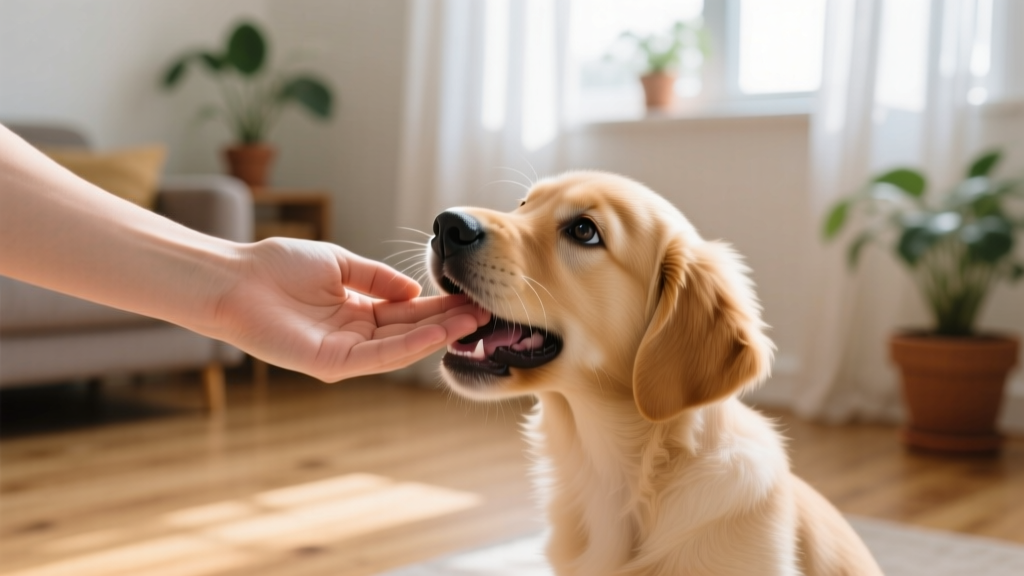
How Long to Toilet Train a Puppy: A Week: by: Week...
How long to toilet train a puppy? Get a realistic week-by-week timeline, feeding schedules, vaccination dates, crate training tips, and first-year cost breakdown.

The Real Answer: How Long to Toilet Train a Puppy
If you're losing sleep over 3 a.m. potty breaks and wondering when your puppy will finally "get it," you're not alone. The honest answer to how long to toilet train a puppy depends heavily on breed size, consistency, and the age you start. Here's the realistic timeline based on veterinary behaviorist data and thousands of puppy-raising households:
- Toy/Small breeds (under 20 lb): 4–6 months for reliable house training
- Medium breeds (20–60 lb): 3–5 months
- Large/Giant breeds (60+ lb): 2–4 months (larger bladder capacity helps)
- Full reliability (zero accidents for 30+ days): 6–12 months for most dogs
Small breeds take longer primarily because their bladders are physically smaller — a 5-pound Chihuahua puppy simply cannot hold it as long as a 30-pound Labrador puppy of the same age. According to the American Kennel Club, the most common mistake owners make is expecting adult-level bladder control before 16 weeks of age, when the sphincter muscles are still developing.
Age-Specific Puppy Milestones: What to Expect Each Week
Understanding developmental stages prevents frustration and sets realistic expectations. Here's your detailed milestone map:
| Age Range | Bladder Control | Developmental Focus | What You Should Do |
|---|---|---|---|
| Weeks 4–8 | 30–45 minutes max | Learning bite inhibition from littermates; beginning solid food transition | Puppy should remain with breeder/litter; early socialization with humans begins |
| Weeks 8–12 | 1–2 hours (set alarms at night) | Peak socialization window opens; fear imprinting period (8–11 weeks) | Take puppy out every 1–2 hours; begin crate training; expose to 100+ novel stimuli |
| Weeks 12–16 | 2–3 hours during day; 4–5 hours overnight | Second fear period possible (weeks 12–14); teething discomfort begins | Extend potty intervals gradually; introduce outdoor potty command; puppy kindergarten classes |
| Weeks 16–24 | 3–4 hours during day; 6–8 hours overnight | Active teething; adolescent independence; testing boundaries | Accidents may regress temporarily — stay consistent; increase exercise; advanced socialization |
| 6–12 months | 4–6 hours during day; 8+ hours overnight | Sexual maturity; second chewing phase; potential regression in trained behaviors | Reinforce potty habits; spay/neuter discussion with vet; continued training classes |
Feeding Schedule and Portions by Age
Precise feeding directly impacts potty training success. Predictable input creates predictable output — the cornerstone of house training. The ASPCA recommends consistent meal timing to regulate digestive schedules.
| Age | Meals Per Day | Small Breed (5–15 lb adult) | Medium Breed (25–50 lb adult) | Large Breed (60–100 lb adult) |
|---|---|---|---|---|
| 8–12 weeks | 4 meals | ¼–½ cup/day total | ¾–1¼ cups/day total | 1½–2½ cups/day total (large-breed formula) |
| 3–6 months | 3 meals | ⅓–¾ cup/day total | 1–2 cups/day total | 2–4 cups/day total |
| 6–12 months | 2 meals | ½–1 cup/day total | 1½–2½ cups/day total | 3–5 cups/day total |
| 12+ months | 2 meals | ½–1 cup/day (adult food) | 2–3 cups/day (adult food) | 3½–5 cups/day (adult food) |
Potty training feeding hack: Remove food 2–3 hours before bedtime and take away water 1–1.5 hours before crating for the night. Always take your puppy to the potty spot within 15–20 minutes after each meal — this is when the gastrocolic reflex triggers bowel movements.
Your Potty Training Timeline and Troubleshooting Playbook
The general rule veterinarians use: a puppy can hold their bladder for approximately one hour per month of age, plus one. So a 3-month-old puppy can hold it roughly 4 hours — but that's a maximum, not a training target. For active house training, take them out far more frequently.
- Punishing accidents after the fact (dogs cannot connect past actions to delayed punishment)
- Using pee pads long-term (teaches dogs that indoor surfaces are acceptable potty spots)
- Free-feeding instead of scheduled meals (unpredictable digestion = unpredictable accidents)
- Letting the puppy roam unsupervised (missed signals lead to missed potty trips)
- Inconsistent potty spot (dogs develop surface preferences — pick one outdoor spot and stick with it)
The regression reality: Many puppies appear fully trained by 16 weeks, then regress between 6–9 months during adolescence. This is normal and hormonal — not a failure of your training. Stay consistent with the same routine and the reliability will return. According to the Merck Veterinary Manual, true reliability — defined as fewer than one accident per month — typically occurs between 6 and 12 months of age.
Sample Daily Potty Schedule for an 8–12 Week Old Puppy
- 6:00 AM — Immediately outside upon waking (carry, don't walk)
- 6:30 AM — Breakfast, then outside within 15 minutes
- 8:00 AM — Outside after play session
- 9:30 AM — Outside after nap
- 11:00 AM — Lunch, then outside within 15 minutes
- 12:30 PM — Outside after play
- 2:00 PM — Outside after nap
- 3:30 PM — Outside
- 5:00 PM — Dinner, then outside within 15 minutes
- 6:30 PM — Outside after evening play
- 8:00 PM — Remove water bowl
- 9:00 PM — Final potty trip before crating
- 12:00 AM — Set alarm: one overnight potty break (reduce to zero by week 14–16)
Socialization Window: The Critical 3–14 Week Period
The American Veterinary Medical Association identifies weeks 3–14 as the primary socialization period — the window when puppies form lasting impressions about what is safe and normal. Missing this window can result in lifelong fear responses that no amount of later training can fully reverse.
When can your puppy go outside and meet other dogs? The current veterinary consensus (updated AAHA guidelines) recommends not waiting until all vaccinations are complete before beginning socialization. Instead, expose your puppy to controlled, low-risk environments starting immediately:
- ☐ Surfaces: grass, gravel, tile, carpet, metal grates, wet pavement, sand
- ☐ Sounds: vacuum, thunder (play recordings at low volume), doorbell, traffic, children screaming, fireworks recordings
- ☐ People: tall, short, wearing hats, sunglasses, uniforms, using canes/wheelchairs, different skin tones, facial hair
- ☐ Dogs: fully vaccinated, known-healthy dogs only — avoid dog parks until all vaccines complete (typically 16 weeks)
- ☐ Objects: umbrellas opening, plastic bags rustling, bicycles, skateboards, strollers
- ☐ Handling: paw touching, ear inspection, mouth opening, nail clipping simulation, gentle restraint
- ☐ Environments: car rides, pet-friendly store parking lots, outdoor café areas, friend's houses
- ☐ Separation: alone in crate for 5–10 minutes, gradually increasing to 30 minutes by week 12
Vaccination Schedule: Week-by-Week Breakdown
Your puppy's vaccination schedule directly impacts when they can safely socialize in public spaces. The AAHA Canine Vaccination Guidelines recommend the following core vaccine timeline:
| Age | Vaccines Administered | Notes |
|---|---|---|
| 6–8 weeks | DHPP (Distemper, Hepatitis/Adenovirus, Parainfluenza, Parvovirus) — Dose 1 | Often administered by breeder; begin socialization in controlled settings |
| 10–12 weeks | DHPP — Dose 2; Bordetella (optional based on lifestyle) | Puppy can attend classes with other vaccinated puppies; avoid high-traffic dog areas |
| 14–16 weeks | DHPP — Dose 3 (final); Rabies (required by law in most US states) | Full public access generally safe 1–2 weeks after final DHPP |
| 12–16 months | DHPP booster; Rabies booster | Then every 3 years for core vaccines per AAHA guidelines |
Non-core vaccines to discuss with your veterinarian based on your lifestyle and region: Leptospirosis, Lyme disease, and Canine Influenza (H3N2/H3N8). These are recommended for dogs with outdoor exposure, hiking lifestyles, or boarding facility use.
Teething Timeline and Safe Relief Strategies
Puppies begin losing their 28 deciduous (baby) teeth between 3–4 months, with all 42 adult teeth typically erupted by 6–7 months. This is the period when destructive chewing peaks and owners often find destroyed shoes, furniture corners, and baseboards.
Safe chew recommendations by age:
- 8–12 weeks: Soft rubber toys (Kong Classic Puppy, $8–$12), frozen wet washcloth twisted into a rope, soft edible puppy chews
- 3–5 months (peak teething): Frozen Kong stuffed with plain yogurt or puppy-safe peanut butter (verify xylitol-free), Nylabone Puppy Chew ($5–$8), Benebone Puppy ($10–$15)
- 5–7 months: Transition to medium-firm chews; avoid hard antlers and weight-bearing bones until 12+ months (risk of tooth fracture in developing teeth)
Crate Training Progression and Time Limits
The crate is your single most effective potty training tool — dogs instinctively avoid soiling their sleeping area. But crate time must be age-appropriate to prevent distress and negative associations.
| Puppy Age | Max Crate Time (Day) | Max Crate Time (Night) | Crate Size Tip |
|---|---|---|---|
| 8–10 weeks | 30–60 minutes | 2–3 hours (then potty break) | Use divider in adult-size crate; space should allow standing and turning only |
| 11–14 weeks | 1–2 hours | 3–4 hours | Expand divider slightly as puppy grows |
| 15–16 weeks | 2–3 hours | 4–5 hours | Full crate size once potty trained in crate |
| 4–6 months | 3–4 hours | 6–8 hours | Add comfortable bedding once chewing phase subsides |
| 6+ months | 4–5 hours | 8 hours | Consider transitioning to pen or free-roam once fully reliable |
Common Puppy Problems and Breed-Stage Solutions
Puppy Biting and Nipping
How do you stop puppy biting? Puppies explore the world with their mouths, and littermates teach bite inhibition through yelping feedback. When you bring your puppy home, you become that feedback system:
- Redirect: When teeth touch skin, immediately offer an appropriate chew toy. Reward chewing the toy with calm praise.
- Withdraw attention: If biting continues, stand up, cross your arms, and turn away for 10–15 seconds (time-out from social interaction).
- Never use physical punishment: Holding the mouth shut, tapping the nose, or alpha rolls increase fear and can escalate to defensive biting. The American Veterinary Society of Animal Behavior explicitly advises against dominance-based training methods.
- Provide adequate exercise: Overtired puppies bite more. An 8–12 week old puppy needs 15–20 minutes of structured play followed by enforced nap time in the crate.
Whining in the Crate
Distinguish between protest whining (ignore it — rewarding with attention reinforces the behavior) and potty-need whining (if it's been 2+ hours, take them out silently, then return to crate). Keep overnight potty trips boring: dim lights, no play, straight to the potty spot and back to the crate.
Destructive Chewing
Puppies don't chew to be destructive — they chew because teething hurts and chewing relieves pressure. Management is the solution: puppy-proof your home by removing tempting items from floor level, provide 5–7 appropriate chew toys rotated weekly to maintain novelty, and supervise all free-roam time until 12–18 months.
First-Year Cost Breakdown: Budget Realistically
New puppy owners consistently underestimate first-year expenses. Here's a realistic breakdown based on 2026 veterinary pricing data:
| Category | Low Estimate | Average | High Estimate |
|---|---|---|---|
| Initial vet visits (3–4 wellness exams + vaccines) | $300 | $500 | $800 |
| Spay/neuter surgery | $200 | $500 | $1,000 |
| Heartworm/flea/tick prevention (12 months) | $150 | $300 | $500 |
| Food (12 months, quality puppy formula) | $300 | $500 | $900 |
| Supplies (crate, bed, leash, collar, bowls, toys, gates) | $200 | $400 | $700 |
| Training classes (puppy kindergarten + basic obedience) | $150 | $350 | $600 |
| Pet insurance (annual premium) | $350 | $600 | $900 |
| Microchipping + registration | $25 | $50 | $75 |
| TOTAL FIRST YEAR | $1,675 | $3,200 | $5,475 |
Hidden costs to budget for: Emergency vet visits ($500–$3,000+), boarding/daycare ($25–$55/night), grooming for coated breeds ($40–$90/session), and replacing destroyed items during the chewing phase. An emergency fund of $1,000–$2,000 or comprehensive pet insurance is strongly recommended.
Frequently Asked Questions
When should I bring my puppy home?
The ideal age to bring a puppy home is 8–10 weeks. Puppies need weeks 6–8 with their littermates to learn bite inhibition, canine communication signals, and basic social skills. Taking a puppy before 8 weeks increases the risk of behavioral problems including separation anxiety, fear-based aggression, and poor bite inhibition. Some breeders of toy breeds recommend waiting until 10–12 weeks due to the fragility and stress sensitivity of very small puppies.
How often should I feed my puppy at different ages?
Feed 4 meals daily from 8–12 weeks, reduce to 3 meals from 3–6 months, and transition to 2 meals from 6 months onward. Always feed measured portions at consistent times rather than free-feeding — this directly supports potty training by creating predictable elimination patterns. Consult your veterinarian for exact portion sizes tailored to your puppy's breed, activity level, and body condition score.
When will my puppy be fully potty trained?
Most puppies achieve reliable house training between 4–6 months of age, with full reliability (fewer than one accident per month) by 6–12 months. Small breeds may take 1–2 months longer due to smaller bladder capacity. If your puppy is still having frequent accidents after 6 months of consistent training, consult your veterinarian to rule out medical causes such as urinary tract infections, ectopic ureters, or congenital bladder abnormalities.
What vaccines does my puppy need and when?
Core vaccines follow a schedule of DHPP at 6–8 weeks, 10–12 weeks, and 14–16 weeks, with rabies given at 14–16 weeks (timing varies by state law). Non-core vaccines like Bordetella, Leptospirosis, and Lyme disease depend on your puppy's lifestyle and geographic risk factors. Your veterinarian will create a customized vaccination protocol based on your puppy's individual needs.
How do I stop puppy biting and nipping?
Redirect biting to appropriate chew toys, withdraw attention for 10–15 seconds when teeth contact skin, and ensure your puppy gets adequate exercise and enforced nap times (overtired puppies bite most). Expect biting to peak around 12–16 weeks during early teething and gradually decrease by 5–6 months as adult teeth come in. Consistency from all household members is critical — mixed messages prolong the behavior.
When can my puppy go outside and meet other dogs?
Your puppy can go outside in low-risk environments (your own yard, carried on walks in your arms) immediately. For public spaces and meeting unknown dogs, wait until 1–2 weeks after the final DHPP vaccine at 14–16 weeks. However, controlled socialization with known, fully vaccinated dogs can begin as early as 8 weeks — this is critical for behavioral development. Puppy kindergarten classes that require proof of first vaccination are generally considered safe starting at 10 weeks.
Priya Sutaria
All our authors care for dogs every day — read more of their work on the authors page.