Helping Your Shy Puppy Feel Safe & Confident
Practical, step-by-step guidance for new puppy owners to gently build confidence in a shy or fearful puppy.

Understanding Shyness in Puppies
Shyness in puppies isn’t just “timid behavior”—it’s often a sign of under-socialization, past stress, or genetic sensitivity. A shy puppy may cower, freeze, avoid eye contact, tuck their tail, or retreat when approached. Recognizing these signals early—and responding with patience, not pressure—is the first step toward building lasting trust.
Create a Safe Base
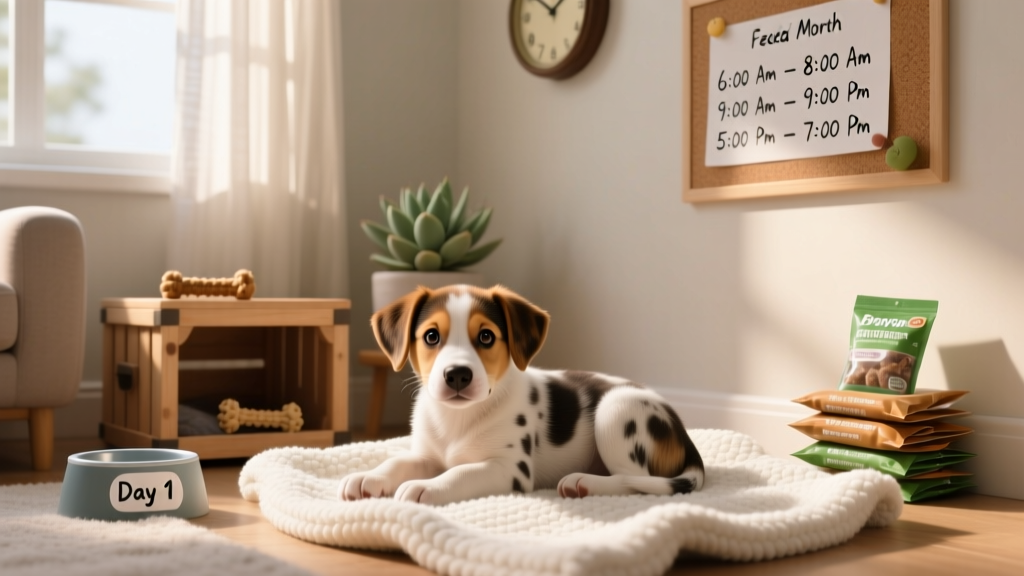
Every shy puppy needs a predictable, low-stimulus sanctuary: a cozy crate or quiet corner with soft bedding, familiar scents (like a worn T-shirt), and minimal foot traffic. Keep this space accessible at all times—never use it for punishment. Let your puppy choose to enter and rest there voluntarily. This safe base becomes their emotional anchor.
Go Slow with New People & Places
Rushing introductions increases fear. Instead:
- Limit visitors for the first 2–3 weeks—only calm, seated adults who ignore the puppy at first.
- Let the puppy approach on their own terms; reward even small steps (e.g., glancing at someone) with soft praise and tiny treats.
- Short, positive outings: Start with 2–3 minute walks in quiet areas (early morning/late evening), ending before stress signs appear (panting, lip-licking, wide eyes).
Use Positive Reinforcement—Not Force
Never coax, chase, lift, or hold a shy puppy to “get them used to it.” Forced interaction teaches that humans mean loss of control. Instead:
- Drop high-value treats (like boiled chicken or freeze-dried liver) near—but not directly at—the puppy while you sit quietly nearby.
- Pair gentle sounds (a soft whistle, a quiet click) with treats to build positive associations.
- Teach simple cues like “touch” (nose to hand) only when the puppy is relaxed—not during moments of fear.
Build Confidence Through Play & Choice
Play is powerful medicine for anxiety. Use low-pressure games that let the puppy lead:
- “Find it” games: Scatter treats in grass or on a rug—encourages curiosity and scent work without pressure.
- Soft tug or flirt pole sessions (with a feather or rope toy on a string) help release nervous energy and reinforce confidence through movement.
- Offer choices daily: Which toy? Which path on the walk? Which side of the room to nap in? Choice builds agency—a key ingredient in resilience.
Watch for Stress Signals—and Stop Promptly
Early intervention prevents fear from escalating. Common signs include:
- Yawning, blinking rapidly, or turning head away
- Licking lips or nose (when not eating)
- Stiff posture, low tail, flattened ears
- Freezing or sudden stillness
If you notice any of these, calmly pause the activity, increase distance from the trigger, and offer a treat or quiet break. Never scold or push forward—it tells your puppy their feelings aren’t safe to express.
When to Seek Professional Help
Most shy puppies improve steadily with consistent, compassionate care over 4–12 weeks. However, consult a certified professional (a Fear Free–certified veterinarian or a force-free trainer credentialed by the CCPDT or IAABC) if:
- Fear worsens instead of improves after 3 weeks of gentle work
- Your puppy shows aggression (snapping, growling) as a fear response
- They refuse food in most settings—even in their safe space
- You feel overwhelmed or unsure how to proceed
Early support makes a profound difference—and remember: progress isn’t linear. Celebrate tiny wins—a single tail wag, a relaxed sigh, or sleeping soundly in your presence. You’re not fixing your puppy—you’re helping them discover safety, one calm moment at a time.
Robin Maitland
All our authors care for dogs every day — read more of their work on the authors page.