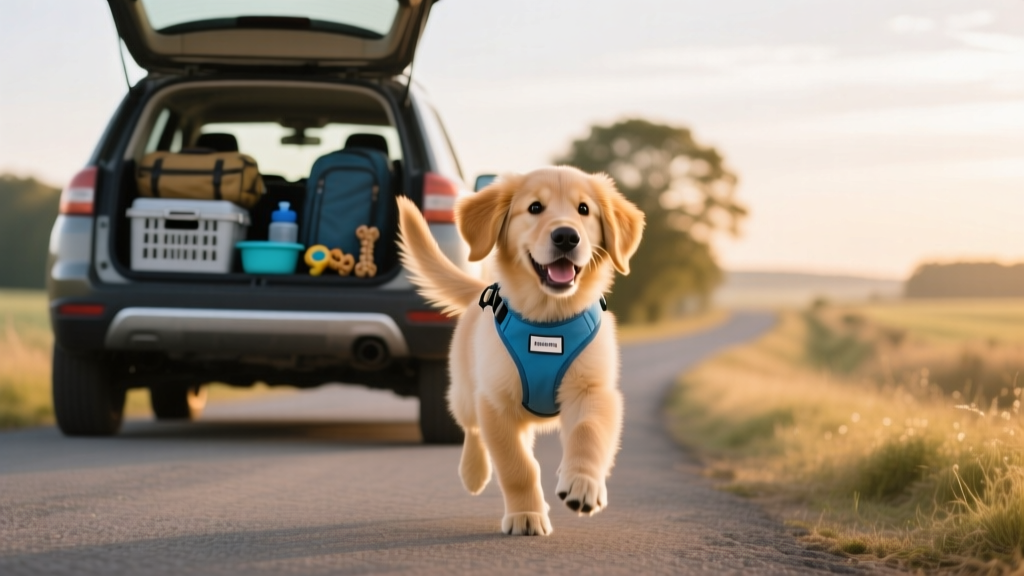
Greater Swiss Mountain Dog Puppies: Complete Puppy Care Guide
Everything you need to know about raising Greater Swiss Mountain Dog puppies — milestones, feeding, vaccinations, potty training, and first-year costs.

Bringing Home a Greater Swiss Mountain Dog Puppy: What to Expect
Greater Swiss Mountain Dog puppies — affectionately called "Swissies" — are large, sturdy, and deeply loyal companions. Bred originally as draft dogs in the Swiss Alps, these tricolor giants grow quickly and require structured care from day one. If you're preparing to welcome one into your home, this guide covers every critical stage from 4 weeks through 12 months with breed-specific timelines, feeding portions, vaccination schedules, and realistic cost expectations.
Swissies are a large working breed recognized by the American Kennel Club. Males typically reach 115–140 lb (52–64 kg) and females 85–110 lb (39–50 kg) at maturity. That rapid growth trajectory means puppy care decisions — especially around nutrition, exercise, and joint protection — carry long-term consequences.
Responsible breeders keep Swissie puppies until at least 8–10 weeks of age. The 8-week mark is the minimum recommended by the AKC and most veterinary behaviorists. Some Swissie breeders prefer 10 weeks because large-breed puppies benefit from extra littermate socialization during the critical developmental window. Never accept a puppy younger than 8 weeks unless there are documented medical or welfare circumstances requiring early separation.
Age-Specific Milestones for Swissie Puppies
Large-breed puppies develop on a different timeline than smaller dogs. Here's what to expect at each stage with your Greater Swiss Mountain Dog puppy.
| Age Range | Weight (Approx.) | Key Milestones | What to Expect |
|---|---|---|---|
| 4–8 weeks | 10–25 lb (4.5–11 kg) | Weaning, litter play, early bite inhibition | Still with breeder. Learning canine communication from littermates. Introducing solid food (gruel → kibble). |
| 8–12 weeks | 25–40 lb (11–18 kg) | Home transition, first vet visit, crate introduction | Fear imprint period (8–11 weeks). Keep experiences positive. Short attention spans — 2–3 minute training sessions. Sleeps 18–20 hours/day. |
| 12–16 weeks | 40–55 lb (18–25 kg) | Teething begins, socialization window closes, bladder control improves | Testing boundaries. Chewing intensifies. Can hold bladder ~3–4 hours. Second fear period may emerge around 14–16 weeks. |
| 16–24 weeks | 55–80 lb (25–36 kg) | Peak teething, adolescent independence, leash manners | May "forget" known commands. Growth plates still open — avoid forced running, jumping from heights, or repetitive stair use. Switch to 2 meals/day around 6 months. |
| 6–12 months | 80–130 lb (36–59 kg) | Sexual maturity, continued skeletal growth, advanced training readiness | Swissies mature slowly — expect full physical maturity at 2–3 years. Spay/neuter discussion with vet (many recommend waiting until 12–18 months for large breeds to allow growth plate closure). Energy may increase before settling. |
Feeding Schedule for Greater Swiss Mountain Dog Puppies
Nutrition is the single most impactful decision you'll make for a large-breed puppy. Overfeeding or using the wrong formula can accelerate growth and increase the risk of developmental orthopedic diseases like hip dysplasia and osteochondritis dissecans (OCD), both documented concerns in the breed. Always choose a food labeled for "large breed puppy" growth with an AAFCO statement confirming it meets nutritional profiles for growth/all life stages.
How often should I feed my Greater Swiss Mountain Dog puppy?
| Age | Meals/Day | Approx. Daily Portion | Notes |
|---|---|---|---|
| 8–12 weeks | 3–4 meals | 2.5–4 cups large-breed puppy kibble | Soak kibble in warm water if transitioning. Feed at consistent times. |
| 12–16 weeks | 3 meals | 3.5–5 cups | Monitor body condition score (BCS). Ribs should be palpable but not visible. |
| 16–24 weeks | 3 meals → 2 meals (at ~6 months) | 4.5–6.5 cups | Transition to 2 meals/day gradually over 5–7 days. Watch for rapid weight gain. |
| 6–12 months | 2 meals | 5–8 cups (varies by caloric density) | Switch to large-breed adult formula around 12 months. Consult your vet for exact caloric needs based on activity and BCS. |
Key feeding rules for Swissie puppies:
- Look for calcium content between 1.0–1.5% on a dry matter basis. Excess calcium disrupts bone remodeling in large breeds.
- Target a lean body condition — BCS of 4/9 or 5/9. Growing puppies should look slightly lean, not chubby.
- Use a slow-feeder bowl if your puppy inhales food. Swissies are at elevated risk for gastric dilatation-volvulus (bloat), and rapid eating is a modifiable risk factor.
- Wait 60–90 minutes after meals before vigorous exercise or play.
- Measure food with a standard measuring cup or kitchen scale — do not estimate.
Vaccination Schedule and Core Immunizations
Your Greater Swiss Mountain Dog puppy needs a series of core vaccines to build immunity during the vulnerable window when maternal antibodies wane. The American Veterinary Medical Association and the AAHA canine vaccination guidelines recommend the following core schedule:
| Age | Vaccines Administered | Purpose |
|---|---|---|
| 6–8 weeks | DHPP (Distemper, Hepatitis/Adenovirus, Parainfluenza, Parvovirus) — 1st dose | Core protection against life-threatening viral diseases |
| 10–12 weeks | DHPP — 2nd dose; Bordetella (optional, based on lifestyle); Leptospirosis (optional, regional) | Booster for core immunity; kennel cough protection if attending puppy classes or boarding |
| 14–16 weeks | DHPP — 3rd dose; Rabies (required by law in most US states) | Final puppy core series; legal rabies requirement |
| 12–16 months | DHPP booster; Rabies booster (1-year or 3-year depending on product and local law) | Adult immunity establishment |
Important notes:
- Your veterinarian will determine the exact vaccine protocol based on your puppy's health status, regional disease prevalence, and lifestyle. Never skip or delay core vaccines without veterinary guidance.
- Some veterinarians may recommend a 4th DHPP dose at 18–20 weeks for puppies in high-parvo-risk areas.
- Non-core vaccines (Lyme, Canine Influenza, Leptospirosis) depend on your geographic location and exposure risk. Discuss these with your vet at the first visit.
- After each vaccine, expect mild lethargy and soreness for 24–48 hours. Contact your vet if you observe facial swelling, hives, vomiting, or collapse — these indicate an allergic reaction requiring immediate treatment.
Until your puppy has received the full DHPP series (final dose at 14–16 weeks, with immunity building ~2 weeks after), avoid high-risk areas like dog parks, pet stores, and unvaccinated dog environments. However, controlled socialization with known, fully vaccinated adult dogs in clean, private environments is safe and encouraged starting at 8 weeks. Puppy kindergarten classes that require proof of at least one DHPP dose are generally considered low-risk by veterinary behaviorists. Carry your puppy in public spaces for exposure to sights and sounds without ground contact until fully vaccinated.
Socialization Window: The Critical 3–14 Week Period
The primary socialization window for puppies closes between 12 and 14 weeks of age. For Greater Swiss Mountain Dog puppies — a breed known for loyalty but potential wariness of strangers — this window is non-negotiable. Missed socialization can result in fear-based reactivity that is difficult to reverse in a 130-lb adult dog.
Focus on positive, low-pressure exposure. Every new experience should be paired with treats and calm praise. Never force your puppy into a situation that causes visible fear (cowering, tucked tail, freezing, attempting to flee).
Socialization Exposure Checklist (Weeks 3–14)
- People: Children (supervised), men with beards/hats, people in wheelchairs, people wearing sunglasses or helmets, delivery workers, groups of people
- Surfaces: Gravel, grass, metal grates, wet pavement, tarps, stairs, elevators
- Sounds: Vacuum cleaners, thunderstorms (play recordings at low volume), fireworks recordings, traffic, doorbells, clapping, power tools at distance
- Handling: Paw touching, ear examination, mouth opening, nail trimming practice, gentle restraint, collar/harness pressure
- Other animals: Vaccinated adult dogs of various sizes, cats (controlled), livestock if accessible
- Objects: Umbrellas opening, balloons, bicycles, skateboards, shopping carts, flags
- Environments: Car rides, vet clinic (happy visits with no procedures), outdoor seating areas, parking lots, building lobbies
Aim for 5–10 new positive exposures per day during peak weeks (8–12). Quality over quantity — one calm, rewarding encounter is better than ten stressful ones.
Potty Training Timeline and Troubleshooting
When will my Greater Swiss Mountain Dog puppy be fully potty trained?
Most Swissie puppies develop reliable house training between 5 and 7 months of age, with occasional accidents possible through 9–10 months. Large-breed puppies have proportionally larger bladder capacity than toy breeds, but their physical immaturity still limits control. Here's a realistic progression:
| Age | Max Bladder Hold Time | Expected Accidents/Week | Training Focus |
|---|---|---|---|
| 8–10 weeks | 1–2 hours | Daily (multiple) | Frequent outdoor trips, reward immediately after elimination outside |
| 10–14 weeks | 2–3 hours | 3–5 per week | Establish routine: out after meals, naps, play. Use consistent cue word. |
| 14–20 weeks | 3–4 hours | 1–2 per week | Begin extending crate intervals. Supervise closely during freedom periods. |
| 5–7 months | 5–6 hours | Rare (0–1 per week) | Gradually increase indoor freedom. Continue rewarding outdoor elimination. |
Potty training troubleshooting for Swissies:
- Submissive/excitement urination: Common in young Swissies. Greet calmly, avoid direct eye contact on entry, take outside immediately upon arriving home. Do not punish — this worsens the behavior.
- Marking indoors: More common in intact males approaching 6+ months. Spay/neuter reduces but doesn't always eliminate marking. Manage with supervision and interrupt-and-redirect.
- Regression at 6–8 months: Adolescent hormonal changes can cause temporary setbacks. Return to a tighter supervision schedule for 2–3 weeks.
- Nighttime accidents: Set an alarm for one overnight potty break until 14–16 weeks, then gradually phase it out as the puppy sleeps through.
Track every elimination for the first 4 weeks. Record: time, location (inside/outside), activity preceding (eating, playing, waking), and whether you rewarded. Patterns will emerge within 7–10 days, allowing you to predict and prevent accidents. A simple notebook or phone spreadsheet works — consistency matters more than format.
Crate Training Progression and Time Limits
Crate training serves dual purposes for Swissie puppies: potty training aid and safe confinement to prevent destructive behavior (and potential ingestion of dangerous objects) when unsupervised. Use a wire crate sized for the adult dog with a divider panel — a 48-inch crate is standard for male Swissies, 42-inch for females.
Crate time limits by age:
- 8–10 weeks: 1–1.5 hours maximum during the day (outside of overnight sleep)
- 10–14 weeks: 2–3 hours maximum
- 14–16 weeks: 3–4 hours maximum
- 4–6 months: 4–5 hours maximum
- 6+ months: Up to 6–8 hours overnight, no more than 4–5 hours during active daytime
Building positive crate associations:
- Feed all meals inside the crate with the door open for the first 2 weeks.
- Introduce a stuffed Kong or long-lasting chew (e.g., yak cheese chew) only when crated.
- Practice closing the door for 30 seconds, then 1 minute, then 5 minutes while you remain visible.
- Begin leaving the room for short periods (2 minutes → 10 minutes → 30 minutes) over several days.
- Never use the crate as punishment. It must remain a positive retreat.
If your Swissie puppy whines or barks in the crate, wait for a brief pause (even 3–5 seconds of silence) before releasing. Releasing during active vocalization reinforces the behavior. However, distinguish between protest whining and distress — if the puppy is panicking (excessive drooling, bloody paws, frantic escape attempts), release immediately and consult a certified force-free trainer for a modified protocol.
Teething Timeline and Relief Strategies
Greater Swiss Mountain Dog puppies begin losing deciduous (baby) teeth around 12–16 weeks, with the process typically complete by 6–7 months. The peak discomfort period is 4–5 months when the larger premolars and canines erupt.
Teething signs: Increased chewing, drooling, mild gum bleeding, reluctance to eat hard kibble, irritability, and finding small teeth around the house.
Safe chew recommendations for Swissie puppies:
- Frozen Kong classic (black rubber, puppy size): Stuff with plain yogurt and banana, freeze for 4+ hours. Provides extended soothing relief.
- Benebone Puppy Wishbone: Nylon chew designed for puppy teeth — softer than adult versions. Choose the large puppy size for Swissies.
- Wet washcloth twist: Soak a clean washcloth in water (or low-sodium chicken broth), twist, and freeze. Supervise use and remove once thawed to prevent ingestion of fabric.
- Yak cheese chews: Hard, long-lasting, and fully digestible. Soak the end piece in water and microwave for 45 seconds to create a puffed treat — eliminates choking hazard from small hard pieces.
Avoid: Rawhide (choking and intestinal blockage risk), antlers and weight-bearing bones (tooth fractures in powerful chewers), cooked bones of any kind, and cheap imported rawhide products. If your puppy swallows a potentially dangerous object, contact the ASPCA Animal Poison Control at (888) 426-4435 or your emergency vet immediately.
Common Swissie Puppy Problems and Solutions
Mouthing and Biting
The problem: Swissie puppies are mouthy — a trait inherited from their draft and herding heritage. Nipping at hands, ankles, and clothing peaks between 10–16 weeks.
The solution:
- Redirect to an appropriate chew toy every single time teeth touch skin.
- Use a consistent marker word ("too bad" or "oops") and withdraw attention for 10–15 seconds when biting persists.
- Provide ample appropriate chewing outlets — a tired puppy with a full mouth chews less.
- Never hold the mouth shut, alpha roll, or use physical punishment. These methods increase fear and can escalate biting.
Whining and Vocalization
The problem: Swissies are vocal dogs. Puppies whine when crated, when separated from owners, or when seeking attention.
The solution:
- Ensure physical and mental needs are met before crating (exercise, potty, chew).
- Reward quiet behavior — drop a treat into the crate when the puppy is calm and silent.
- Increase enrichment: snuffle mats, lick mats, and scatter feeding reduce boredom-driven vocalization.
- If whining escalates to prolonged distress, consult a certified professional dog trainer (CPDT-KA or IAABC certified) using force-free methods.
Destructive Chewing
The problem: A bored 60-lb adolescent Swissie can destroy furniture, shoes, and baseboards in minutes.
The solution:
- Manage the environment: use baby gates, close doors, and keep tempting items out of reach until the puppy earns freedom through reliable behavior (typically 12–18 months).
- Rotate chew toys every 2–3 days to maintain novelty.
- Provide 30–45 minutes of structured exercise and 15–20 minutes of mental enrichment (training, puzzle toys) daily.
- Crate or confine to a puppy-proofed pen when unsupervised — this is management, not punishment.
First-Year Cost Breakdown
Raising a Greater Swiss Mountain Dog puppy is a significant financial commitment. Here's a realistic budget for the first 12 months based on 2026 pricing across US markets:
| Category | Low Estimate | Mid Estimate | High Estimate |
|---|---|---|---|
| Puppy purchase (responsible breeder) | $2,000 | $2,500 | $3,500 |
| Veterinary care (vaccines, spay/neuter, wellness exams, fecal tests, heartworm prevention) | $800 | $1,200 | $1,800 |
| Food (large-breed puppy formula, 12 months) | $600 | $900 | $1,200 |
| Supplies (crate, bed, leash, harness, bowls, gates, toys, grooming tools) | $300 | $500 | $800 |
| Training (puppy kindergarten + basic obedience group classes) | $200 | $400 | $800 (private sessions) |
| Pet insurance (annual premium) | $500 | $750 | $1,100 |
| Emergency fund / unexpected vet visits | $0 | $500 | $2,000+ |
| TOTAL (excluding purchase price) | $2,400 | $4,250 | $7,700+ |
Swissies are predisposed to certain conditions that can generate significant veterinary costs — including hip dysplasia, elbow dysplasia, gastric dilatation-volvulus (bloat), and epilepsy. Pet insurance purchased at 8 weeks (before any conditions are documented) provides the best protection against unexpected expenses. Compare providers like Trupanion, Healthy Paws, and Nationwide for large-breed coverage options.
Frequently Asked Questions About Swissie Puppies
How do I stop my Greater Swiss Mountain Dog puppy from biting and nipping?
Redirect every instance of skin contact to an appropriate chew toy. Use a consistent marker word followed by brief attention withdrawal (10–15 seconds). Ensure your puppy receives adequate physical exercise and mental stimulation — overtired puppies bite more, not less. Enforce nap times in the crate if your puppy becomes mouthy after 1.5–2 hours of wakefulness. Most Swissie puppies show significant improvement by 5–6 months with consistent redirection. If biting intensifies or seems aggressive (hard biting with growling, not releasing), consult a certified professional dog trainer immediately.
How often should I feed my Greater Swiss Mountain Dog puppy at 10 weeks old?
At 10 weeks, feed 3–4 meals per day of a large-breed puppy formula. Total daily intake is typically 2.5–4 cups depending on the food's caloric density and your individual puppy's growth rate. Divide the daily total evenly across meals. Always measure precisely and adjust based on body condition — your puppy should have a visible waist when viewed from above and ribs that are easily felt but not prominently visible.
When can my Swissie puppy attend puppy classes?
Most puppy kindergarten classes accept puppies from 10–12 weeks with proof of at least one DHPP vaccination administered at least 7 days prior. The Merck Veterinary Manual and the American Veterinary Society of Animal Behavior both support early socialization classes, noting that the behavioral risk of undersocialization outweighs the disease risk in controlled environments. Verify your class requires vaccination proof and uses positive reinforcement methods.
Are Greater Swiss Mountain Dog puppies good with children?
Well-bred Swissies are typically excellent with children — the breed is known for a steady, gentle temperament. However, puppies of any breed should never be left unsupervised with young children. A 50-lb Swissie puppy can accidentally knock over a toddler during play. Teach children to respect the puppy's crate and sleep time, and supervise all interactions until both the child and dog demonstrate consistent, calm behavior together.
When should I start formal training with my Swissie puppy?
Begin basic training (sit, name recognition, recall foundation, handling exercises) from the day you bring your puppy home at 8–10 weeks. Keep sessions to 2–3 minutes, 3–5 times daily. Enroll in a structured puppy kindergarten class at 10–12 weeks. Swissies are intelligent but can be independent thinkers — early, consistent training using positive reinforcement (treats, praise, play) establishes the communication foundation you'll need as your puppy grows into a powerful adult dog.
Aaron Whyte
All our authors care for dogs every day — read more of their work on the authors page.