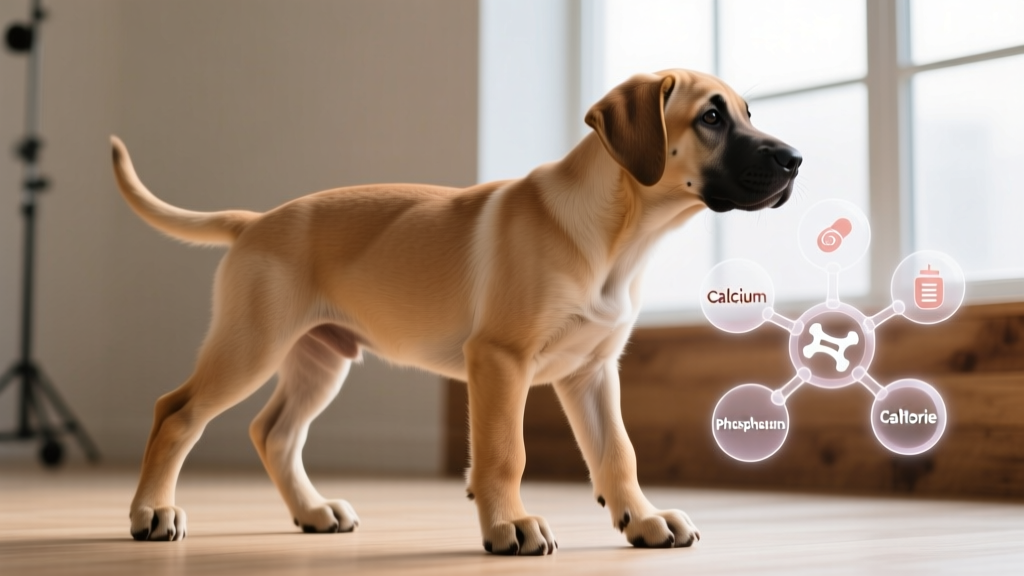
Great Pyrenees Puppy Care Guide: Milestones, Feeding & Training
Complete Great Pyrenees puppy guide covering feeding schedules, vaccination timelines, potty training, socialization windows, and first-year costs.

When Should You Bring Your Great Pyrenees Puppy Home?
Great Pyrenees puppies should not leave their litter before 8 weeks of age, and many responsible breeders prefer to hold pups until 10–12 weeks. This extra time is critical for livestock guardian breeds: the weeks between 8 and 12 are when Pyr puppies learn bite inhibition from littermates, begin developing the independent problem-solving skills the breed is known for, and receive their second round of core vaccines under the breeder's supervision.
The American Kennel Club recommends waiting until at least 8 weeks for all breeds, but giant breeds like the Great Pyrenees benefit from the extended socialization window with their mother. Early removal (before 7 weeks) correlates with higher rates of resource guarding, excessive mouthing, and difficulty settling in crates — problems you do not need layered on top of a breed already known for stubborn independence.
Rule of thumb: If your breeder is eager to send a Pyr puppy home at 6 weeks, consider that a red flag. Reputable Great Pyrenees breeders invest heavily in early neurological stimulation (ENS) and litter socialization through at least week 8.
Plan your pickup for a weekday if possible. You want 2–3 uninterrupted days at home before the puppy encounters a busy household routine. Bring a towel or blanket that has been rubbed on the puppy's mother or littermates — the familiar scent eases the first-night transition dramatically.
Great Pyrenees Puppy Milestones: Week by Week
Giant breeds develop on a slower trajectory than small or medium dogs. Your Great Pyrenees puppy will not reach full physical maturity until 18–24 months, and mental maturity often takes until age 3. Here is what to expect at each stage.
Weeks 4–8 (Still with Breeder)
- Weight: 5–15 lb / 2.3–6.8 kg
- Development: Eyes and ears fully functional; deciduous (baby) teeth erupting; first solid food introduced alongside mother's milk
- Behavior: Littermate play intensifies — puppies learn bite inhibition, hierarchy negotiation, and early guarding postures (standing between littermates and novel objects)
- Owner prep: If visiting, handle paws, ears, and mouth daily to desensitize for grooming; introduce varied floor textures (tile, carpet, gravel)
- Vaccines: First DHPP (distemper, hepatitis, parainfluenza, parvovirus) at 6–8 weeks
Weeks 8–12 (Home Transition)
- Weight: 15–30 lb / 6.8–13.6 kg
- Development: Rapid skeletal growth; coordination improving but still clumsy; bladder capacity roughly 1 hour per month of age (so ~2 hours max)
- Behavior: Fear imprint period peaks around 8–10 weeks — avoid traumatic experiences (harsh corrections, loud environments, aggressive dogs); positive exposure to 12+ novel stimuli per week is ideal
- Training: Begin name recognition, sit, and crate introduction using food lures; keep sessions under 5 minutes
- Vaccines: Second DHPP at 10–12 weeks; bordetella optional based on lifestyle
Weeks 12–16 (Foundation Building)
- Weight: 30–50 lb / 13.6–22.7 kg
- Development: Adult teeth begin erupting around 12–14 weeks; chewing intensity increases sharply; growth plates wide open — no forced exercise or jumping from heights
- Behavior: Second fear period may appear around 12–14 weeks; independence streak emerges (the Pyr "ignoring you" phase begins)
- Training: Leash introduction, recall foundations in low-distraction areas, begin handling exercises for nail trims and grooming
- Vaccines: Third DHPP at 14–16 weeks; rabies vaccine at 14–16 weeks (required by law in most US states)
Weeks 16–24 (Adolescent Onset)
- Weight: 50–80 lb / 22.7–36.3 kg
- Development: Teething peaks between 4–6 months; adult teeth should be fully in by 6–7 months; growth rate begins to slow but puppy is still far from full size
- Behavior: Testing boundaries more assertively; guarding instincts may surface (barking at delivery drivers, positioning between you and strangers); recall reliability often drops
- Training: Enroll in a positive-reinforcement puppy class if not already started; focus on impulse control (wait at doors, leave-it, settle on mat)
Months 6–12 (Giant-Breed Adolescence)
- Weight: 60–100+ lb / 27.2–45.4+ kg (males trend higher)
- Development: Sexual maturity if not yet spayed/neutered — discuss timing with your vet (many giant-breed specialists recommend delaying until 12–18 months for joint health); growth plates still closing
- Behavior: Full guardian behaviors emerge: nighttime patrolling, deep protective barking, wariness of unfamiliar people; this is breed-typical, not a training failure
- Training: Advanced impulse control, loose-leash walking at full strength (a 90-lb adolescent Pyr pulling is a real problem), continued socialization through structured exposures
Feeding Your Great Pyrenees Puppy: Schedule and Portions
Feeding a giant-breed puppy correctly is one of the highest-stakes decisions you will make. Overfeeding or feeding a diet too high in calcium accelerates growth rate and significantly increases the risk of developmental orthopedic diseases like hip dysplasia, osteochondritis dissecans (OCD), and hypertrophic osteodystrophy (HOD).
Your food must meet AAFCO nutrient profiles for large-breed puppy growth (the label will state "growth of large-size dogs (70 lb or more as an adult)"). The calcium-to-phosphorus ratio should be between 1.0:1 and 1.5:1, with calcium content at or below 1.5% on a dry-matter basis.
| Age | Meals/Day | Estimated Cups/Day* | Notes |
|---|---|---|---|
| 8–12 weeks | 4 | 2.5–4 cups | Large-breed puppy formula; soak kibble in warm water if puppy struggles to chew |
| 3–4 months | 3 | 3.5–5 cups | Transition to 3 meals; monitor body condition score (BCS) — ribs should be palpable but not visible |
| 5–6 months | 2–3 | 4.5–6.5 cups | Can reduce to 2 meals if puppy maintains steady weight; do not free-feed |
| 7–9 months | 2 | 5–7.5 cups | Growth rate slowing; adjust portions to maintain lean BCS (4–5 out of 9) |
| 10–12 months | 2 | 5.5–8 cups | Approaching adult intake; some owners begin transitioning to adult large-breed formula at 12 months |
*Cup measurements vary significantly by brand and caloric density. A food at 350 kcal/cup requires more volume than one at 425 kcal/cup. Always use the feeding chart on your specific food's bag as a starting point, then adjust based on your puppy's body condition. Consult your veterinarian for personalized portions.
Vaccination Schedule for Your Pyrenees Puppy
The American Veterinary Medical Association and the AAHA canine vaccination guidelines define core vaccines that every puppy needs regardless of lifestyle, plus non-core vaccines based on risk assessment. Great Pyrenees puppies follow the standard protocol — their giant size does not change vaccine timing or dosage.
| Age | Vaccine | Type | Notes |
|---|---|---|---|
| 6–8 weeks | DHPP (1st dose) | Core | Protects against distemper, adenovirus (hepatitis), parainfluenza, parvovirus; typically given by breeder |
| 10–12 weeks | DHPP (2nd dose) | Core | Booster essential — single dose does not confer reliable immunity |
| 10–12 weeks | Bordetella | Non-core | Recommended if attending puppy classes, visiting groomers, or boarding; intranasal or injectable |
| 14–16 weeks | DHPP (3rd dose) | Core | Final puppy booster — maternal antibodies should be cleared by this age |
| 14–16 weeks | Rabies | Core (legal) | Required by law in most US jurisdictions; single dose, then booster at 1 year |
| 12–16 weeks | Leptospirosis (2-dose series) | Non-core | Discuss with your vet — recommended if you live in areas with wildlife exposure, standing water, or urban rat populations; Pyrs in rural settings are often candidates |
| 6 months+ | Lyme disease | Non-core | Recommended in tick-endemic regions (Northeast, Upper Midwest, Pacific Coast); 2-dose series, 2–4 weeks apart |
Socialization Window: The Critical First 14 Weeks
The primary socialization window for puppies closes between 12 and 14 weeks of age. After this period, unfamiliar stimuli trigger fear responses rather than curiosity. For a livestock guardian breed like the Great Pyrenees — which is genetically wired to be suspicious of novelty — maximizing this window is non-negotiable. An under-socialized Pyr becomes a liability: 100+ pounds of dog that barks aggressively at every stranger, vet tech, or delivery person.
Aim for 100 positive exposures before 16 weeks. Each exposure must be paired with high-value treats (boiled chicken, cheese, freeze-dried liver) so the puppy associates novelty with good outcomes.
Keep sessions short (5–15 minutes) and watch for stress signals: lip licking, yawning, tucked tail, freezing, or attempting to flee. If your puppy shows fear, increase distance from the stimulus and toss treats on the ground — never force interaction.
Potty Training Your Great Pyrenees Puppy
Set realistic expectations: most Great Pyrenees puppies are reliably house-trained between 5 and 7 months of age. Giant breeds mature more slowly than small breeds, and bladder control is a function of neurological development, not intelligence. Some Pyr puppies achieve reliability by 4 months; others take until 8–9 months. Neither timeline indicates a training failure.
Potty Training Timeline and Expectations
| Age | Bladder Capacity | Expected Outings/Day | Accident Frequency |
|---|---|---|---|
| 8–10 weeks | 1.5–2 hours | 10–14 (including overnight) | Multiple daily; this is normal |
| 10–14 weeks | 2–3 hours | 8–10 | 1–3 per week if schedule is consistent |
| 4–5 months | 4–5 hours | 5–7 | Occasional; usually after schedule disruption |
| 6–7 months | 6–8 hours | 4–5 | Rare; puppy should signal or go to door |
Practical Protocol
- Take puppy out immediately after: waking, eating, drinking, playing, and every 1–2 hours in between.
- Use a consistent door and verbal cue ("go potty" or "do your business"). Say the cue while the puppy is eliminating, not before, so they associate the phrase with the action.
- Reward immediately outdoors — treat within 2 seconds of finishing, not after coming back inside. Use something the puppy loves (real chicken, not kibble).
- Supervise or confine. When you cannot watch the puppy, they must be in a crate or exercise pen. Unsupervised roaming is the #1 cause of prolonged potty training failures.
- Clean accidents with enzymatic cleaner (Nature's Miracle, Rocco & Roxie, or Simple Solution) — ammonia-based cleaners leave residue that attracts repeat elimination.
Crate Training, Teething, and Common Puppy Problems
Crate Training Progression
A crate is essential for a Great Pyrenees. This breed's adult size (85–120+ lb / 38.6–54.4+ kg for males) means you need a dog that is comfortable being confined for vet visits, grooming sessions, travel, and post-surgical recovery. Start early, go slowly, and never use the crate as punishment.
| Age | Maximum Crate Time (Daytime) | Overnight Expectation |
|---|---|---|
| 8–10 weeks | 1–2 hours | 2–3 hours before potty break needed |
| 10–14 weeks | 2–3 hours | 3–4 hours |
| 4–5 months | 3–4 hours | 5–6 hours |
| 6+ months | 4–5 hours | 7–8 hours (overnight) |
Crate size: Purchase a 54-inch crate (MidWest Homes iCrate or ProValu) with a divider panel. Adjust the divider so the puppy can stand, turn around, and lie down — but not so much space that they can eliminate in one corner and sleep in another. A 54-inch crate will accommodate your adult Pyr without needing to buy a second one.
Teething Timeline and Relief (3–6 Months)
Great Pyrenees puppies begin losing deciduous teeth around 12–16 weeks, and the process continues through approximately 6–7 months. During this window, your puppy will chew relentlessly. This is not misbehavior — it is pain relief.
Safe chew options:
- Frozen KONG Classic (size XL or XXL): Stuff with plain yogurt, mashed banana, or soaked kibble and freeze for 4+ hours. The cold numbs gums and the rubber is durable enough for Pyr jaw strength.
- Benebone Wishbone or West Paw Qwizl: Nylon and rubber alternatives to rawhide, which can cause intestinal blockage in aggressive chewers.
- Frozen carrot sticks or apple slices: Low-calorie, safe, and satisfying. Remove apple seeds (contain trace cyanide).
- Bully sticks (supervised only): Remove when the piece gets small enough to swallow whole — choking hazard.
Never give: Cooked bones (splinter and perforate intestines), rawhide from unregulated sources, ice cubes (can fracture teeth in powerful chewers), or any chew small enough to fit entirely inside the puppy's mouth.
Stopping Puppy Biting and Nipping
Great Pyrenees puppies use their mouths to explore, play, and communicate — and they have large, strong jaws even at 10 weeks. Mouthing is normal; your job is to teach bite inhibition (soft mouth) before eliminating mouthing entirely.
- Redirect to a toy. Every time puppy teeth touch skin, say "ouch" in a calm, flat tone, stand still for 2 seconds (removing attention), then present an appropriate chew toy. When the puppy bites the toy, praise and continue play.
- Time-outs for hard bites. If the puppy bites hard enough to leave a mark or break skin, immediately leave the room for 15–30 seconds. Return calmly and redirect to a toy. This mimics littermate behavior — siblings yelp and disengage when bitten too hard.
- Provide adequate chew outlets. A puppy that chews 3–4 appropriate items per day mouths people less. Keep a rotation of 6–8 toys and swap them every 2–3 days to maintain novelty.
- Never hold the mouth shut, tap the nose, or physically punish. These methods increase fear and can trigger defensive aggression — particularly counterproductive with a breed that will outweigh you within a year.
Breed-Specific Behavior Notes
Nighttime barking and patrolling: Great Pyrenees are nocturnal guardians by instinct. Adolescent Pyrs (6–12 months) often begin barking at outdoor sounds at night. This is not a behavior problem to eliminate — it is a breed function. Manage it by keeping the puppy in your bedroom or a room with white noise, closing curtains to reduce visual triggers, and rewarding quiet behavior with calm praise.
Recall challenges: The Pyr's independent thinking was bred for making decisions alone on a mountainside. This means your puppy will likely develop a selective hearing problem around 5–8 months. Practice recall daily in fenced areas using ultra-high-value rewards (real meat, not kibble). Never call your puppy to punish them or end fun activities — recall must always predict good outcomes.
First-Year Cost Breakdown for a Great Pyrenees Puppy
Budgeting accurately prevents financial stress and ensures your puppy receives consistent care. The following estimates reflect 2025–2026 US pricing across low, medium, and high-cost scenarios.
| Category | Low Estimate | Mid Estimate | High Estimate |
|---|---|---|---|
| Puppy purchase (responsible breeder) | $1,500 | $2,200 | $3,500 |
| Veterinary (vaccines, spay/neuter, wellness exams, fecal tests, heartworm prevention) | $800 | $1,200 | $2,000 |
| Food (large-breed puppy formula, 8–12 bags) | $500 | $750 | $1,000 |
| Supplies (crate, bed, leash/harness, bowls, grooming tools, toys, enzymatic cleaner) | $350 | $600 | $1,000 |
| Training (puppy class, private sessions if needed) | $150 | $400 | $800 |
| Grooming (professional baths/brush-outs for double coat, 4–6 visits) | $300 | $500 | $800 |
| Pet insurance (annual premium, accident/illness plan) | $600 | $900 | $1,200 |
| Emergency fund reserve (recommended) | $500 | $1,000 | $2,000 |
| Total first year | $4,700 | $7,550 | $12,300 |
Notes: Spay/neuter costs for giant breeds are higher than average due to anesthesia requirements — expect $400–$900 at a private clinic. Pet insurance premiums for Great Pyrenees are elevated because the breed is predisposed to hip dysplasia, bloat (GDV), and bone cancers, all of which are expensive to treat. Enrolling before any conditions are diagnosed is critical — pre-existing conditions are universally excluded.
Frequently Asked Questions
How often should I feed my Great Pyrenees puppy at 8 weeks?
Feed 4 meals per day, spaced roughly 4 hours apart during waking hours (for example: 7 AM, 11 AM, 3 PM, 7 PM). Total daily intake is typically 2.5–4 cups of large-breed puppy food, divided across those meals. Remove uneaten food after 15–20 minutes to establish a routine and prevent free-feeding habits.
When will my Great Pyrenees puppy be fully potty trained?
Most Pyr puppies achieve reliable house-training between 5 and 7 months, with occasional accidents possible through 9–10 months. Consistency in schedule, supervision, and reward timing determines speed more than breed intelligence. If your puppy is still having daily accidents past 7 months, consult your veterinarian to rule out medical causes.
How do I stop my Pyrenees puppy from biting my hands and ankles?
Redirect every bite to an appropriate chew toy, use brief time-outs (leaving the room for 15–30 seconds) for hard bites, and ensure your puppy has 3–4 supervised chewing sessions daily. Ankle-biting often stems from herding/guarding instincts — redirect to a tug toy or scatter treats on the ground to engage the puppy's foraging behavior instead.
What vaccines does my Great Pyrenees puppy need and when?
Core vaccines: DHPP at 6–8 weeks, 10–12 weeks, and 14–16 weeks; rabies at 14–16 weeks. Non-core vaccines based on risk: bordetella (10–12 weeks), leptospirosis (12–16 weeks, 2-dose series), and Lyme disease (6 months+, 2-dose series). Consult your veterinarian for a protocol tailored to your region and lifestyle.
When can my puppy go outside and meet other dogs?
Your puppy can go outside in your arms or a carrier immediately for socialization. Ground-level exposure in your own yard is generally safe if no unvaccinated dogs have access. Avoid dog parks, pet stores, and areas where unknown dogs eliminate until 5–7 days after the final DHPP booster (typically around 16–17 weeks of age). Playdates with known, fully vaccinated adult dogs are safe and encouraged earlier.
How much exercise does a Great Pyrenees puppy need?
Follow the "5 minutes per month of age" guideline: a 4-month-old puppy gets roughly 20 minutes of structured walking per day, split into two sessions. Free play in a fenced yard does not count toward this limit. Avoid forced running, jogging alongside you, or repetitive jumping until growth plates close (12–18 months, confirmed by veterinary x-ray if needed). Over-exercising a giant-breed puppy damages developing joints.
Aaron Whyte
All our authors care for dogs every day — read more of their work on the authors page.