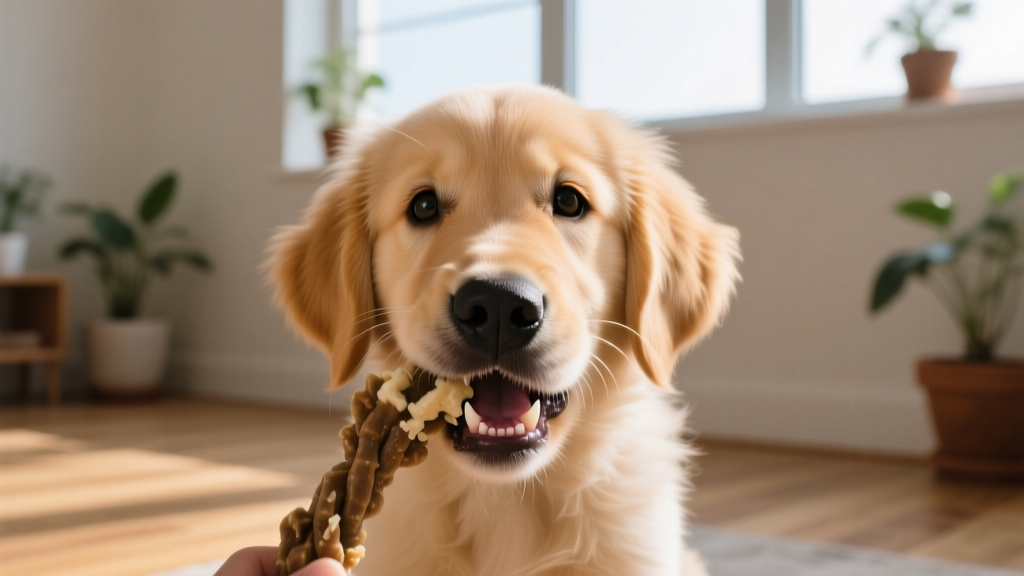
Great Pyrenees Dog Puppy: Complete Week-by-Week Care Guide
Everything you need to raise a Great Pyrenees dog puppy: milestones, feeding, potty training, vaccinations, socialization, and first-year costs.

Bringing Home Your Great Pyrenees Dog Puppy: What to Expect
A Great Pyrenees puppy is unlike most other breeds you'll encounter. Bred for centuries to guard livestock independently in the Pyrenees Mountains between France and Spain, these dogs carry a genetic blueprint for calm vigilance, independent decision-making, and a deep protective instinct. That blueprint shapes everything about raising one — from how they respond to training to why they'll patrol your backyard at 2 a.m.
If you've committed to a Great Pyrenees dog puppy, you're signing up for a 70–120 lb adult dog that will think for itself, bark at perceived threats, and shed enough white fur to knit a sweater. The reward is a deeply loyal, gentle family guardian. This guide walks you through every developmental stage with breed-specific expectations so nothing catches you off guard.
When Should I Bring My Great Pyrenees Puppy Home?
The ideal age to bring a Great Pyrenees puppy home is 8 to 10 weeks. While some breeders of giant breeds recommend waiting until 10–12 weeks to allow additional socialization with littermates, most reputable Great Pyrenees breeders release puppies at 8 weeks after their first veterinary check and initial DHPP vaccine.
Bringing your puppy home before 8 weeks is strongly discouraged. The weeks between 6 and 8 are critical for bite inhibition learning from siblings and the mother. Great Pyrenees puppies are mouthy — they explore the world with their jaws — and missing those littermate lessons makes nipping problems significantly harder to manage later.
If your breeder recommends a 10-week release, ask specifically what socialization protocol they follow during weeks 8–10. A good breeder will expose puppies to varied surfaces, sounds, handling exercises, and novel people during this window. The AKC's socialization guidelines emphasize that the primary socialization window closes around 14–16 weeks, so every week of structured exposure matters.
Great Pyrenees Puppy Milestones: Week by Week
Great Pyrenees puppies develop more slowly than smaller breeds. Giant breeds don't reach full physical maturity until 18–24 months, and behavioral maturity can take even longer. Here's what to expect at each stage.
| Age Range | Weight Range | Key Milestones | What to Expect |
|---|---|---|---|
| 4–8 weeks | 5–15 lb / 2–7 kg | Weaning complete, first vaccines, littermate play peaks | Puppy learns bite inhibition from siblings, starts eating solid food (large-breed puppy kibble soaked in warm water), eyes and ears fully functional. Still with breeder during this period. |
| 8–12 weeks | 15–30 lb / 7–14 kg | Home transition, bonding phase, first vet visit, crate training begins | Heavy sleeping (18–20 hours/day), frequent potty accidents, nighttime whining, fear imprint period begins around 8–10 weeks. Puppy may startle at new sounds or objects. Keep experiences positive — never force interactions. |
| 12–16 weeks | 30–45 lb / 14–20 kg | Teething starts, second fear period possible, basic commands introduced | Chewing intensifies as baby teeth loosen. Puppy begins testing boundaries. Great Pyrenees puppies may start showing guarding behaviors — alert barking at strangers or unusual sounds. This is normal but needs gentle shaping. |
| 16–24 weeks (4–6 months) | 45–70 lb / 20–32 kg | Peak teething, adolescence begins, spay/neuter discussion with vet | Independent streak emerges. Recall may deteriorate. Puppy will wander and investigate rather than staying close. This is breed-typical — Great Pyrenees were bred to patrol independently. Keep training sessions short (5–10 minutes) and high-value. |
| 6–12 months | 60–100 lb / 27–45 kg | Adult teeth fully in, sexual maturity, continued growth, guarding instincts solidify | Your Pyr will look nearly adult-sized but is still mentally a puppy. Nighttime barking and patrolling increase. Socialization must continue actively or the dog may become overly wary of strangers. Growth plates remain open — avoid forced running or jumping until 18+ months. |
Feeding Your Great Pyrenees Puppy: Schedule and Portions
Feeding a giant-breed puppy requires precision. Overfeeding or feeding the wrong formulation accelerates growth and dramatically increases the risk of developmental orthopedic diseases like hip dysplasia, osteochondritis dissecans (OCD), and hypertrophic osteodystrophy (HOD). The Merck Veterinary Manual notes that large and giant breeds are especially susceptible when caloric intake exceeds skeletal development capacity.
Always choose a food labeled as meeting AAFCO nutrient profiles for large-breed growth (expected adult weight over 70 lb). The calcium-to-phosphorus ratio should be between 1.1:1 and 1.4:1, with calcium at approximately 1.2–1.5% on a dry matter basis.
Feeding Schedule by Age
| Age | Meals Per Day | Approximate Daily Amount | Notes |
|---|---|---|---|
| 8–12 weeks | 3–4 meals | 2–3 cups/day (large-breed puppy formula) | Soak kibble in warm water for first 1–2 weeks home. Feed at consistent times: 7 AM, 12 PM, 5 PM, and optionally 9 PM. |
| 12–16 weeks (3–4 months) | 3 meals | 3–4 cups/day | Transition to dry kibble. Drop the late-evening meal. Monitor body condition — ribs should be palpable with light pressure but not visible. |
| 4–6 months | 2–3 meals | 4–6 cups/day | Transition to 2 meals by 6 months. Appetite may fluctuate during growth spurts. This is normal. |
| 6–12 months | 2 meals | 5–8 cups/day | Males typically eat more than females. Adjust based on body condition score (BCS 4–5 out of 9). Transition to adult large-breed formula around 12–18 months per your vet's guidance. |
Important: These are starting guidelines. Individual caloric needs vary based on metabolism, activity level, and the specific food's caloric density (kcal/cup). Check your food label's feeding chart and adjust based on your puppy's body condition, not just the printed recommendation. Your veterinarian can assess BCS at each wellness visit.
Avoid free-feeding (leaving food out all day). Great Pyrenees puppies are generally not food-obsessed like Labradors, but structured meals help with potty training predictability and allow you to catch appetite changes early — a key indicator of illness.
Vaccination Schedule for Your Great Pyrenees Puppy
Great Pyrenees puppies follow the standard core vaccination protocol recommended by the American Veterinary Medical Association (AVMA). Giant breeds do not require a modified vaccine schedule, though some veterinarians may recommend titer testing after the initial series to confirm adequate immune response.
| Age | Vaccine | Details |
|---|---|---|
| 6–8 weeks | DHPP (1st dose) | Distemper, Hepatitis (Adenovirus-2), Parainfluenza, Parvovirus. Usually administered by the breeder. Non-core: Bordetella (kennel cough) may be given if puppy will attend group classes. |
| 10–12 weeks | DHPP (2nd dose) | Booster to build immunity as maternal antibodies wane. Optional: Leptospirosis (2-dose series, first dose now, booster at 14–16 weeks) if your area has exposure risk. |
| 14–16 weeks | DHPP (3rd dose) + Rabies | Final DHPP booster ensures immunity after maternal antibodies fully decline. Rabies vaccine is legally required in all US states — timing varies by jurisdiction (some require 12 weeks, others 16). Your vet will advise based on local law. |
| 12–16 months | DHPP booster + Rabies booster | First annual boosters. After this, DHPP may move to a 3-year protocol depending on the vaccine brand and your vet's assessment. Rabies boosters follow local law (1-year or 3-year). |
When can your puppy go outside and meet other dogs? Until your puppy completes the DHPP series (final dose at 14–16 weeks), avoid public areas where unvaccinated dogs have been — dog parks, pet stores, and high-traffic walking paths. However, controlled exposure to fully vaccinated, healthy adult dogs in private yards is generally safe and beneficial for socialization. The ASPCA's puppy vaccination guide confirms that socialization should not wait until full immunity — the behavioral risk of under-socialization outweighs disease risk when exposures are managed carefully.
Socialization Window: Weeks 3–14 (The Critical Period)
This is arguably the most important section in this entire guide. The primary socialization window for puppies closes between 12 and 14 weeks of age. After this window, unfamiliar stimuli trigger fear responses rather than curiosity. For a livestock guardian breed like the Great Pyrenees — which is genetically predisposed to wariness of strangers and novel situations — missing this window can result in a dog that is excessively fearful, reactive, or difficult to manage in public.
Your goal is not to make your Pyr "friendly with everyone" (that's not the breed). Your goal is to build a confident dog that can assess situations calmly rather than reacting with panic or aggression.
Socialization Exposure Checklist (Weeks 8–14)
Key rule: Every new experience must end positively. Use high-value treats (freeze-dried liver, small pieces of boiled chicken). If your puppy shows fear, increase distance from the stimulus and let them observe. Never drag a fearful puppy toward something that scares them. You can always revisit the exposure later at a lower intensity.
Potty Training Your Great Pyrenees Puppy: Realistic Timeline
Great Pyrenees puppies are moderately challenging to potty train. They're not as fastidious as some breeds (Shiba Inu, for example, often self-train), but they're also not as easily distracted as hounds. The main challenge is their size — a 12-week-old Pyr can produce a surprising volume of urine, and their developing bladder control means accidents will happen regularly until about 5–6 months of age.
When will your puppy be fully potty trained? Most Great Pyrenees puppies achieve reliable house training between 5 and 7 months with consistent management. "Reliable" means fewer than one accident per month. Full reliability (zero accidents) typically comes by 9–12 months. Any source claiming 3-day potty training is selling fantasy, not reality.
Potty Training Schedule
| Age | Maximum Bladder Hold Time | Outdoor Trip Frequency | Nighttime Expectations |
|---|---|---|---|
| 8–10 weeks | 1–2 hours | Every 1–2 hours + after every meal, nap, and play session | Set alarm for 2–3 AM trip. Expect whining at crate door if bladder is full. |
| 10–14 weeks | 2–3 hours | Every 2–3 hours during day | One nighttime trip around 2–3 AM. Some puppies may sleep 5–6 hours by 12 weeks. |
| 14–20 weeks | 3–4 hours | Every 3–4 hours | Many puppies can hold 7–8 hours overnight by 16 weeks, but don't count on it. |
| 5–7 months | 4–6 hours | Every 4–5 hours during day | Overnight sleep through (8 hours) should be consistent. If accidents continue, rule out UTI with your vet. |
Troubleshooting common issues:
- Puppy pees inside right after coming back in: Your puppy didn't actually empty their bladder outside. Go back out and wait longer. Use a consistent cue word ("go potty") and reward immediately after they finish — not when they come inside.
- Puppy only pees in crate: The crate may be too large. A Great Pyrenees puppy in a full-size crate will designate one corner as a bathroom. Use a divider to limit space to just enough room to stand, turn around, and lie down.
- Sudden regression after weeks of success: This is normal around 4–5 months (adolescent brain reorganization) and again around 8–10 months. Return to more frequent trips outside and higher-value rewards. If regression is accompanied by frequent small urinations, straining, or licking genitals, see your vet to rule out a urinary tract infection.
Crate Training Progression and Time Limits
Crate training is essential for Great Pyrenees puppies. These dogs grow into powerful 80–120 lb adults that can cause significant damage if left unsupervised during their chewing and destructive phases (which can last until 18–24 months in giant breeds). A crate also provides your puppy with a safe den and accelerates potty training by leveraging their natural instinct to keep their sleeping area clean.
Purchase a 48-inch or 54-inch wire crate (the adult size for a Great Pyrenees) with an adjustable divider panel. Brands like MidWest iCrate or ProSelect Empire offer appropriate sizes. Expect to spend $80–$150 on a quality crate.
Crate Time Limits by Age
| Age | Maximum Daytime Crate Time | Maximum Nighttime Crate Time |
|---|---|---|
| 8–10 weeks | 1–2 hours (with potty break) | 3–4 hours before needing a potty break |
| 10–14 weeks | 2–3 hours | 4–5 hours |
| 14–16 weeks | 3–4 hours | 6–7 hours |
| 4–6 months | 4–5 hours | 7–8 hours |
| 6+ months | 5–6 hours (not ideal daily; arrange midday breaks) | 8 hours |
Progression steps:
- Week 1 home: Crate door open, feed meals inside, toss treats in, let puppy nap in it voluntarily. Close door for 5–10 minutes while you sit nearby.
- Week 2: Close door for 15–30 minutes while you're in another room. Return before puppy panics. Build duration gradually.
- Weeks 3–4: Puppy should accept 1–2 hour crating during the day. If whining persists, ensure needs are met (potty, exercise, mental stimulation) before crating. A stuffed Kong frozen with peanut butter and kibble can occupy a Pyr puppy for 30–45 minutes.
- Ongoing: Never use the crate as punishment. Your puppy must associate it with safety and rest, not isolation.
Teething Timeline and Relief Strategies (3–6 Months)
Great Pyrenees puppies begin losing baby teeth around 12–16 weeks, with the process completing by approximately 6–7 months. The peak discomfort period — and the peak of destructive chewing — typically hits between 4 and 5 months when the premolars and canines are erupting.
Your furniture, baseboards, shoes, and hands are all potential casualties. Here's how to manage it:
Safe Chew Recommendations
- Benebone Wishbone or Maplestick (puppy formula): Softer nylon designed for developing teeth. $12–$18. Replace when worn down significantly.
- Kong Classic (red, puppy size, then large): Stuff with wet food, yogurt, or peanut butter (xylitol-free) and freeze. Provides 30–45 minutes of soothing chewing. $10–$16.
- Frozen wet washcloth: Wet a clean washcloth, twist into a rope, freeze for 2 hours. The cold numbs sore gums. Supervise to prevent ingestion of fabric. Free.
- Bully sticks (6-inch, odor-free): Fully digestible single-ingredient chew. Supervise to prevent choking on small end pieces. $4–$8 each. Limit to 1–2 per week due to caloric density.
- Nylabone Puppy Chew Keys: Textured surface massages gums. $6–$10. Choose the puppy-specific version, which is softer than adult formulas.
Avoid: Rawhide (choking and blockage risk), cooked bones (splintering), antlers (tooth fracture risk in young dogs with developing dentition), and any chew small enough to swallow whole.
Common Great Pyrenees Puppy Problems and Solutions
Every breed has its puppy-phase quirks. Great Pyrenees puppies present a specific set of challenges rooted in their guardian heritage.
Biting and Nipping
How do I stop puppy biting? Great Pyrenees puppies use their mouths extensively — it's how they interact with littermates and explore their environment. Nipping peaks between 8 and 16 weeks and gradually diminishes with consistent management.
Use the following force-free protocol:
- Redirect: When teeth touch skin, immediately offer an appropriate chew toy. Praise enthusiastically when they chew the toy instead.
- Withdraw attention: If redirecting doesn't work, stand up, cross your arms, and turn away for 10–15 seconds. No talking, no eye contact. Resume interaction only when puppy is calm.
- Time-out: If biting persists after 2–3 redirects, calmly place puppy in their crate or a puppy-proofed pen for 1–2 minutes to decompress. This is not punishment — it's a reset.
- Ensure adequate exercise and mental stimulation: Overtired and under-stimulated puppies bite more. A 10-week-old Pyr needs 15–20 minutes of active play per session, 3–4 times daily, plus mental enrichment (snuffle mats, training sessions, food puzzles).
Never hit, hold the mouth shut, or perform "alpha rolls." These methods damage trust and can trigger defensive aggression — particularly problematic in a breed that will eventually outweigh you.
Whining and Crying (Especially at Night)
Nighttime whining is nearly universal in the first 1–3 weeks home. Your puppy has never been alone and is processing the loss of littermate contact. Solutions:
- Place the crate in your bedroom for the first 2–3 weeks so your puppy can hear and smell you.
- A Snuggle Puppy (heartbeat toy, ~$25–$35) simulates littermate warmth and pulse. Many Pyr owners report significant improvement within 2–3 nights.
- If puppy whines after a recent potty break and you're confident they don't need to eliminate, wait 5–10 minutes before responding. Reward silence with quiet praise.
- Do NOT bring the puppy into your bed to stop the whining unless you plan to allow bed-sleeping permanently. A 100 lb Great Pyrenees in your bed is a commitment.
Destructive Chewing Beyond Teething
Great Pyrenees puppies may continue chewing destructively until 18–24 months. This isn't just teething — it's boredom and under-stimulation. Giant breeds mature slowly, and the adolescent phase (6–18 months) is when most household destruction occurs. Puppy-proof your home thoroughly: use bitter apple spray on baseboards ($8–$12), keep shoes in closed closets, and provide a rotating selection of appropriate chews.
Alert Barking
Your Great Pyrenees puppy may start barking at sounds, visitors, or animals passing the window as early as 12–16 weeks. This is breed-appropriate guardian behavior. Rather than trying to eliminate it (you won't succeed), teach a "thank you" protocol:
- When puppy barks at something, calmly say "thank you" or "enough" in a neutral tone.
- Walk to the window/door, acknowledge what they're alerting you to ("I see the mail carrier, thank you").
- Redirect to a settled behavior — a "go to your mat" command with a high-value reward.
- Consistency over months (not days) will teach your Pyr that you've acknowledged the threat and they can stand down.
First-Year Cost Breakdown: Budgeting for Your Great Pyrenees Puppy
Owning a giant-breed puppy is a significant financial commitment. Here's a realistic first-year budget based on 2025–2026 pricing for a Great Pyrenees in the United States.
| Category | Low Estimate | Mid Estimate | High Estimate | Notes |
|---|---|---|---|---|
| Puppy purchase/adoption | $300 (rescue) | $1,500 (breeder) | $3,000 (show-line breeder) | Reputable breeders health-test parents (OFA hips, cardiac) and typically charge $1,200–$2,500. Rescue fees for young Pyrs range $250–$500. |
| Veterinary (wellness + vaccines) | $500 | $800 | $1,200 | Includes 3–4 puppy wellness visits, DHPP series, rabies, fecal tests, deworming, heartworm prevention start. Spay/neuter: $400–$800 additional for giant breed. |
| Food | $600 | $900 | $1,400 | Large-breed puppy formula at $50–$80 per 30-lb bag. A Pyr puppy eats approximately 1–1.5 bags per month during peak growth (4–10 months). |
| Supplies (one-time) | $350 | $550 | $900 | Crate ($80–$150), bed ($40–$80), leash/harness ($30–$60), bowls ($15–$30), grooming tools ($40–$80), toys/chews ($60–$120), baby gates ($40–$80), enzymatic cleaner ($15–$25). |
| Training | $150 | $400 | $800 | Group puppy class ($150–$250 for 6 weeks). Private sessions ($75–$150/hour) if behavioral issues arise. Board-and-train programs ($1,500–$3,000) for intensive work. |
| Grooming | $0 | $200 | $600 | Great Pyrenees coats can be home-maintained with regular brushing (2–3 times/week). Professional grooming every 8–12 weeks: $80–$120 per session for a large dog. |
| Preventive medications | $200 | $350 | $500 | Heartworm prevention ($8–$15/month), flea/tick prevention ($15–$25/month). Pricing varies by product and puppy weight tier. |
| Pet insurance (optional) | $400 | $600 | $900 | Monthly premiums for giant-breed puppies: $35–$75/month depending on coverage level, deductible, and provider. Enroll before any pre-existing conditions develop. |
| Emergency fund | $0 | $500 | $2,000+ | Emergency vet visits for GI upset, foreign body ingestion, or injuries. Not guaranteed, but budgeting for one is wise. |
| TOTAL FIRST YEAR | $2,500 | $5,800 | $11,300 |
The wide range reflects real choices: rescue vs. breeder, home grooming vs. professional, basic vs. premium food, and whether emergencies occur. Plan for the mid-range and keep a $1,000–$2,000 emergency reserve. Giant breeds carry higher anesthesia costs and medication dosages, which makes pet insurance particularly cost-effective if enrolled early.
Frequently Asked Questions
When should I bring my Great Pyrenees puppy home?
Between 8 and 10 weeks of age. Some breeders prefer 10–12 weeks to complete additional early socialization. Never bring a puppy home before 8 weeks — they need littermate interaction for proper bite inhibition development.
How often should I feed my Great Pyrenees puppy?
At 8–12 weeks: 3–4 meals daily. At 12 weeks to 6 months: 3 meals daily, transitioning to 2 meals by 6 months. From 6–12 months: 2 meals daily. Always use a large-breed puppy formula and measure portions rather than free-feeding.
When will my Great Pyrenees puppy be fully potty trained?
Most achieve reliable house training between 5 and 7 months with consistent scheduling. Complete reliability (zero accidents) often takes until 9–12 months. Giant breeds mature more slowly than small breeds, and bladder control develops on a longer timeline.
What vaccines does my Great Pyrenees puppy need and when?
Core vaccines include DHPP at 6–8 weeks, 10–12 weeks, and 14–16 weeks, plus rabies at 14–16 weeks (timing varies by state law). Non-core vaccines like Bordetella and Leptospirosis depend on your puppy's lifestyle and local disease prevalence. Consult your veterinarian for a tailored protocol.
How do I stop my Great Pyrenees puppy from biting?
Redirect nipping to appropriate chew toys, withdraw attention for 10–15 seconds if teeth touch skin, and use brief time-outs if biting persists. Ensure your puppy gets adequate physical exercise and mental enrichment. Never use physical punishment. Biting typically decreases significantly by 5–6 months as adult teeth come in and impulse control develops.
When can my Great Pyrenees puppy go outside and meet other dogs?
Controlled exposure to fully vaccinated dogs in private settings can begin immediately. Avoid public areas (dog parks, pet stores, high-traffic paths) until 7 days after the final DHPP vaccine at 14–16 weeks. Carry your puppy or use a stroller for outdoor socialization in public during the vulnerable period — the mental stimulation and exposure are worth the extra effort.
Are Great Pyrenees puppies good with children?
Well-socialized Great Pyrenees puppies are typically gentle and patient with children. However, their large size means they can accidentally knock over toddlers during play. Always supervise interactions, teach children to respect the puppy's crate and sleep time, and never leave a puppy alone with young children regardless of breed temperament.
Raising a Great Pyrenees dog puppy is a marathon, not a sprint. These dogs take 2–3 years to fully mature, and the work you invest in socialization, training, and relationship-building during the first year will pay dividends for the next decade or more. Be patient, be consistent, and consult your veterinarian at every wellness visit to ensure your puppy is growing at a healthy rate. The result will be a calm, confident guardian who considers your family their flock.
Priya Sutaria
All our authors care for dogs every day — read more of their work on the authors page.