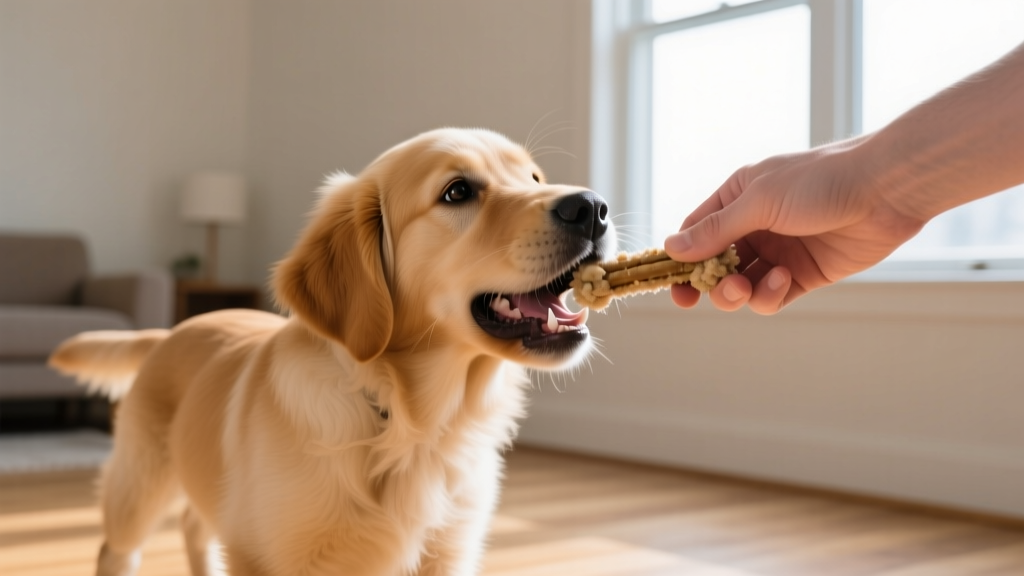
Golden Retriever Puppy Price Guide: First: Year Costs,...
Understand the true golden puppy price beyond purchase cost. Get a complete first-year budget, feeding schedule, vaccination timeline, and milestone guide

Understanding the True Golden Puppy Price: What You'll Actually Spend
The advertised golden puppy price from a responsible breeder typically ranges from $1,500 to $3,500 in 2026, but that purchase price is only the beginning. Golden Retrievers are large-breed dogs with hearty appetites, predictable health screening needs, and a developmental timeline that demands specific investments at each stage. First-year owners who budget only for the initial purchase often face $2,800 to $4,500 in additional expenses before their puppy turns one.
This guide breaks down every cost, milestone, and care requirement you'll encounter from the day you bring your Golden Retriever puppy home through their first birthday. Whether you're evaluating whether you can afford a Golden or preparing for one already on the way, these numbers reflect real 2026 pricing from veterinary clinics, pet supply retailers, and AKC breed standards.
- Purchase/adoption price: $500–$3,500
- Veterinary care (vaccines, spay/neuter, preventives): $800–$1,400
- Food (large-breed puppy formula): $480–$720
- Supplies (crate, bed, leash, bowls, toys): $300–$550
- Training (puppy kindergarten + basic obedience): $200–$500
- Grooming (brushes, shampoo, professional deshedding): $150–$350
- Pet insurance (optional but recommended): $360–$600
- Total first-year range: $2,790–$7,620
When Should You Bring Your Golden Retriever Puppy Home?
The ideal window is between 8 and 10 weeks of age. The AVMA recommends that puppies remain with their littermates and dam until at least 8 weeks to develop bite inhibition, learn social cues, and receive maternal antibodies through nursing. Golden Retrievers are highly social dogs, and those removed before 8 weeks show higher rates of separation anxiety and inappropriate mouthing later in life.
Bringing a puppy home after 12 weeks is possible but means you'll have missed a portion of the critical socialization window (weeks 3–14). If you adopt an older puppy, expect to invest extra effort in structured socialization and possibly work with a certified positive-reinforcement trainer.
Golden Retriever Puppy Milestones: What to Expect Week by Week
Weeks 4–8: Litter Life and Early Development
Your puppy is still with the breeder during this period. Key developments include transitioning from mother's milk to soft puppy food, learning play-bite inhibition from siblings, beginning to respond to human handling, and receiving their first deworming treatment around week 2 and week 4. Reputable breeders introduce novel textures, sounds, and short separation periods during this window to build confidence.
Weeks 8–12: Homecoming and Foundation Building
This is your primary bonding and routine-setting phase. Expect 18–20 hours of sleep per day — Golden puppies are energetic in short bursts but tire quickly. House training begins immediately. Your puppy will test boundaries with nipping and chewing, which is normal developmental behavior, not defiance. Weight at 8 weeks typically ranges from 10 to 15 lb (4.5–6.8 kg). Schedule your first veterinary visit within 48 hours of pickup.
Weeks 12–16: Rapid Growth and Expanding Awareness
Your Golden will gain roughly 2 to 2.5 lb (0.9–1.1 kg) per week during this period. By 16 weeks, expect a weight of 25 to 35 lb (11–16 kg). Fear periods commonly occur around 12 weeks — your puppy may suddenly react with caution to previously familiar objects or sounds. Respond with calm encouragement, never force exposure. This is the ideal window to enroll in puppy kindergarten classes using positive reinforcement methods.
Weeks 16–24: Adolescence Begins
Energy levels surge. Your Golden will test previously learned commands, exhibit selective hearing, and may regress in potty training. Teething peaks during this window. Adult height reaches approximately 75% of final size. Males begin showing early signs of sexual maturity — discuss spay/neuter timing with your veterinarian, as current research from the Merck Veterinary Manual suggests waiting until 12–18 months for large breeds to reduce orthopedic risks like hip dysplasia and cranial cruciate ligament tears.
Months 6–12: Approaching Adulthood
By 6 months, most Golden Retrievers weigh 45 to 60 lb (20–27 kg). They'll reach near-adult height by 10–12 months but continue filling out in chest and muscle mass until 18–24 months. Energy remains high — plan for 60 to 90 minutes of structured exercise daily, split into multiple sessions to protect developing joints. Avoid repetitive high-impact activities like long-distance running or excessive stair climbing until growth plates close (typically 14–18 months).
Golden Retriever Puppy Feeding Schedule and Portions
Golden Retrievers are prone to obesity, and overfeeding during puppyhood increases the risk of hip and elbow dysplasia by accelerating growth rate. Feed a large-breed puppy formula that meets AAFCO guidelines for growth, with calcium content between 1.0% and 1.5% on a dry matter basis.
| Age | Expected Weight | Daily Amount (cups) | Meals Per Day | Per-Meal Portion |
|---|---|---|---|---|
| 8–12 weeks | 10–20 lb (4.5–9 kg) | 1.5–2 cups | 3 | 0.5–0.67 cups |
| 3–4 months | 20–30 lb (9–14 kg) | 2–3 cups | 3 | 0.67–1 cup |
| 4–6 months | 30–50 lb (14–23 kg) | 3–3.5 cups | 2 | 1.5–1.75 cups |
| 6–9 months | 45–60 lb (20–27 kg) | 3–4 cups | 2 | 1.5–2 cups |
| 9–12 months | 55–70 lb (25–32 kg) | 3.5–4.5 cups | 2 | 1.75–2.25 cups |
How to assess portions: These ranges assume a kibble with approximately 350–400 kcal per cup. Adjust based on your puppy's body condition score (BCS) — you should be able to feel ribs without pressing hard, and see a visible waist when viewed from above. Consult your veterinarian if your puppy is gaining faster or slower than expected.
Transition to adult large-breed food between 12 and 18 months, mixing 25% new food with 75% puppy food and increasing the new food ratio over 7–10 days to avoid digestive upset.
Vaccination Schedule for Your Golden Retriever Puppy
Golden Retrievers follow the standard core vaccination protocol, but their susceptibility to certain conditions makes timely vaccination critical. Maternal antibodies interfere with early vaccines, which is why boosters are given every 2–4 weeks until 16 weeks of age.
| Age | Vaccine | Notes |
|---|---|---|
| 6–8 weeks | DHPP (Distemper, Hepatitis, Parainfluenza, Parvovirus) — 1st dose | Often administered by breeder; verify records |
| 10–12 weeks | DHPP — 2nd dose; Bordetella (optional) | Bordetella recommended if attending puppy classes or boarding |
| 14–16 weeks | DHPP — 3rd dose; Rabies (required by law) | Rabies timing varies by state; typically 12–16 weeks |
| 12–16 months | DHPP booster; Rabies booster | Subsequent boosters every 1–3 years depending on vaccine type |
Leptospirosis and Lyme vaccines are non-core but worth discussing with your veterinarian if you live in an area with wildlife exposure or high tick prevalence. Golden Retrievers who hike, swim in natural water, or live in the Northeast or Upper Midwest are strong candidates for both.
Until your puppy completes their DHPP series at 16 weeks, avoid public dog parks, pet stores, and areas with unknown dog traffic. Parvovirus can survive in soil for months. However, controlled exposure to fully vaccinated, healthy adult dogs in private settings is safe and beneficial. Carry your puppy in a sling or stroller for outdoor socialization during this vulnerable period.
Potty Training Your Golden Retriever: Realistic Timeline and Troubleshooting
Most Golden Retrievers achieve reliable house training between 4 and 6 months of age, with full reliability (including overnight) by 6 to 8 months. Golden Retrievers are generally eager to please, which works in your favor, but their large bladders fill quickly during growth spurts, and adolescent regression is common around 6 months.
Age-Based Potty Break Frequency
| Age | Maximum Time Between Breaks (Daytime) | Overnight Capacity |
|---|---|---|
| 8–10 weeks | Every 30–60 minutes | 2–3 hours (expect 1–2 overnight trips) |
| 10–14 weeks | Every 1–1.5 hours | 3–4 hours |
| 3–4 months | Every 1.5–2 hours | 4–5 hours |
| 4–6 months | Every 2–3 hours | 6–7 hours |
| 6+ months | Every 3–4 hours | 7–8 hours |
Key schedule triggers: Take your puppy out immediately after waking, within 15 minutes of eating, after play sessions, and before crating. Use a consistent verbal cue like "go potty" and reward with a high-value treat (small training treats, 1–2 kcal each) within 3 seconds of elimination outdoors.
Common Potty Training Setbacks
- Submissive urination (8–16 weeks): Your puppy leaks small amounts when greeting. This is involuntary — avoid scolding, greet calmly at their level, and take them outside immediately upon arriving home.
- Adolescent regression (5–7 months): Previously reliable puppies may have accidents. Return to more frequent breaks and supervised freedom. This typically resolves in 2–4 weeks with consistency.
- Marking behavior (6–12 months, especially intact males): Spaying/neutering reduces but doesn't always eliminate marking. Manage with belly bands indoors and increased outdoor potty opportunities.
Socialization Window: Weeks 3–14 Exposure Checklist
The primary socialization period closes around 14 weeks of age. After this window, unfamiliar stimuli are more likely to trigger fear responses. Golden Retrievers are naturally friendly, but without deliberate exposure, they can develop fear-based reactivity to specific triggers like hats, umbrellas, or loud machinery.
Socialization Checklist for Golden Retriever Puppies
People (aim for 50+ positive encounters by 14 weeks):
- Children of various ages (supervised interactions only)
- People wearing hats, sunglasses, hoodies, and masks
- People using wheelchairs, crutches, or walkers
- People of different heights, body types, and skin tones
- People with deep or high-pitched voices
Environments and surfaces:
- Grass, gravel, sand, wet pavement, metal grates
- Elevators, automatic doors, revolving doors
- Car rides (short trips to pleasant destinations)
- Veterinary clinic (happy visits with treats, no procedures)
- Grooming tables, nail clippers, and dryers (introduced gradually)
Sounds (play recordings at low volume, gradually increasing):
- Thunderstorms, fireworks, gunshots (relevant for future hunting/field Goldens)
- Vacuum cleaners, blenders, doorbells
- City traffic, construction noise, sirens
Handling exercises (daily, 5 minutes):
- Touching ears, paws, tail, and mouth
- Gentle restraint (simulating vet exams)
- Brushing and nail trimming introduction
Every exposure must be paired with positive reinforcement — treats, praise, or play. If your puppy shows fear (cowering, tail tucking, freezing), increase distance from the trigger and reduce intensity. Never force a frightened puppy to "face their fears."
Crate Training Progression and Time Limits
Golden Retrievers adapt well to crate training when introduced properly. Select a 42-inch crate (suitable for adult Goldens at 55–75 lb) with a divider panel to reduce the space as your puppy grows. The crate should allow standing, turning, and lying flat — but not be so large that your puppy can eliminate in one corner and sleep in another.
| Age | Maximum Crate Time (Daytime) | Overnight | Notes |
|---|---|---|---|
| 8–10 weeks | 30–60 minutes | 2–3 hours | Keep crate in bedroom; expect whining |
| 10–14 weeks | 1–2 hours | 3–4 hours | Begin moving crate to permanent location |
| 3–4 months | 2–3 hours | 5–6 hours | Introduce longer absences gradually |
| 4–6 months | 3–4 hours | 7–8 hours | Most puppies sleep through the night |
| 6+ months | 4–5 hours | 8 hours | Never exceed 5 hours crated during the day |
Crate training steps: Start with the door open, feeding meals inside the crate. Progress to closing the door for 5-minute intervals while you're present, then leaving the room for 1 minute, then 5 minutes, then 15 minutes. Build duration over days, not hours. If your puppy whines, wait for a 10-second pause in vocalization before releasing — releasing during whining reinforces the behavior.
Teething Timeline and Relief Strategies
Golden Retriever puppies begin losing deciduous (baby) teeth around 12–16 weeks, with the full set of 42 adult teeth erupting by 6 months. The peak chewing intensity occurs between 3 and 5 months as incisors and canines push through the gums.
Safe Chew Recommendations by Stage
- 3–4 months (early teething): Frozen washcloths twisted into rope shapes, rubber Kong toys stuffed with soaked kibble and frozen, chilled carrot sticks.
- 4–5 months (peak intensity): Nylabone puppy-specific chews (softer than adult versions), Benebone Puppy line, frozen blueberries or banana slices.
- 5–6 months (molars erupting): Bully sticks (supervised, remove when small enough to choke on), Yak cheese chews, West Paw Zogoflex toys.
What to avoid: Rawhide (choking and intestinal blockage risk), cooked bones (splinter hazard), tennis balls (abrasive felt wears down teeth), and any chew harder than a fingernail — if you can't indent it with your thumbnail, it's too hard for puppy teeth and risks tooth fractures.
Redirect all inappropriate chewing immediately. When your puppy mouths furniture, offer a suitable chew toy and praise enthusiastically when they take it. Consistency across all household members is essential — mixed signals extend the chewing phase.
Stopping Puppy Biting and Nipping
Golden Retrievers are mouthy by nature — they were bred to carry game, and carrying things in their mouths is deeply ingrained. Puppy nipping peaks between 8 and 16 weeks and should diminish significantly by 5 months with consistent management.
Effective technique — the redirection method:
- When teeth touch skin, say a calm, consistent marker word like "oops" or "too bad."
- Immediately withdraw attention — stand up, turn away, or step behind a baby gate for 10–15 seconds.
- Return and offer an appropriate chew toy.
- Praise calmly when they chew the toy instead of you.
What doesn't work: Yelling, holding the mouth shut, or physical punishment. These methods increase fear and can lead to defensive biting. The American Veterinary Society of Animal Behavior explicitly advises against aversive training methods, citing evidence that they increase aggression and damage the human-animal bond.
If biting intensifies or breaks skin after 16 weeks, consult a certified professional dog trainer (CPDT-KA) or veterinary behaviorist. Early intervention prevents escalation.
First-Year Cost Breakdown: The Full Golden Puppy Price Picture
| Category | Item | Cost Range |
|---|---|---|
| Purchase | AKC-registered breeder (health-tested parents) | $1,500–$3,500 |
| Breed-specific rescue | $400–$700 | |
| Shelter adoption | $50–$300 | |
| Veterinary | Initial exam + vaccine series (3 DHPP + rabies) | $200–$400 |
| Spay/neuter (large breed) | $400–$700 | |
| Heartworm/flea/tick preventives (12 months) | $150–$250 | |
| Fecal tests, deworming | $50–$100 | |
| Food | Large-breed puppy kibble (12 months) | $400–$600 |
| Treats and supplements | $80–$120 | |
| Supplies | 42-inch wire crate with divider | $60–$100 |
| Orthopedic bed (large) | $60–$150 | |
| Leash, collar, harness, ID tags | $40–$80 | |
| Toys, chews, puzzle feeders | $100–$200 | |
| Training | Puppy kindergarten (6–8 weeks) | $120–$250 |
| Basic obedience (follow-up course) | $150–$300 | |
| Grooming | Brushes, shampoo, nail clippers | $40–$80 |
| Professional deshedding (quarterly) | $120–$280 | |
| Insurance | Monthly premium ($30–$50 × 12) | $360–$600 |
Frequently Asked Questions About Golden Retriever Puppies
How often should I feed my Golden Retriever puppy at 10 weeks?
Feed three meals per day, spaced approximately 6 hours apart (for example, 7 AM, 1 PM, and 7 PM). Total daily intake should be 1.5 to 2 cups of large-breed puppy kibble, divided equally among meals. Consistent meal timing helps regulate digestion and supports potty training by creating predictable elimination patterns.
When will my Golden Retriever puppy be fully potty trained?
Most Golden Retrievers achieve daytime reliability by 4 to 6 months and overnight reliability by 6 to 8 months. "Fully trained" means fewer than one accident per month. Some individuals, particularly males, may have occasional setbacks until 10–12 months. If accidents persist beyond 8 months despite consistent routine, consult your veterinarian to rule out urinary tract infections or anatomical issues.
What vaccines does my Golden Retriever puppy need and when?
Core vaccines include DHPP (Distemper, Hepatitis, Parainfluenza, Parvovirus) at 6–8 weeks, 10–12 weeks, and 14–16 weeks, plus Rabies at 12–16 weeks. Non-core vaccines like Bordetella, Leptospirosis, and Lyme are recommended based on lifestyle and geography. Always consult your veterinarian to tailor the protocol to your puppy's specific risk factors and local disease prevalence.
How do I stop my Golden Retriever puppy from biting?
Use the redirection method: mark the bite with a calm word, withdraw attention for 10–15 seconds, then return with an appropriate chew toy. Pair with adequate physical exercise (age-appropriate — 5 minutes per month of age, twice daily) and mental stimulation through puzzle feeders and training sessions. Nipping typically decreases significantly by 5 months with consistent application.
When can my Golden Retriever puppy go to the dog park?
Wait until at least one week after the final DHPP vaccine at 16 weeks — so approximately 17 weeks of age. Even then, choose low-traffic times and closely supervise. Dog parks carry inherent risks of disease exposure, rough play injuries, and behavioral contagion. Structured puppy playgroups with vaccinated, temperament-tested dogs are a safer alternative for early socialization.
Is the golden puppy price worth the investment?
Golden Retrievers consistently rank among the top 3 most popular breeds in the US for good reason — they're versatile, trainable, and deeply bonded to their families. The first-year investment of $2,800 to $7,600 beyond the purchase price is comparable to other large breeds. The key is entering ownership with eyes open about the full financial commitment, including emergency veterinary care (a single GDV/bloat episode can cost $3,000–$7,000) and ongoing annual costs of $1,500–$2,500 throughout their 10–12 year lifespan.
Marcus Aldridge
All our authors care for dogs every day — read more of their work on the authors page.