How Do You Train a Puppy Not to Bite? A Breed: Specific...
Training Golden Retriever puppy not to bite with age-specific milestones, socialization checklists, feeding schedules, and proven positive reinforcement

Golden Retrievers are famously gentle dogs — but as any Golden puppy owner will tell you, those first few months feel anything but gentle. Between weeks 8 and 16, your puppy's mouth is a flurry of needle-sharp teeth exploring everything: your hands, your ankles, your furniture. If you've found yourself googling how do you train a puppy not to bite at 2 a.m. with a teething toy in one hand and a treat pouch in the other, you're not alone.
This guide is built specifically for Golden Retriever puppies — a breed that was literally developed to carry waterfowl gently in their mouths, yet goes through a surprisingly intense mouthing phase. We'll walk through every developmental stage from weeks 4 through 12 months, with exact feeding portions, vaccination timelines, potty training expectations, and a structured bite-inhibition protocol that leverages your Golden's natural soft-mouth genetics.
When Should You Bring Your Golden Retriever Puppy Home?
The American Kennel Club and most veterinary behaviorists agree: 8 weeks is the earliest acceptable age to bring a puppy home, and for Golden Retrievers, 8 to 10 weeks is the ideal window. Here's why timing matters specifically for bite training:
- Weeks 4–8 (litter period): Your puppy learns bite inhibition from littermates. When a Golden pup bites too hard during play, siblings yelp and stop playing — this is the foundation of soft-mouth behavior. Puppies removed before 8 weeks miss critical feedback loops.
- Weeks 8–10 (transition home): Your Golden is in a prime socialization window and highly receptive to new routines. This is when you begin redirecting mouthing to appropriate chew items.
- Weeks 10–12: If adopting from a rescue or later-release breeder program, puppies in this range have had more littermate socialization but may have formed habits that need reshaping.
A responsible Golden Retriever breeder will have already begun handling exercises, introduced varied textures (carpet, tile, grass), and started basic name recognition. Ask your breeder what socialization protocol they followed — programs like Puppy Culture or ENS (Early Neurological Stimulation) indicate a structured approach.
Golden Retriever Puppy Milestones: What to Expect at Every Stage
Understanding developmental windows prevents frustration. Your Golden isn't being "bad" — they're following a biological timeline. Here's what's happening at each phase:
| Age Range | Developmental Stage | Biting/Mouthing Behavior | Your Action Plan |
|---|---|---|---|
| Weeks 4–8 | Socialization with littermates; deciduous teeth erupting | Learning bite inhibition through sibling play; exploring with mouth | Handled by breeder; no owner action yet (puppy still with litter) |
| Weeks 8–12 | Fear imprint period (weeks 8–11); bonding with humans | Peak nipping at hands/feet; testing boundaries with new family | Redirect to toys; yelp-and-freeze technique; 10–15 min training sessions |
| Weeks 12–16 | Confidence building; beginning to understand cues | Mouthing decreases if consistent training applied; occasional regression | Introduce "leave it" cue; increase mental enrichment; puppy playdates |
| Weeks 16–24 | Teething begins (baby teeth fall out); juvenile energy surge | Chewing intensifies due to teething pain; destructive chewing possible | Frozen chew toys; KONG stuffed with peanut butter; supervise 100% |
| 6–12 months | Adolescent period; sexual maturity; second fear period (6–14 mo) | Mouthing mostly resolved; occasional excitement nipping during play | Maintain consistency; advanced training classes; spay/neuter discussion with vet |
How to Stop Golden Retriever Puppy Biting: A Step-by-Step Protocol
Golden Retrievers were bred for "soft mouth" — the ability to carry game without damaging it. This genetic trait actually works in your favor once you channel it correctly. Here's a proven force-free protocol based on positive reinforcement principles endorsed by the American Veterinary Society of Animal Behavior:
Step 1: The Yelp-and-Freeze Technique (Weeks 8–12)
When your puppy's teeth touch skin:
- Emit a high-pitched "Ow!" or yelp (mimic littermate feedback)
- Immediately go still — no pulling away (movement triggers chase instinct)
- Wait 3–5 seconds for puppy to release
- Redirect to an appropriate chew toy (Nylabone Puppy Chew or West Paw Zogoflex)
- When puppy chews the toy, praise calmly and offer a small training treat (Zuke's Mini Naturals, under 2 calories each)
Step 2: Time-Out Protocol (Weeks 12–16)
If yelping doesn't reduce bite pressure after 1–2 weeks of consistency:
- When teeth touch skin, say "Too bad" in a neutral tone
- Stand up and step over a baby gate or leave the room for 10–15 seconds
- Return and re-engage with a toy
- Repeat as needed — the puppy learns that teeth on skin = play ends
Step 3: Bite Pressure Shaping (Weeks 16–24)
Once hard bites have stopped, refine pressure sensitivity:
- Allow gentle mouthing (no pressure) to continue briefly
- Only react to pressure above a "level 2" bite (you feel teeth but no pain)
- Gradually raise criteria — eventually any tooth-on-skin contact triggers the time-out
- Hold the puppy's mouth shut (creates fear, not learning)
- Push fingers into the throat (gagging is not training — it's aversion)
- Use shock collars, prong collars, or alpha rolls (these damage trust and can escalate aggression)
- Yell or physically punish (Golden Retrievers are sensitive; harsh methods cause shutdown or fear-biting)
Feeding Your Golden Retriever Puppy: Portions, Frequency, and Food Selection
Proper nutrition directly impacts behavior — a hungry puppy is a mouthy puppy. Golden Retrievers are prone to rapid growth, which increases joint disease risk, so feeding the correct amount of a large-breed puppy formula is essential.
Look for a food that meets AAFCO guidelines for growth and lists a named animal protein (chicken, lamb, salmon) as the first ingredient. Recommended options include Royal Canin Golden Retriever Puppy, Purina Pro Plan Large Breed Puppy, or Hill's Science Diet Large Breed Puppy.
| Age | Expected Weight | Meals Per Day | Daily Total (approximate cups) | Notes |
|---|---|---|---|---|
| 8–12 weeks | 10–22 lb (4.5–10 kg) | 3 meals | 1.5–2 cups | Soften kibble with warm water if needed |
| 12–16 weeks | 22–35 lb (10–16 kg) | 3 meals | 2–2.75 cups | Transition to dry kibble fully |
| 16–24 weeks | 35–50 lb (16–23 kg) | 2 meals | 2.5–3.5 cups | Drop midday meal; monitor body condition score |
| 6–12 months | 50–70 lb (23–32 kg) | 2 meals | 3–4 cups | Switch to adult large-breed formula at 12 months |
Important: These are starting guidelines. Adjust based on your puppy's body condition score (BCS). You should be able to feel ribs without pressing hard, and see a visible waist from above. Golden Retrievers are genetically predisposed to obesity — overfeeding in puppyhood sets the stage for lifelong weight issues.
Potty Training Timeline: Realistic Expectations for Golden Retrievers
Golden Retrievers typically achieve reliable house training between 4 and 6 months of age, though some individuals may take until 8 months. Any program promising full potty training in 3 days is setting you up for frustration. Here's a realistic progression:
| Age | Bladder Capacity | Expected Accident Frequency | Outing Frequency |
|---|---|---|---|
| 8–10 weeks | 30–45 minutes | 2–4 accidents/day is normal | Every 30–60 min + after meals, naps, play |
| 10–14 weeks | 1–1.5 hours | 1–2 accidents/day | Every 60–90 min during active hours |
| 14–20 weeks | 2–3 hours | 0–1 accidents/day | Every 2 hours + scheduled night outing |
| 5–7 months | 4–6 hours | Rare (regression possible during teething) | Every 3–4 hours; overnight holding begins |
Troubleshooting common issues:
- Submissive urination when greeted: Common in Goldens under 1 year. Ignore the puppy for the first 2 minutes when entering; greet at their level without direct eye contact. This resolves with maturity.
- Regression at 4–5 months: Often coincides with teething. Increase outdoor frequency temporarily and reward heavily for outdoor elimination.
- Nighttime accidents after 5 months: Remove water 2 hours before bed; set a 3 a.m. alarm for one final outing until bladder matures.
Vaccination Schedule and When Your Golden Puppy Can Go Outside
One of the most common questions from new Golden owners: when can my puppy go outside and meet other dogs? The answer involves balancing disease protection with the critical socialization window (weeks 3–14).
| Age | Vaccines Administered | Outdoor Access Level |
|---|---|---|
| 6–8 weeks | DHPP (Distemper, Hepatitis, Parainfluenza, Parvovirus) — 1st dose | Private yard only; no public areas; carried outings OK |
| 10–12 weeks | DHPP — 2nd dose; Bordetella (optional, recommended for puppy classes) | Controlled puppy classes; walks in low-traffic areas; avoid dog parks |
| 14–16 weeks | DHPP — 3rd dose; Rabies (required by law in most states) | Full outdoor access 1 week after final DHPP; dog parks OK after 17 weeks |
According to the Merck Veterinary Manual, puppies are not fully protected against parvovirus until approximately one week after their final DHPP booster (typically 15–17 weeks of age). However, the AVSAB recommends beginning controlled socialization before full vaccination is complete, as the behavioral risks of inadequate socialization outweigh the disease risks in managed environments.
The Critical Socialization Window: Your Golden's Exposure Checklist
The primary socialization window closes between 12 and 14 weeks. After this period, unfamiliar stimuli trigger fear rather than curiosity. For Golden Retrievers — a breed expected to be confident and friendly — this window is non-negotiable. Aim for 100 positive exposures before week 14:
- Children ages 2–12 (supervised)
- Men with beards, hats, sunglasses
- People in wheelchairs, using crutches
- People wearing hoodies, uniforms
- Delivery drivers at the door
- Gravel, mulch, metal grates
- Wet grass, sand, snow
- Elevator rides, automatic doors
- Car rides (short, positive trips)
- Veterinary clinic (happy visits only)
- Thunderstorms, fireworks
- Vacuum cleaner, blender
- Doorbell, car horns
- Crying babies, loud laughter
- Construction noise, sirens
- Fully vaccinated adult dogs (calm ones)
- Puppies of different breeds/sizes
- Cats (if household has them)
- Observing horses, livestock from distance
- Birds, squirrels (leash-controlled)
Every exposure must be positive — pair new experiences with high-value treats (boiled chicken, cheese bits). If your Golden puppy shows fear, increase distance and reduce intensity. Never force an interaction.
Crate Training, Teething, and Managing Common Golden Puppy Problems
Crate Training Progression
Golden Retrievers generally adapt well to crates when introduced gradually. Use a 36-inch wire crate with a divider panel (MidWest iCrate or Frisco Double Door) so the space grows with your puppy.
- Week 1 (8–9 weeks): Crate open with meals fed inside; door closed for 1–2 minutes while you sit nearby. Maximum 30 minutes at a stretch during the day.
- Weeks 2–4 (9–12 weeks): Build to 1 hour max during the day; overnight crating with a potty break at 2–3 a.m. Expect whining — do not release while crying (wait for 5 seconds of silence).
- Weeks 12–16: Up to 2 hours during the day; overnight stretches of 5–6 hours become possible.
- 4–6 months: 3–4 hours max during the day. A general rule: a puppy can hold their bladder for their age in months plus one (a 4-month-old holds for ~5 hours maximum).
Teething Timeline and Relief Strategies (3–6 Months)
Golden Retriever puppies begin losing deciduous (baby) teeth around 12–16 weeks, with all 42 adult teeth typically in place by 6–7 months. This is when chewing — and re-biting — can spike.
Safe chew recommendations by stage:
- 8–12 weeks: Nylabone Puppy Chew (soft flex material), frozen wet washcloth twisted into a rope
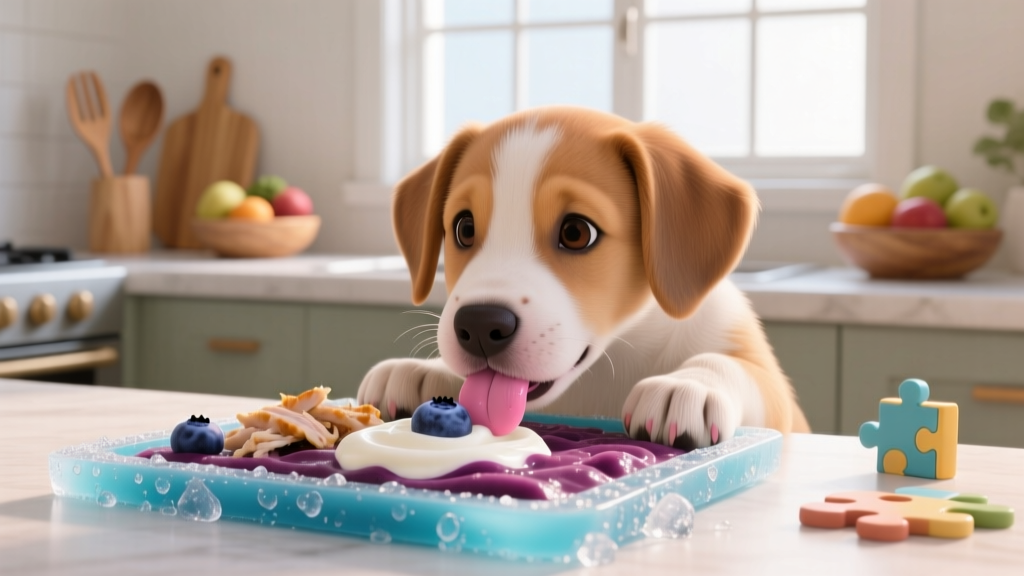
- 12–16 weeks: Benebone Puppy Wishbone, KONG Puppy (rubber, stuff with plain yogurt and freeze)
- 16–24 weeks: KONG Classic (red rubber), bully sticks (supervised, remove when under 3 inches to prevent choking), Himalayan yak cheese chews
- 6+ months: Antler chews (split elk antler, not whole — less fracture risk), Goughnuts MAXX for power chewers
Other Common Golden Puppy Problems
Whining in the crate at night: Cover the crate with a breathable blanket to reduce visual stimulation. Place a Snuggle Puppy (heartbeat toy) inside. Ensure the puppy has been exercised and has eliminated before crating. If whining persists beyond 20 minutes, take outside to eliminate (on leash, boring trip), then return to crate.
Destructive chewing on furniture: Golden puppies chew to explore and relieve teething pain. Management is key — use baby gates to restrict access, apply bitter apple spray to furniture legs, and provide 4–5 approved chew items rotated weekly to maintain novelty. A tired puppy is less destructive: aim for 5 minutes of structured exercise per month of age, twice daily (a 4-month-old gets ~20 minutes per session).
Jumping up on people: Teach "four on the floor" by rewarding the puppy with attention only when all paws are grounded. Ask visitors to turn their backs if the puppy jumps. Consistency from every person, every time, resolves this within 2–4 weeks.
First-Year Cost Breakdown for a Golden Retriever Puppy
Budgeting realistically prevents surrender to shelters. Here's what Golden Retriever puppy owners typically spend in year one (2026 estimates):
| Category | Low Estimate | Mid Estimate | High Estimate |
|---|---|---|---|
| Puppy purchase (responsible breeder) | $1,500 | $2,500 | $4,000 |
| Veterinary care (vaccines, spay/neuter, wellness exams) | $800 | $1,200 | $1,800 |
| Food (large-breed puppy formula) | $400 | $600 | $900 |
| Supplies (crate, bed, leash, toys, gates) | $250 | $400 | $600 |
| Training (group classes, optional private sessions) | $150 | $350 | $800 |
| Pet insurance (optional, annual premium) | $400 | $600 | $900 |
| Flea/tick/heartworm prevention (yearly) | $200 | $350 | $500 |
| TOTAL (excluding purchase price) | $2,200 | $3,500 | $5,500 |
Emergency veterinary visits (foreign body ingestion, parvo treatment, bloat) can add $2,000–$8,000+ per incident. Pet insurance purchased before any conditions develop typically covers these events after deductible. Consider providers like Trupanion, Healthy Paws, or Lemonade for Golden-specific coverage.
Frequently Asked Questions
When will my Golden Retriever puppy stop biting completely?
Most Golden Retrievers show significant bite reduction by 16–20 weeks with consistent training. Complete cessation of mouthing typically occurs between 5 and 7 months, once adult teeth are fully erupted and the puppy has learned appropriate bite inhibition. Some excitement nipping may persist into adolescence (6–12 months) but should be gentle and infrequent.
How often should I feed my 10-week-old Golden Retriever puppy?
Three meals per day, spaced roughly 5–6 hours apart during waking hours (e.g., 7 a.m., 12 p.m., 5 p.m.). Each meal should be approximately 0.5–0.75 cups of large-breed puppy kibble, depending on your puppy's current weight and the food's caloric density. Always follow the feeding chart on your specific food bag as a starting point, then adjust based on body condition.
My puppy bites my children — is this aggression?
In puppies under 6 months, biting is almost never true aggression. It's mouthing behavior driven by teething, play drive, and lack of impulse control. However, children under 10 should never be left unsupervised with any puppy. Teach children to stand still ("be a tree") when the puppy mouths them, and redirect the puppy to a toy. If biting is accompanied by growling, stiffening, or resource guarding, consult a certified veterinary behaviorist immediately.
When can my Golden puppy attend dog parks?
Wait until at least one week after the final DHPP vaccine (usually around 17 weeks of age). Even then, choose dog parks carefully — look for parks with separate small/large dog areas, active supervision from other owners, and vaccination requirements posted. Your Golden puppy's first dog park visits should be short (15–20 minutes) during off-peak hours to avoid overwhelming encounters.
Is it normal for my Golden puppy to chew through everything?
Yes — Golden Retrievers are an oral breed (they were bred to carry objects in their mouths). Expect peak chewing between 3 and 6 months during teething. Management is more effective than correction: puppy-proof your home by removing shoes, cords, and small objects; use exercise pens to confine your puppy when unsupervised; and provide a rotating selection of 5–6 approved chew items of varying textures.
Beth Carrasco
All our authors care for dogs every day — read more of their work on the authors page.