Golden Irish Puppies: Complete Growth, Feeding & Training Guide
Everything you need to raise golden irish puppies — week-by-week milestones, feeding portions, potty training timelines, vaccines, and first-year costs.

What Is a Golden Irish Puppy?
The Golden Irish is a designer cross between a Golden Retriever and an Irish Setter. Sometimes called an Irish Golden Retriever, these dogs inherit the Golden's gentle temperament and the Irish Setter's spirited athleticism. Adult Golden Irish dogs typically weigh 55–75 lb (25–34 kg) and stand 22–26 inches (56–66 cm) at the shoulder, with a lifespan of 10–14 years.
Raising golden irish puppies requires understanding both parent breeds. Goldens are famously biddable and food-motivated, while Irish Setters are known for their high energy, sensitivity, and occasional stubbornness. Your puppy may lean heavily toward either parent in temperament, so flexibility in your training approach is essential. Both parent breeds are sporting dogs registered with the American Kennel Club, and their offspring tend to be active, intelligent, and deeply bonded to their people.
When Should I Bring My Golden Irish Puppy Home?
The ideal age to bring a golden irish puppy home is 8 to 10 weeks. Reputable breeders keep puppies with their littermates until at least 8 weeks because the final weeks with siblings teach bite inhibition, social signaling, and emotional regulation that humans simply cannot replicate.
Some breeders of larger sporting breeds like the Golden Irish prefer to hold puppies until 10 weeks. This extra time allows for more structured socialization and a smoother transition. If your breeder recommends 10 weeks, this is a sign of thoughtful breeding practices — not a delay tactic.
Before pickup day, have these supplies ready:
- A properly sized wire crate (36-inch for most Golden Irish adults, with a divider panel for puppies)
- Enzymatic cleaner (Nature's Miracle or Rocco & Roxie — $12–$18 per bottle)
- Four identical food bowls (stainless steel, $8–$12 each)
- A 6-foot nylon leash and flat buckle collar ($15–$25)
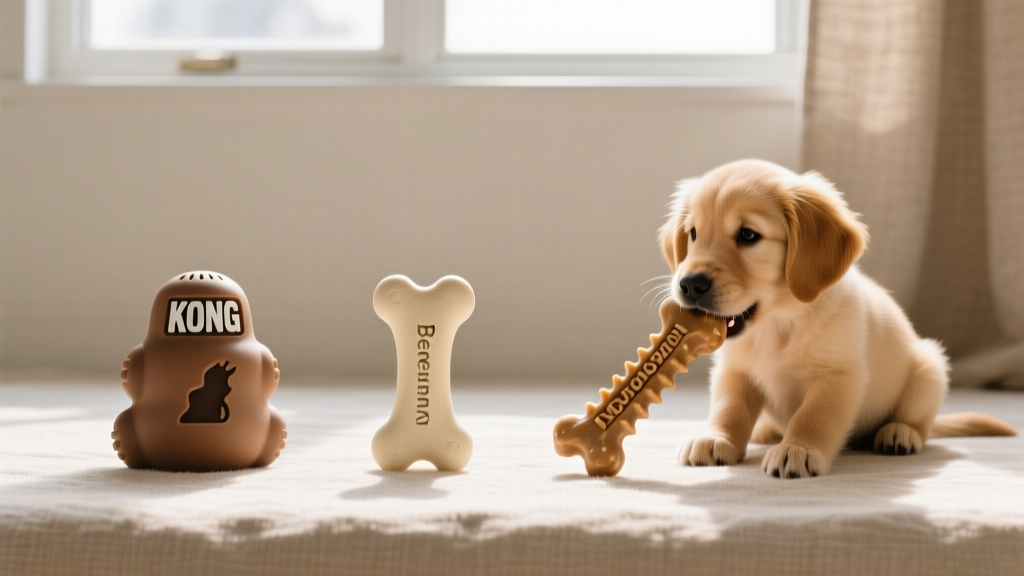
- At least 8–10 chew toys across different textures (KONG Classic, Nylabone Puppy, Bullymake boxes)
Week-by-Week Milestone Timeline for Golden Irish Puppies
Golden irish puppies grow rapidly, and each developmental window carries specific expectations. This timeline reflects typical progress — individual puppies may vary by 1–2 weeks.
| Age Range | Weight Range | Key Milestones | What to Expect |
|---|---|---|---|
| 4–8 weeks | 5–12 lb (2.3–5.4 kg) | Weaning, littermate play, first deworming | Puppy is still with breeder. Eyes and ears fully open. Learning bite inhibition from siblings. First solid food introduced at 4 weeks. |
| 8–12 weeks | 12–22 lb (5.4–10 kg) | Home transition, first vaccines, bonding period | Peak fear imprint period (8–11 weeks). Avoid traumatic experiences. Sleeps 18–20 hours/day. Short attention spans (5–10 minutes max for training). |
| 12–16 weeks | 22–35 lb (10–16 kg) | Teething begins, socialization window closing, second vaccines | Chewing intensifies. May regress in potty training. Testing boundaries. Start structured puppy kindergarten classes. |
| 16–24 weeks | 35–50 lb (16–23 kg) | Adult teeth emerging, spay/neuter window, adolescent energy surge | May "forget" known commands. Increased independence. Prey drive and birdiness may emerge from sporting breed genetics. Crate training solidifies. |
| 6–12 months | 50–70 lb (23–32 kg) | Sexual maturity, growth plate closure approaching, advanced training | Second fear period (6–14 months). May suddenly fear previously familiar objects. Energy peaks around 8–10 months. Not fully mature until 18–24 months. |
Feeding Schedule and Portions by Age
Golden irish puppies need a large-breed puppy formula to support controlled growth and reduce the risk of hip and elbow dysplasia — conditions both parent breeds are predisposed to. Look for an AAFCO statement confirming the food meets nutritional profiles for "growth" or "all life stages." Large-breed puppy formulas restrict calcium and phosphorus to protect developing joints.
| Puppy Age | Meals Per Day | Daily Portion (cups)* | Notes |
|---|---|---|---|
| 8–12 weeks | 4 | 1.5–2.5 cups | Soak kibble in warm water for first week home if transitioning. Feed at 7 AM, 11 AM, 3 PM, 7 PM. |
| 12–16 weeks | 3 | 2.5–3.5 cups | Drop the 11 AM meal. Feed at 7 AM, 1 PM, 7 PM. Monitor body condition score (BCS) — ribs should be palpable but not visible. |
| 16–24 weeks | 3 | 3.5–4.5 cups | Growth rate slows slightly. Adjust based on activity level and BCS. Active puppies may need the higher end. |
| 6–12 months | 2 | 4–5.5 cups | Transition to 2 meals at 6 months (7 AM, 7 PM). At 10–12 months, begin transitioning to adult large-breed formula over 7–10 days. |
*Portions are estimates for a large-breed puppy kibble with approximately 350–400 kcal/cup (e.g., Purina Pro Plan Large Breed Puppy, Royal Canin Giant Puppy, or Hill's Science Diet Large Breed Puppy). Always check your specific food's feeding chart and adjust based on your puppy's body condition. Consult your veterinarian if unsure.
Vaccination Schedule for Golden Irish Puppies
Your puppy's vaccination protocol should be determined by your veterinarian based on local disease prevalence and your puppy's individual risk factors. The following is a standard core vaccine schedule aligned with AVMA guidelines:
| Age | Vaccine | What It Protects Against | Typical Cost |
|---|---|---|---|
| 6–8 weeks | DHPP (1st dose) | Distemper, Hepatitis (Adenovirus), Parainfluenza, Parvovirus | $20–$40 |
| 10–12 weeks | DHPP (2nd dose) + Bordetella | Same as above + Kennel Cough | $30–$55 |
| 14–16 weeks | DHPP (3rd dose) + Rabies | Same as above + Rabies (legally required in most US states) | $35–$65 |
| 12–16 weeks | Leptospirosis (2-dose series, 2–4 weeks apart) | Leptospirosis — recommended for sporting breeds with outdoor exposure | $25–$40 per dose |
| 6 months+ | Lyme disease (if in endemic area) | Borrelia burgdorferi — discuss with your vet based on tick exposure | $25–$40 |
Important: Until your puppy completes the full DHPP series (typically at 16 weeks), avoid high-traffic dog areas like dog parks, pet stores, and unvaccinated dog playgroups. Parvovirus can survive in soil for over a year and is frequently fatal in unvaccinated puppies.
When Can My Golden Irish Puppy Go Outside and Meet Other Dogs?
Your puppy can explore your own yard immediately after coming home, provided no unvaccinated dogs have access to it. Controlled socialization walks in low-risk environments (quiet sidewalks, friends' homes with fully vaccinated dogs) can begin at 8 weeks.
Wait until one week after the final DHPP booster (typically around 17 weeks) before visiting dog parks, group training facilities with unknown vaccination statuses, or high-traffic public areas.
Socialization Checklist: Weeks 3–14
The primary socialization window closes around 14 weeks, according to Merck Veterinary Manual. During this critical period, positive exposure to novel stimuli prevents fear-based reactivity later in life. Aim for 2–3 new positive experiences per day:
- Surfaces: Grass, gravel, tile, metal grates, wet pavement, sand, mulch, tarps
- People: Children (supervised), elderly individuals, people wearing hats/sunglasses/masks, people using wheelchairs or crutches, delivery workers
- Sounds: Vacuum cleaner (start at low volume, 20 feet away), thunderstorm recordings, doorbell, car horns, fireworks clips, hair dryer
- Handling: Paw touching, ear inspection, mouth opening, nail clipping practice (no actual clipping first week), gentle restraint
- Animals: Fully vaccinated adult dogs (calm, well-socialized), cats (if applicable), livestock at a distance
- Environments: Car rides (short trips to fun destinations), vet clinic (happy visits with treats, no procedures), outdoor café patios, friends' houses
Every exposure must be positive and voluntary. If your puppy shows fear, increase distance and pair the stimulus with high-value treats (boiled chicken, cheese). Never force a frightened puppy closer to something scary — this creates lasting negative associations.
Potty Training Timeline and Realistic Expectations
Golden irish puppies are generally eager to please and respond well to consistent potty routines, but realistic timelines depend on age and consistency. A common guideline: puppies can hold their bladder for approximately one hour per month of age, plus one.
| Puppy Age | Max Bladder Hold Time | Outdoor Trips Per Day | Milestone Expectation |
|---|---|---|---|
| 8–10 weeks | 1–2 hours | 10–12 | Learning the concept of "outside = potty." Accidents are normal and expected. |
| 10–14 weeks | 2–3 hours | 8–10 | Beginning to signal (sniffing, circling, heading to door). Reward immediately for outdoor elimination. |
| 14–20 weeks | 3–4 hours | 6–8 | Noticeable improvement. May have 1–2 accidents per week. Nighttime hold improving. |
| 5–6 months | 5–6 hours | 4–6 | Mostly reliable during the day. May still need one overnight trip for some puppies. |
| 7–12 months | 6–8 hours | 4–5 | Generally reliable. Occasional regression during adolescence is normal — return to basics if needed. |
Troubleshooting common potty training setbacks:
- Frequent small accidents: Rule out urinary tract infection with your vet (common in puppies, $40–$80 for urinalysis).
- Submissive/excited urination: Common in Golden Irish puppies due to Golden Retriever genetics. Keep greetings calm, avoid direct eye contact during arrivals, take puppy outside immediately when you come home.
- Regression at 6 months: Adolescent hormones can cause temporary setbacks. Return to hourly outdoor trips and heavy reinforcement for 1–2 weeks.
Crate Training Progression and Time Limits
Crate training leverages a dog's natural den instinct and is the most effective tool for housebreaking and preventing destructive behavior. For golden irish puppies, invest in a 42-inch wire crate (MidWest iCrate or Frisco double-door, $55–$90) with an adjustable divider panel so the space grows with your puppy.
| Puppy Age | Max Daytime Crate Duration | Max Nighttime Crate Duration | Training Focus |
|---|---|---|---|
| 8–10 weeks | 1–2 hours | 3–4 hours (expect one overnight potty break) | Build positive associations. Feed meals in crate. Toss treats inside. Never use crate as punishment. |
| 10–14 weeks | 2–3 hours | 4–5 hours | Begin closing door during meals, then short absences. Practice "crate" command with treat reward. |
| 14–20 weeks | 3–4 hours | 5–7 hours | Extend absences gradually. Puppy should enter crate willingly. Provide a frozen KONG for longer stretches. |
| 5–6 months | 4–5 hours | 7–8 hours | Most puppies can sleep through the night. Begin leaving crate door open during the day as an optional resting spot. |
Whining protocol: If your puppy whines in the crate at night, wait 2–3 minutes to see if they self-settle. If whining continues, take them outside on leash for a quick potty trip (no play, no talking), then return to crate. This prevents reinforcing whining while ruling out a genuine bathroom need.
Teething Timeline and Relief Strategies
Golden irish puppies begin losing baby teeth around 12–16 weeks, with the full set of 42 adult teeth typically in place by 6–7 months. The peak discomfort period is 3–5 months, when chewing behavior intensifies significantly.
Safe chew recommendations by age:
- 8–12 weeks: Soft rubber toys (KONG Puppy, $8–$12), chilled wet washcloths (twist, wet, freeze), Nylabone Puppy Chew ($6–$9)
- 12–20 weeks: Frozen KONG stuffed with plain yogurt and banana, Benebone Puppy ($14–$18), carrot sticks (supervised), bully sticks (6-inch, $4–$7 each — always supervise)
- 5–7 months: KONG Classic (red, more durable), yak cheese chews ($8–$12 each), rubber tug toys. Avoid hard antlers and weight-bearing bones until adult teeth are fully set — they can fracture developing teeth.
Stopping Puppy Biting and Nipping
Golden irish puppies are mouthy — both parent breeds were developed to carry game, so oral fixation is genetic, not behavioral defiance. Biting peaks between 10–16 weeks and gradually diminishes with consistent management.
Force-free protocol for bite inhibition:
- Redirect: When teeth touch skin, immediately offer an appropriate chew toy. Praise enthusiastically when puppy mouths the toy instead.
- Withdraw attention: If redirection fails, stand up, cross your arms, and turn away for 10–15 seconds. Return and try again. This teaches that biting ends play.
- Time-outs: For persistent hard biting, calmly place puppy in a playpen or crate for 30–60 seconds, then release. This is a cool-down, not a punishment.
- Manage arousal: Biting escalates when puppies are overtired. Enforce naps every 1.5–2 hours for puppies under 16 weeks. Most biting episodes occur during the "witching hour" (early evening) — preempt with a frozen KONG in the crate.
Never use physical punishment, muzzle holding, or alpha rolls. These methods damage trust and can create fear-based aggression. Positive reinforcement and management are the only methods supported by modern behavioral science.
Common Golden Irish Puppy Problems and Solutions
| Problem | Why It Happens | Solution |
|---|---|---|
| Destructive chewing | Sporting breed energy + teething + boredom | Provide 8–10 approved chews rotated daily. Puppy-proof all rooms. Confine to playpen when unsupervised. Ensure 30–45 minutes of structured exercise daily (age-appropriate). |
| Jumping on people | Golden Retriever greeting enthusiasm + Irish Setter exuberance | Teach "four on the floor" — reward all four paws on ground with treats. Ask visitors to ignore puppy until calm. Never push puppy off (this reinforces attention-seeking). |
| Separation distress | Both breeds are highly social and bond deeply | Practice departures in 1-minute increments. Leave a worn t-shirt in crate. Use a Snuggle Puppy heartbeat toy ($25–$35) for first 2 weeks. Never make departures or arrivals emotional. |
| Leash pulling | High prey drive and desire to explore | Use a front-clip harness (Freedom No-Pull Harness, $25–$35). Practice "stop when leash is tight" from day one. Reward loose-leash walking with forward movement. |
| Counter surfing/food stealing | Food motivation (Golden genetics) + height advantage | Never leave food unattended on counters. Use baby gates to restrict kitchen access. Teach "leave it" command starting at 10 weeks with low-value items. |
First-Year Cost Breakdown for a Golden Irish Puppy
Budgeting accurately prevents sticker shock. The following reflects 2026 pricing for a large-breed sporting dog in the United States:
| Category | Low Estimate | High Estimate | Notes |
|---|---|---|---|
| Puppy purchase (responsible breeder) | $1,500 | $3,500 | Health-tested parents (OFA hips/elbows, cardiac, eye CERF). Rescue adoption: $300–$600. |
| Veterinary care (first year) | $800 | $1,500 | Vaccines, spay/neuter ($400–$800), fecal tests, heartworm prevention, microchip. |
| Food (12 months) | $600 | $1,100 | Large-breed puppy formula transitioning to adult. Premium brands cost more. |
| Supplies (initial setup) | $300 | $600 | Crate, bed, bowls, leash, collar, harness, toys, gates, grooming tools. |
| Training | $200 | $800 | Puppy kindergarten ($150–$300 for 6-week course). Private sessions if needed: $75–$150/hour. |
| Pet insurance (optional) | $480 | $900 | $40–$75/month for accident + illness. Recommended for large breeds prone to orthopedic issues. |
| Grooming | $300 | $700 | Golden Irish coats require brushing 3–4x/week. Professional grooming every 8–12 weeks: $60–$90/session. |
| Total First Year | $4,180 | $9,100 | Excludes emergency vet visits. Set aside $500–$1,000 emergency fund minimum. |
Frequently Asked Questions About Golden Irish Puppies
How often should I feed my golden irish puppy at 8 weeks?
At 8 weeks, feed four meals per day spaced roughly 4 hours apart (e.g., 7 AM, 11 AM, 3 PM, 7 PM). Total daily portion is approximately 1.5–2.5 cups of large-breed puppy kibble, divided equally across meals. Consistent feeding times also help establish a predictable potty schedule.
When will my golden irish puppy be fully potty trained?
Most golden irish puppies are reliably house-trained between 5–7 months with consistent management. Some individuals may take until 9–10 months, particularly males. "Fully trained" means no accidents for 4+ consecutive weeks. Adolescent regression around 6 months is common — return to basics and it will pass.
What vaccines does my puppy need and when?
Core vaccines include DHPP at 6–8, 10–12, and 14–16 weeks, plus Rabies at 14–16 weeks. Non-core vaccines (Bordetella, Leptospirosis, Lyme) depend on your puppy's lifestyle and local disease risk. Your veterinarian will create a tailored protocol at your puppy's first wellness exam.
How do I stop my golden irish puppy from biting?
Redirect to appropriate chews, withdraw attention when teeth touch skin, and enforce regular naps. Biting is developmental, not defiance — it peaks at 10–16 weeks and subsides as adult teeth come in. Consistency across all household members is critical. Avoid any physical punishment methods.
When can my puppy go to the dog park?
Wait until at least one week after the final DHPP booster, typically around 17 weeks of age. Before that, socialize in controlled, low-risk environments: your yard, friends' homes with vaccinated dogs, and quiet sidewalks. Dog parks carry parvovirus risk and can expose puppies to rough play that causes fear imprinting.
How much exercise does a golden irish puppy need?
Use the "5 minutes per month of age" rule: a 4-month-old puppy gets roughly 20 minutes of structured exercise twice daily. This includes leash walks and gentle play — not forced running, agility, or repetitive fetch on hard surfaces. Growth plates don't close until 14–18 months in large breeds, and overexercise increases orthopedic injury risk.
Jonas Cole
All our authors care for dogs every day — read more of their work on the authors page.