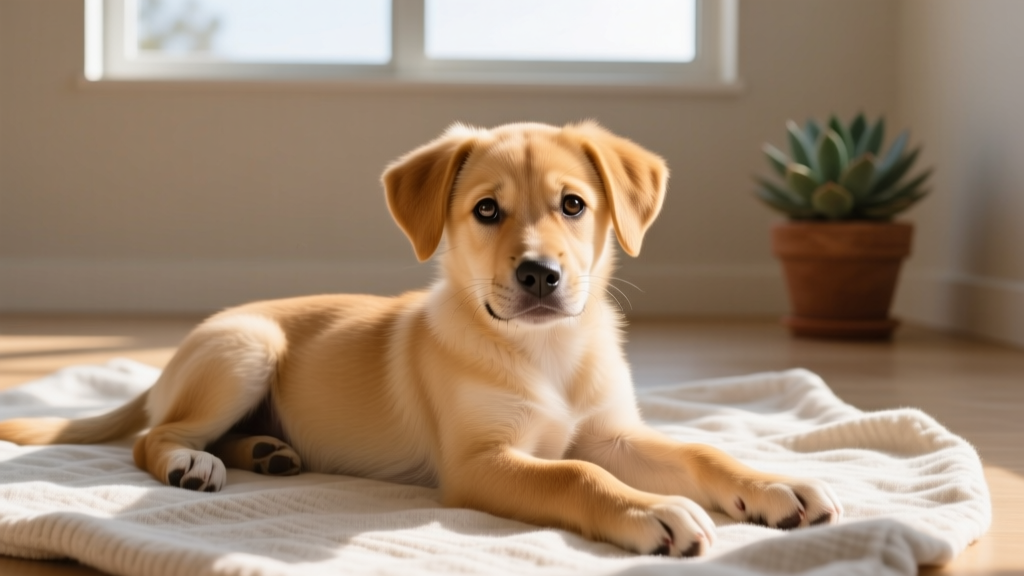
German Shepherd Puppy Price Breakdown
Explore the true German Shepherd puppy price beyond the purchase tag.

Understanding the Real German Shepherd Puppy Price: Beyond the Purchase Tag
If you've been researching German Shepherd puppies, you've probably noticed the German Shepherd puppy price ranges wildly — from $500 to over $5,000 depending on lineage, breeder reputation, and location. But the purchase price is only the beginning. A well-bred German Shepherd puppy from a health-tested, AKC-registered breeder typically costs $1,500–$3,500 in 2026, while show-line or working-line puppies from titled parents can reach $5,000–$7,500.
What most new owners underestimate is the first-year cost of raising a large-breed puppy. Between veterinary care, high-quality large-breed puppy food, training classes, and the inevitable chewed-up supplies, expect to spend $3,800–$6,200 in year one alone. This guide breaks down every cost, milestone, and care requirement so you can budget accurately and raise a healthy, well-adjusted German Shepherd.
- Purchase price: $1,500–$3,500 (pet-quality from responsible breeder)
- Veterinary care (vaccines, spay/neuter, preventives): $800–$1,400
- Food (large-breed puppy formula): $600–$900
- Supplies (crate, bed, leash, toys, bowls): $300–$500
- Training (puppy class + basic obedience): $250–$600
- Pet insurance (optional but recommended): $480–$720/year
- Emergency fund buffer: $500–$1,000
Age-Specific Milestones: What to Expect Week by Week
German Shepherds develop rapidly in their first year. Understanding breed-specific milestones helps you anticipate behavioral shifts and physical changes. GSDs are notably mouthy as puppies and tend to bond intensely with one person, which affects training dynamics.
| Age Range | Weight Range | Key Milestones | What to Expect |
|---|---|---|---|
| Weeks 4–8 | 4–12 lb / 2–5 kg | Weaning, littermate play, early socialization with breeder | Puppy learns bite inhibition from siblings; first fear period begins around week 8 |
| Weeks 8–12 | 12–26 lb / 5–12 kg | Coming home, name recognition, basic sit, first vet visit | Intense bonding period; crying at night is normal; puppy bites everything |
| Weeks 12–16 | 26–40 lb / 12–18 kg | Puppy class begins, leash walking improves, potty training solidifies | Testing boundaries; may seem to 'forget' commands; second fear period possible |
| Weeks 16–24 | 40–55 lb / 18–25 kg | Teething peak, advanced socialization, longer crate duration | Destructive chewing peaks; ears may go up and flop back down repeatedly |
| 6–12 Months | 55–85 lb / 25–39 kg | Sexual maturity, growth plate closure approaching, advanced training | Adolescent regression in obedience; high energy; guarding instincts may emerge |
When Should I Bring My Puppy Home?
The optimal age to bring a German Shepherd puppy home is 8–10 weeks. Reputable breeders will not release puppies before 8 weeks because the critical littermate socialization period (weeks 5–7) teaches bite inhibition and canine communication skills that humans cannot replicate. Some working-line breeders prefer holding puppies until 10–12 weeks for additional temperament evaluation, which can actually benefit first-time owners.
Feeding Your German Shepherd Puppy: Schedule and Portions
German Shepherds are a large-breed dog, and feeding them correctly during growth is critical. According to the American Kennel Club, large-breed puppies need food specifically formulated to control growth rate — too-rapid growth increases the risk of hip dysplasia and other orthopedic conditions. Look for an AAFCO statement indicating the food is appropriate for large-breed growth (expected adult weight over 70 lb / 32 kg).
| Age | Meals Per Day | Approximate Daily Amount (Large-Breed Puppy Kibble) | Notes |
|---|---|---|---|
| 8–12 weeks | 3–4 meals | 1.5–2.5 cups/day | Soak kibble in warm water if puppy struggles to chew; transition food over 7 days |
| 3–6 months | 3 meals | 2.5–4 cups/day | Monitor body condition score (BCS); ribs should be palpable but not visible |
| 6–12 months | 2 meals | 3.5–5 cups/day | Transition to 2 meals around 6 months; switch to adult food at 12–18 months |
| 12–18 months | 2 meals | 3–4.5 cups/day (adult formula) | Gradual 10-day transition to adult food; adjust for activity level |
How often should I feed my puppy at each age? Feed 8–12-week-old puppies three to four times daily, spaced evenly. At 3–6 months, drop to three meals. By 6 months, two meals per day is standard. Never free-feed a German Shepherd puppy — they tend to overeat, which accelerates growth and stresses developing joints.
Potty Training Your German Shepherd Puppy: Timeline and Troubleshooting
German Shepherds are among the easier breeds to house-train due to their intelligence and desire to please. However, "easier" does not mean instant. Here's a realistic timeline:
- 8–12 weeks: Accidents every 1–2 hours. Take puppy out after every meal, nap, and play session. Expect 2–4 accidents per day.
- 3–4 months: Bladder control improves to 3–4 hours. Accidents drop to 1–2 per week if you're consistent.
- 4–6 months: Most GSD puppies are reliably house-trained during the day. Nighttime control develops by 5–6 months.
- 6+ months: Fully reliable if no medical issues. Adolescent regression (marking, submissive urination) can occur around 6–9 months.
When Will My Puppy Be Fully Potty Trained?
Most German Shepherds achieve reliable daytime potty habits by 4–6 months, with full nighttime control by 6 months. However, adolescent males may begin lifting their leg and marking indoors around 7–10 months — this is hormonal, not a training failure. Neutering can reduce but not always eliminate this behavior. Consistent management (interrupting and redirecting) remains the most effective approach.
- Frequent small accidents: Rule out urinary tract infection with your vet (common in female GSD puppies)
- Submissive urination when greeted: Avoid direct eye contact and excited greetings; crouch sideways and let puppy approach
- Crate soiling: Crate may be too large — use a divider to limit space to just enough for standing, turning, and lying down
- Regression after progress: Often coincides with fear periods (8–10 weeks, 6–14 months) or environmental changes
The Critical Socialization Window: Weeks 3–14
According to the American Veterinary Medical Association (AVMA), the primary socialization period for puppies closes between 12–14 weeks of age. For German Shepherds — a breed with strong protective instincts and a tendency toward wariness of strangers — missing this window can result in lifelong fear-based reactivity. This is not optional; it is the single most important investment you make in your dog's behavioral health.
Aim for positive exposure to each category. Never force interactions — let your puppy observe at a comfortable distance and reward calm behavior.
- ☐ At least 10 different people (varying ages, genders, ethnicities, clothing styles including hats, sunglasses, uniforms)
- ☐ 5+ children of different ages (supervised; teach children to let puppy approach)
- ☐ Surfaces: grass, gravel, metal grates, wet pavement, stairs, elevator
- ☐ Sounds: vacuum cleaner, thunderstorm recordings (low volume), car horns, doorbell, clapping
- ☐ Handling: paw touching, ear inspection, mouth opening, nail clipping practice, collar/leash pressure
- ☐ Objects: umbrellas opening, plastic bags, bicycles, skateboards, wheelchairs, strollers
- ☐ Other vaccinated, friendly adult dogs (avoid dog parks until fully vaccinated)
- ☐ Car rides (short trips to pleasant destinations, not just the vet)
- ☐ Alone time practice (5–15 minutes in crate while you're in another room)
- ☐ Grooming tools: brush, nail clippers, toothbrush introduced with treats
When Can My Puppy Go Outside and Meet Other Dogs?
Your puppy can go outside in your own yard immediately after coming home. For public spaces, the Merck Veterinary Manual recommends waiting until 7 days after the second DHPP vaccine (around 13–14 weeks) before visiting high-traffic dog areas. However, controlled socialization with known, fully vaccinated dogs in private settings can begin immediately. Puppy socialization classes (requiring proof of first vaccination) are typically safe and highly recommended starting at 8–10 weeks.
Vaccination Schedule: Protecting Your GSD Puppy
German Shepherd puppies follow the standard core vaccination protocol, but their large size means some vets prefer weight-adjusted dosing for rabies. Always follow your veterinarian's specific protocol.
| Age | Vaccines | Purpose | Estimated Cost |
|---|---|---|---|
| 6–8 weeks | DHPP (Distemper, Hepatitis, Parainfluenza, Parvovirus) — 1st dose | Core protection; often given by breeder | $20–$35 |
| 10–12 weeks | DHPP — 2nd dose; Bordetella (optional); Leptospirosis (1st dose, recommended for GSDs) | Booster immunity; kennel cough prevention; lepto is common in suburban areas | $40–$75 |
| 14–16 weeks | DHPP — 3rd dose; Rabies (required by law); Leptospirosis (2nd dose); Lyme (if in endemic area) | Final puppy booster series; legal requirement; tick-borne disease protection | $55–$100 |
| 12–16 months | DHPP booster; Rabies booster (1-year or 3-year depending on local law) | Adult immunity maintenance | $40–$70 |
What vaccines does my puppy need and when? The core DHPP series at 6–8, 10–12, and 14–16 weeks is non-negotiable. Rabies is legally required in all US states, typically given at 14–16 weeks. For German Shepherds specifically, discuss Leptospirosis vaccination with your vet — GSDs spend significant time outdoors and lepto exposure risk is higher than many owners realize. Canine influenza (H3N2/H3N8) is recommended if you plan to board your dog or attend group training.
Teething, Chewing, and Crate Training: Managing the Mouthy Months
Teething Timeline and Relief
German Shepherd puppies begin losing deciduous (baby) teeth around 3–4 months, with the process completing by 6–7 months. During this window, chewing behavior intensifies dramatically. GSDs have powerful jaws even as puppies, so provide appropriately durable options:
- Safe chew options: Frozen Kong toys stuffed with puppy-safe peanut butter (xylitol-free), Nylabone Puppy Chew (specifically the puppy formula, softer than adult versions), frozen carrot sticks, bully sticks (supervised only — remove when small enough to swallow)
- Avoid: Raw bones (splintering risk), antlers (tooth fracture risk in young dogs), any toy harder than a fingernail
- Red flags: Retained baby teeth (common in GSDs) — if a baby tooth hasn't fallen out by the time the adult tooth is visible, your vet needs to extract it to prevent malocclusion
Crate Training Progression
Crate training protects your puppy from household hazards and supports potty training. German Shepherds generally accept crates well if introduced positively, but their size means you need a 42-inch or 48-inch crate with a divider panel.
- 8–10 weeks: 30–60 minutes max while you're home; overnight 3–4 hours (set alarm for potty break)
- 10–14 weeks: 1–2 hours during the day; overnight 4–5 hours
- 4–6 months: 3–4 hours during the day; overnight 6–8 hours
- 6+ months: Up to 5–6 hours during the day is acceptable for an adult GSD, but provide exercise before and after
Contact your veterinarian immediately if your puppy shows any of these signs:
- Vomiting or diarrhea lasting more than 24 hours (parvovirus risk in unvaccinated puppies)
- Limping or reluctance to move (panosteitis — 'growing pains' common in GSDs — or hip issue)
- Lethargy combined with loss of appetite for more than 12 hours
- Bloated or distended abdomen (German Shepherds are a bloat-prone breed; GDV is a life-threatening emergency)
- Difficulty breathing, pale gums, or collapse
Common German Shepherd Puppy Problems and Solutions
Puppy Biting and Nipping
How do I stop puppy biting/nipping? German Shepherds are a herding and protection breed — mouthing is hardwired. Expect persistent nipping from 8 weeks through at least 5–6 months. Effective strategies:
- Redirect: When puppy mouths skin, immediately offer a chew toy. Reward chewing the toy with calm praise.
- Time-out: If biting continues after redirection, calmly stand up and leave the interaction for 15–30 seconds. This teaches that biting ends play.
- Yelp technique: A high-pitched 'ouch' can work for some puppies, but for high-drive GSDs it may increase arousal. Test your individual puppy's response.
- Never: Use physical punishment, alpha rolls, or holding the mouth shut. These damage trust and can create fear-based aggression in a breed already prone to protective behavior.
Whining and Crying
Nighttime whining in the crate is normal for the first 1–3 weeks. Place the crate near your bedroom initially so the puppy can hear and smell you. If whining persists beyond 3 weeks, assess whether the puppy needs a potty break (likely at 8–12 weeks) or is simply protesting confinement. Wait for a brief pause in whining before opening the crate — releasing during crying reinforces the behavior.
Destructive Chewing
GSD puppies chew with particular intensity during teething (3–6 months) and again during adolescence (8–14 months). Puppy-proof your home by removing shoes, electrical cords, and toxic houseplants. Provide a rotation of 5–7 approved chew toys so novelty is maintained. If your puppy chews something inappropriate, trade for a higher-value approved toy rather than simply taking the item away, which can trigger resource guarding.
First-Year German Shepherd Puppy Price: Complete Cost Breakdown
Here's a realistic budget for your German Shepherd's first year, based on 2026 pricing data from veterinary practices and pet supply retailers across the US:
| Category | Low Estimate | High Estimate | Notes |
|---|---|---|---|
| Puppy purchase (responsible breeder) | $1,500 | $3,500 | Working/show lines cost more; rescue/adoption $200–$500 |
| Veterinary care (vaccines, wellness, spay/neuter) | $800 | $1,400 | GSD spay/neuter costs $300–$600 due to large size |
| Food (large-breed puppy formula) | $600 | $900 | Premium brands $60–$90/bag (30 lb); 8–10 bags/year |
| Supplies (crate, bed, leash, harness, bowls, toys) | $300 | $500 | 42–48" wire crate ~$80–$120; orthopedic bed $60–$150 |
| Training (puppy kindergarten + basic obedience) | $250 | $600 | Group classes $150–$300/session; private sessions $80–$150/hr |
| Preventives (heartworm, flea/tick) | $200 | $350 | Large-breed doses cost more; Simparica Trio, Interceptor Plus |
| Pet insurance (optional) | $480 | $720 | $40–$60/month; GSDs prone to hip dysplasia claims |
| TOTAL FIRST YEAR | $4,130 | $7,970 | Does not include emergency vet visits ($500–$3,000+) |
This is why researching the German Shepherd puppy price thoroughly before committing matters so much. The initial purchase is typically less than half of your first-year spending. Setting aside an emergency fund of $1,000–$2,000 or enrolling in pet insurance before your puppy's first vet visit ensures you're prepared for the unexpected — whether that's a swallowed sock requiring surgery or an early hip dysplasia diagnosis.
Frequently Asked Questions
Why are German Shepherd puppies so expensive from some breeders?
Responsible breeders invest $5,000–$15,000+ per litter in health testing (OFA hip and elbow scores, genetic screening for degenerative myelopathy and hemophilia), prenatal care, early neurological stimulation (ENS), and proper socialization. The German Shepherd puppy price from these breeders reflects those costs. Puppies priced under $800 from unknown sources often skip health testing and may carry hereditary conditions that cost thousands to manage over the dog's lifetime.
Should I get pet insurance for my German Shepherd puppy?
Yes, strongly recommended. German Shepherds have high rates of hip dysplasia (estimated 19–20% per the Orthopedic Foundation for Animals), elbow dysplasia, degenerative myelopathy, and hemangiosarcoma. Enrolling at 8 weeks (before any pre-existing conditions develop) locks in the lowest premiums and broadest coverage. Expect $40–$60/month for an accident-and-illness plan with $5,000–$10,000 annual maximum.
How big will my German Shepherd puppy get?
Adult males typically reach 65–90 lb (29–41 kg) and 24–26 inches at the shoulder. Females reach 50–70 lb (23–32 kg) and 22–24 inches. Most GSDs reach 90% of their adult height by 12 months but continue filling out in chest and muscle until 2–3 years. A puppy's paw size at 12 weeks is a rough indicator — oversized paws suggest more growing to do.
Can I take my puppy to the dog park?
Not until your puppy has completed the full DHPP series (final dose at 14–16 weeks, with protection developing 7 days later — so approximately 15–17 weeks minimum). Even then, dog parks carry behavioral risks for young GSDs: a negative experience with an aggressive dog during the fear period can create lasting reactivity. Structured playdates with known, calm adult dogs are safer for socialization.
When should I start formal training classes?
Puppy kindergarten can begin as early as 8–10 weeks (after the first DHPP vaccine). Look for classes that require proof of vaccination and use positive reinforcement methods. German Shepherds thrive on structured learning and benefit enormously from early classes that combine basic obedience with controlled socialization. Delaying training until 6 months means missing the prime socialization window entirely.
Tom Renshaw
All our authors care for dogs every day — read more of their work on the authors page.